Bridging Art and Advocacy for our Future
Today marks a significant milestone as we formally submitted our public comment to the Impact Assessment Agency of Canada (IAAC) regarding the NWMO Revell Site Deep Geological Repository (DGR). This submission is more than just a regulatory filing; it is the foundational step in our newest interdisciplinary arts project: Our People, Our Nuclear Climate. For this new project, we’re proud to partner with the Melgund Integrated Nuclear Impact Assessment project.
Our full submission can be viewed here, and on the IAAC registry website.
Weaving together storytelling, photography, and mixed-media, Our People, Our Nuclear Climate aims to explore and communicate the complex public perceptions surrounding the storage of nuclear waste in Northwestern Ontario. Through this creative lens, we are documenting the human experience of living near a site that will hold approximately 5.9 million bundles of used nuclear fuel for centuries to come.
Understanding the Revell Site DGR
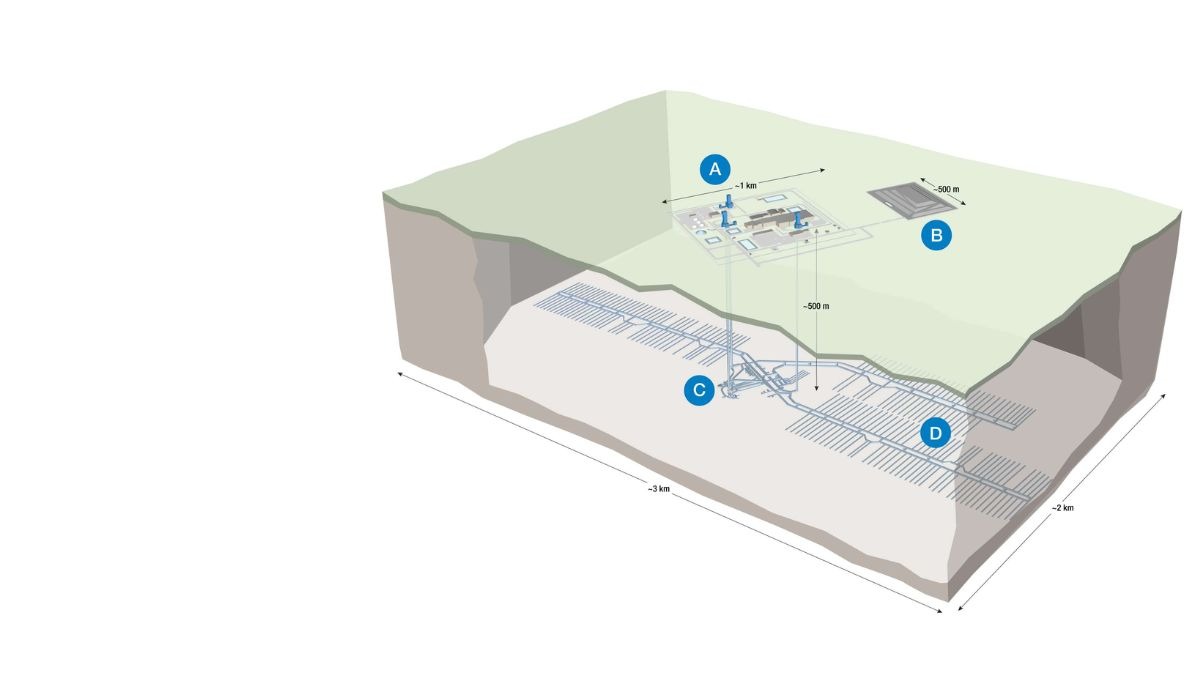
The Nuclear Waste Management Organization (NWMO) is moving forward with its proposal to build a repository roughly 750 metres underground within the Revell Batholith—a 2.7-billion-year-old rock formation located approximately 43 km northwest of Ignace. Following the site selection in November 2024, the project entered an integrated federal review in January 2026.
This joint review, conducted by the IAAC and the Canadian Nuclear Safety Commission (CNSC), is currently evaluating the long-term environmental, health, and social impacts of a facility designed to operate over a 160-year lifecycle.
Why We Are Intervening
As an arts collective co-located with our sister hub in Borups Corners—the closest settlement to the Revell site—we believe that technical documents often fail to capture the lived realities of those most impacted. Our 100-page submission challenges the “host-centric” model that has sidelined unincorporated townships and unorganized territories. We are advocating for a process that respects Section 35 rights, protects our shared watershed, and demands transparent baseline data before moving forward.
Join the Conversation
The window for public feedback is closing soon. The IAAC is accepting comments on the Initial Project Description until February 4, 2026. We encourage our community to view our full submission under IAAC Reference 88774 to see how we are using art and evidence to defend our regional climate.
Stay tuned as we continue to release photography and stories from Our People, Our Nuclear Climate, transforming regulatory data into a visual and narrative history of shared resilience.
About the Author