Ottawa Accused of Lavishing Election Cash on State Broadcaster Before Executing Massive Budget Slashes
The federal government is facing fierce accusations of cynical fiscal manipulation and political opportunism over its erratic, whiplash funding strategy for CBC/Radio-Canada. Outraged lawmakers at the House of Commons Standing Committee on Canadian Heritage exposed what they characterize as a calculated funding illusion, where the Liberal cabinet pumped a massive financial windfall into the state network during a sensitive election period, only to plan an even larger multi-million-dollar clawback immediately afterward.
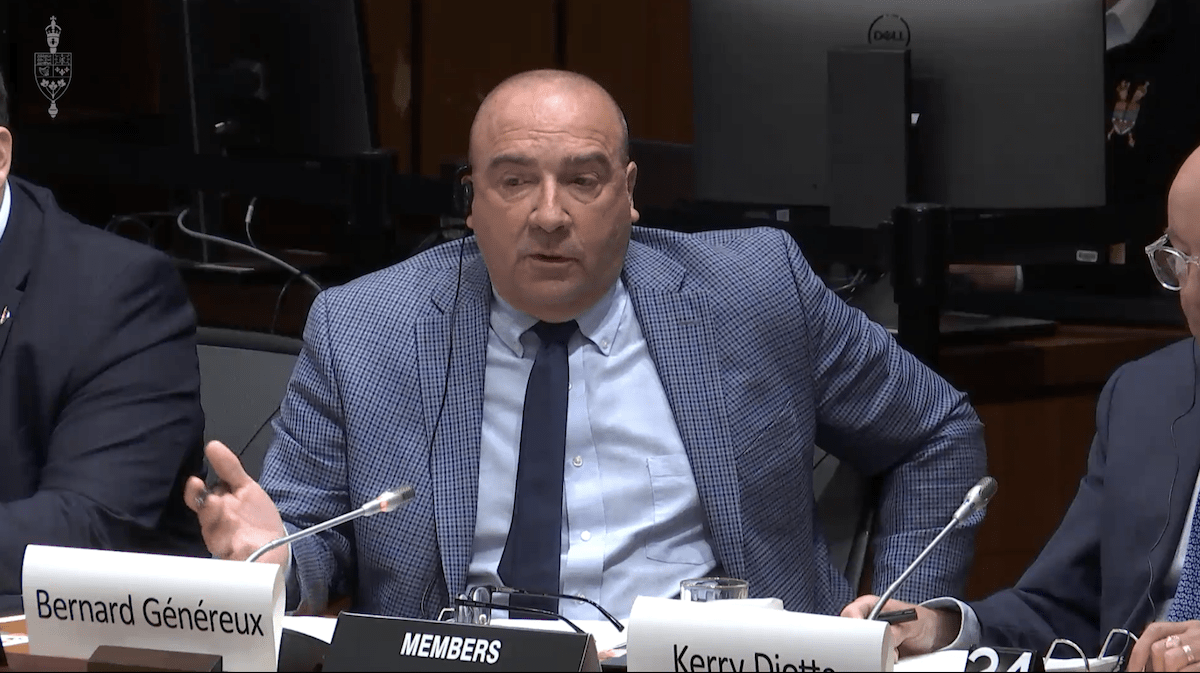
Conservative MP Bernard Généreux launched an aggressive, unsparing critique of this structural funding whiplash, directly confronting the minister with the public broadcaster’s own financial admissions. “You promised to give CBC/Radio-Canada $150 million. Those funds have been delivered. The president and CEO of CBC/Radio-Canada was here two weeks ago, and she admitted that she had received the $150 million in question,” Généreux stated, explicitly tracing the timeline of the government’s strategic cash injection.
Généreux then pulled back the curtain on the government’s hidden post-election retrenchment agenda, exposing the severe financial corrections awaiting the network. “However, in 2026–27, or rather in 2027–28, you plan to cut $200 million from the CBC/Radio-Canada budget,” Généreux revealed, highlighting the massive deficit this sudden withdrawal will create for regional programming.
The Quebec MP openly mocked the government’s fiscal gamesmanship, questioning the ethics of using taxpayer dollars to buy temporary compliance. “Can the Conservative Party of Canada steal this idea from you of giving funds with one hand during an election year and, with the other hand, taking back the same amount, or even more, a year or two later? I find that to be an interesting approach,” Généreux remarked with biting sarcasm.
Généreux concluded that the erratic financial maneuvering was deliberately engineered to exploit the broadcaster’s leverage during high-stakes campaign windows, leaving local stations to bear the economic brunt once the ballots are cast.
“Honestly, it gives the impression that you wanted to support CBC/Radio-Canada by giving it $150 million during the election period, but then, a year and a half or two years later, you’re taking $200 million away from it,” Généreux slammed, cementing a damning indictment of the government’s cultural funding integrity.