Round Two of Processing Our Wild Clay
Every batch gets a little better.
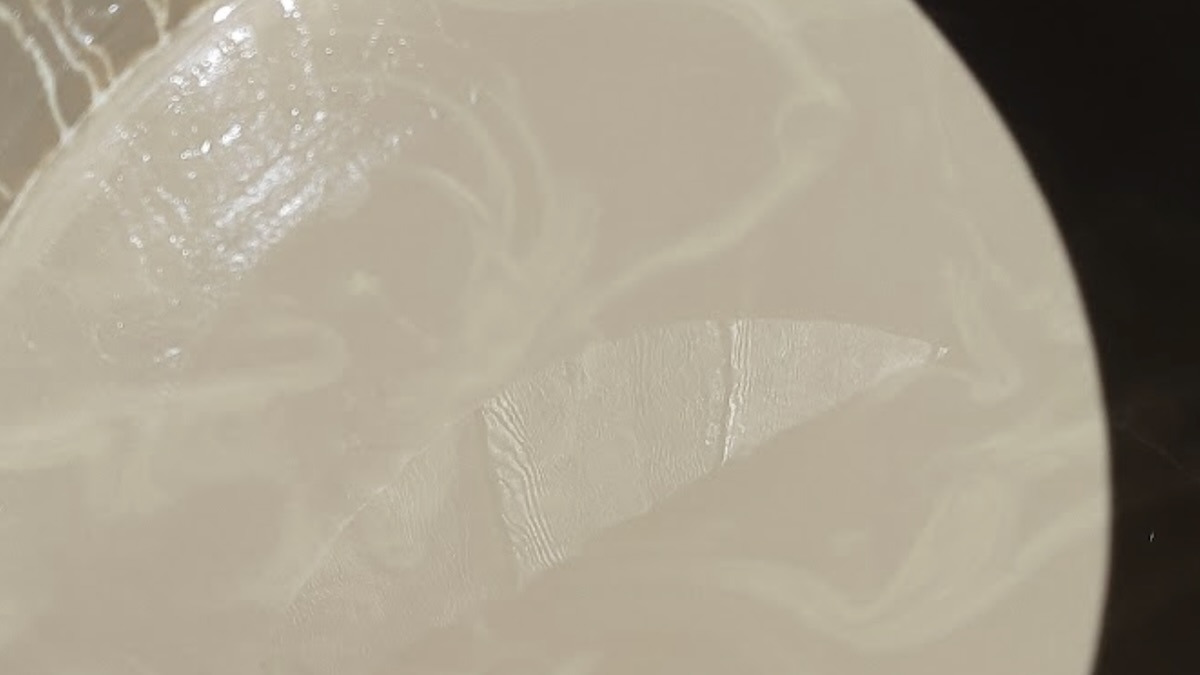
Yesterday’s bucket had already been slaked and strained once, but after another night sitting outside, a fresh dose of rainwater made it easy to break everything apart again. After a vigorous mix, it went through another round of filtering. Is the extra effort necessary? We’re honestly not sure yet—but it’s a fun process, and every pass seems to remove a little more coarse material.
The second bucket is just getting started. It was filled today and will follow the same routine: remove the larger roots and debris, let the clay settle overnight, pour off the excess water, and repeat. Patience seems to be one of the most useful tools when processing wild clay.
Slaking, Settling, and Straining
The process is simple, but each step has a purpose.
The clay is mixed thoroughly with plenty of water until it becomes a smooth slurry. This stage, known as slaking, allows the clay particles to separate from roots, gravel, coarse sand, and other debris that came out of the ground with it. Once everything is suspended in water, the heavier material settles much faster than the fine clay.
After letting the bucket sit, the excess water can be poured off while the heavier clay remains behind. Larger roots, stones, and organic material are removed before the clay is mixed again and given another chance to settle. Repeating the process helps clean the clay without having to pick every little piece out by hand.
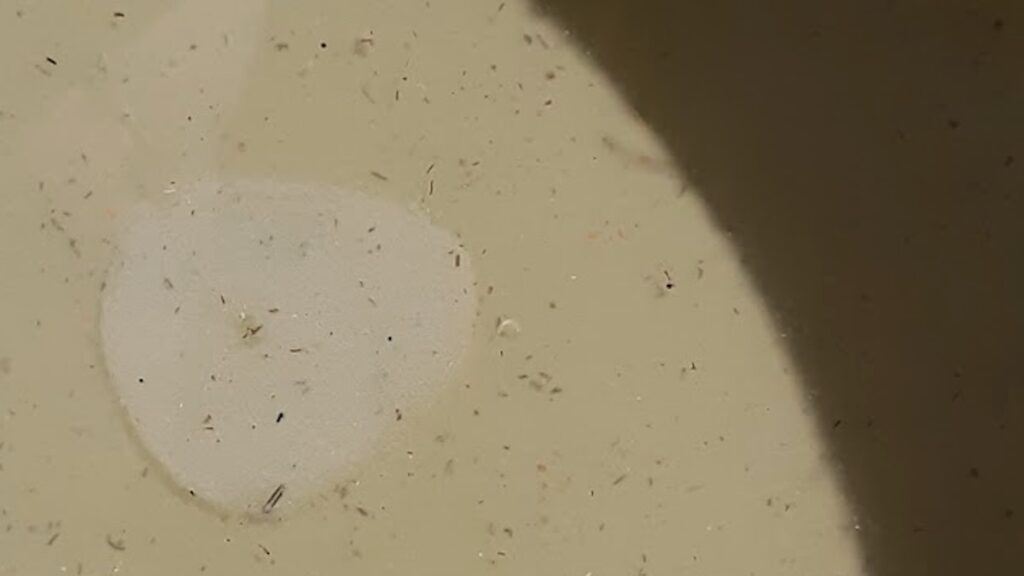
The final step is straining the clay through fabric. We’ve been using an old T-shirt, which catches many of the remaining bits of grit, tiny roots, and coarse particles that make it through the first round. It isn’t the fastest method, but it leaves a much smoother clay slip.
We’re hoping to switch to five-gallon paint strainers soon, which should make the process much quicker while producing the same result. Other than that, we’re keeping things as simple as possible. Nearly everything we’re using has been recycled or repurpose: old buckets, a few worn-out T-shirts, a flower sieve, and whatever we already have around the yard. You don’t need expensive equipment to process wild clay. With a little patience and a willingness to experiment, almost anyone can do it for little or even no cost.
None of this is about making the clay “perfect.” It’s simply about giving the natural clay the best chance to become a smooth, workable material before we start making test tiles, bowls, and other pieces. Every pass removes a little more of what we don’t want while keeping the fine clay that we’re after.
Building a Stockpile
The goal isn’t just this week’s batch.
We’re hoping to build up a good supply of refined wild clay before fall. Right now, the plan is to keep things simple: make a collection of test tiles, a few pinch bowls, and other small pieces to learn how this local clay behaves. Some will almost certainly crack or fail during firing, but that’s part of the process. Broken pieces won’t go to waste. They’ll be crushed into grog for future clay bodies.
We’ve also been collecting some local sand and screening it through a fine flower sieve. If our clay ends up needing a little more strength or reduced shrinkage, we’ll have a local temper ready to experiment with.
Learning From the Clay
One thing we’ve learned is that processing wild clay isn’t about finding the perfect method right away. It’s about paying attention, making small adjustments, and letting each batch teach you something. Every bucket behaves a little differently, and every round helps us better understand the material we’re working with.
With each pass, the clay becomes a little cleaner, our notes become a little more useful, and our confidence grows. Before long, we’ll have enough processed clay to begin making test tiles, pinch bowls, and other small pieces to see how this local material performs in the fire.
Some pieces will probably crack. Some may fail completely. That’s part of learning. The broken pieces won’t be wasted—they’ll become grog for the next generation of clay, helping improve future batches.
That’s one of the things we enjoy most about working with wild clay. Nothing is wasted, every step teaches us something, and the process is just as rewarding as the finished pottery.
Round two is officially underway. There are plenty more buckets to come.