Kicking Off a Summer of Art, Science, and Community Action Tiny Milkweed Seedlings Are Breaking Through the Soil at the Land Lab.
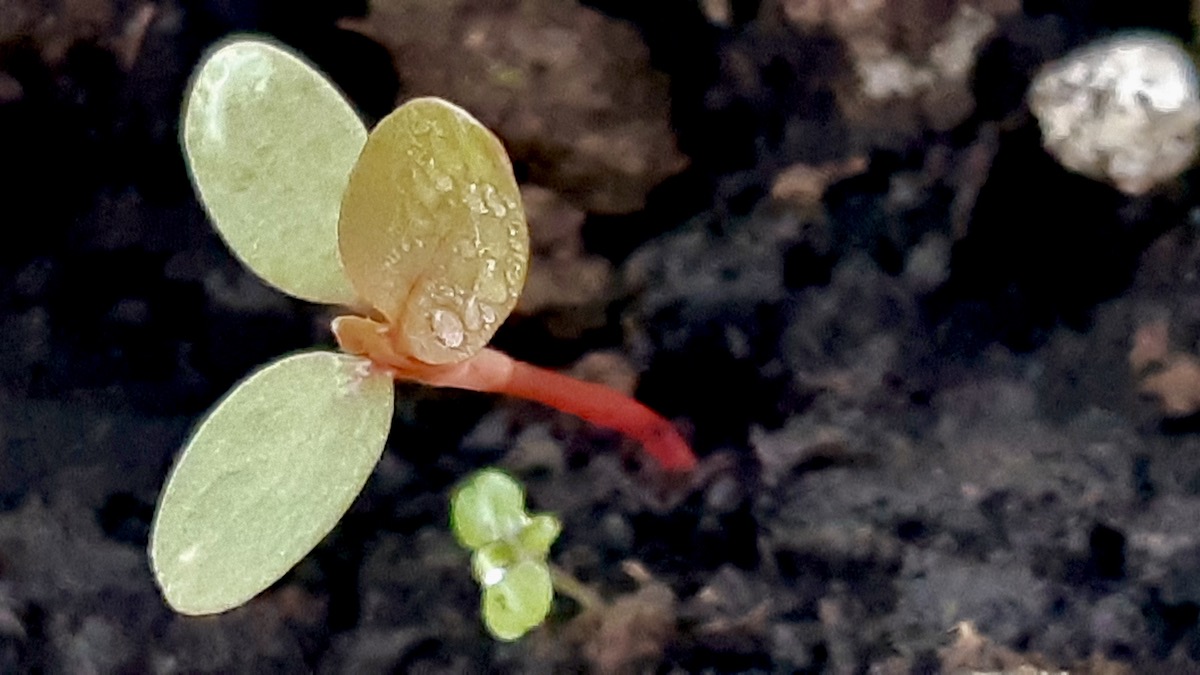
If you drop by the Art Borups Corners Land Lab right now, you’ll probably find us bent over the garden beds, squinting at the dirt. The first seedlings for our Milkweed to Market project are finally popping up. One of our favorites so far is a Blood Flower milkweed shoot that’s breaking through with a bright red stem, catching the morning dew. We’re keeping close tabs on these little guys daily to see how they handle the early spring weather and soil.
The whole idea here is to blend art, local business, and community science. First and foremost, this is a creative project. Come fall, we’re going to experiment with harvesting plant stalks and turning the fibres into handmade paper and artisanal goods to sell at the local markets. It’s a hands-on way to explore concepts around climate entrepreneurship—proving we can create a small, sustainable green economy right here in Melgund Township.
At the same time, our garden beds are a community effort to protect our local environment. Having volunteers track germination and map where monarch butterflies show up, we’re doing our own grassroots environmental research. This local data gives our community a real, evidence-backed voice for things like ongoing regional impact assessments, while turning simple gardening into active environmental advocacy.
Of course, growing milkweed requires some serious patience.
The thousands of native seeds we’ve planted across our community are playing the long game. They’ll spend the next two or three years quietly building deep roots underground before we see any of those beautiful blooms. That’s why we tucked some Blood Flower milkweed into the mix. Unlike the native varieties, it shoots up and flowers in its very first summer. It gives our Land Lab some immediate, beautiful colour, keeps our volunteers inspired, and gives us a quick batch of fibres to test out in our paper making workshops this fall while the native colonies do the slow, invisible work of anchoring the habitat.