Astronomical land prices driven by real estate speculation prevent next-generation producers from entering the agricultural industry.
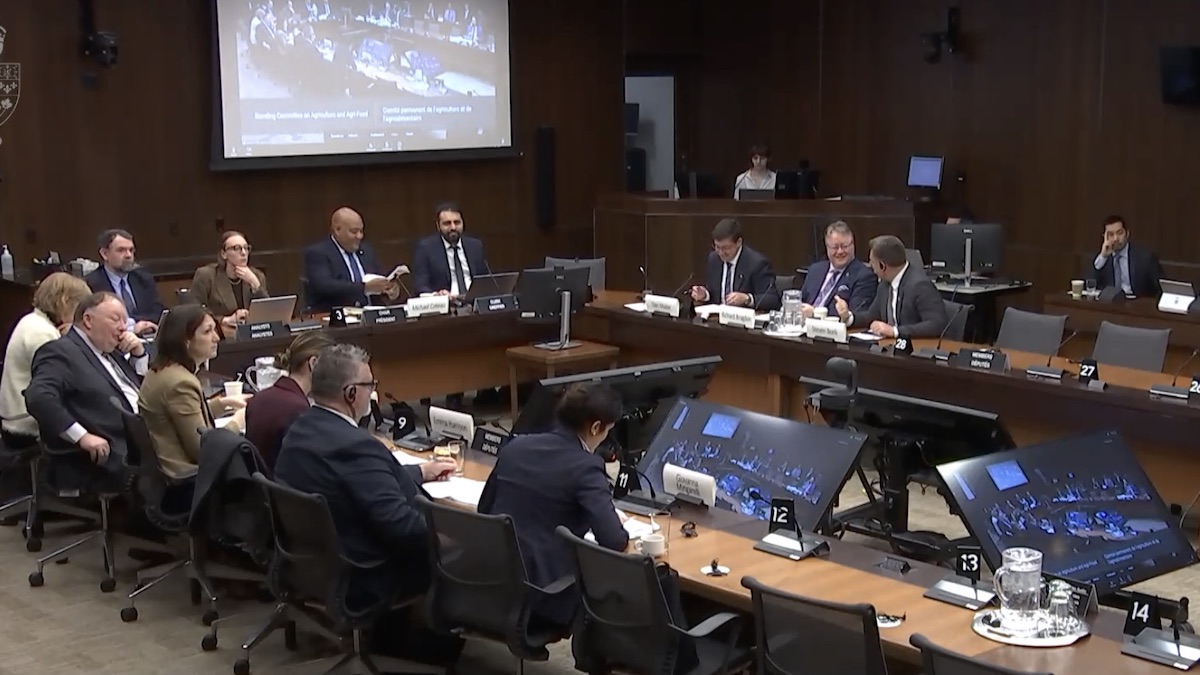
The severe financial crisis unfolding across Canadian agriculture is fueling a secondary structural emergency. On April 30. David Beauvais, President of the Fédération de la relève agricole du Québec, delivered a stark warning to the House of Commons Standing Committee on Agriculture and Agri-Food regarding the imminent collapse of farm succession.
Speaking on behalf of nearly 2,100 members aged 16 to 39, Beauvais revealed that while $50 billion in agricultural assets are slated to be transferred across Canada over the next decade, the country’s generational renewal rate has plummeted to a historic low of just 24%.
The primary barrier preventing young people from taking over operations is the astronomical inflation of land values. Farmland prices are now 10 times higher than they were in the year 2000, having surged by an additional 12.5% in 2024 alone.
Beauvais testified that real estate speculation has completely uncoupled market costs from the land’s actual agronomic value. This speculation makes land acquisition functionally impossible for young graduates who lack deep cash reserves, forcing nearly half of the next generation to hold secondary, off-farm jobs just to survive.
Conservative Member of Parliament Jacques Gourde addressed this crisis by comparing it to the shrinking numbers of young operators. He noted that Quebec currently houses only 2,100 young farmers under the federation’s banner to feed 9 million citizens, stacked against a backdrop of 42,000 total agricultural producers provincewide.
Beauvais answered by proposing a federal patient capital program designed to provide producers under 40 who have been established for less than 10 years with up to $1 million for land purchases. This targeted tool would require only a 5% down payment and lock in a low, fixed interest rate over a 40-year amortization period to protect youth from commercial fluctuations.
Gourde noted that young farmers are effectively becoming a vanishing group, while Beauvais emphasized that a federation poll showed 72% of members fiercely demand outright land ownership rather than insecure leasing models. The sheer scale of the financial barriers and severe credit constraints facing today’s youth is entirely unprecedented.
Liberal Member of Parliament Marianne Dandurand asked Beauvais whether these next-generation succession frameworks should be integrated directly into the core architecture of federal Business Risk Management safety nets. Beauvais responded that the government must act on both fronts, modifying existing programs to accommodate the higher initial risks and lack of cash flow faced by young startups.