Community Members Learn More about Nuclear Waste in Melgund
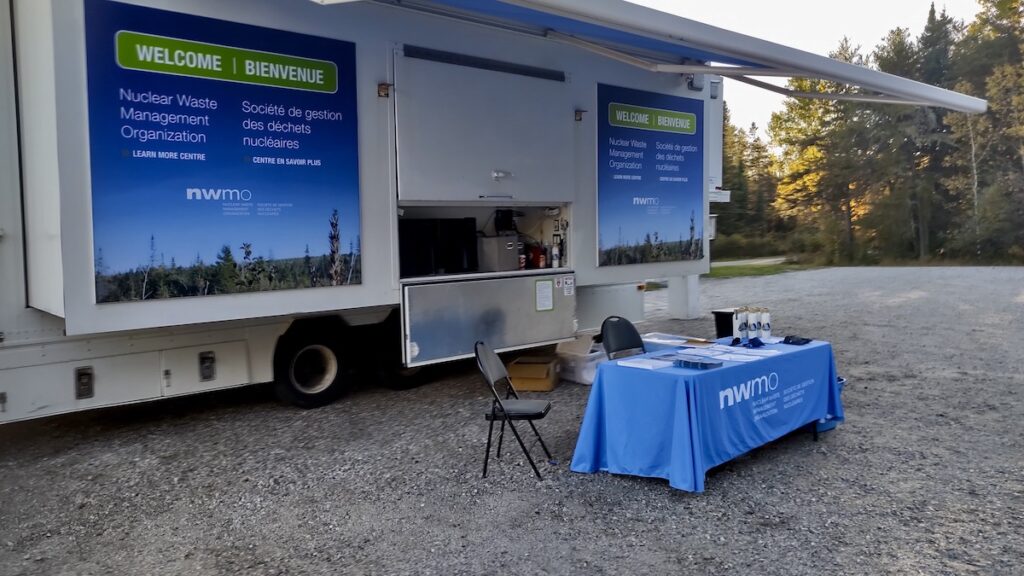
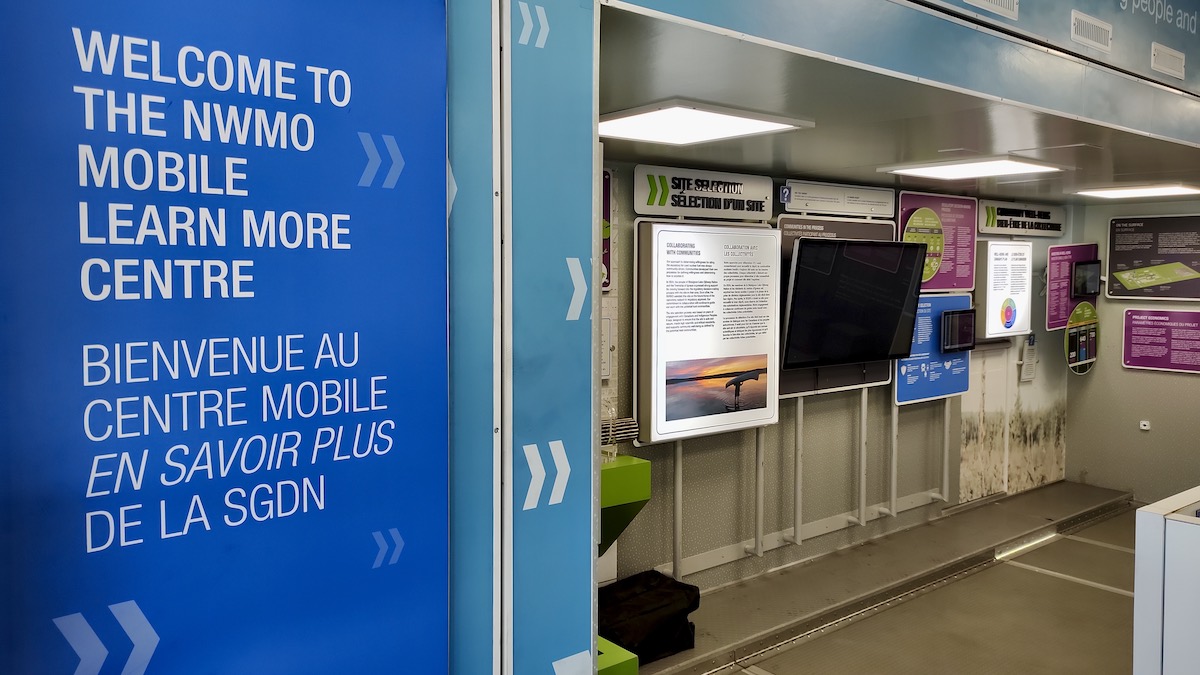
It isn’t every day a giant high-tech classroom on wheels pulls into the Dyment Recreation Hall and Park, but when the Nuclear Waste Management Organization (NWMO) Mobile Learn More Centre rolled into Melgund Township last Friday, it brought plenty to talk about—and plenty to taste! Running from 3:00 to 7:00 p.m., the afternoon felt part science exhibit, part neighborhood block party, complete with sizzling hot dogs and burgers off the grill.
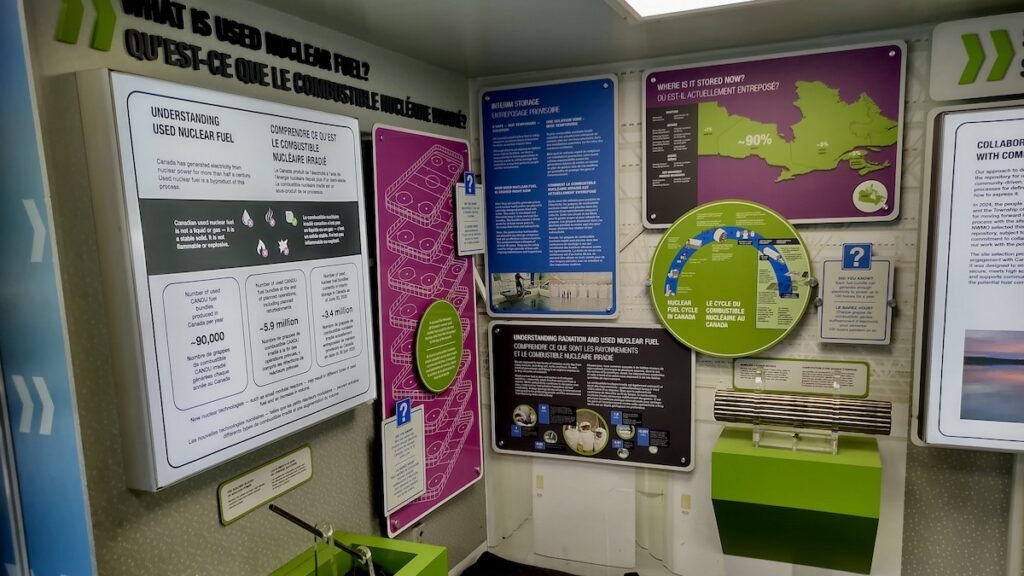
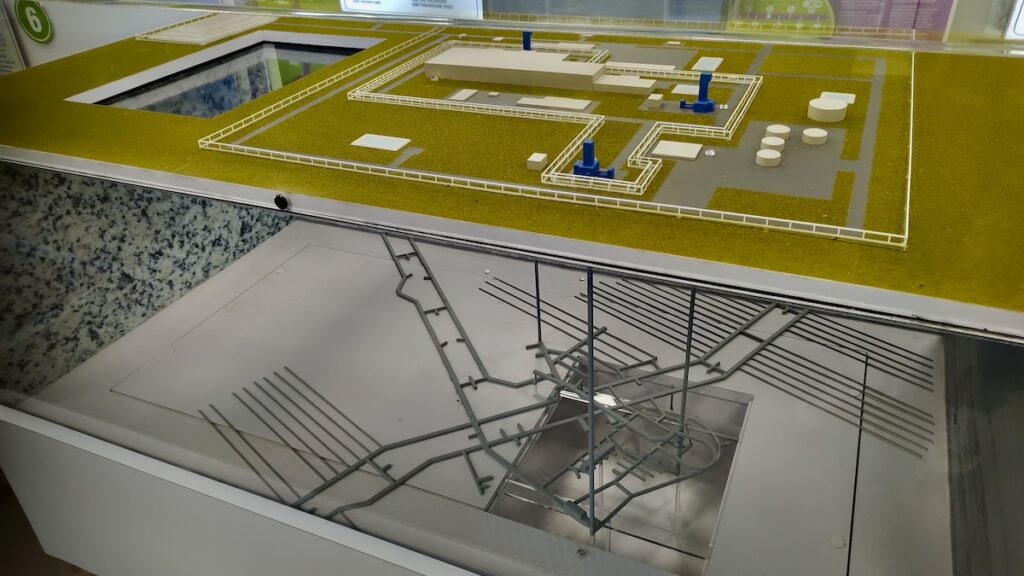
As one of the closest communities directly impacted by the proposed Deep Geological Repository (DGR) for Canada’s Used Nuclear Fuel, Melgund residents showed up ready to chat. The mobile unit’s touchscreens and detailed scale models gave everyone a chance to see how the underground repository works up close, making complex engineering feel much easier to digest.
More importantly, the event created an open space for real talk. Neighbours brought their questions, shared their concerns, and sat down directly with NWMO staff to discuss environmental protection, safety measures, and long-term plans.
Huge thanks go out to the NWMO for supporting such an approachable, informative day of community engagement. To dive deeper into the DGR project or check out assessment details, visit the NWMO website at nwmo.ca or check out the Impact Assessment Agency of Canada.