Crisp, Lacy, and Essential: Life Beside the Star-Tipped Reindeer Lichen
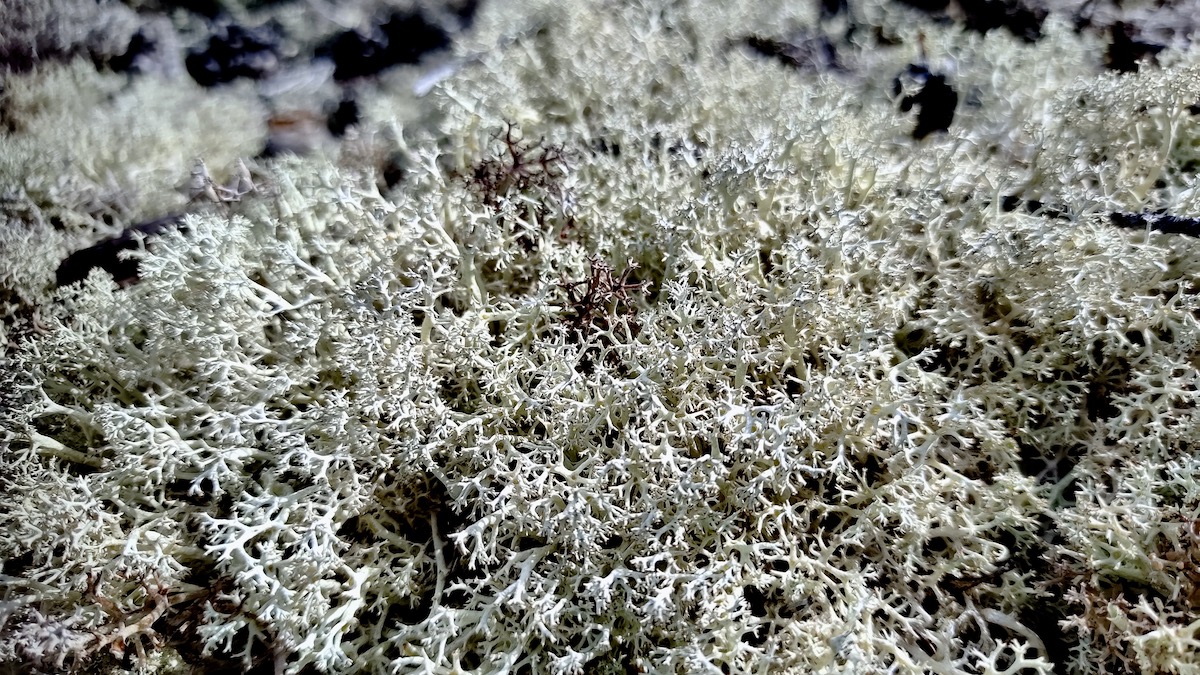
If you look down while walking through the open woods, peat bogs, or tundra of the North, you’ll likely spot soft, pale cushions covering the ground like miniature sea coral or tiny heads of crisp cauliflower.
This is Star-tipped Reindeer Lichen (Cladonia stellaris). It’s not a moss or a single plant, but a marvel of teamwork—a partnership between fungi and algae working together to survive where most green things give up. Up close, its pale, creamy-green branches radiate out in distinct four- or five-pointed star patterns at every node, creating dense, dome-shaped mats that interlock across the soil.
Labrador Tea: Northern Comfort in a Leaf
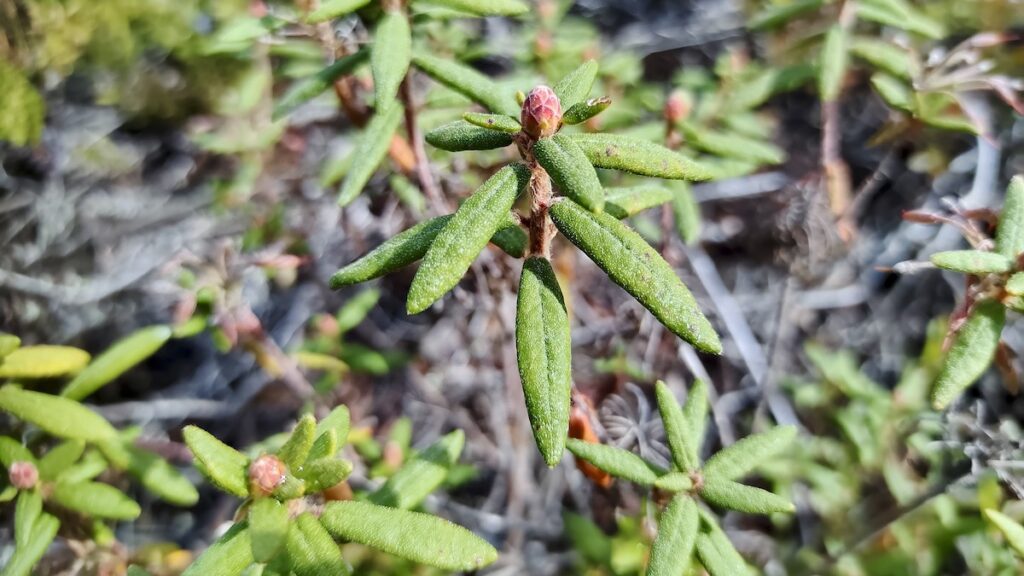
Growing right alongside these intricate cushions, you’ll almost always find another northern icon: Labrador Tea (Rhododendron groenlandicum). The contrast is striking. While Labrador Tea stands upright with dark, leathery green leaves wrapped in warm, orange wool underneath, Star-tipped Reindeer Lichen forms a pale, cool-toned carpet around its base. Together, they create a classic high-latitude landscape that is as resilient as it is beautiful.
This lichen doesn’t rush. It expands at a painstaking pace—often just a few millimeters a year. Yet, over decades, it forms massive mats that act as a protective climate regulator for the ground beneath. During dry spells, the lichen loses moisture and turns crisp and brittle, entering a state of suspended animation. The moment rain or fog rolls in, it absorbs moisture straight out of the air like a sponge, instantly becoming soft, rubbery, and vibrant once more.
For migrating caribou herds braving the dark, sub-zero winter months, these pale carpets are nothing short of a life-saver. Sweeping away the snow with their hooves, caribou dig up the nutrient-dense lichen mats, relying on their high carbohydrate content to generate body heat and survive the winter.
Whether providing critical winter fuel for caribou or forming a crisp, lacey backdrop for neighboring Labrador Tea bushes, Star-tipped Reindeer Lichen is a true anchor of northern wilderness. It’s a quiet reminder that even in the toughest environments, beauty and endurance go hand in hand.