Community Arts Project Reflects Themes of Canada’s New AI Strategy
A small community arts initiative in Northwestern Ontario is offering an example of how artificial intelligence can be introduced through creative and community-based activities.
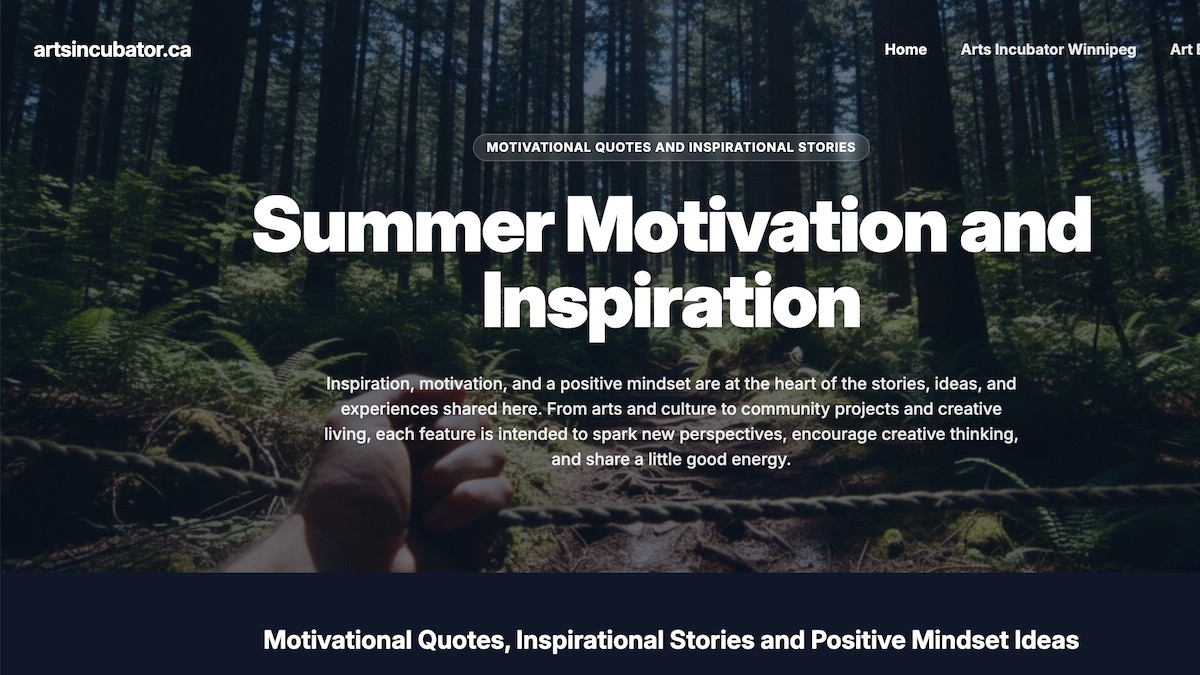
The Summer Motivation and Inspiration project, a collaboration between Arts Incubator Winnipeg and Art Borups Corners, was originally created as an experimental online space focused on motivational quotes, positive stories, and creative thinking. While modest in scope, the project highlights several themes identified in the federal government’s recently released AI for All strategy.
The project is also representative of the type of creative experimentation the team often undertakes in its spare time. Developed largely as a weekend recreation project, it combines interests in arts, storytelling, digital technology, and community engagement. Organizers describe it first and foremost as something fun to build and explore, while recognizing that these informal projects can also create opportunities for digital and AI literacy.
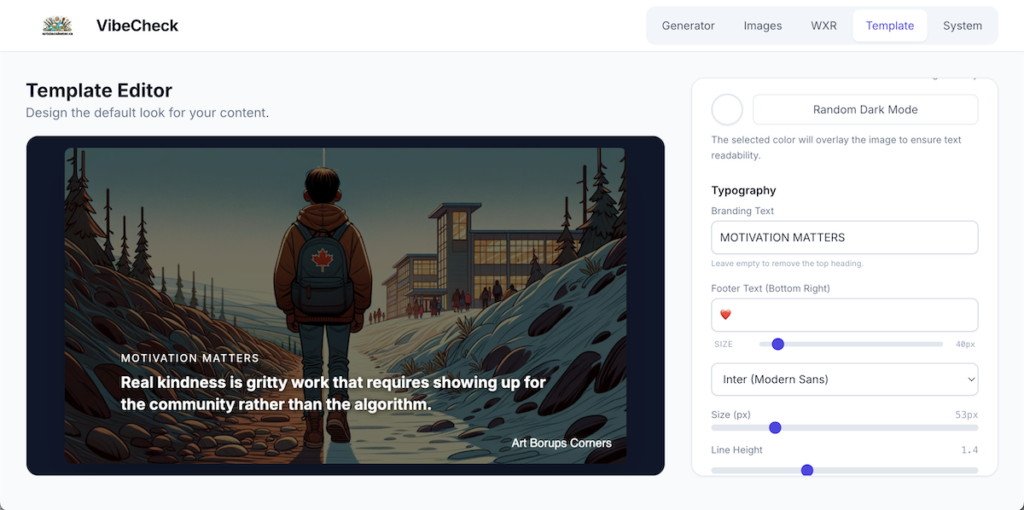
Behind the scenes, the project also serves as a practical introduction to digital literacy. Participants gain exposure to the building blocks of modern websites and online publishing, including database management, automation, content workflows, and digital design. Rather than viewing technology as a black box, they can see how information is organized, managed, and transformed into a live web experience. The project also incorporates automated image generation and design processes, demonstrating how technical systems and creative expression increasingly work hand in hand.
The initiative also provides an accessible introduction to emerging AI technologies. Participants explore how AI can support content planning, idea generation, and creative workflows while remaining guided by human oversight and direction. In some cases, AI tools are used to help organize content themes, suggest topics, and draft material that aligns with the project’s overall tone and objectives. By experimenting with these tools in a community setting, participants develop a better understanding of how AI systems function and where they can be used effectively. Organizers say the goal is not simply to use AI, but to help people become more confident, informed, and creative users of the technology.
The national strategy emphasizes the importance of improving AI literacy and helping Canadians understand how emerging technologies are being used in everyday life. It notes that many Canadians remain unfamiliar with AI tools and their practical applications.
How Community Organizations Are Experimenting With AI and Digital Publishing
Organizers say the project provides an informal environment where participants can engage with digital tools through creative activities rather than technical instruction. By focusing on accessible content and community participation, the initiative offers opportunities for people to become more familiar with AI-assisted content creation in a low-pressure setting. The approach reflects a broader belief that some of the most effective learning occurs through hands-on experimentation, curiosity, and play.
The federal strategy also calls for AI systems and applications that reflect Canadian communities and cultures. Based in Melgund Township, the project incorporates local stories, community experiences, and regional perspectives from Northwestern Ontario. Organizers say maintaining local identity is an important consideration when exploring new digital technologies.
Another priority identified in the strategy is supporting the adoption of AI by small organizations and community groups. Since 2024, the Arts Incubator Winnipeg and Art Borups Corners collectives have been experimenting with AI-assisted workflows and content development as part of their broader digital engagement efforts. While the project has always been experimental and exploratory, it demonstrates how smaller arts organizations can begin testing new technologies through play, and without large-scale investments.
The initiative also reflects ongoing discussions about the role of AI in creative work. Rather than replacing artists, writers, or community leaders, organizers describe the technology as a tool that can support idea generation, content development, and community engagement. Human oversight, local knowledge, and creative direction remain central to the process.
The federal government’s strategy outlines a long-term vision for increasing AI literacy, supporting innovation, and encouraging responsible adoption across sectors. Projects such as Summer Motivation and Inspiration illustrate how some of these conversations are already taking place at the community level through arts, culture, and local initiatives.
While small in scale, the project demonstrates how community organizations can explore emerging technologies in ways that remain grounded in local participation, creativity, and public engagement. For the organizers, however, the primary motivation remains simple: creating something enjoyable, sharing it with others, and learning along the way.
It’s also fun!