How grassroots leaders can turn limited resources into deep community impact.
The belief that a lack of funding equals a lack of potential is the first hurdle every young leader must clear. In the world of grassroots arts, we are conditioned to view our empty bank accounts as a deficit of power.
We see the established institutions with their endowments and their dedicated marketing teams, and we feel like we are playing a game with one hand tied behind our backs. But there is a specific, potent kind of energy that only exists in the space between nothing and something. When you are operating on a shoestring, your primary currency isn’t capital; it is connection.
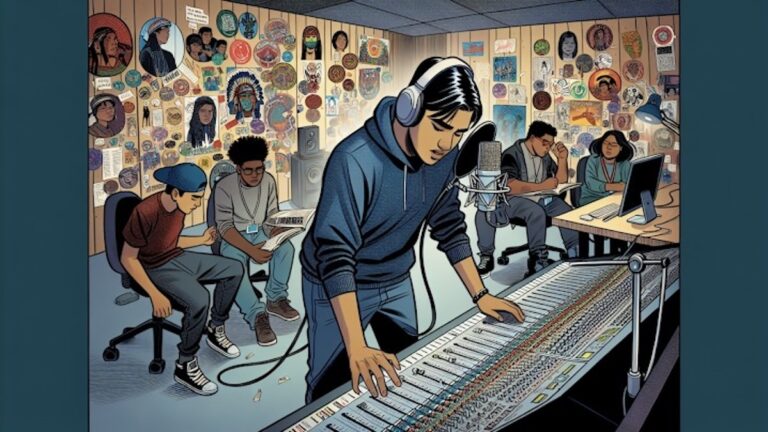
This matters because money often acts as a buffer. In large organizations, capital allows leaders to buy their way out of the hard work of human interaction. If they need a crowd, they buy ads. If they need talent, they post a high-paying job. But for those of us in the 18-to-25 demographic running projects from living rooms and shared studios, we don’t have that luxury. We have to talk to people. We have to convince them that our vision is worth their time, their sweat, and their limited attention. This forced vulnerability is actually a leadership superpower. It ensures that every person in the room is there because they believe in the mission, not because they are waiting for a paycheck. This creates a level of commitment and creative friction that no amount of corporate funding can replicate.
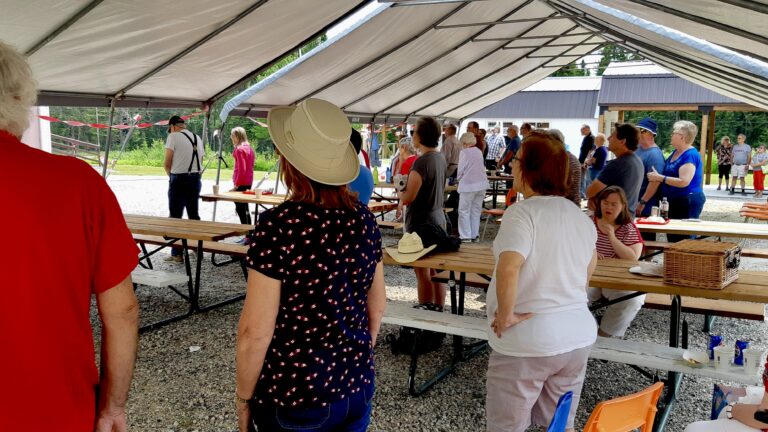
Adopting a community-first mindset means moving away from the transactional nature of the traditional arts world. Instead of asking what your community can do for your organization, start asking how your organization can be a vessel for the community’s existing energy. Leadership at the grassroots level isn’t about being the boss; it’s about being the gardener. You are creating the conditions where others can grow. This requires a radical transparency. Be honest about what you lack. When you admit that you don’t have all the answers or the resources, you invite others to step in and fill those gaps. This is how a project becomes a movement.
To lead this way, you must prioritize relationship over reach. In a digital-first world, we are obsessed with how many people see our work. But for a small arts organization, ten people who would help you move a piano in the rain are worth more than ten thousand followers who just double-tap a post. Focus on building deep, narrow silos of trust. Host the awkward meetings, have the long coffee dates, and listen more than you speak. Your job is to synthesize the needs of your peers into a cohesive creative direction. When people feel seen and heard, they don’t just participate; they take ownership.
The goal is not to stay small forever, but to ensure that as you grow, you don’t lose the intimacy that made you vital in the first place. Burnout happens when we try to mimic the structures of large, soulless entities without having their resources. Don’t chase the scale of a museum when you have the heart of a collective. Embrace the constraints. Use them to sharpen your focus. You are building something honest, something human, and something that belongs to more than just yourself.
That shared ownership is the only thing that actually survives the long haul.
Keep going, stay rooted, and remember that you are already wealthy in the ways that truly count.
Thoughts on Creative Leadership
Creative Leadership is about turning vision into action by empowering people, cultivating trust, and building momentum around shared purpose. It blends imagination with accountability, inviting diverse voices to shape solutions while navigating complexity with clarity and courage.
About the Author