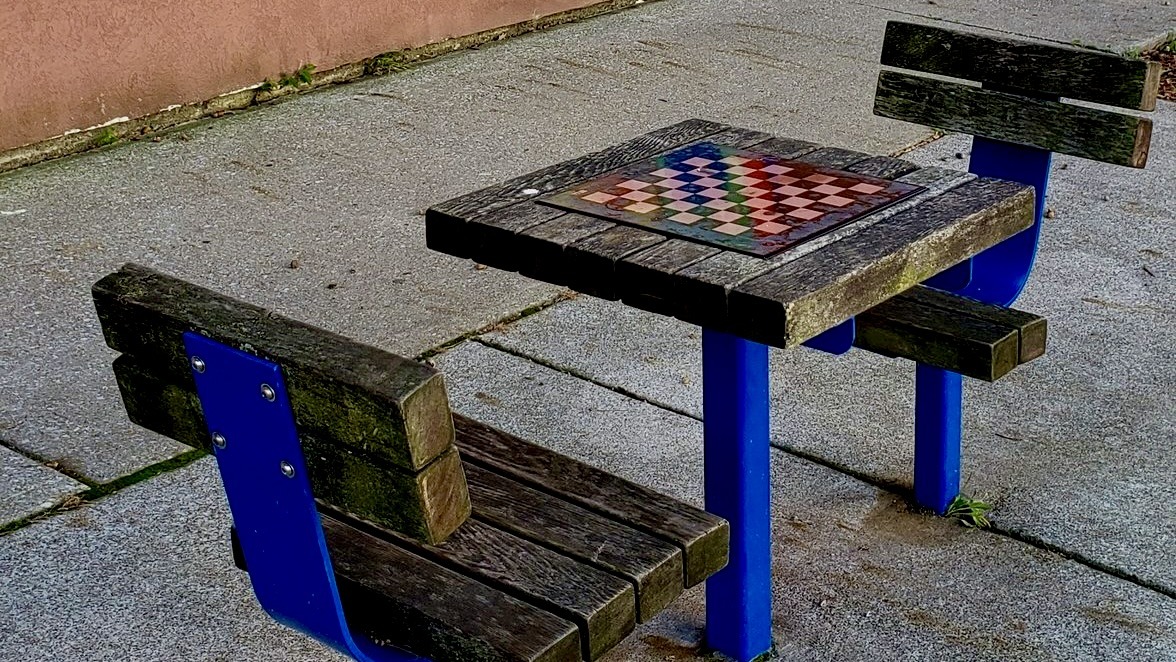
Research links casual hangouts to belonging—and Canadian numbers show gaps.
Feeling disconnected has become common enough that researchers treat it as a public-health issue. Loneliness raises risks for depression, anxiety, heart problems, and even earlier death. Social connection works the other way—it buffers stress and gives people a sense that they matter.
Third places sit right in the middle of that equation. They offer low-pressure contact: a nod from a regular, a short chat with a stranger, the simple comfort of sharing space. Research by the Survey Center on American Life found that people who regularly visit nearby third places feel significantly closer to their neighbours than those who don’t.
Canadian data tells a similar story. Research by YMCA Canada in its 2026 Connections Snapshot reported that only 36 percent of respondents feel connected to their local community all or most of the time. The number has barely moved from the previous year. Yet 77 percent said spaces outside home and work—libraries, parks, community centres—play an important role in social connection. Only 33 percent said they spend time in those places regularly, and nearly two-thirds wished there were more of them.
Younger Canadians feel the gap more sharply. Research by YMCA Canada found that roughly three-quarters of people aged 18 to 34 report little or no sense of community. The biggest barriers were social discomfort, lack of time, not knowing where to start, and cost. More than half of respondents said they would visit third places more often if activities were free or affordable, and almost half said more welcoming spaces would help.
Research by YMCA Canada also showed that people who already have a third place report higher levels of belonging. Parks and outdoor spaces rank as the most popular. Libraries and community centres matter especially for people dealing with loneliness because they carry almost no financial or social pressure.
Current issues make the problem sharper. Housing costs and long work hours leave less energy for going out. Winter keeps many people inside for months. Some urban design still prioritizes cars over walkable neighbourhood hubs. At the same time, opportunities are growing. Organizations such as the YMCA are leaning into their role as third places with barrier-free and sliding-scale programs. Cities are investing in public spaces that invite lingering—better seating, lighting, and programming. Social-prescribing projects are starting to link people to community activities the way a doctor might prescribe exercise.
For individuals, the approach can stay small: pick one low-cost spot and show up on a regular day. For organizations and municipalities, the evidence is clear—keep the doors open, keep the cost low, and design spaces where people feel they can simply be.
Third places won’t solve every mental-health challenge. But they do give people a reliable place to practice being part of something larger than themselves.
While many of us have now settled into a quieter fall and winter with school and work taking people away, we’re using this fall and winter season for deeper organizational work. Physical infrastructure has been the priority for a while, but in the colder months our program is mostly virtual. That means we can concentrate on subjects like board and governance models, organizational development, and pathways for creative leadership and succession. Each week we’ll look at one of these areas, because the mental-health benefits of third places only last when the groups that run them are solid and sustainable.