The Prairie-Perfect Herb: A Guide to Growing Dill in Manitoba
If there is one herb that thrives under the massive, sunny skies of Manitoba, it is dill (Anethum graveolens). A staple of the Canadian prairie garden, dill is rugged, fast-growing, and absolutely essential for summer pickling, fresh potato salads, and elevated fish dishes. Whether you are gardening in the rich valley soil of Winnipeg, the sandy loam of Brandon, or a raised bed in Thompson, cultivating a bumper crop of dill is entirely achievable with a few regional adjustments.
It’s also one of our most favourite plants and we grow some every year.
Why Dill Thrives in the Manitoba Climate
Dill is a cool-weather annual that actually benefits from the unique characteristics of a Manitoba summer. The intense day length of our prairie summers provides the ample sunlight dill craves to develop its potent, aromatic oils. As well, its seeds possess excellent cold hardiness, meaning they can handle chilly spring soil and allow local gardeners to get a critical head start on our short growing seasons. Beyond its culinary uses, dill serves as an exceptional pollinator magnet, drawing in beneficial insects and acting as a vital host plant for the striking Black Swallowtail butterfly caterpillar.
Direct Sowing and Timing Strategies
Because dill develops a delicate, deep taproot, it does not tolerate transplanting very well. For the highest success rate, direct sowing seeds straight into your garden beds is highly recommended. You can begin planting outdoors in early to mid-May, just as soon as the soil can be worked, as the seeds are resilient enough to survive light spring frosts. Because dill matures quickly and naturally bolts—or goes to seed—during the peak heat of July, it is wise to practice succession planting by sowing a new batch of seeds every two to three weeks until mid-summer to guarantee a continuous supply of fresh, tender leaves.
Select a planting spot that receives full sun, aiming for at least six to eight hours of direct sunlight daily. Dill prefers well-drained, fertile soil with a neutral to slightly acidic pH, though it is remarkably resilient and will grow fine in average garden loam provided it does not sit in soggy, pooled water. Drop your seeds about a quarter-inch deep into the soil. Once the seedlings emerge, which typically takes ten to fourteen days, thin the young plants so they stand roughly six to eight inches apart, giving them plenty of room to branch out.
Managing Maintenance and Prairie Winds
Once established, dill requires minimal intervention, preferring evenly moist soil while the plants are young and demonstrating good drought tolerance as they mature. You will want to monitor watering during dry, hot prairie spells to keep the flavor from becoming too bitter.
The primary challenge for Manitoba gardeners is dealing with our notoriously fierce winds. Because mature dill can easily reach heights of three to four feet, its hollow stems are susceptible to snapping during summer thunderstorms. To prevent this, plant your dill near a protective fence, alongside sturdier crops like tomatoes, or be prepared to offer manual staking to keep the tall stalks upright.
Harvesting for Flavor and Future Generations
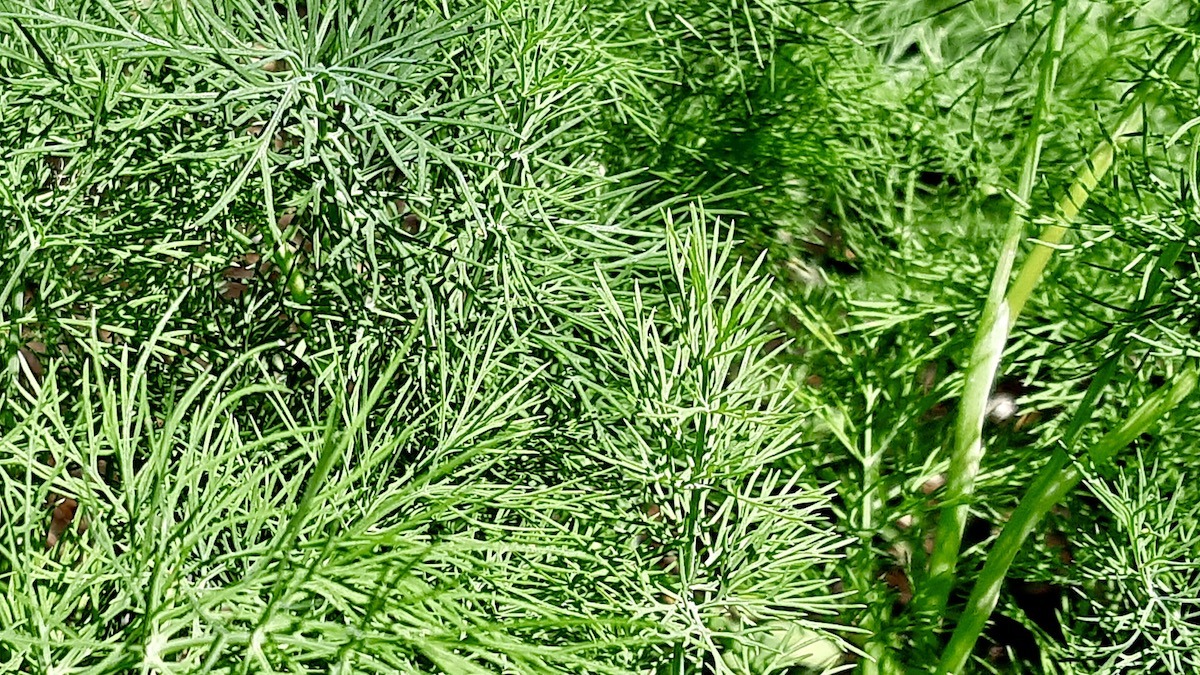
You can harvest dill at two distinct stages depending on your culinary goals. For fresh dill weed, start clipping the feathery leaves as soon as the plant has four or five distinct branches. Gathering them early in the morning before the summer heat intensifies will preserve the best flavor, and always clip the outer leaves first so the central growing point can keep producing.
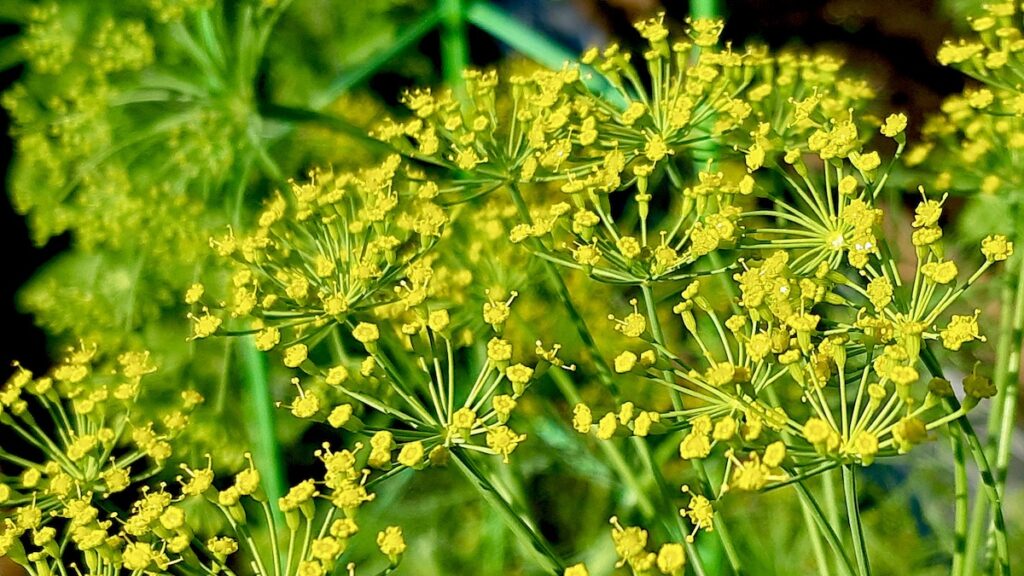
If your goal is homemade pickles, let the plant develop its iconic yellow, umbrella-like flower heads. For immediate pickling, cut the green flower heads just after the blossoms open and place them straight into your jars. For dry dill seeds, let the flower heads turn brown and dry directly on the stalk, then tie a paper bag over the head, snip the stem, and hang it upside down indoors to catch the falling seeds.
As a bonus, if you leave a few seed heads to drop naturally in the fall, dill will happily reseed itself, giving you a volunteer crop of free plants when the snow melts next May.