Exploring the United Kingdom’s Geological Disposal Facility programme and global lessons in nuclear waste management and community engagement
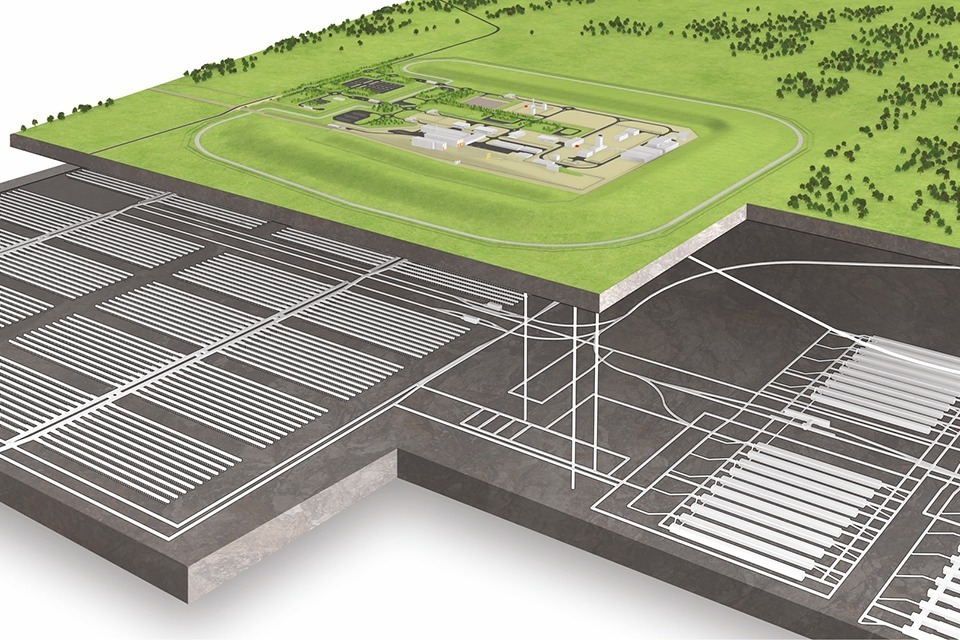
Countries around the world are continuing to develop long-term solutions for the safe management of used nuclear fuel, and one of the most established examples comes from the United Kingdom. The UK’s Geological Disposal Facility (GDF) programme is a major environmental protection initiative designed to safely isolate radioactive waste deep underground for the long term. As international attention grows around nuclear waste management, the UK experience offers valuable insight into how technical planning, transportation systems, and community engagement come together in practice.
The Geological Disposal Facility programme in the United Kingdom represents one of the most significant and complex environmental projects underway today. It is designed to ensure the safe containment of radioactive waste far below the Earth’s surface, where geological stability provides a long-term barrier between waste and the environment. Beyond engineering and science, the programme also focuses heavily on community involvement, recognizing that long-term solutions require public trust, transparency, and collaboration.
A key voice in this work is Annabelle Hall-Tomkin, a leading subject matter expert on the UK’s GDF programme. With nearly a decade of experience in nuclear-related public engagement, she currently serves as Principal Community Engagement Advisor with Nuclear Waste Services (NWS). Her work has focused on helping shape how communities participate in the siting process, ensuring that engagement is meaningful and structured rather than symbolic. She has also contributed to the development of guidance for Community Partnerships involved in decision-making around potential repository sites.
Her experience highlights the evolving nature of nuclear waste governance in the UK, where engagement is treated as an essential part of the process rather than an external requirement. This includes understanding how communities respond to proposed transportation routes for used nuclear fuel, how information is shared, and how long-term trust is built over time. These lessons are increasingly relevant as other countries consider or advance similar geological disposal strategies.
This special presentation, hosted by the Nuclear Waste Management Organization, provides an opportunity to explore these themes in greater depth. The event will take place at the Dyment Recreation Hall on Wednesday, May 6, 2026, from 6:00 to 8:00 p.m. Participants will have the opportunity to hear directly about the UK experience, including practical insights into engagement practices, programme development, and lessons learned from one of the world’s most advanced geological disposal initiatives.
For those unable to attend in person, the session will also be available online via Microsoft Teams.
Microsoft Teams meeting
Join: https://teams.microsoft.com/meet/263780711998479?p=QjNkyKR9uTTfbbWnNV
Meeting ID: 263 780 711 998 479
Passcode: Pz7Mx668