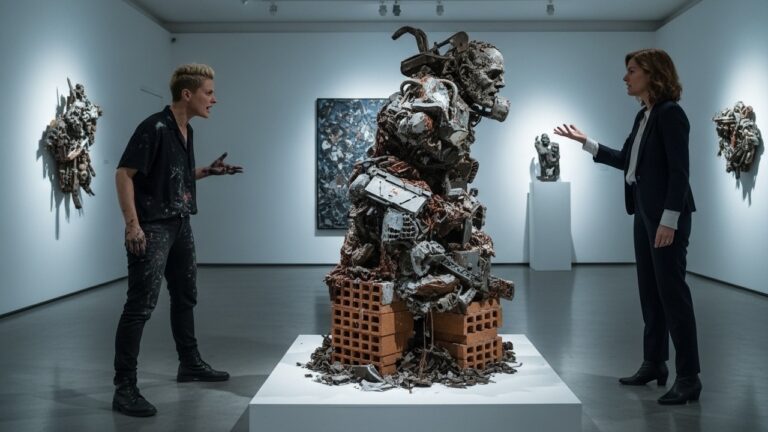
However, the conversation around the authenticity of these pieces is not going away. Art has always been a reflection of the creator’s personal struggles, triumphs, and unique perspective. When a neural network spits out an image based on a billion data points, it lacks that personal narrative. Canadian galleries are already beginning to debate how to label these works. Is it ‘AI-generated’ or ‘AI-assisted’? The distinction matters to collectors and fans who value the story behind the canvas. Moving forward, the most successful artists will likely be those who find a way to blend their personal flavour with the raw power of the algorithm.
There is also the matter of style. We are seeing a bit of a homogenization in some digital spaces because the AI tends to lean toward what is popular in its training data. To stand out, human artists are actually leaning back into traditional methods—thick oils, messy charcoal, and tactile textures—to contrast the sterile perfection of digital renders. This tension between the organic and the synthetic is defining the current art movement. Rather than a total takeover, we are seeing a fascinating dialogue between man and machine that will likely shape the next decade of visual culture.
It is getting harder to scroll through a social media feed without bumping into something created by a machine. We have entered an era where anyone with a prompt can generate a piece of art that looks like it took weeks to paint. This shift is causing a bit of a stir in the creative community, especially here in the Great White North where the arts have always been about raw, lived experience. While some artists feel threatened, others see these tools as a way to push the boundaries of what is possible. The colour palettes and intricate details that AI can produce are honestly mind-blowing, but there is still a lingering question about whether a machine can ever truly capture the human spirit.
Many creators are starting to realize that AI is not a replacement for talent, but rather a new kind of paintbrush. Instead of spending ten hours on a rough sketch, an illustrator might use a generative tool to explore fifty different concepts in ten minutes. This allows them to focus their energy on the final execution and the conceptual depth of their work. The trend is moving toward a hybrid model where the human is the director and the AI is the technician. It is a massive change in how we define a studio environment, but it is opening doors for people who might not have had the technical motor skills to express their visions before.
However, the conversation around the authenticity of these pieces is not going away. Art has always been a reflection of the creator’s personal struggles, triumphs, and unique perspective. When a neural network spits out an image based on a billion data points, it lacks that personal narrative. Canadian galleries are already beginning to debate how to label these works. Is it ‘AI-generated’ or ‘AI-assisted’? The distinction matters to collectors and fans who value the story behind the canvas. Moving forward, the most successful artists will likely be those who find a way to blend their personal flavour with the raw power of the algorithm.
There is also the matter of style. We are seeing a bit of a homogenization in some digital spaces because the AI tends to lean toward what is popular in its training data. To stand out, human artists are actually leaning back into traditional methods—thick oils, messy charcoal, and tactile textures—to contrast the sterile perfection of digital renders. This tension between the organic and the synthetic is defining the current art movement. Rather than a total takeover, we are seeing a fascinating dialogue between man and machine that will likely shape the next decade of visual culture.
It is getting harder to scroll through a social media feed without bumping into something created by a machine. We have entered an era where anyone with a prompt can generate a piece of art that looks like it took weeks to paint. This shift is causing a bit of a stir in the creative community, especially here in the Great White North where the arts have always been about raw, lived experience. While some artists feel threatened, others see these tools as a way to push the boundaries of what is possible. The colour palettes and intricate details that AI can produce are honestly mind-blowing, but there is still a lingering question about whether a machine can ever truly capture the human spirit.
Many creators are starting to realize that AI is not a replacement for talent, but rather a new kind of paintbrush. Instead of spending ten hours on a rough sketch, an illustrator might use a generative tool to explore fifty different concepts in ten minutes. This allows them to focus their energy on the final execution and the conceptual depth of their work. The trend is moving toward a hybrid model where the human is the director and the AI is the technician. It is a massive change in how we define a studio environment, but it is opening doors for people who might not have had the technical motor skills to express their visions before.
However, the conversation around the authenticity of these pieces is not going away. Art has always been a reflection of the creator’s personal struggles, triumphs, and unique perspective. When a neural network spits out an image based on a billion data points, it lacks that personal narrative. Canadian galleries are already beginning to debate how to label these works. Is it ‘AI-generated’ or ‘AI-assisted’? The distinction matters to collectors and fans who value the story behind the canvas. Moving forward, the most successful artists will likely be those who find a way to blend their personal flavour with the raw power of the algorithm.
There is also the matter of style. We are seeing a bit of a homogenization in some digital spaces because the AI tends to lean toward what is popular in its training data. To stand out, human artists are actually leaning back into traditional methods—thick oils, messy charcoal, and tactile textures—to contrast the sterile perfection of digital renders. This tension between the organic and the synthetic is defining the current art movement. Rather than a total takeover, we are seeing a fascinating dialogue between man and machine that will likely shape the next decade of visual culture.
Exploring the Rise of AI Imagery in Modern Digital Design and Visual Arts
It is getting harder to scroll through a social media feed without bumping into something created by a machine. We have entered an era where anyone with a prompt can generate a piece of art that looks like it took weeks to paint. This shift is causing a bit of a stir in the creative community, especially here in the Great White North where the arts have always been about raw, lived experience. While some artists feel threatened, others see these tools as a way to push the boundaries of what is possible. The colour palettes and intricate details that AI can produce are honestly mind-blowing, but there is still a lingering question about whether a machine can ever truly capture the human spirit.
Many creators are starting to realize that AI is not a replacement for talent, but rather a new kind of paintbrush. Instead of spending ten hours on a rough sketch, an illustrator might use a generative tool to explore fifty different concepts in ten minutes. This allows them to focus their energy on the final execution and the conceptual depth of their work. The trend is moving toward a hybrid model where the human is the director and the AI is the technician. It is a massive change in how we define a studio environment, but it is opening doors for people who might not have had the technical motor skills to express their visions before.
However, the conversation around the authenticity of these pieces is not going away. Art has always been a reflection of the creator’s personal struggles, triumphs, and unique perspective. When a neural network spits out an image based on a billion data points, it lacks that personal narrative. Canadian galleries are already beginning to debate how to label these works. Is it ‘AI-generated’ or ‘AI-assisted’? The distinction matters to collectors and fans who value the story behind the canvas. Moving forward, the most successful artists will likely be those who find a way to blend their personal flavour with the raw power of the algorithm.
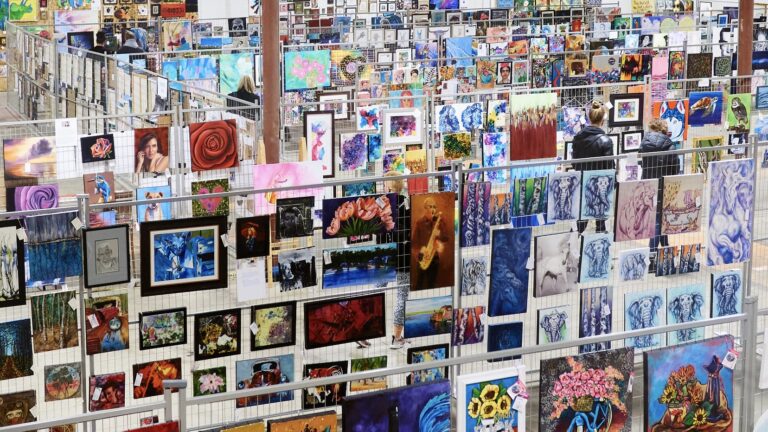
There is also the matter of style. We are seeing a bit of a homogenization in some digital spaces because the AI tends to lean toward what is popular in its training data. To stand out, human artists are actually leaning back into traditional methods—thick oils, messy charcoal, and tactile textures—to contrast the sterile perfection of digital renders. This tension between the organic and the synthetic is defining the current art movement. Rather than a total takeover, we are seeing a fascinating dialogue between man and machine that will likely shape the next decade of visual culture.
About the Author