Why rejection is just organic compost for your next big creative breakthrough.
Why are you preemptively burying your own potential before the soil even has a chance to warm up?
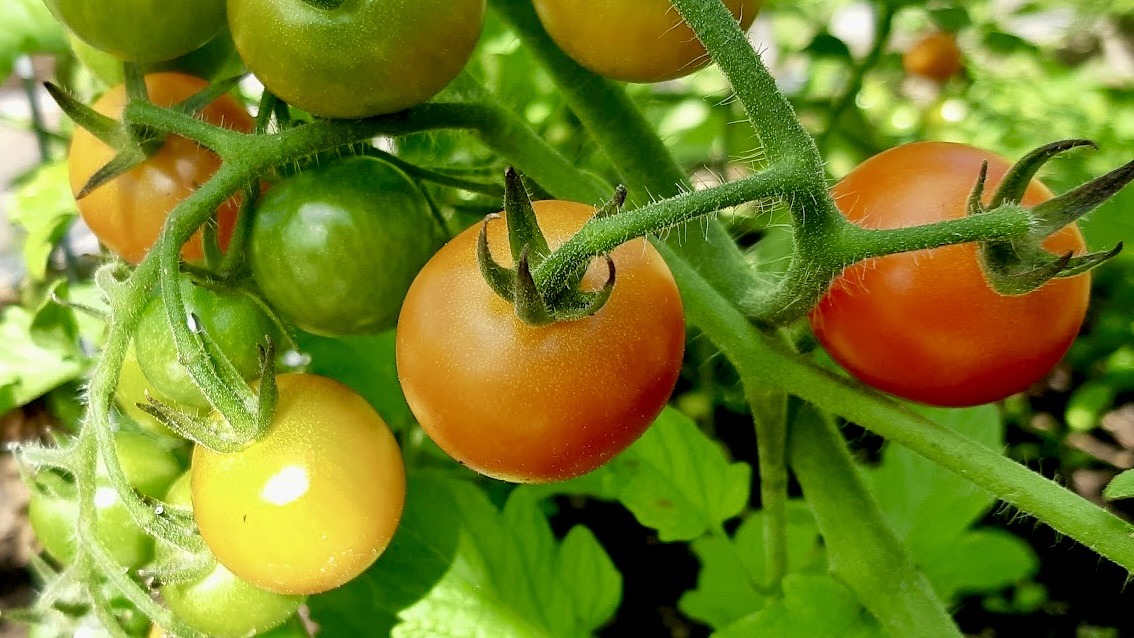
You hear the whispers from the edges of the garden—peers who have already given up, mentors who have grown cynical, the general humidity of a world that feels over-saturated. They tell you the climate isn’t right for your specific kind of growth. They say the grant is already spoken for, the residency is a closed loop, or the job is just a ghost listing designed to satisfy a board of directors. This is the rot of the mind, a parasitic discouragement that seeks to keep you dormant. But staying in the packet is a slow death. A seed that refuses to touch the dirt out of fear of the dark is just a tiny, hard casket for a dream. You are holding your breath while the world keeps turning.
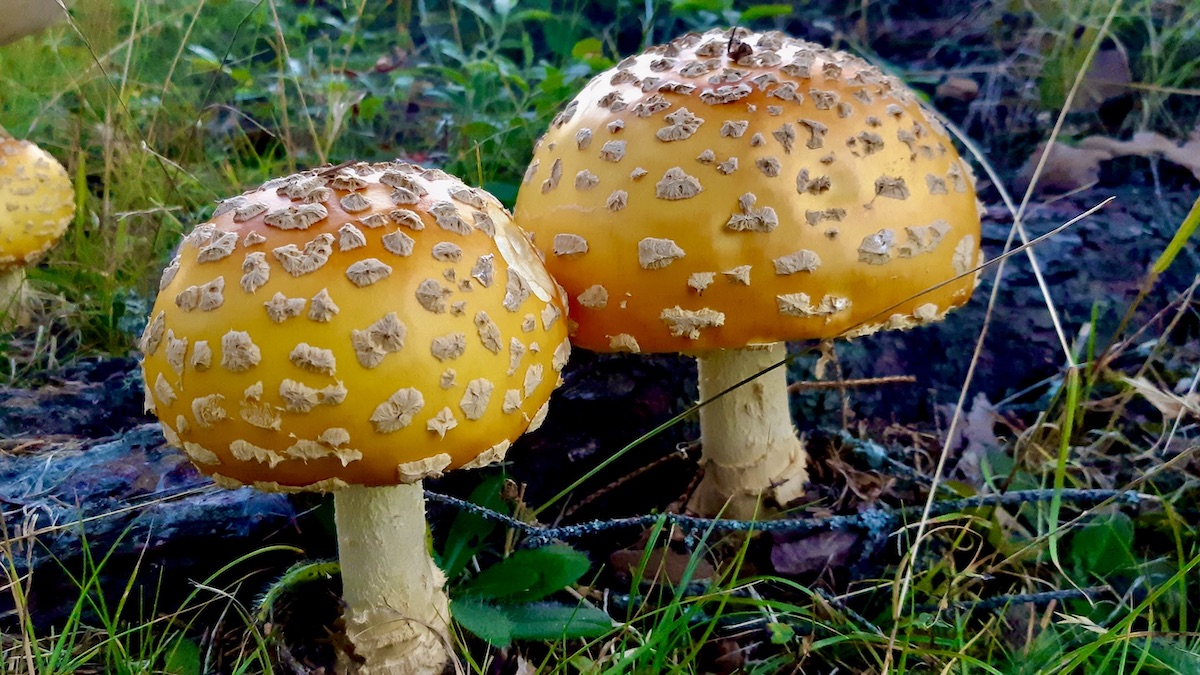
Applying is a biological imperative. It is the stretching of a radical, a tentative probe into the surrounding medium to see if there is any moisture or heat. When you hit “send” on that portal, you are essentially dropping organic matter into a complex, hidden network. Most people see an application as a transaction—effort in, reward out—but it’s actually more like casting spores into a high-velocity wind. You don’t know which one will find the right log to colonise, but if you hold onto your spores, you simply dry out and blow away into irrelevance. The “nothing” of not trying is a sterile, plastic void where nothing ever decays and nothing ever grows.
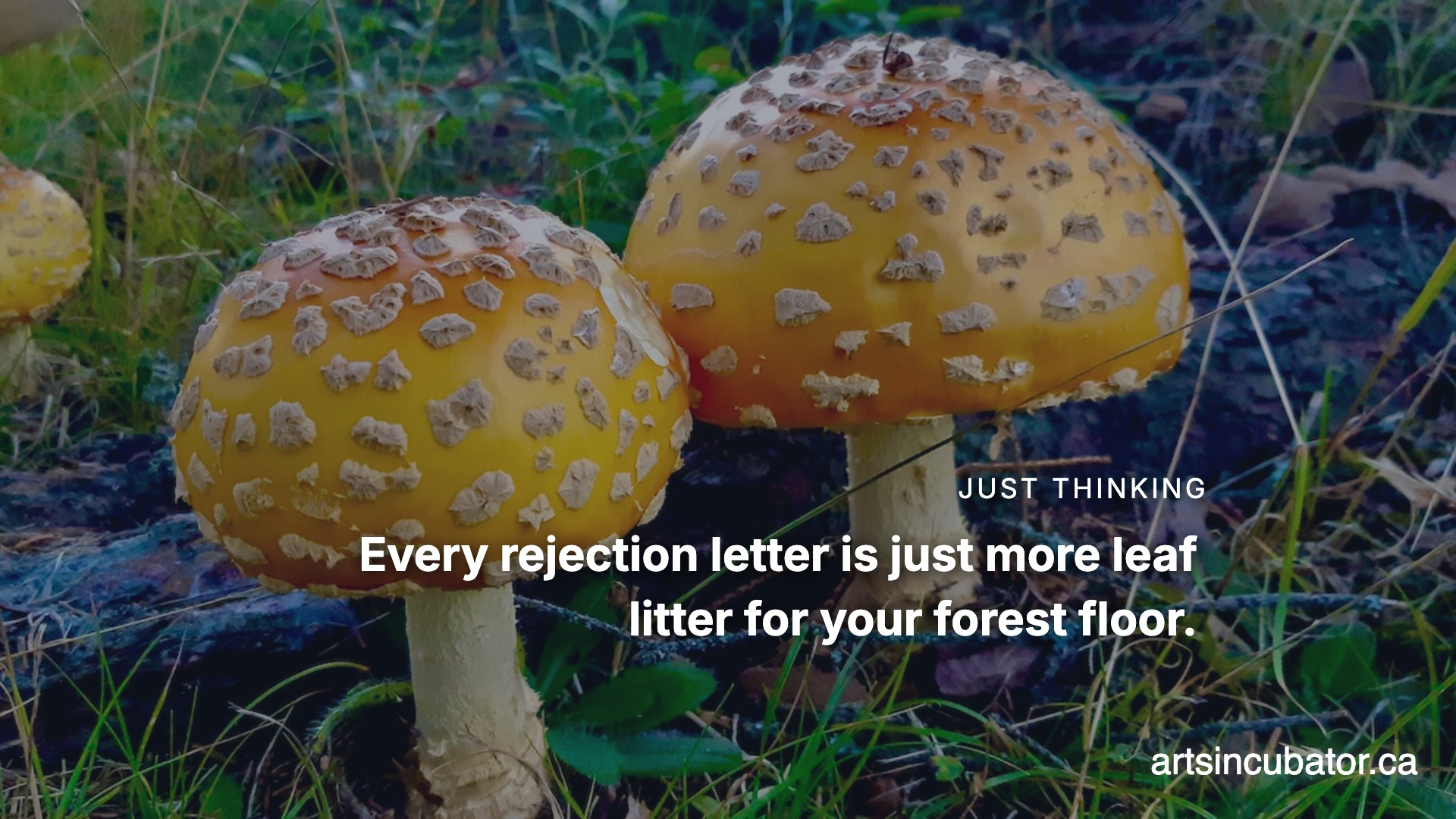
We have to talk about the nutrient density of the “no.” Every rejection letter is just more leaf litter for your forest floor. It feels like a failure of the season, a freezing of the sap, but in the long arc of a creative life, it is the essential decomposition required for a future bloom. You are building a layer of rich, dark experience that cannot be faked. The people who tell you not to apply are trying to keep their own plots tidy, predictable, and ultimately lifeless. They are afraid of the mess of a failed attempt. But a garden with no dead leaves is a garden that isn’t truly alive. You need the compost of your “almosts” to fuel the nitrogen of your eventual “yes.”
In this hyper-connected year of 2026, we are often treated like data points, but we are actually a tangled mess of mycelium. Your application might not get you the prize, but it registers your frequency in the network. It connects your roots to the adjudicator’s, to the system’s, to the collective consciousness of your peers who are also straining in the dark. You are signalling that you are a living organism ready to occupy space. The infrastructure of the arts and the economy expects you to self-select out. It wants the easy path of fewer candidates to process. By refusing to apply, you are doing the system’s weeding for it. You are helping them keep you out.
Stop trying to predict the harvest before you’ve even felt the grit under your fingernails. The uncertainty of the outcome is the very thing that allows for the possibility of a mutation—a sudden, unexpected success that defies the logic of the skeptics and the algorithms alike. You are a perennial force, and your job is to keep pushing through the heavy, indifferent earth of 2026. The guarantee of nothing is the only true frost that can actually kill the spirit. Everything else is just weather. Just friction. Just the necessary struggle of breaking the surface. Keep casting. Keep reaching. Let the rejection rot into the soil and wait for the moment the ground finally heaves.
Thoughts on art and the state of the world!
This section presents reflections, observations, and commentary on issues affecting communities in Manitoba, Northwestern Ontario, and beyond. It focuses on local perspectives, community dynamics, and topics relevant to residents, offering insight into social, cultural, and civic matters.
Content is designed to inform, provide context, and highlight developments or considerations that impact everyday life and community well-being. Readers can engage with current discussions, explore diverse viewpoints, and stay connected to ongoing conversations shaping the region.
Explore more on our thoughts page.
About the Author