Traveling by train in Winnipeg is a beautiful experience. Except when the train is late.
A Century of History on the Rails
Winnipeg’s Union Station is more than just a transit hub—it’s a cornerstone of the city’s history and a striking example of early 20th-century architecture.
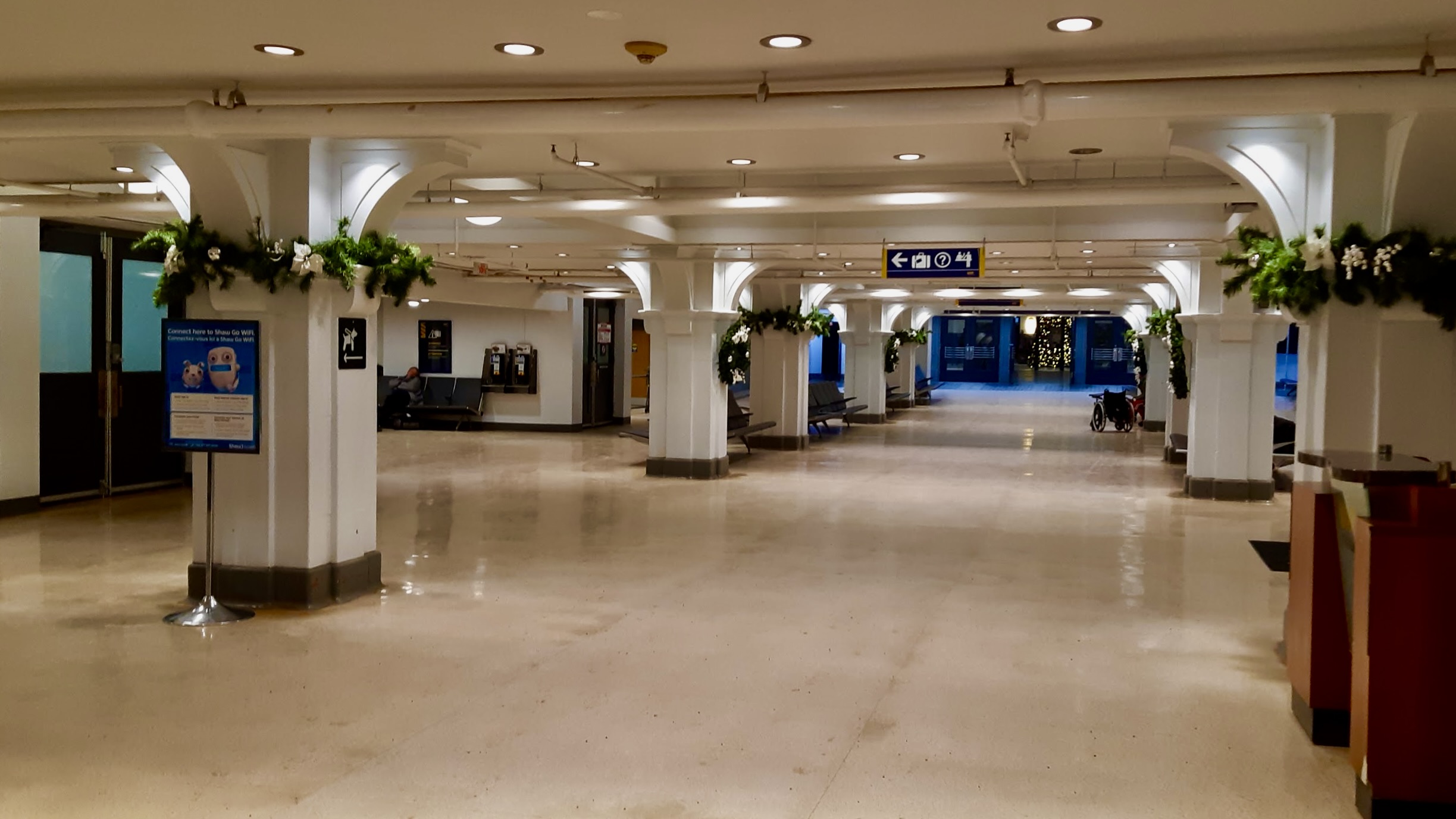
Opened in 1911, the station was built during a period when rail travel was the lifeblood of Canada, connecting Winnipeg to the rest of the country and cementing its role as a key transportation and commercial hub in the prairies. The building itself is a grand example of Beaux-Arts design, with its tall columns, intricate stonework, and sweeping interior spaces that give travelers a sense of occasion every time they enter.
Over the decades, Union Station has seen countless arrivals and departures, from the daily commuters to those embarking on long cross-country journeys. It has witnessed the hustle of war-time troop movements, the excitement of new immigrants stepping off the train with dreams in their pockets, and the quiet moments of farewell and reunion that define any city’s heartbeat. Despite modern changes to the way we travel, the station has retained its historic charm, a living reminder of Winnipeg’s golden age of rail.
Today, Union Station is more than a functional space—it’s a destination. Visitors can admire the grand hall, explore the heritage features, or simply pause to imagine the stories that have unfolded there over more than a century. It stands as a proud symbol of Winnipeg’s past, a gateway to the city, and a celebration of the vital role railways played in shaping Canada’s heartland.
About the Author