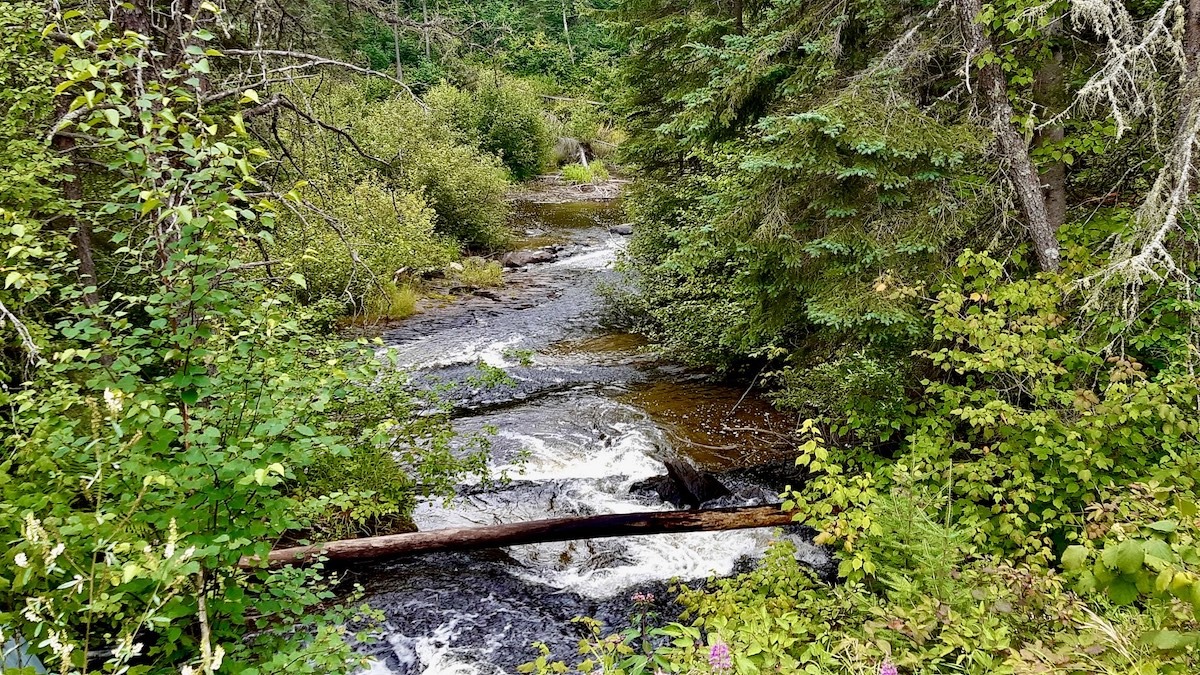
Bear Creek in Melgund Township, Northwestern Ontario.
Federal Regulators Outline Key Concerns for Revell Deep Geological Repository
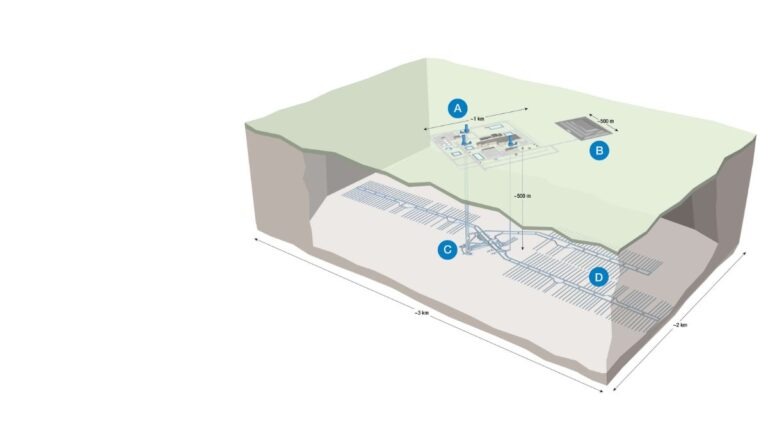
On February 16, 2026, the Impact Assessment Agency of Canada (IAAC), in partnership with the Canadian Nuclear Safety Commission (CNSC), released the Summary of Issues for the proposed Deep Geological Repository (DGR) for Canada’s used nuclear fuel. The project, led by the Nuclear Waste Management Organization (NWMO), is planned near the Revell site in Northwestern Ontario and represents one of the most significant long-term infrastructure initiatives in Canadian history.
The Summary of Issues compiles feedback submitted during the public comment period on the Initial Project Description. It reflects input from federal and provincial agencies, Indigenous Nations and organizations, regional stakeholders, and members of the public. The document plays a central role in determining whether a full federal impact assessment will proceed and helps shape the scope of what must be studied in detail. Canadians can review the complete Summary through IAAC’s online registry.
Among the most prominent themes are questions about geological stability and long-term containment of radioactive materials. Submissions raise concerns about host rock suitability, potential seismic activity, groundwater protection, and the durability of engineered barriers designed to isolate used nuclear fuel for thousands of years. Environmental considerations extend to potential cumulative effects on forests, wetlands, wildlife habitat, and regional water systems.
The transportation of used nuclear fuel from reactor sites to the proposed repository also emerged as a major national issue. Stakeholders emphasized accident risk, route selection, emergency preparedness capacity, and the condition of transportation infrastructure. Climate-related disruptions, such as flooding or wildfire impacts on corridors, were also identified as important factors requiring analysis within the integrated assessment process.
In addition to environmental matters, the Summary of Issues documents concerns about community health, long-term economic sustainability, and social cohesion. Residents highlighted the potential for housing shortages, pressure on local services, changing property values, and uneven distribution of benefits. Given the project’s expected multi-generational lifespan, participants stressed the importance of responsible planning that supports stable, inclusive growth rather than temporary economic surges.
Indigenous rights, governance, and cultural continuity are central components of the Summary. Submissions call for meaningful consultation, incorporation of Indigenous Knowledge, and careful assessment of impacts on treaty rights, harvesting practices, and culturally significant landscapes. The document underscores the need for ongoing dialogue and transparency as the regulatory process continues.
For communities closest to the proposed site — including Borups Corners and Dyment — the issues identified are immediate and practical. The Melgund Integrated Nuclear Impact Assessment (MINIA) Project is examining localized environmental, social, and economic implications in these areas to better understand cumulative impacts. Community participation in the IAAC review process is essential to ensure local perspectives meaningfully inform federal decision-making.
The release of the Summary of Issues marks a critical phase in the assessment of the Revell Deep Geological Repository. Reviewing the document and submitting comments allows individuals, communities, and organizations to contribute to how long-term nuclear waste management is evaluated in Canada. Access the full Summary and project materials through IAAC’s project registry.
About the Author