Transform your gallery with salvaged timber pedestals to create stunning, eco-friendly displays while saving your precious budget.
Embracing Natural Log Plinths as a Sustainable and Cost-Effective Alternative to Traditional Gallery Display Pedestals
This year, we’re supporting the creation of a gallery and heritage space. But it’s empty. So we thought, what’s an easy way to create the things we need? And how can we do it on a reasonable budget?
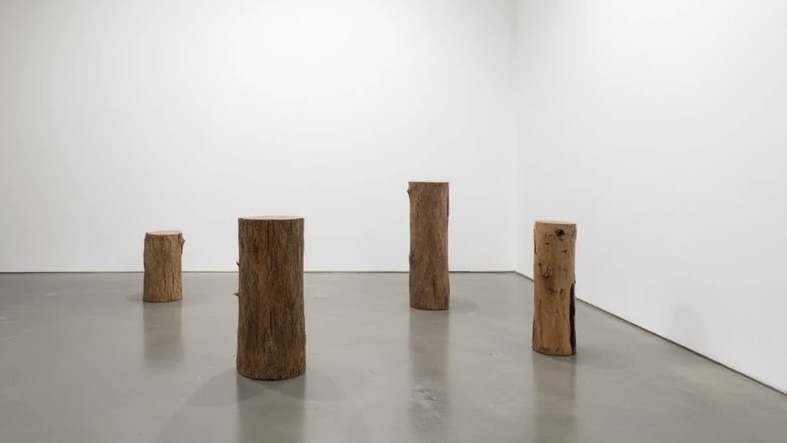
In the world of high-end art galleries, the “white cube” aesthetic is king, typically involving pristine, perfectly geometric plinths or pedestals finished in flat white paint to create a neutral backdrop for artwork. However, for emerging artists,non-profit organizations, or galleries located in timber-rich regions, these traditional displays can be surprisingly expensive to build, transport, and maintain. The use of log pedestals, as seen in the provided image, offers a compelling,eco-friendly alternative that bridges the gap between high-end curation and environmental consciousness.
Sustainability is a primary benefit of this approach, as log plinths are biodegradable and return to the earth without leaving behind chemicals, unlike traditional MDF pedestals which often contain resins and glues. These natural mounts also serve as a method of carbon sequestration, locking carbon in the wood rather than releasing it through industrial processing. For regions with abundant forests, these can be sourced locally from “fall-down” wood or storm-cleared debris, virtually eliminating the carbon footprint associated with shipping gallery furniture.

Designing on a budget
From a financial perspective, log plinths represent a budget-friendly revolution for the arts. While building a professional-grade hollow plinth requires carpentry skills, specialized tools, and expensive finishing materials, nature has already performed the structural work for a log pedestal. A simple level cut on the top and bottom is often the only requirement, providing a “ready-made” solution with zero construction costs. Furthermore, solid wood is incredibly resilient and durable, often gaining character as it ages rather than chipping or denting like traditional drywall or MDF boxes.
Visually, this “rustic-minimalist” aesthetic breaks the sterile atmosphere of a traditional gallery by providing a stunning organic contrast to smooth ceramics, glasswork, or polished bronze. The varying heights and natural diameters of the logs create a rhythmic, forest-like environment that encourages visitors to move through the space more fluidly. Embracing the materials of the local landscape, galleries can reduce their overhead while making a bold statement about sustainability and the beauty of the natural world.
About the Author