How rethinking your existing resources can unlock radical new paths for your community.
Innovation is often marketed as a high-tech, expensive endeavor reserved for labs and boardrooms. But for the grassroots leader, innovation is something much more visceral and immediate. It is the art of the remix. It is the ability to look at a pile of constraints and see a blueprint for something entirely new.
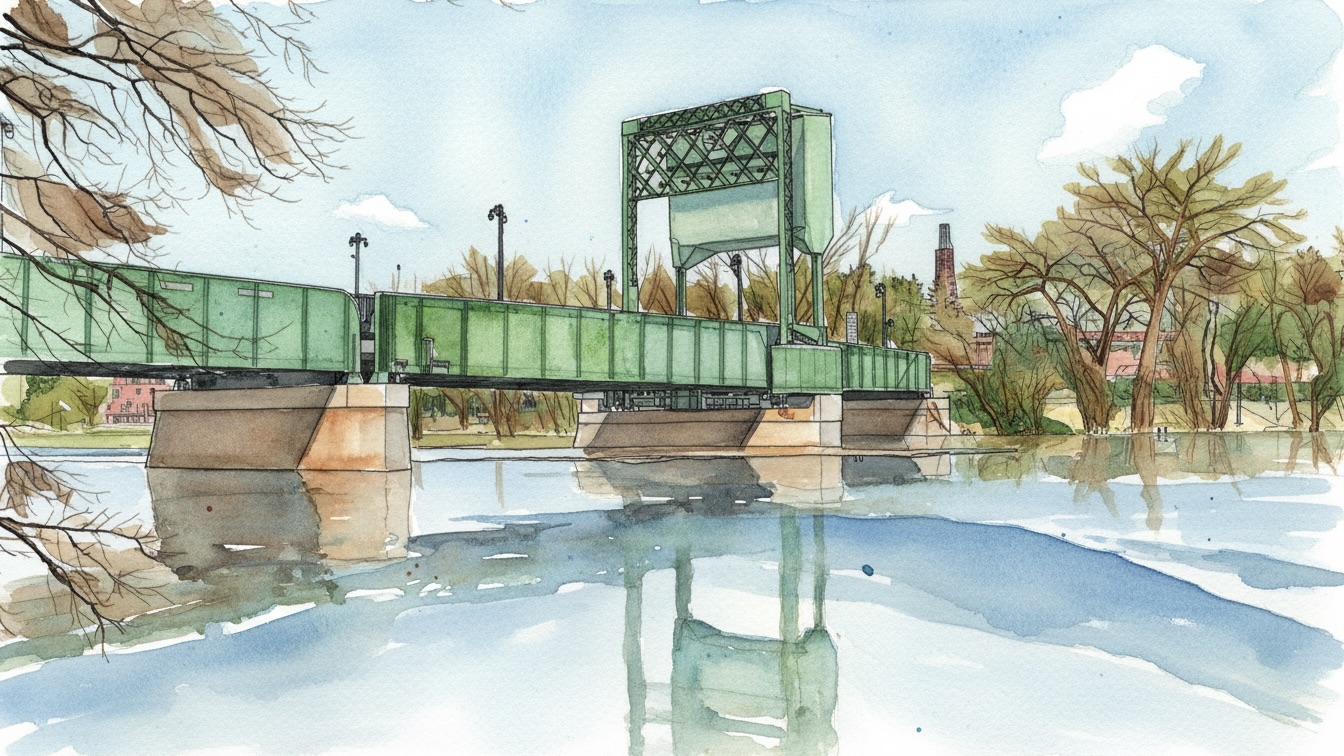
In our world, innovation isn’t about inventing a new tool; it is about finding a radical new use for an old one. It is the bridge built between the resources you lack and the vision you hold.
Why does this matter? For a small arts organization, innovation is the only way to bypass the gatekeepers who hold the keys to traditional success. If we wait for the perfect grant, the perfect venue, or the perfect timing, we might wait forever. Innovation allows us to move now. It turns our smallness into an advantage. Because we are nimble, we can experiment in ways that large, bureaucratic institutions cannot. We can fail fast, learn quickly, and pivot without needing a board meeting. For us, innovation is survival, but it is also our greatest creative outlet.
One of the most powerful innovative approaches you can adopt is what we call the Distributed Venue model. Instead of sinking your limited budget into the overhead of a permanent physical space, you treat your entire neighborhood as your floor plan. This isn’t just about finding a temporary spot for a show; it is about building a symbiotic network with non-arts partners. Think about the local businesses, community centers, or even residential spaces that sit empty during specific hours. A laundromat that is quiet on Tuesday nights can become a pop-up poetry lounge. A cafe that closes at 4 PM can become a rehearsal space for a theater collective. A hardware store parking lot can become an outdoor cinema.
This approach is innovative because it solves two problems at once: it provides you with a low-cost venue and it brings art directly to people who might never step foot in a traditional gallery. It creates a shared footprint where the overhead is distributed, and the audience is built-in. To make this work, you don’t need a massive contract; you need a conversation. You approach a business owner not as a beggar, but as a partner. You offer to bring foot traffic, energy, and community value to their space during their downtime. This is innovation through relationship-building rather than capital investment.
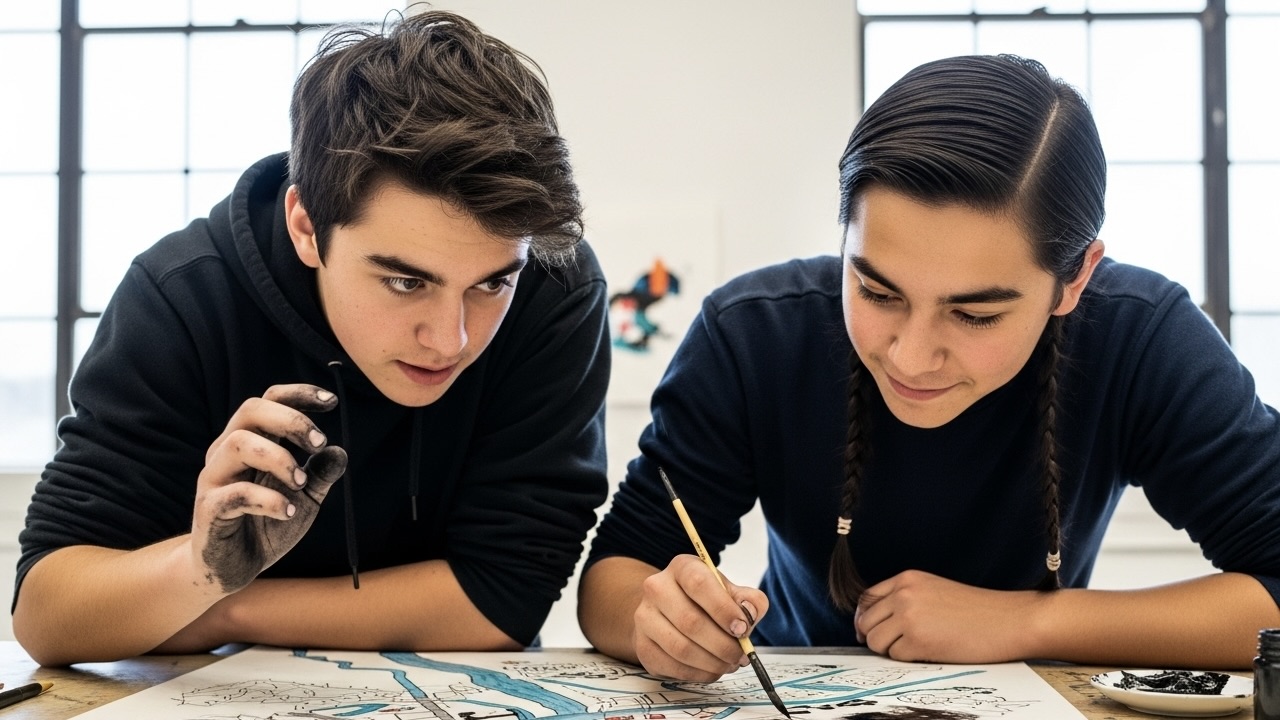
Applying this mindset requires you to become a student of your surroundings. Start by mapping your community. Who has space? Who has tools? Who has a platform? When you stop seeing these as non-arts entities and start seeing them as potential collaborators, the world opens up. You realize that you don’t need to own the means of production to produce something incredible. You just need the creativity to connect the dots that others have overlooked.
Innovation is ultimately a refusal to be stopped. It is the realization that a lack of money is not a lack of opportunity. When you embrace the scrappy science of making do, you stop being a victim of your circumstances and start being the architect of your own reality.
Keep looking at your neighborhood with fresh eyes.
The resources you need are already there; they are just waiting for you to reimagine them. You are not defined by what you have, but by how you use it.
Northern Arts and Regional Innovation
This is a collaborative initiative by The Arts Incubator Winnipeg and the Art Borups Corners art collective, supporting artists and creative projects in Melgund Township, Northwestern Ontario. Our groups champion rural arts development, community programming, Indigenous arts partnerships, and cultural innovation—strengthening the local and regional arts sector through mentorship, exhibitions, digital media, and sustainable creative entrepreneurship. Our events and activities include artists from Melgund Township, Winnipeg, Ignace, Sioux Lookout, Dryden, and beyond. You read more innovation-focused posts here.
About the Author