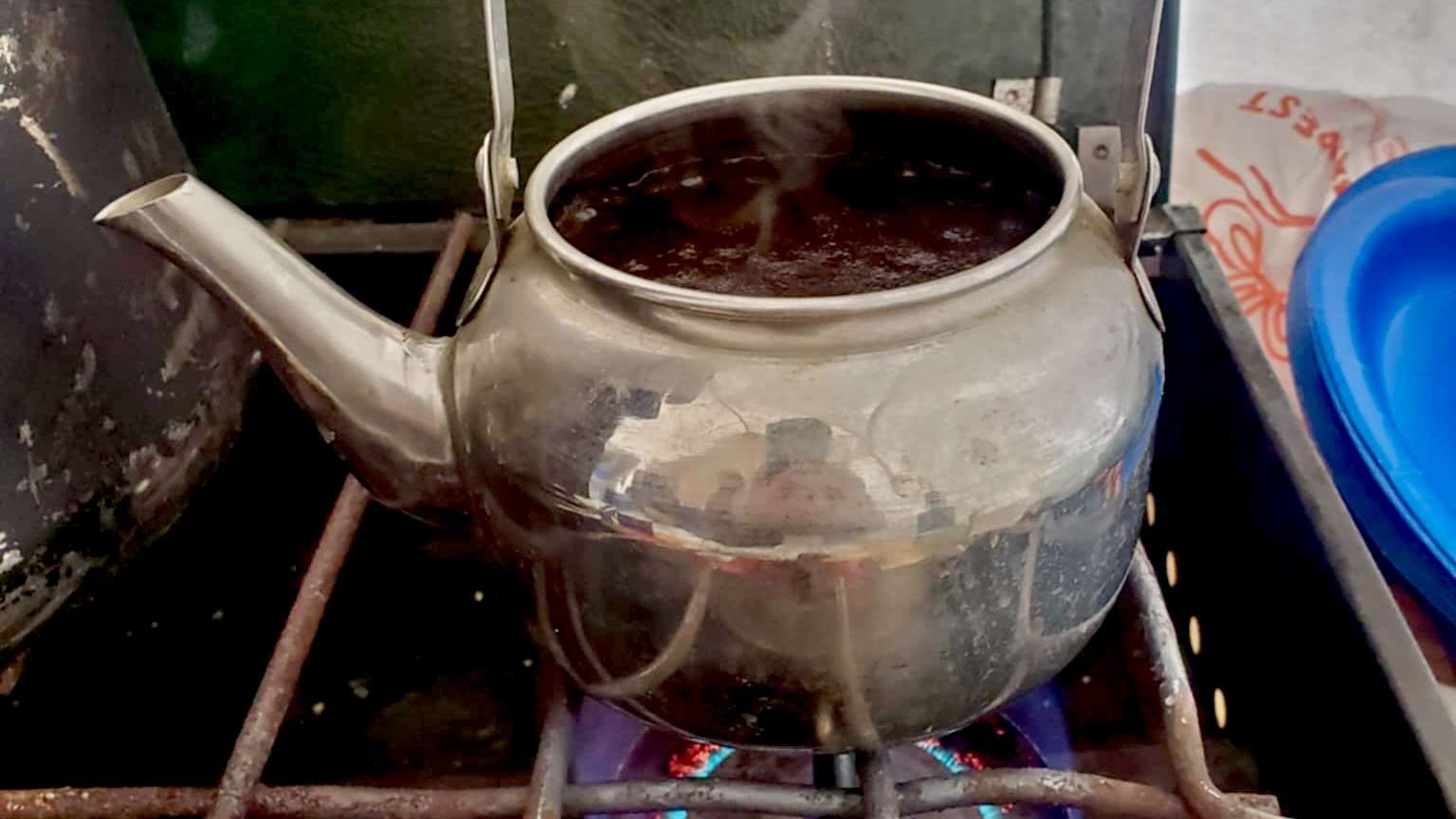
How low-stakes constraints and quick iterations build a culture of genuine creative innovation.
Innovation is often sold to us as a shiny, expensive commodity—something that happens in glass-walled offices with unlimited budgets.
For many of us in the grassroots world, innovation is actually a survival skill. It is the art of looking at a stack of milk crates and seeing a seating chart, or taking a broken projector and turning its glitch into a visual aesthetic. To build a mindset of innovation within your small organization, you have to stop waiting for the right tools and start playing with the ones you have. Innovation is not a destination; it is a muscle that you build through the practice of the scrappy experiment.
Why does this matter for small arts organizations? Because we are often the ones who are most agile. While large institutions are bogged down by committees and three-year strategic plans, you have the freedom to try something on Tuesday and learn from it by Wednesday. This agility is your greatest competitive advantage. When you incubate a mindset of innovation, you shift your culture from one of scarcity to one of generativity. This mindset protects you from the paralyzing fear of failure because, in a scrappy experiment, there is no such thing as failure—only data. When you lower the cost of trying, you raise the frequency of breakthroughs.
The best way to foster this is through low-stakes project ideas that prioritize speed over polish. Consider the 24-Hour Gallery or the Found-Object Workshop. The goal of these projects isn’t to create a masterpiece; it is to force your team to solve problems in real-time. When you give yourselves a strict time limit or a bizarre constraint—like only using materials found within one block of the studio—you bypass the ego. You stop worrying about whether the work is good and start focusing on whether it works. This creates a psychological safety net. It teaches your collaborators that their value isn’t tied to a perfect outcome, but to their ability to adapt and iterate.
Another powerful project idea is the Failed Idea Archive. Instead of hiding the projects that didn’t work, give them a seat at the table. Once a month, host a session where everyone shares a project idea that fell flat or a solution that didn’t stick. Analyze them with curiosity rather than judgment. This normalizes the process of trial and error. It shows your team that innovation requires a high volume of attempts. If you only ever execute the safe ideas, you aren’t innovating; you’re just repeating. Innovation lives in the messy periphery where things are slightly broken and entirely new.
We also need to rethink our relationship with the word no. In a grassroots environment, you will hear it constantly—no budget, no venue, no permission. A mindset of innovation treats no as a design constraint. If you can’t get the permit for a park event, how does that change the shape of the project? Maybe it becomes a series of mobile performances that never stop moving. Maybe it becomes a digital intervention. These pivots aren’t compromises; they are the birth of original thought. The most innovative projects are often the ones that had to fight the hardest to exist, because the friction of reality forced them into a unique shape.
You don’t need a lab to be an innovator. You just need a project that challenges you to think beyond the obvious path. Start small, stay curious, and lean into the constraints. The beauty of the grassroots world is that we are not bound by tradition or bureaucracy. We are bound only by our imagination and our willingness to try.
Every time you solve a problem with tape and string, you are training your brain to see possibilities where others see walls.
That is the true heart of innovation. Keep experimenting and keep looking for the yes hidden inside every no.
Northern Arts and Regional Innovation
This is a collaborative initiative by The Arts Incubator Winnipeg and the Art Borups Corners art collective, supporting artists and creative projects in Melgund Township, Northwestern Ontario. Our groups champion rural arts development, community programming, Indigenous arts partnerships, and cultural innovation—strengthening the local and regional arts sector through mentorship, exhibitions, digital media, and sustainable creative entrepreneurship. Our events and activities include artists from Melgund Township, Winnipeg, Ignace, Sioux Lookout, Dryden, and beyond. You read more innovation-focused posts here.
About the Author