Why being small allows for the kind of intimacy that large institutions cannot replicate.
The world is obsessed with the idea of more. We are told that if our audience isn’t doubling every year, we are stagnant.
But for those of us leading grassroots arts projects, this metrics-driven mindset is a distraction from our most vital work: building deep, authentic community. You do not have to be big to be meaningful. In fact, being small is often the very thing that allows your work to be honest, responsive, and truly transformative.
Why does this perspective shift matter so much for young leaders? Because when we equate size with success, we inadvertently start treating people like data points. We look for reach instead of resonance. In a large organization, the layers of bureaucracy required to manage scale often act as a barrier between the leadership and the community. As a small organization, you have the rare gift of proximity. You are not a distant institution; you are a neighbor. This proximity builds a level of trust that money cannot buy. When you are small, your community isn’t just a target audience; they are your co-creators and your support system.
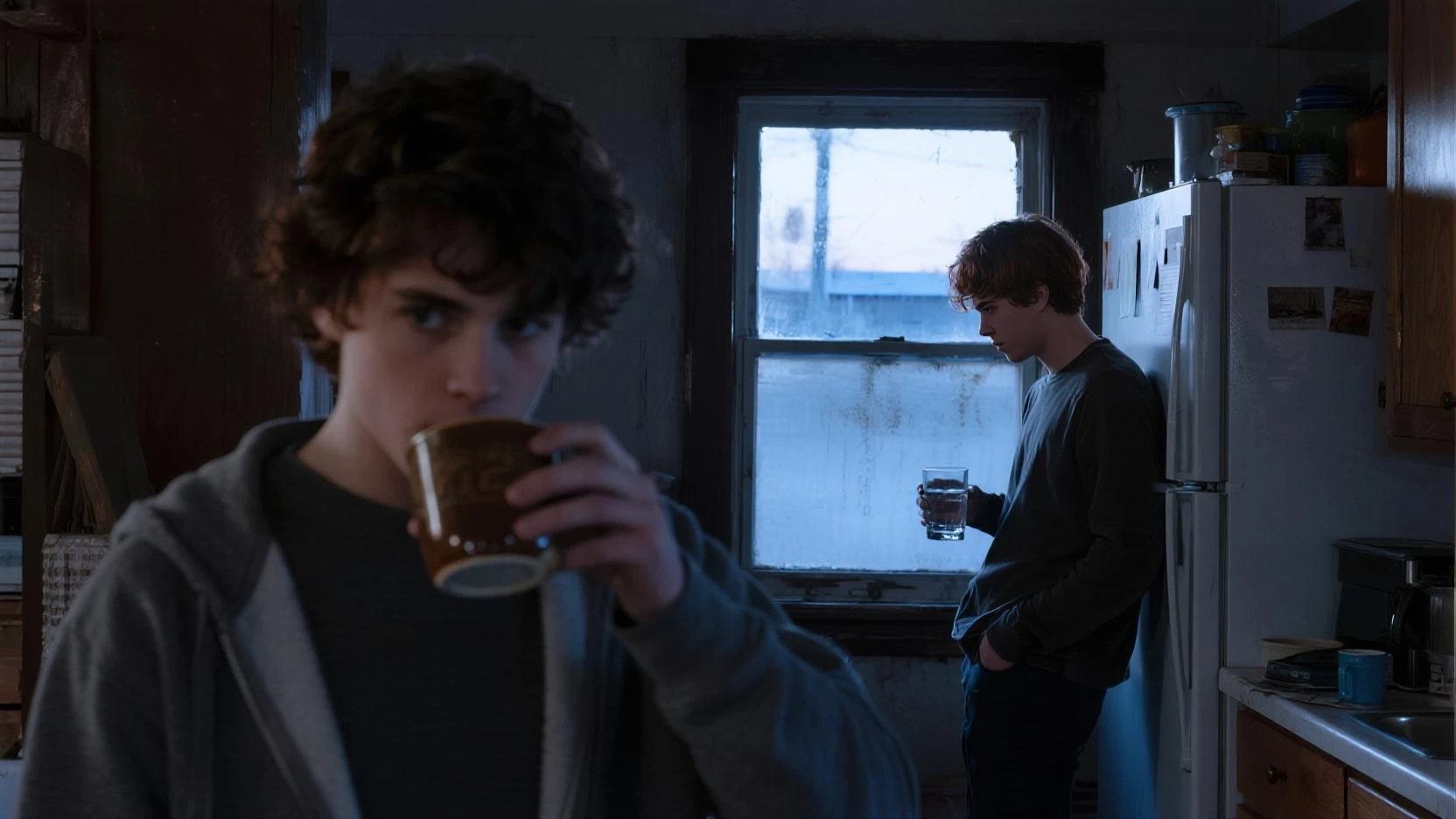
So, how do we lean into the power of smallness? We start by prioritizing the Table for Eight principle. Think about the last time you had a truly life-changing conversation. It probably didn’t happen in a stadium; it happened around a kitchen table or in a small circle of friends. Apply this to your arts leadership. Instead of stressing over how to fill a massive hall, focus on how to make a small room feel electric. When you create an intimate environment, you lower the stakes for experimentation and raise the potential for connection. Participants feel seen and heard, which turns them from passive observers into active stakeholders in your mission.
Another key approach is to embrace Hyper-Local impact. Instead of trying to change the whole city, try to be the most vital creative hub on your specific block. When you focus your energy on a specific neighborhood or niche, you can address real, tangible needs. You can learn the names of the local business owners, the history of the park down the street, and the specific dreams of the youth in your area. This depth of knowledge allows you to create art that feels essential rather than decorative. You become a thread in the actual fabric of the place where you live.
Finally, remember that smallness is a form of resilience. Large organizations are often fragile because they require massive amounts of external funding to survive. They are beholden to the whims of major donors and political shifts. A small, community-rooted organization is built on the far more stable foundation of mutual aid and shared resources. If one door closes, the community opens a window. Your overhead is low, but your social capital is high. This makes you more durable in the long run.
Small is not a temporary state or a waiting room for becoming big. It is a valid, powerful, and often superior way to exist. It allows you to stay agile, stay human, and stay true to your vision.
Success isn’t a headcount; it’s the strength of the bond you share with the people around you. You have everything you need to make an impact right now, in the space you currently occupy.
Keep it small, keep it real, and keep going.
Northern Arts and Regional Innovation
This is a collaborative initiative by The Arts Incubator Winnipeg and the Art Borups Corners art collective, supporting artists and creative projects in Melgund Township, Northwestern Ontario. Our groups champion rural arts development, community programming, Indigenous arts partnerships, and cultural innovation—strengthening the local and regional arts sector through mentorship, exhibitions, digital media, and sustainable creative entrepreneurship. Our events and activities include artists from Melgund Township, Winnipeg, Ignace, Sioux Lookout, Dryden, and beyond. You read more innovation-focused posts here.
About the Author