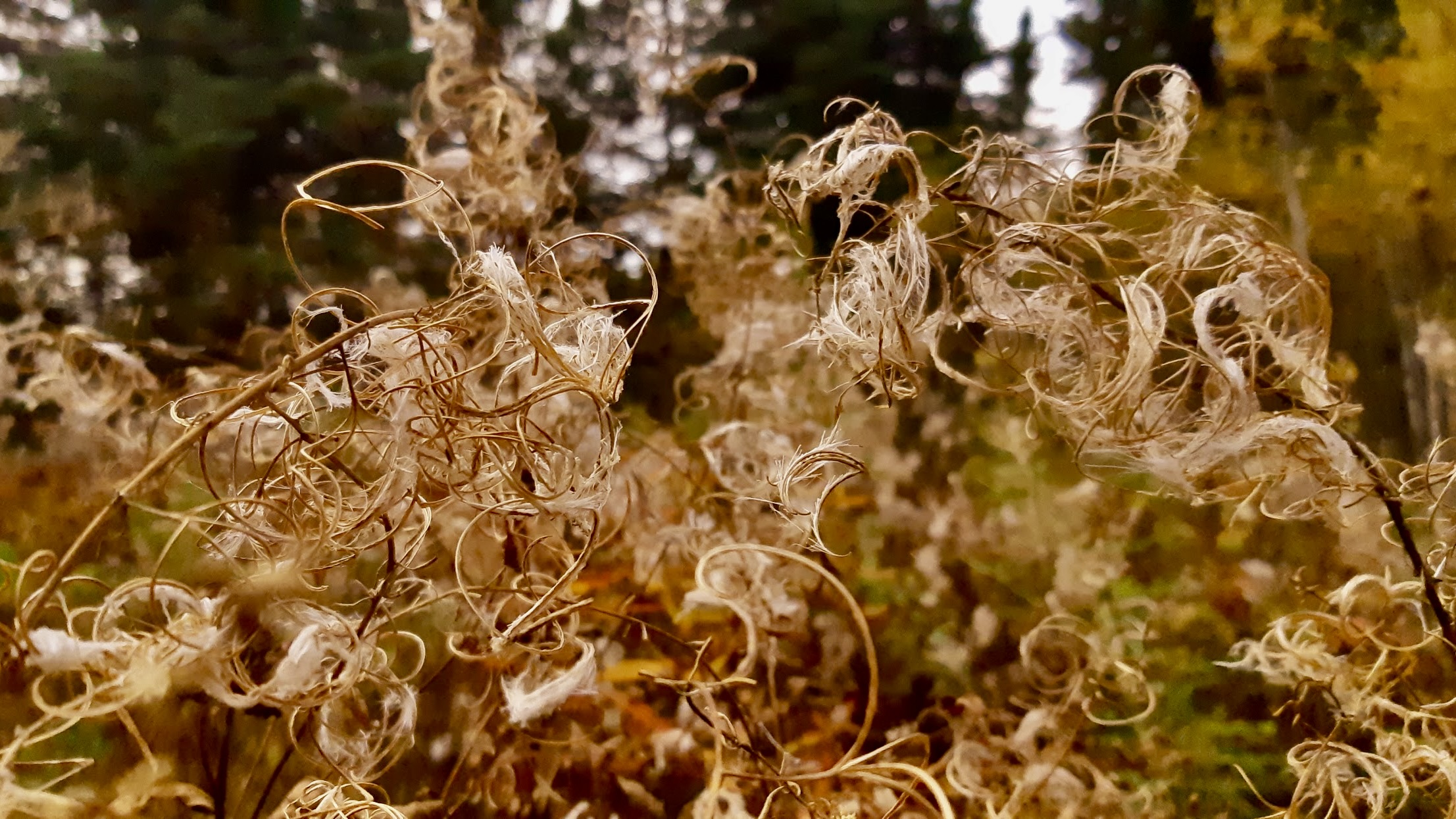
Six Milkweeds to Join Our Meadow
As the snow finally retreats across Northwestern Ontario, our community is gearing up for something big. We are officially kicking off year one of a three-year regenerative agriculture program, and the goal is as beautiful as it is vital: transforming our local landscape into a sprawling Monarch butterfly sanctuary.
This is the fourth year of our arts incubator’s land lab program, and we’re really excited for this next phase.
In the world of regenerative gardening, we focus on healing the soil and bringing back the native species that belong here. Milkweed is the star of this show because it is the only plant Monarch caterpillars can eat. By planting a diverse mix of milkweed, we aren’t just growing a garden—we’re building a self-sustaining ecosystem.
Here are the six varieties we are falling in love with this season:
The Meadow Icons: Common & Showy Milkweed
If you have ever walked through an Ontario field and caught a scent like honey and cloves, you’ve met Common Milkweed. It is the classic “anchor” for any meadow, growing tall with large, fuzzy leaves and spreading underground to create lush, wild patches.
Right beside it, we are planting Showy Milkweed, which lives up to its name with star-shaped, velvety pink flowers. It is incredibly drought-tolerant, making it a “warrior” plant that can handle our hottest summer days once its roots are deep.
The Refined Pair: Pink & White Swamp Milkweed
Don’t let the name fool you—you don’t need a literal marsh for Swamp Milkweed! While it loves the dampest spots in the garden, it is one of the most elegant varieties available.
Unlike the Common variety, it grows in neat, upright clumps. This year, we are planting both the Pink (Rose) and the White (Ice Ballet) varieties together to create a stunning, high-contrast look that bees and butterflies will find irresistible.
The High-Energy Duo: Butterfly Milkweed & Blood Flower
For a pop of brilliant color, we are counting on Butterfly Milkweed.
This shorter, bushy plant produces neon-orange clusters that act like a giant beacon for passing pollinators. Finally, we have the Blood Flower (also known as Tropical Milkweed).
While this variety is a tropical guest that won’t survive our -40°C winters, it grows at a lightning pace. It serves as our “bridge” plant, providing plenty of leaves and nectar for the Monarchs this very summer while our native perennials are busy getting their roots established.
It will take time!
Establishing a thriving milkweed habitat is a long-term commitment to the land, as these native perennials focus almost entirely on root development during their first year. While we might see some green growth this summer, it often takes two or three full seasons for the plants to establish the deep, robust root systems necessary to produce a profusion of blooms.
Two or three years from now, we should see the “realization” of the project hit its peak, as the established plants return with more vigor and nectar, creating a reliable, self-sustaining colony that can support generations of Monarchs to come.