Exploring Birch Bark’s Unique Role in Pit Firing, Smoke Atmospheres, and Carbon-Rich Ceramic Surfaces
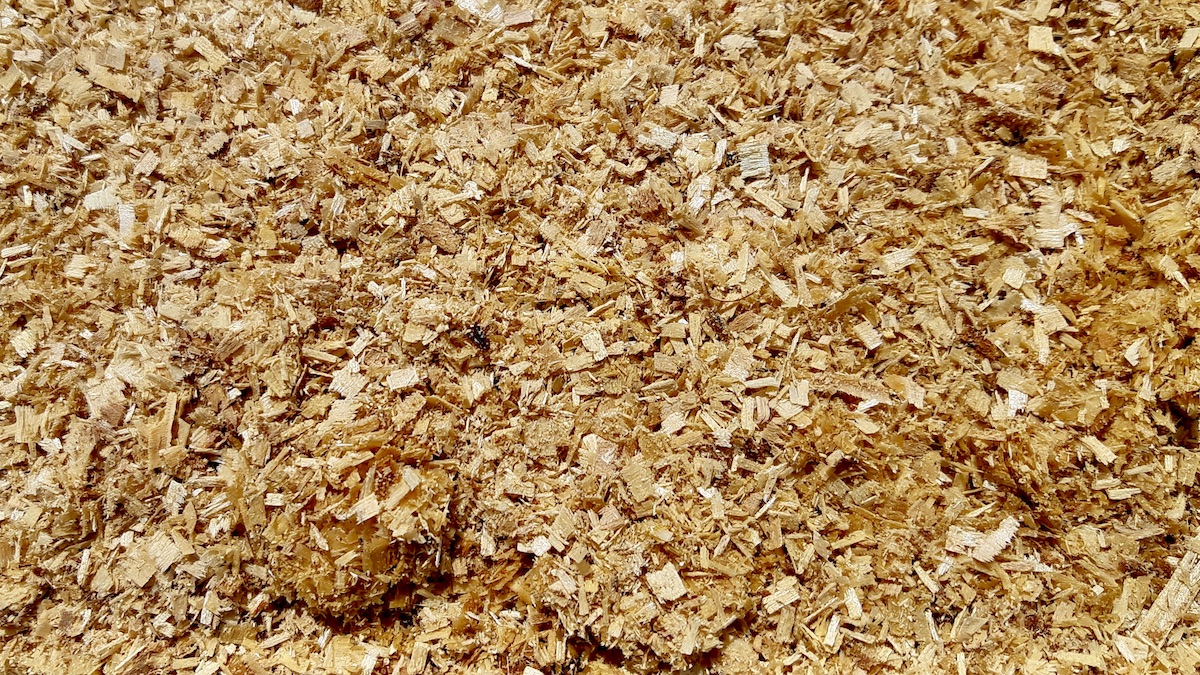
There’s a particular kind of sawdust that looks like pale gold and smells faintly of wintergreen and old paper. It comes from birch bark, and if you are planning an autumn pit fire, it deserves its own bucket rather than a mixed bag of hardwood scraps from the back of a cabinet shop.
Most potters treat sawdust as little more than filler. They spread it across the bottom of a pit because someone once told them to, a bedding layer beneath copper carbonate, seaweed, banana peels, or salt. Birch bark sawdust is different. It’s an active part of the firing, influencing the atmosphere that develops around the pottery as the fire burns.
Birch bark is rich in betulin, the white, waxy triterpene that makes the bark remarkably water resistant and famously easy to ignite. That chemistry gives birch bark sawdust its own character in a firing. Compared with many common hardwoods, it catches quickly, produces dense smoke, and leaves generous carbon deposits that can create rich black markings on burnished clay.
Fuel and Atmosphere
In pit firing, the fuel surrounding a pot shapes the finished surface as much as the clay itself. Every flame, ember, and pocket of smoke contributes to the colours and patterns that emerge. Fine birch bark sawdust settles closely around a piece, allowing smoke and carbon to reach recesses and textured surfaces that coarser wood chips often miss.
As oxygen becomes limited after the pit is covered or the fire settles into a long smoulder, the sawdust continues to generate smoke and carbon-rich gases. Those reducing conditions can influence metal oxides, deepen carbon markings, and create the soft flashes and smoky transitions that make pit-fired pottery so distinctive.
A layer of birch bark sawdust does more than cushion pots from the soil. It becomes an important part of the firing environment, producing the smoke that stains, darkens, and records the movement of the fire across the clay.
Reading the Smoke
The amount of sawdust you use changes the result. Packed tightly, it smoulders longer, creating oxygen-poor conditions that encourage deep carbon blacks and heavily smoked surfaces. Spread more loosely, it burns more quickly, producing shorter bursts of heat and lighter smoke patterns. Packing extra sawdust against one side of a pot can create dramatic contrasts between dark carbon markings and cleaner flashed areas.
Birch smoke is often noticeably dense and resinous, carrying fine carbon into burnished surfaces and terra sigillata. The resulting markings can have a fluid, layered quality, with soft transitions that resemble ink washes or weathered stone.
Outside the Pit
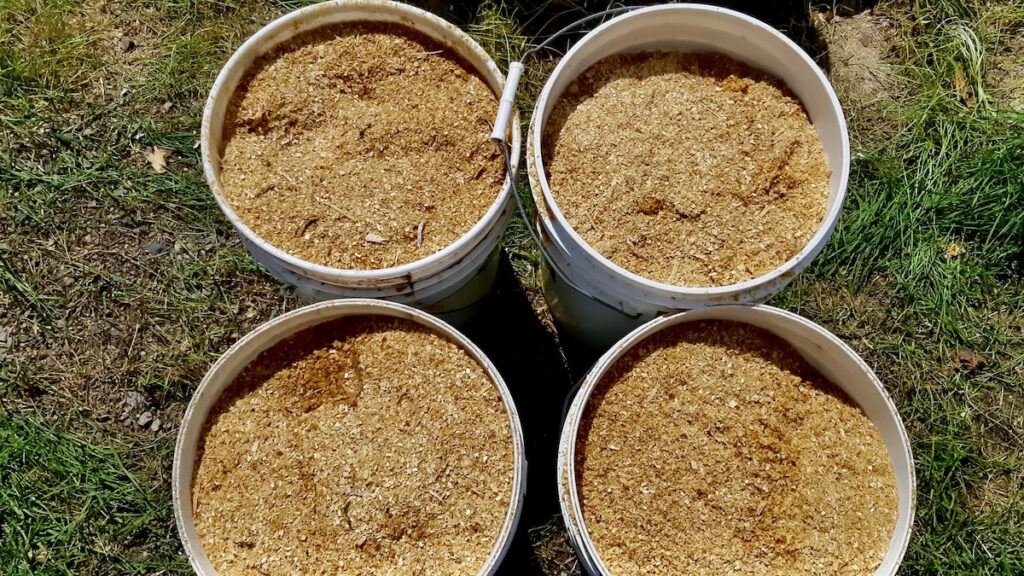
There’s another reason birch sawdust deserves attention: it represents a different way of thinking about materials. What’s often treated as waste from sawmills, woodshops, and processing operations can become a valuable part of the ceramic process. Instead of being discarded, these fine particles of bark and wood can be collected, stored, and returned to the fire, where they help shape the final surface of the pottery.
Pit firing has always been rooted in working with available materials, like soil, ash, minerals, plants, and wood and using birch sawdust continues that tradition of turning overlooked resources into creative tools.
Beyond the pit, birch sawdust is equally useful in smaller smoke-firing techniques.
A galvanized steel can with ventilation holes, layered with birch sawdust and foil-wrapped pots in a saggar-style firing, can produce hours of gentle reduction. It also performs well in barrel firings, where slow-burning smoke creates subtle halos and carbon shadows around slip-resisted designs. Some raku potters add a handful of birch sawdust to their reduction chambers immediately after removing hot pots from the kiln, using the rapid smoke production to encourage darker carbon deposits and metallic surface effects.
There are practical advantages as well. When kept dry, birch sawdust stores well and remains ready for future firings. It is lightweight, making it easier to transport to remote firing sites, and it is often available as a by-product from sawmills, woodturners, or anyone processing birch logs. For ceramic artists, it’s a reminder that useful materials are not always found in a supply catalogue — sometimes they’re the things left behind after another process is finished.
The Autumn Argument
Dig your pit a little deeper this fall.
Lay down a bed of birch bark sawdust, nestle your burnished work into it, and let the firing develop on its own terms. Pit firing has always been a collaboration between clay, fuel, and fire, and birch bark is one of the most expressive fuels you can add to that conversation.
When the pots emerge the next morning, dusted with ash and marked by smoke and carbon, you’ll understand why so many potters set aside a bucket of this pale golden sawdust whenever they can find it.