Why Pollinators and Early Foragers Love This Vibrant Wild Mustard
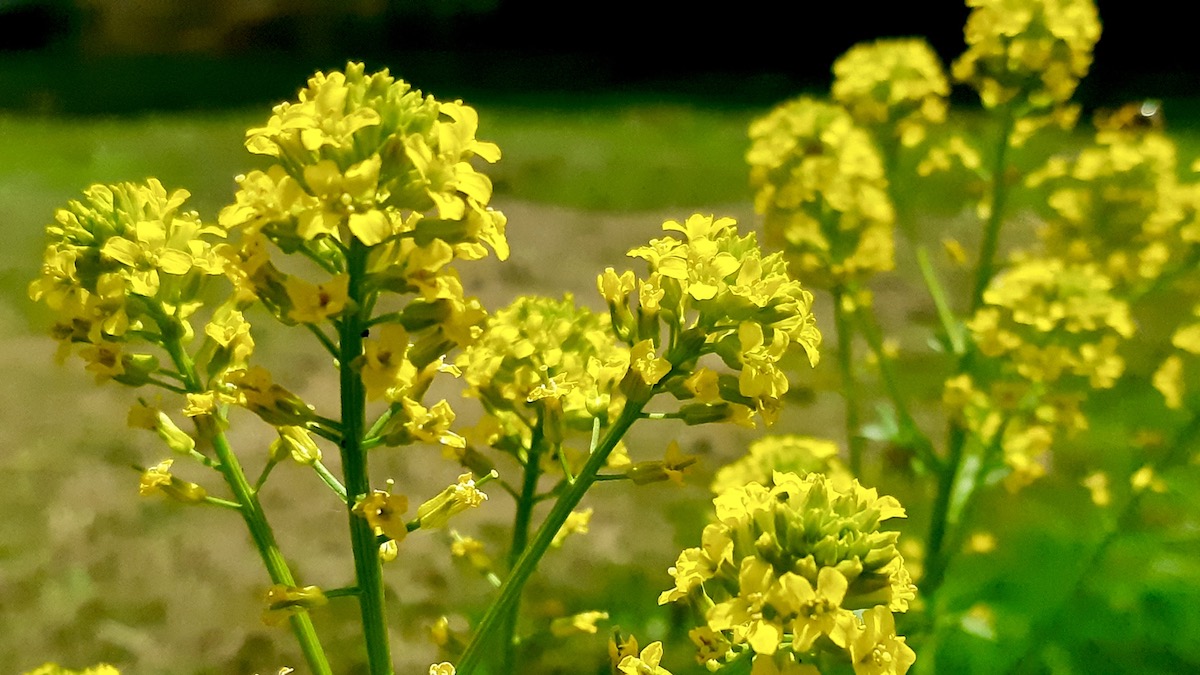
Driving past a roadside ditch or walking along the edge of a sunny meadow in early June often brings you face-to-face with brilliant blankets of yellow. If you look closely at these plants, you will see dense clusters of small, four-petaled flowers reaching for the sun. This eye-catching plant is Barbarea vulgaris, widely known as Yellow Rocket or Winter Cress. While some gardeners dismiss it as a stubborn weed, this hardy member of the mustard family has a rich history and plays a crucial role in our local ecosystem.
Long before it became a common sight along modern highways, people valued this plant for its resilience and nutritional value. The name Winter Cress comes from its ability to survive late into the autumn and emerge green under the snow. European settlers brought it to North America as an early salad green. Packed with vitamin C, the bitter, peppery leaves offered an important way to prevent scurvy during long winters when fresh produce was nonexistent.
Beyond the dinner plate, traditional herbalists found plenty of work for the plant. Folks used the leaves to create poultices for soothing wounds, and a tea brewed from the plant was a popular remedy for cleansing the blood and soothing coughs. It even earned the nickname Herb Barbara because people traditionally sowed the seeds around Saint Barbara’s Day in early December to ensure a head start for the spring.
A Lifeline for Early Pollinators
The true value of this plant today shines in its relationship with local wildlife. Because it bursts into bloom early in the season when many other wildflowers are still waking up, it serves as an essential grocery store for hungry insects. Native bees, honeybees, and early-emerging butterflies rely heavily on its abundant nectar and pollen to build up their energy reserves after a long northern winter.
Supporting these insects early in the year creates a positive ripple effect throughout the entire ecosystem. Stronger pollinator populations in June mean better pollination for backyard gardens, wild berry patches, and local crops later in the summer. Next time you spot these cheerful yellow blossoms swaying in the breeze, you can appreciate them not as simple weeds, but as historical survivors and vital lifelines for our hardest-working insects.