Skyrocketing production costs and uneven global subsidies squeeze local operations to the absolute breaking point.
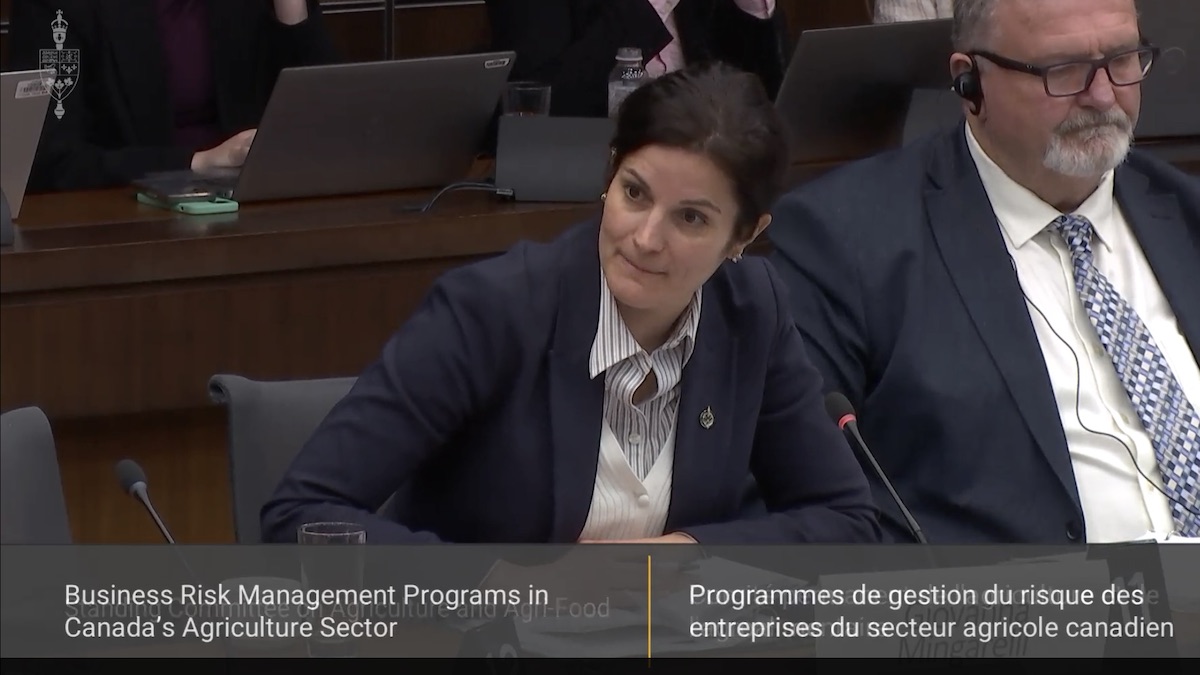
The House of Commons Standing Committee on Agriculture and Agri-Food on April 30, 2026 analyzed the severe financial erosion destroying the viability of Canada’s agricultural sector. Catherine Lessard, Chair of the Business Risk Management Working Group for the Fruit and Vegetable Growers of Canada, presented sobering data showing a sharp contraction in farm profitability since 2015.
Lessard revealed that greenhouse profit margins have collapsed from 9% down to 5%, while fruit growers have been operating at an outright net financial loss for two consecutive years. Concurrently, corporate farm debt has reached historic highs, with the debt-to-asset ratio now exceeding 30% for both Canadian potato operations and greenhouse growers.
Producers are caught in an unsustainable macroeconomic squeeze because they function as absolute price takers. They face rampant inflation on critical inputs like labour, fertilizers, and interest expenses, yet they possess no structural power to pass these costs down the supply chain to corporate retailers.
This structural imbalance was further detailed by the Association des producteurs maraîchers du Québec. President Catherine Lefebvre emphasized that large, publicly traded Canadian food retailers have built highly profitable business models centered on systematically shifting operational risks backward onto small and medium family enterprises. This pressure is magnified because Ontario and Quebec alone concentrate a massive 80% of Canada’s total fresh vegetable production volumes.
Lefebvre testified that between 2017 and 2023, the average debt ratio for Quebec vegetable growers climbed significantly from 24% to 27%. General Manager Patrice Léger Bourgoin provided precise figures showing that profit margins have plummeted across all operation sizes from 2018 to 2023. Small produce businesses saw margins drop from 18.6% down to 8.5%, medium businesses dropped from 21.4% to 9.8%, and large operations dropped from 16.7% down to 11.3%, leaving local farms highly vulnerable.
During the parliamentary cross-examination, Conservative Member of Parliament Jacques Gourde questioned Lessard regarding an unfair global playing field. Lessard answered that the United States directly shields its specialty crop sectors through the massive $3.65 billion Marketing Assistance for Specialty Crops program. She noted that this single American initiative roughly matches the entire operating budget of Canada’s Department of Agriculture, leaving domestic growers at an acute competitive disadvantage.
Liberal Member of Parliament Giovanna Mingarelli shifted the focus to export security, asking Lessard how border disruptions affect fresh produce growers differently than other sectors. Lessard responded that roughly 50% of Canada’s fruit and vegetable production is exported directly to American markets. Because these are highly perishable items, keeping the border open is an absolute necessity, and current risk management frameworks fail to protect growers from these geopolitical shocks.