Watching the Slow but Rewarding Start of the Northwestern Ontario Growing Season
We’ve spent the last week doing what every backyard grower around here does in May: staring intensely at our grow boxes and planters, practically trying to coax the soil to life with our minds. If you’ve been checking your own beds, you might have noticed things are moving a little slower this spring. Across our region, the soil has been sluggish, and the plants are waking up roughly a week later than they did last year.
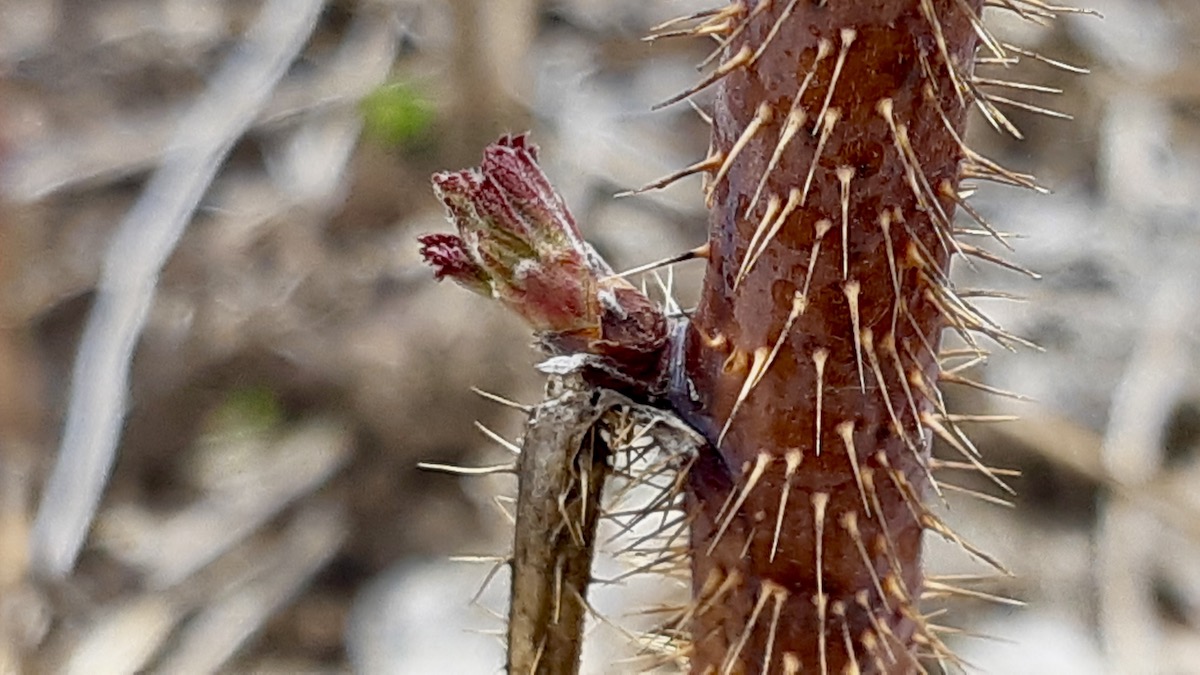
But patience is a required virtue for Northwestern Ontario gardening, and today we finally got the payoff we’ve been waiting for. Our raspberry canes are officially starting to push out their very first buds. It’s a subtle change, but if you look closely, you can see the promise of fresh leaves coming in the next few days.
There’s still a lot of work to do though, as we move some from the overcrowded boxes into trenches we’ve dug so they can continue growing new shoots. We’re really happy with how they grew last year.
Honestly, it’s hard not to get excited when things finally start moving. Every year has its own rhythm, and after a long winter, seeing that first bit of green makes all the waiting worthwhile. We absolutely can’t wait to see how the planters fill out and how everything thrives this season.
Stay tuned as we kick off our summer land lab program and community garden program. We take photos of the garden every week from May to September. Once the weather warms up, the growth happens fast, and it is easy to forget how small the plants started out. Keeping a visual record of the grow boxes lets us see exactly how the vegetables and berries are developing throughout the season.
Learn more about our program
The Art Borups Corners Land Lab is an annual summer initiative in Northwestern Ontario that fuses participatory arts with land-based education, community gardening, and environmental stewardship. Operating from May to September, the program grows strawberries, raspberries, saskatoon berries, vegetables, and herbs while encouraging conversations around food security, sustainable agriculture, and small-scale food entrepreneurship. In 2026, the project will also introduce milkweed planting sites designed to support endangered monarch butterfly populations and expand local pollinator habitat.