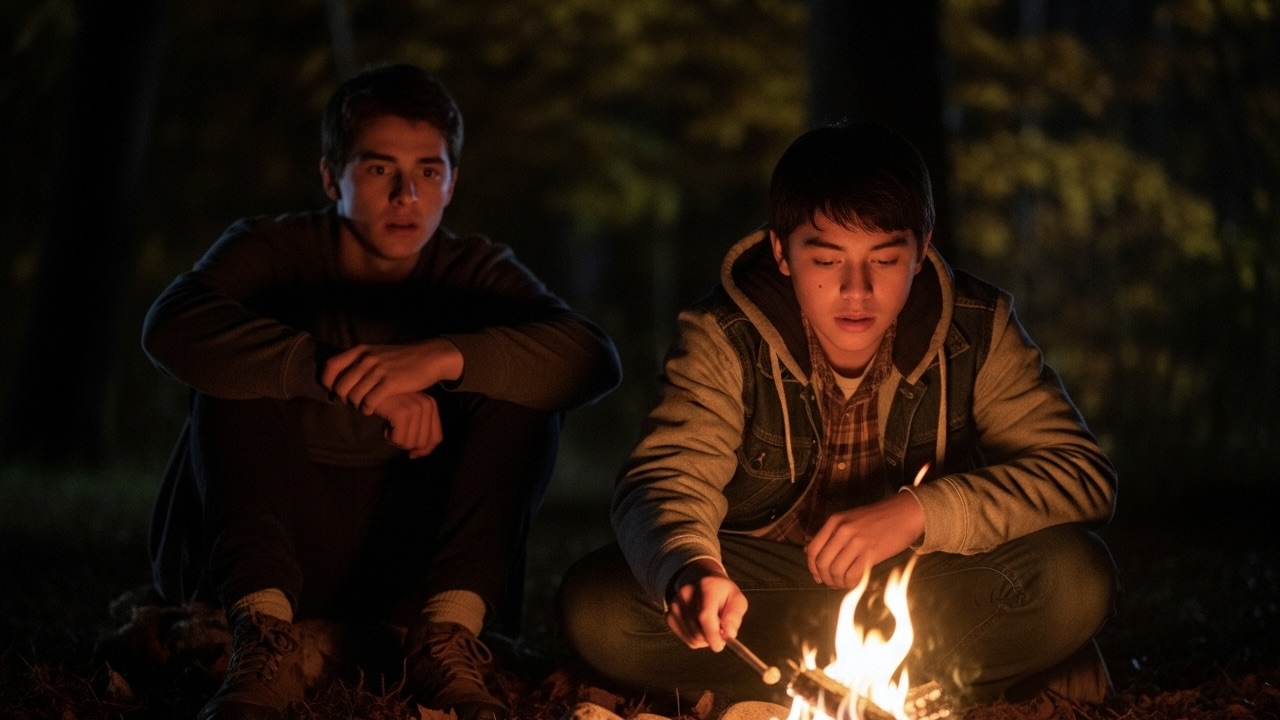
How grassroots organizations build deep trust without a corporate budget or empty rituals.
The most common misconception about team building is that it is something that happens outside of the work.
We are taught to believe in the retreat—the weekend away, the expensive dinner, or the scheduled ice-breaker—as the primary mechanism for bonding. But for a grassroots arts organization with a bank account near zero, these methods are not only inaccessible; they are often ineffective. In a small group of three, five, or ten people, connection cannot be forced through a structured exercise. It must be grown through the soil of shared purpose. The principle is simple: belonging is built in the work, not the workshop.
When you are operating at the margins, your team is your only real infrastructure. This is why team building matters so much more for us than it does for a large institution. In a massive organization, a personality clash is a human resources footnote. In a three-person collective, it is a structural failure. However, the solution is not to mimic corporate culture. The solution is to lean into the intimacy of your size. Smallness allows for a level of honesty that larger groups simply cannot sustain. You do not need an outside facilitator to tell you how to trust each other; you need to create an environment where trust is the natural byproduct of your daily interactions.
The most effective approach to team building for small groups is the elevation of shared labor. There is a specific kind of bond that forms when you are painting a gallery wall at midnight or manually folding five hundred zines for a launch. This is side-by-side connection. Unlike face-to-face connection—which can feel performative or confrontational—working toward a physical goal allows conversation to flow naturally. The stakes of the work provide a container for the relationship. When you struggle together to solve a logistical problem, you are not just getting the job done; you are learning how each other thinks, how you handle stress, and where you need support.
Beyond the physical work, small groups thrive on rituals of presence. Consider the check-in not as a formal agenda item, but as a grounding practice. Before diving into the tasks of the day, spend ten minutes asking how everyone is actually doing—not as creative directors or project managers, but as humans navigating the same precarious world. This radical transparency builds a culture where it is safe to be overwhelmed. When a leader admits they are tired or uncertain, it gives the rest of the team permission to be honest too. This prevents the silent resentment that often kills small organizations from the inside out. It turns a group of collaborators into a support system.
Finally, remember that the most sustainable teams are built on mutual respect for boundaries. In our demographic, we often conflate team with family, but that can lead to burnout and blurred lines. A healthy grassroots organization recognizes that everyone has a life outside the project. Team building is also about protecting each other’s time and energy. It is about saying, I see you are working too hard, let me take this off your plate. This culture of care is what keeps people engaged for the long haul.
You do not need a budget to build a powerhouse team. You need a shared vision, a bit of shared sweat, and the courage to look at each other as partners rather than just coworkers. Small teams are the most agile, creative forces in the arts because they are held together by the strongest glue: genuine human connection.
Value the people in the room more than the project on the table, and the work will inevitably follow.
Thoughts on Creative Leadership
Creative Leadership is about turning vision into action by empowering people, cultivating trust, and building momentum around shared purpose. It blends imagination with accountability, inviting diverse voices to shape solutions while navigating complexity with clarity and courage.
About the Author