Most people probably don’t spend much time thinking about nonprofit governance.
It’s not the exciting part of community work. Governance doesn’t fill a gallery, organize a festival, teach a workshop, or bring people together around a campfire. It happens quietly in board meetings, policy discussions, budgets, and conversations about the future.
Yet we’ve come to realize that governance shapes almost everything a nonprofit is able to accomplish.
This summer, we’ve been exploring different governance models—not because something is broken, but because we’re asking bigger questions about how community organizations can grow without losing what makes them work in the first place.
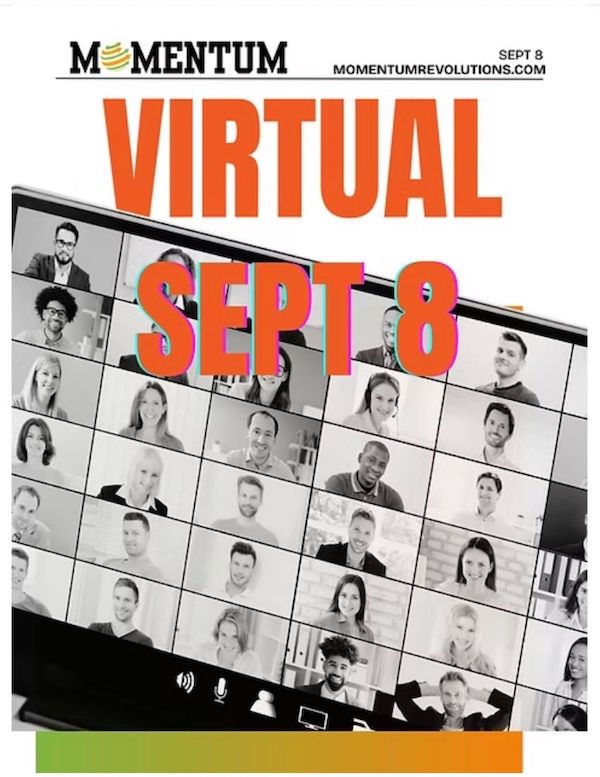
Part of that learning has come from following Creative Evolutions’ MOMENTUM rolling convening series. Rather than asking, “How do we fix boards?” the conversation asks a different question: What other governance models, structures, and approaches already exist that many nonprofits simply haven’t considered?
That shift in thinking has been refreshing.
MOMENTUM brings together nonprofit leaders, artists, researchers, educators, and community practitioners from across North America through a series of conversations hosted with university and community partners. Each session builds on the last, allowing ideas to evolve instead of ending when the meeting is over. Rather than searching for a single “best” model, participants are collectively building a sourcebook of governance approaches, leadership structures, and organizational practices that nonprofits can adapt to their own communities.
For us, those conversations have reinforced something we’ve been discovering ourselves: there are far more choices than most organizations realize.
Small nonprofits often begin with a handful of committed people willing to do whatever needs doing. One person writes grants. Another organizes events. Someone else fixes the building, updates the website, orders supplies, and somehow still finds time to attend board meetings. In many rural communities, that’s simply how organizations survive.
Eventually, though, that approach reaches its limits.
As projects become larger and partnerships become more ambitious, organizations need structures that help people share responsibility instead of carrying everything themselves. Good governance isn’t about creating more rules. It’s about creating systems that make it easier for people to contribute, easier for new leaders to step forward, and easier for organizations to keep moving even when volunteers change.
One of the most interesting ideas we’ve explored is that not every community challenge needs to be solved by a single organization.
Instead, several organizations can work together, each contributing what they do best.
One nonprofit might focus on arts programming. Another may manage a community facility. A local services board might oversee public infrastructure. Another partner might specialize in fundraising, education, or regional collaboration. Each remains independent, but together they become much stronger than any one organization could be on its own.
That way of thinking feels particularly relevant in rural and northern communities.
We’re often told that small organizations need to become bigger in order to have greater impact. Increasingly, we’re questioning that assumption. Perhaps the answer isn’t building one large organization. Perhaps it’s building stronger relationships between many organizations.
When partnerships are built on trust, shared purpose, and clearly defined roles, they become a kind of community infrastructure. They allow knowledge, resources, and opportunities to move across organizations instead of remaining isolated within them.
We’ve also been reminded that governance isn’t static.
The structure that works for a brand-new nonprofit may not be the right structure five years later. As organizations grow, they naturally evolve. Boards begin spending less time managing day-to-day activities and more time thinking about strategy, long-term sustainability, financial stewardship, and community impact.
That’s a healthy transition. It creates space for volunteers, staff, contractors, committees, and community members to contribute in different ways while allowing boards to focus on the bigger picture.
Perhaps the biggest lesson we’ve taken away this summer is that governance isn’t really about boards.
It’s about creating organizations that can adapt. It’s about giving communities more options instead of assuming there’s only one way to lead, one way to organize, or one way to make decisions. The more governance models we discover, the more possibilities communities have to build organizations that reflect their own values, capacities, and ambitions.
These conversations may never receive the same attention as a successful event or a new community project, but they’re every bit as important. Strong governance rarely makes headlines, yet it’s often the reason community organizations are still serving their communities ten, twenty, or even fifty years later.
That’s why we’re spending the summer exploring governance. Not because we’re looking for a perfect model, but because we’re convinced communities deserve more choices than they’ve been given.