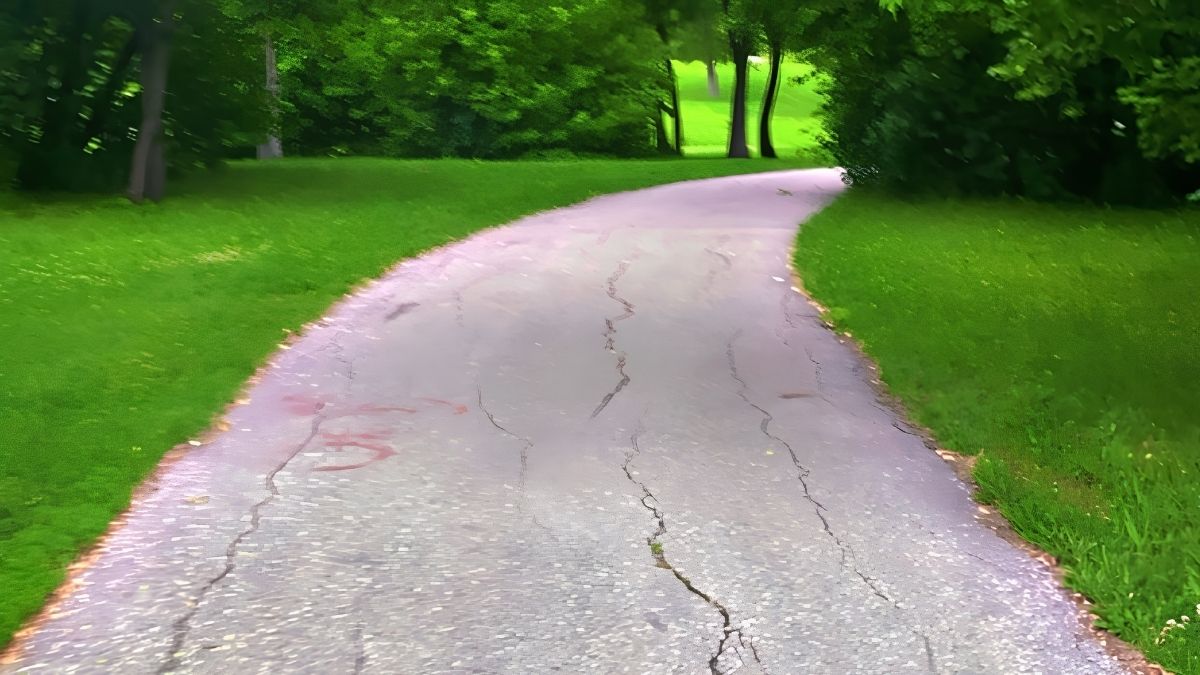
Exploring the historical continuity of one of Winnipeg’s most stable public green spaces
Elmwood Park in Winnipeg is one of those neighbourhood parks that feels like it has quietly stayed in place while the city around it has kept moving.
Some of our family members have been coming here for more than 50 years and they say it’s hardly changed a bit.
Originally established in the early 1900s as part of Winnipeg’s expansion east of the Red River, Elmwood Park was one of the first formal green spaces created after the surrounding area was absorbed into the city in 1906. The land itself has an older history: before becoming a neighbourhood park, it was part of a broader stretch of open ground and recreational space tied to early streetcar development and river crossings that connected Winnipeg’s growing communities across the river .
When it was officially developed as a park around 1909, Elmwood Park became a carefully tended public space. In its early decades, it was known for its flower beds, walking paths, and a level of upkeep that made it feel almost ceremonial in design—there were even full-time gardeners maintaining seasonal plantings and amenities through the mid-20th century . For many residents, it wasn’t just a park; it was a destination for summer recreation, community events, and family outings.
But what makes Elmwood Park notable today is not how much it has changed—it’s how little it has. The core layout remains familiar: a modest playground, open green space, scattered trees, and basic recreational infrastructure. While Winnipeg has expanded outward and modernized many of its public spaces, Elmwood Park has largely retained its older, neighbourhood-scale character. The swings, paths, and open field still serve the same kind of everyday use they did decades ago.
Over time, maintenance and investment have shifted. The park no longer has the intensive horticultural care it once did, and some of its infrastructure reflects the budget constraints faced by many inner neighbourhood parks. Yet even with those changes, its form has remained remarkably consistent. The park still functions as a quiet, local gathering point rather than a redesigned civic destination.
In that sense, Elmwood Park feels almost frozen in its original intent: a small, accessible green space embedded in a residential grid, shaped more by community use than by redesign or redevelopment. Around it, Elmwood has seen waves of industrial change, residential turnover, and shifting city priorities—but the park itself has stayed mostly the same footprint, the same scale, and the same role.
For many residents, that continuity is exactly what defines it. Elmwood Park isn’t a landmark that announces itself. It’s a steady piece of the neighbourhood that has simply continued doing what it has always done: holding space for everyday life, unchanged enough that someone returning after decades would still recognize it immediately.