Made by Hand: The Real Work Behind a Traditional Inuit Amauti
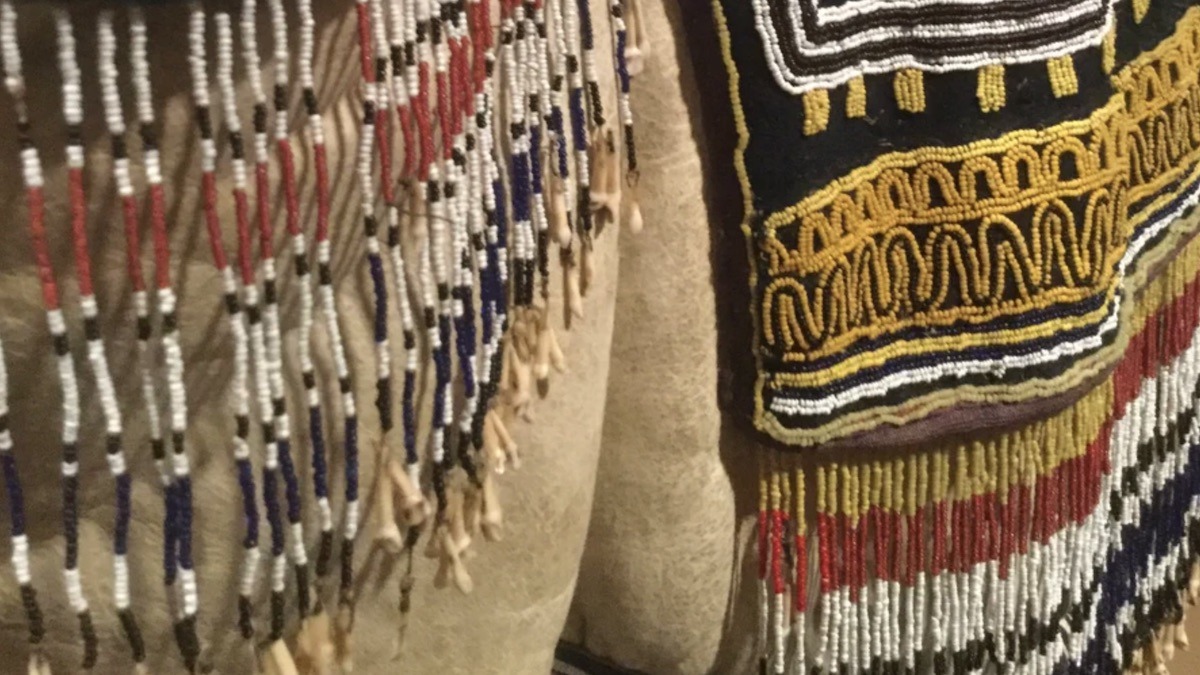
My grandmother, Martha Eetak, created this amauti entirely by hand. She was from Padlei when Inuit still lived out there before moving into towns like today. It has hundreds of hand-drilled caribou teeth and intricate, vibrant beadwork. I am too young to remember her myself, but I have grown up hearing beautiful stories of her life and her incredible talent.
Elisapee Karetak told us about the distinct clack-clack-clack sound the caribou teeth would make when the women would dance in the old days. Every movement during a drum dance would bring the amauti to life, turning the clothing itself into an instrument that echoed the rhythm of our ancestors. I try to imagine the sound as they danced.
Imagine the amazing work, patience, and skill it took just to drill all those caribou teeth using basic tools, let alone the hundreds of hours spent on sewing the heavy hides and stringing the beads. In traditional days, caribou teeth were carefully collected over many hunts; they were symbols of a family’s deep connection to the land and the animals that sustained us. Today, this piece is on exhibit in the museum here in Winnipeg. And we’ve seen it a few times. It makes me proud to see it there.
Back then, Inuit lived completely on the land and did not have much in the way of modern comforts or materials. Life was harder then, shaped by the harsh Arctic winters and the constant need for survival. But it was also incredibly beautiful, and so were the things they created. This amauti is more than just clothing. It’s a piece of my grandmother’s heart.