Why Supporting Creative Entrepreneurship is the Smartest Economic Move We Can Make Right Now
The neighborhood pottery studio running a profitable Substack newsletter, the designer teaching local shops how to write custom AI prompts, and the independent illustrator selling out physical pop-up markets all share a common thread. They are proving that creative entrepreneurship is no longer a niche hobby, but a core pillar of the modern economy.
Creative entrepreneurship—the business of turning artistic, design, storytelling, or cultural skills into self-sustaining ventures—is growing rapidly. Supporting these businesses is not just a nice gesture for the arts; it is a vital economic strategy for communities wanting to build resilience in an increasingly digital world.
The New Creative Tools: Taste Over Automation
The conversation around technology and creativity has shifted dramatically over the last year. Instead of replacing human artists, generative AI tools are becoming background assistants that handle repetitive administrative tasks, coding, and basic prototyping.
Adobe’s 2026 Creative Trends report highlights a growing demand for raw human taste, showing that audiences crave emotional resonance and even playful absurdity over sterile, machine-generated perfection. The creators who succeed today are those who pair these digital tools with distinct cultural insights and personal style.
This shift has created entirely new business models. According to insights from the US Chamber of Commerce, small businesses are increasingly hiring specialized creative consultants to manage AI-powered customer support tools or design prompt engineering training. These creative entrepreneurs are helping traditional companies bridge the gap between technical tools and authentic communication, proving that artistic thinking has direct commercial utility.
Community as the Ultimate Currency
We are witnessing a major maturation of the creator economy. Creators are moving away from chasing viral metrics on rent-free social platforms and are instead building independent, stable businesses. They are capturing their own audiences through direct email lists, niche paid communities, and physical events.
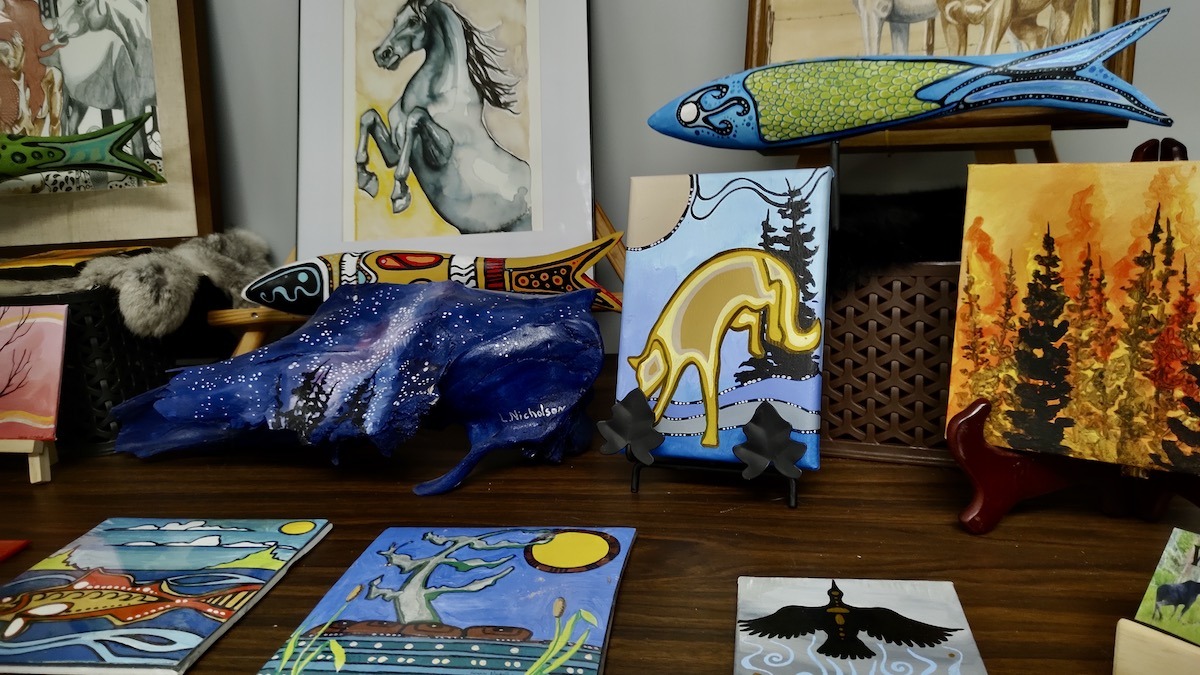
Audiences are showing a clear fatigue with algorithmic feeds and generic digital content. People want imperfection, handmade details, and local connection. This hunger for the tangible has triggered a resurgence in physical print, analog workshops, and local pop-up retail.
When creators build strong, direct relationships with small communities, they build businesses that can weather broader economic downturns. These small hubs of loyal supporters provide a level of financial stability that algorithmic ad revenue simply cannot match.
The Broader Value of Creative Capital
Investing in creative entrepreneurs yields high returns for local communities. These businesses drive tourism, keep local high streets alive, and make neighborhoods desirable places to live and work.
They also offer flexible, independent livelihoods at a time when traditional corporate paths are shifting. This adaptability makes local economies more stable. When we support a creative business, we are keeping money in the local community and encouraging original problem-solving that helps other industries grow.
Governments, financial institutions, and business associations need to recognize this value by offering tailored support, micro-loans, and business training designed for single-person creative firms. We need to treat these ventures with the same seriousness we afford to tech startups or traditional retail.
At the end of the day, creative entrepreneurship succeeds because it relies on the qualities machines cannot replicate: taste, imagination, and genuine human connection. Supporting these creators is the best way to ensure our economy remains inventive, diverse, and human.