A Practical Guide to Planning Summer Pop-Up Markets
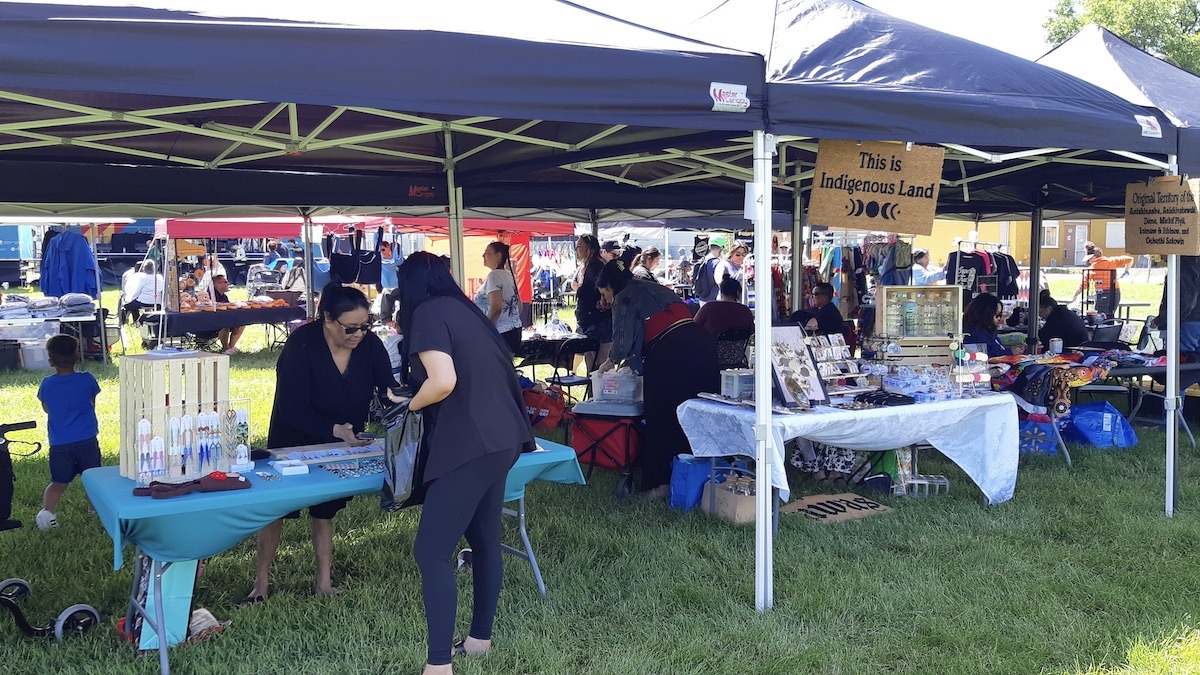
Summer brings a distinct energy to Manitoba and Northwestern Ontario. After long winters, everyone wants to get outside, connect, and support local makers. For community nonprofit organizers, hosting a pop-up artist and farmer’s market is one of the most rewarding ways to celebrate the season. These events do more than just fill a Saturday afternoon; they build local economies and create vibrant gathering spaces.
Successfully launching a market requires blending logistics with a bit of creative vision. When you bring fresh produce and handmade art together, you create a unique ecosystem where small businesses can test the waters. This guide will walk you through how to coordinate these moving parts, ensuring your community event runs smoothly from setup to teardown.
Getting a project like this off the ground also relies on strong partnerships. Lean on neighborhood associations, local businesses, and volunteer networks to share the workload. When a community sees a nonprofit taking the lead on a positive local initiative, people are usually eager to lend a hand, donate resources, or help spread the word to their neighbors.
Choosing a Location and Navigating Local Permits
Securing the right spot is your first major hurdle when planning a pop-up market. In places like Winnipeg, high-traffic pedestrian areas like The Forks or community center parking lots offer built-in foot traffic. If you are organizing an event in Northwestern Ontario, a scenic park near the water or a historic downtown street can provide the perfect backdrops. You want a location that is easily accessible, has ample parking, and offers protection from sudden summer downpours.
Every community has its own set of rules regarding public gatherings and food handling. Manitoba health regulations for temporary food service can be strict, so farmers selling prepared goods will need the right permits. Working closely with city officials early in your planning stages prevents last-minute compliance headaches. Ensure you have liability insurance sorted out well in advance to protect your organization and your vendors.
Do not forget about the basic physical requirements of the site, either. Take a close look at access to electrical outlets for vendors who need refrigeration, and make sure there are clean, accessible washrooms nearby. You will also need to map out a clear plan for trash disposal and recycling so the venue stays clean throughout the day and is left in perfect shape after teardown.
Think about how people will move through the space. A bottleneck at the entrance or a confusing layout can frustrate visitors and hurt sales for vendors tucked away in quiet corners. Sketch out a layout that encourages people to wander past every single booth, keeping walkways wide enough for strollers, wheelchairs, and wagons full of market hauls.
Curating the Perfect Mix of Artists and Farmers
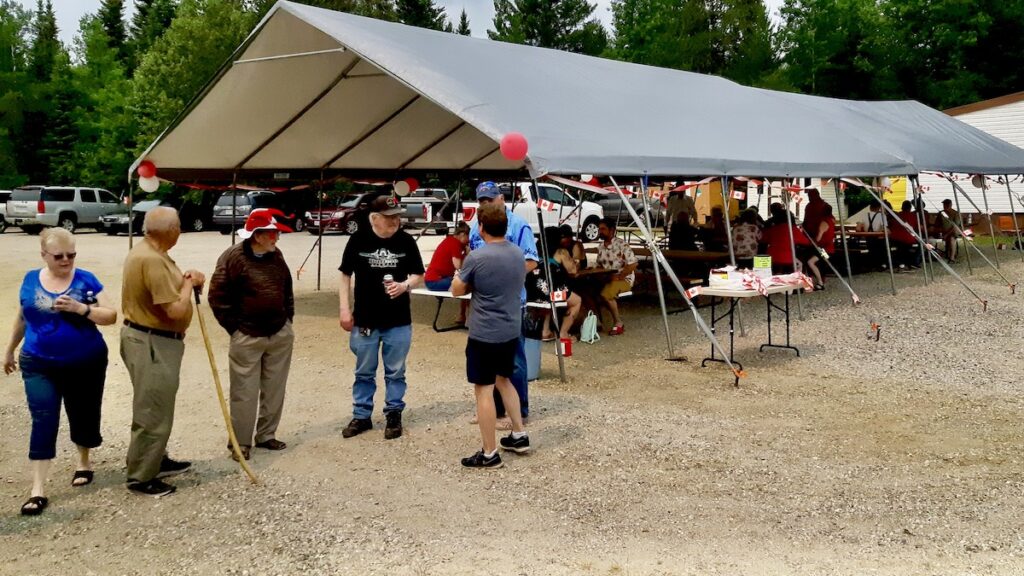
A great market relies entirely on a diverse, high-quality selection of vendors. Striking a balance between fresh agricultural products and unique handmade art keeps attendees engaged longer. You want people to buy their weekly vegetables, but also linger to browse pottery, paintings, or handmade jewelry. This balance turns a simple grocery trip into a full community experience.
Jurying your vendors ensures that the quality remains high and the offerings stay varied. Try to avoid overcrowding the market with too many similar booths, like having ten different candle makers and only one vegetable stand. Reach out to local arts councils in Manitoba or regional maker networks across Northwestern Ontario to find hidden talents. A diverse vendor list keeps the event fresh and ensures everyone has a fair chance at making sales.
When you send out the vendor applications, be upfront about what you are looking for and how you will make selections. Explicitly state deadlines, booth fees, and setup rules right from the start. Clear communication early on prevents misunderstandings later and sets a professional tone for the entire event.
Consider reserving a couple of tables for community groups or rotating spotlight vendors. Giving a slot to a new backyard gardener or a student artist who only has a few items to sell adds a wonderful grassroots feel. It keeps the market grounded in the neighborhood and introduces shoppers to fresh faces every single time.
Supporting Creative Entrepreneurship in Your Community
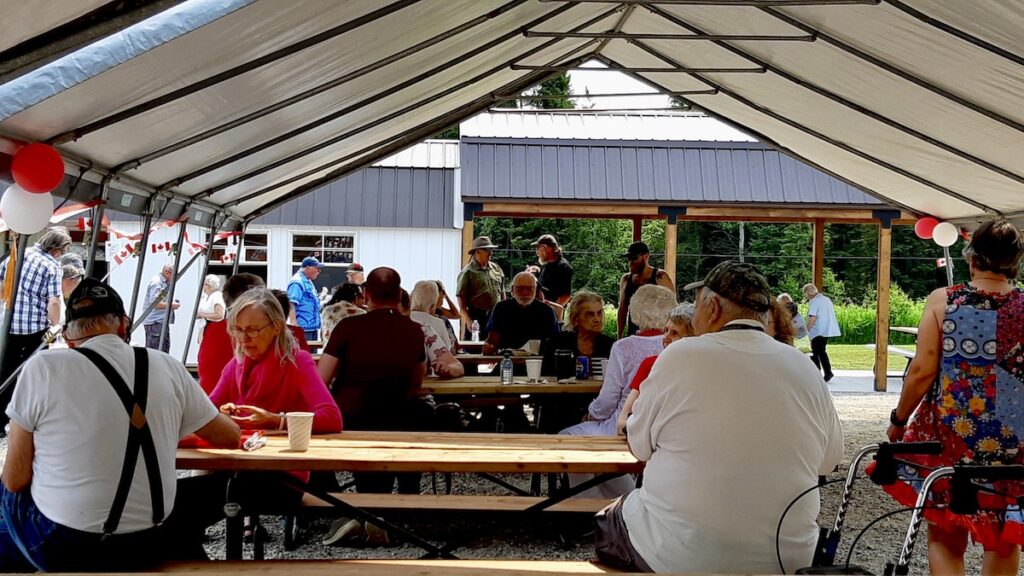
Pop-up markets serve as an incubator for small businesses and independent creatives. Many artists excel at their craft but might struggle with the business side of things, like pricing, branding, or customer engagement. As a nonprofit organizer, you can provide resources that help these individuals view themselves as creative entrepreneurs. Offering pre-market workshops on booth design or digital payment setups can make a massive difference for first-time vendors.
Providing mentorship opportunities during the event creates a supportive environment where makers can learn from experienced vendors. You might consider offering subsidized booth spaces for youth or marginalized artists to lower the barrier to entry. This investment in local talent strengthens the cultural fabric of our communities and helps build a sustainable creative economy. When artists learn how to market themselves effectively, the entire region benefits.
You can also help vendors by teaching them how to collect customer data safely and effectively. Encourage them to set up a simple email sign-up sheet or a QR code at their table so visitors can follow their journey long after the market tents come down. Teaching makers to see a one-day market as a jumping-off point for long-term customer relationships changes how they approach their work.
Beyond individual success, these events show the public the real economic value of buying local. When shoppers chat directly with the person who grew their food or knit their sweater, they understand the work involved. This connection shifts the mindset from thoughtless consuming to active community investment, keeping money circulating right here in Manitoba and Northwestern Ontario.
Fresh Ideas for Crowd Engagement and Promotion
Getting people to show up requires more than just opening the gates and hoping for the best. You need to give families, teenagers, and seniors a reason to make your market their destination for the day. One fantastic way to pull people in is by introducing live demonstrations. An artist throwing pottery on a wheel or a grower showing how to properly prune tomato plants creates an interactive spectacle that stops people in their tracks and creates a natural crowd.
You can also design small, accessible activities that invite visitors to participate rather than just observe. Consider setting up a collaborative community canvas where people can paint a small section, or a simple DIY seed-bomb planting station for kids. When people contribute to something hands-on, they stick around longer, talk to vendors, and buy a coffee or a snack while they explore.
To drive attendance during slower hours, try running localized social media giveaways in the days leading up to the market. Partner with a few of your vendors to create a gift basket featuring local honey, fresh bread, and a handmade art print. Entrants can win by tagging a friend and committing to visit the market, which expands your digital reach into completely new social circles.
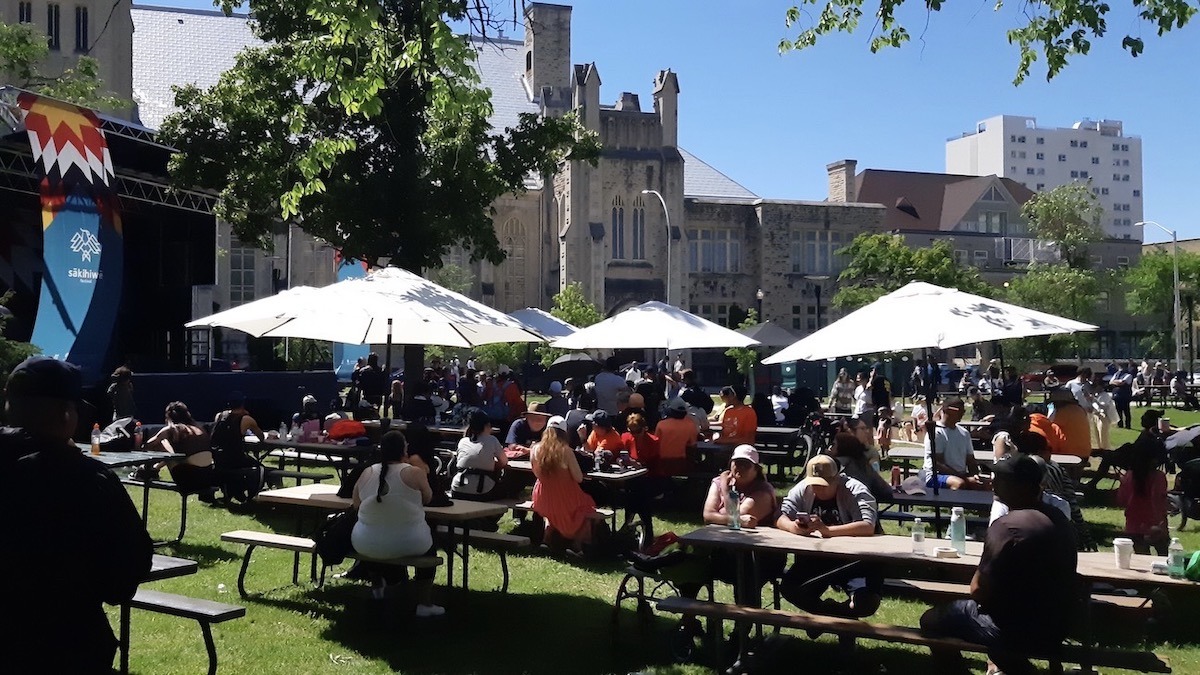
Do not forget the power of setting the right atmosphere with acoustic music or local buskers. A solo guitarist or a fiddle player adds immediate warmth to an outdoor space, encouraging people to relax, sit down, and slow their pace. When a market feels like a community festival rather than just a retail space, visitors stay longer, spend more, and look forward to your next pop-up.
Marketing Your Summer Market to Local Audiences
Spreading the word requires a mix of digital storytelling and old-school grassroots promotion. Social media platforms are incredibly effective for highlighting individual vendors in the weeks leading up to the market. Share behind-the-scenes glimpses of a farmer harvesting greens or an artist finishing a canvas. This build-up creates anticipation and helps the community feel personally connected to the people behind the tables.
Physical signage still holds immense value, especially in smaller towns throughout Northwestern Ontario or specific neighborhoods in Winnipeg. Placing lawn signs at busy intersections and hanging posters in local coffee shops catches the eyes of residents who might not be active online. Partner with local radio stations or community blogs to share your event details. A multi-channel approach ensures you reach a broad audience, driving excellent foot traffic to your summer event.
Do not overlook the power of local partnerships to expand your marketing reach. Ask your accepted vendors to share market graphics on their own feeds, and invite nearby businesses to pitch in by telling their customers about the upcoming weekend event. When everyone shares the promotional workload, the event reaches corners of the community you might miss on your own.
On the day of the market, keep the momentum going by posting live updates, photos, and videos online. Showing a bustling crowd, smiling faces, and beautiful product displays coaxes last-minute visitors off the couch and down to the venue. A vibrant digital presence during the event also builds a great archive of content to help secure grants, sponsorships, and vendors for next year.