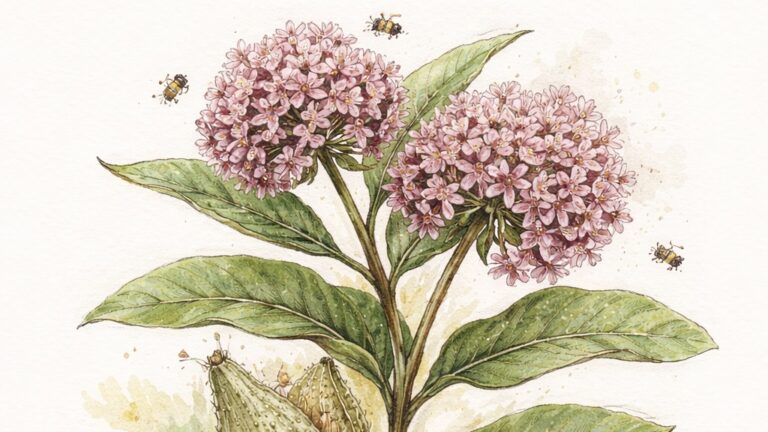
Why the most effective team building happens in the first five minutes of every meeting.
Building a team in a grassroots arts organization is less about finding the right pieces and more about nurturing the right soil.
When you are working with limited resources and high stakes, the pressure to produce can often override the need to connect. We often treat our weekly meetings like tactical briefings, diving straight into spreadsheets and to-do lists.
But a sustainable practice requires us to remember that we are humans first, and the quality of our work is directly tied to the quality of our relationships. Team building does not have to be a choreographed retreat or an expensive outing; it can be as simple as a five-minute ritual that prioritizes our shared humanity over our collective output.
The reason this matters so deeply for small groups is that our primary currency is trust. In a large institution, systems and contracts hold people together. In a grassroots collective, it is the invisible thread of mutual respect and care. When those threads fray, the organization collapses, regardless of how good the art is. If we only interact as the roles we play—the Creative Director or the Social Media Manager—we lose the ability to support one another when life gets messy. Sustainable leadership means acknowledging that burnout is not just about having too much to do; it is about feeling like you have to do it alone. By integrating a simple, recurring team-building exercise into your routine, you create a safety net that catches people before they hit the point of exhaustion.
One of the most effective and low-stakes ways to do this is the Non-Work Pulse. It is an exercise that requires zero budget and exactly five to ten minutes. At the start of every meeting, before a single item on the agenda is discussed, every person in the room shares one thing that has nothing to do with the project. It could be a song they have been looping, a small frustration with their morning, or something they are looking forward to over the weekend. The key is that it must be personal, not professional. This is not an icebreaker designed to be clever; it is a check-in designed to be honest.
This approach shifts the energy of the room from performance to presence. It allows team members to bring their whole selves to the table. If someone is having a difficult week in their personal life, the group learns that information in a way that allows for empathy without the pressure of a deep intervention. It normalizes the idea that we have lives outside of our creative labor. For a leader, this is a vital diagnostic tool. You can hear the exhaustion in a collaborator’s voice before they even realize they are burning out. You can see the excitement in someone’s eyes that might be channeled into a new idea. More importantly, it builds a trust bank. When the time comes to have a hard conversation about a deadline or a creative disagreement, you are speaking to a friend you have actually listened to, not just a colleague you have managed.
Sustainability is built in these small, quiet intervals. We often think that team building is something we do once a year to fix a culture. In reality, culture is what happens every Tuesday morning at 10:00 AM. It is the cumulative effect of a thousand small moments of being seen and heard. When you prioritize these check-ins, you are telling your team that they matter more than the mission. Paradoxically, this is exactly what makes the mission more likely to succeed. People will go to the ends of the earth for a project where they feel truly valued as individuals.
As you move forward, resist the urge to skip the soft stuff when you are busy. The busier you are, the more important the check-in becomes. It is the anchor that keeps the ship steady when the waters get choppy.
You do not need a fancy consultant or a team-building kit to build a resilient organization. You just need the courage to stop the clock, look your collaborators in the eye, and ask them how they are really doing.
The work can wait five minutes. The people cannot.
Northern Arts and Regional Innovation
This is a collaborative initiative by The Arts Incubator Winnipeg and the Art Borups Corners art collective, supporting artists and creative projects in Melgund Township, Northwestern Ontario. Our groups champion rural arts development, community programming, Indigenous arts partnerships, and cultural innovation—strengthening the local and regional arts sector through mentorship, exhibitions, digital media, and sustainable creative entrepreneurship. Our events and activities include artists from Melgund Township, Winnipeg, Ignace, Sioux Lookout, Dryden, and beyond. You read more innovation-focused posts here.
About the Author