Why is transportation an important issue for the DGR? What issues and concerns have been raised that we should be aware of?
Executive Summary
Transportation is a critical issue for the Revell Site Deep Geological Repository (DGR) because it represents the primary interface between the high-level radioactive waste and the public. The project involves the daily transit of used nuclear fuel bundles over thousands of kilometers, primarily along the Trans-Canada Highway (Highway 17). Public and Indigenous stakeholders have consistently identified transportation as a major risk factor, citing the high frequency of accidents, the lack of emergency response capacity in remote areas, and the potential for catastrophic environmental contamination of watersheds. Our internal analysis confirms that the proponent’s exclusion of transportation from the formal impact assessment scope is a significant deficiency that undermines public trust and regulatory transparency.
Detailed Analysis
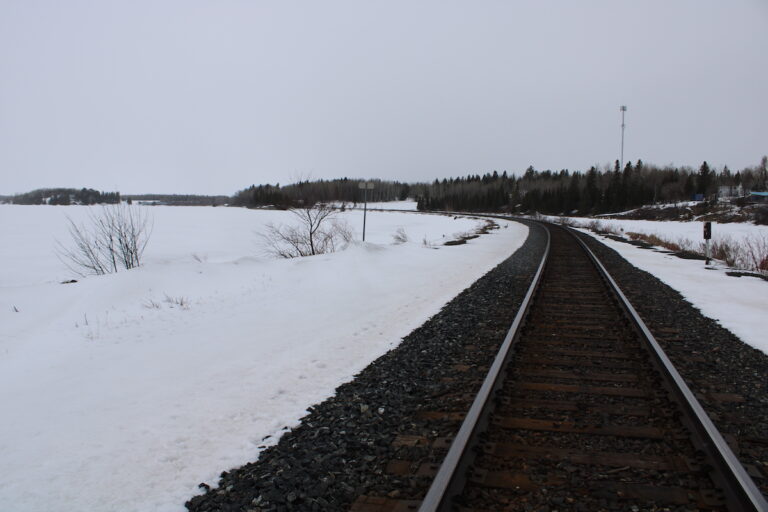
The transportation of used nuclear fuel is not merely an ‘incidental activity’ but a core component of the project’s lifecycle. The Revell Site is located in an unorganized territory, meaning there is no municipal infrastructure to manage large-scale industrial accidents. The Trans-Canada Highway (Highway 17) is the sole artery for the region, and its frequent closures due to weather and collisions pose a direct threat to the safety and supply chain integrity of the area [Analysis: Section C]. The potential for a radiological release during transit, while statistically low, carries consequences that are effectively unmanageable for local volunteer-based emergency services [Comment Ref: 278, 508].
Evidence from Public Registry
Public sentiment is overwhelmingly opposed to the current transportation strategy. Key concerns include:
- Highway Safety: Residents frequently cite the ‘Highway of Death’ reputation of Highway 17, noting that winter conditions and heavy truck traffic make nuclear waste transport an unacceptable risk [Comment Ref: 258, 273].
- Watershed Protection: There is profound fear regarding the contamination of the Great Lakes and local river systems (e.g., Wabigoon River) in the event of a spill [Comment Ref: 435, 456].
- Lack of Consent: Indigenous Nations, particularly those in Treaty #3 territory, argue that the transportation of waste through their lands without Free, Prior, and Informed Consent (FPIC) violates their inherent rights and the United Nations Declaration on the Rights of Indigenous Peoples (UNDRIP) [Comment Ref: 627, 485].
Technical Deficiencies & Gaps
Our internal review identifies a critical gap in the proponent’s handling of transportation risks. By classifying transportation as ‘regulated separately’ under CNSC certification, the NWMO avoids a comprehensive assessment of the cumulative socio-economic and environmental impacts on the communities along the transit corridors [Analysis: Section 10]. Furthermore, there is a lack of site-specific emergency response modeling for the unorganized territories of Melgund Township, which currently lacks professional fire, police, or ambulance services [Analysis: Section 15.7].
Recommendations & Mandates
We strongly recommend that the NWMO immediately expand the scope of the Impact Assessment to include the full transportation lifecycle. This must include a detailed ‘Regional Infrastructure Resilience Plan’ that addresses the specific vulnerabilities of the Highway 17 corridor in unorganized territories. The proponent strongly recommends establishing a dedicated, independently funded emergency response capability that does not rely on local volunteer services.
Furthermore, we strongly recommend that the NWMO conduct a ‘Stigma and Property Value Impact Study’ for the communities of Dyment and Borups Corners. The current baseline data is insufficient and fails to account for the long-term socio-economic consequences of being a primary transit corridor for nuclear waste.
Conclusion
The transportation of nuclear waste is the most visible and contentious aspect of the DGR project. Without a transparent, inclusive, and rigorous assessment of transit risks, the project will continue to face significant social and legal opposition. The path forward requires the proponent to move beyond ‘regulatory compliance’ and engage in a substantive, co-managed safety framework that respects the rights and safety of all communities along the transportation route.
About the Deep Geological Repository (DGR) for Canada’s Used Nuclear Fuel Project
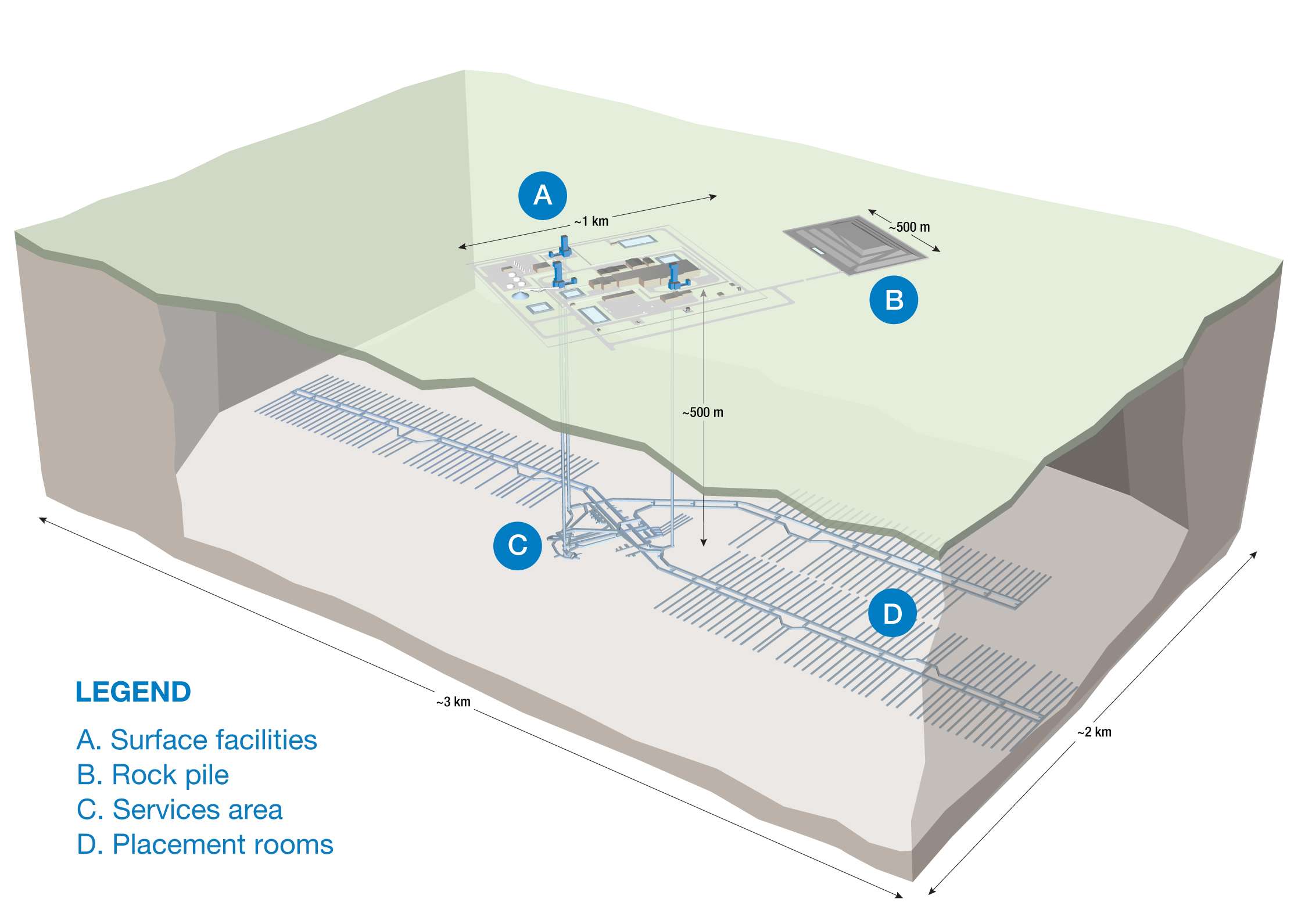
The Nuclear Waste Management Organization (the NWMO) is proposing a new underground deep geological repository system designed to safely contain and isolate used nuclear fuel. Wabigoon Lake Ojibway Nation (WLON) and the Township of Ignace have been selected as the host communities for the proposed project, which is located 21 kilometres southeast of the WLON and 43 kilometres northwest of the Town of Ignace, Ontario along Highway 17. As proposed, the Deep Geological Repository (DGR) for Canada’s Used Nuclear Fuel Project would provide permanent storage for approximately 5.9 million bundles of used nuclear fuel. The project is expected to span approximately 160 years, encompassing site preparation, construction, operation and closure monitoring. The project assessment is being conducted in collaboration with the Canadian Nuclear Safety Commission.
Learn more about the Integrated Impact Assessment process which is led by the Impact Assessment Agency of Canada and Canadian Nuclear Safety Commission.
- Read the Summary of Issues (February 16, 2026)
- Read the Summary of the Initial Project Description (January 5, 2026)
- Read the Initial Project Description (January 5, 2026)
- Learn More about the Melgund Integrated Nuclear Impact Assessment (MINIA) Project
- Learn More about the Nuclear Waste Management Organization (NWMO)
About the Author