Question: What are some of the most important questions we should be raising to the Impact Assessment Agency of Canada regarding issues at the DGR and why is this important?
Executive Summary: The proposed Revell Site Deep Geological Repository (DGR) presents significant regulatory, environmental, and socio-economic risks that remain inadequately addressed in the current Initial Project Description (IPD). Key concerns include the exclusion of transportation risks from the assessment scope, the lack of site-specific baseline data for unorganized territories like Melgund, and the reliance on ‘adaptive management’ as a substitute for concrete mitigation. Raising these questions is critical to ensure that the project does not proceed based on incomplete data or the marginalization of the most proximate stakeholders.
Detailed Analysis
The Revell Site DGR is located in an unorganized territory, yet the proponent’s engagement strategy disproportionately favors incorporated municipalities and specific First Nations, effectively disenfranchising the residents of Dyment and Borups Corners [Analysis: Section 13]. The project’s reliance on ‘industry-standard’ mitigation measures lacks site-specific empirical validation, particularly regarding the hydrogeological connectivity of the Revell batholith [Analysis: Section 14.6].
Evidence from Public Registry
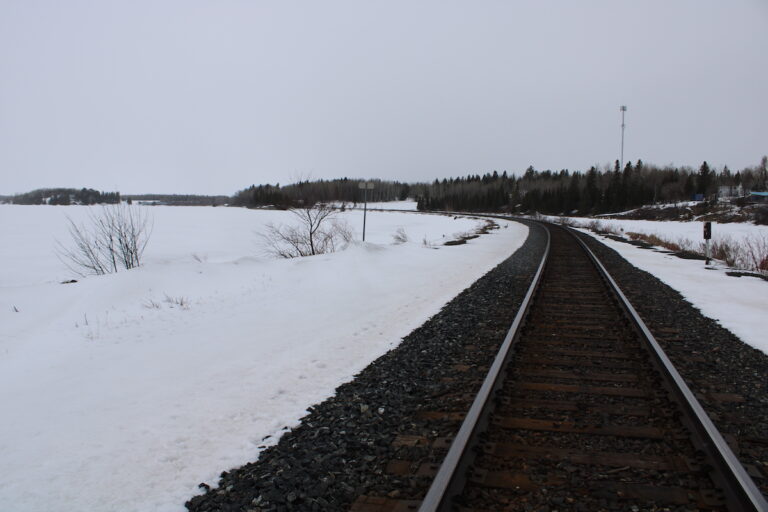
- Transportation Risks: Numerous commenters [Ref: 671, 609, 585, 581, 580, 569, 561, 559, 554, 548, 538, 535, 521, 513, 509, 505, 490, 485, 476, 472, 471, 459, 457, 451, 442, 441, 432, 428, 426, 424, 423, 420, 419, 418, 416, 415, 414, 411, 410, 403, 401, 398, 397, 395, 392, 390, 388, 387, 383, 382, 381, 380, 379, 378, 377, 376, 375, 374, 353, 351, 350, 348, 347, 342, 340, 339, 337, 336, 333, 332, 330, 329, 326, 325, 323, 322, 321, 320, 318, 315, 314, 313, 312, 311, 305, 304, 303, 302, 301, 298, 297, 296, 295, 293, 292, 290, 289, 288, 286, 285, 280, 278, 277, 276, 275, 274, 273, 272, 271, 270, 269, 267, 266, 265, 264, 262, 261, 260, 258, 257, 256, 255, 254, 253, 252, 251, 250, 249, 248, 247, 246, 245, 244, 243, 242, 241, 240, 239, 238, 237, 236, 235, 234, 233, 232, 231, 230, 229, 228, 227, 226, 225, 224, 223, 222, 221, 219, 218, 216, 214, 213, 211, 210, 209, 208, 207, 206, 205, 204, 203, 202, 200, 199, 198, 196, 194, 193, 192, 191, 190, 189, 188, 187, 184, 183, 182, 181, 180, 179, 178, 177, 176, 172, 165, 164, 161, 160, 159, 158, 157, 156, 155, 154, 153, 152, 151, 150, 149, 148, 147, 146, 145, 144, 143, 142, 141, 140, 139, 137, 136, 135, 134, 133, 132, 131, 130, 129, 127, 126, 125, 124, 123, 122, 121, 120, 119, 118, 116, 115, 113, 112, 111, 109, 106, 105, 104, 103, 102, 99, 96, 95, 94, 93, 92, 90, 88, 86, 84, 83, 82, 81, 80, 79, 78, 77, 73, 72, 71, 70, 69, 68, 67, 66, 64, 63, 62, 61, 60, 59, 58, 57, 56, 55, 54, 53, 52, 51, 50, 49, 48, 47, 45, 44, 43, 42, 41, 40, 39, 38, 37, 36, 35, 34, 33, 32, 31, 30, 29, 28, 27, 26, 25, 24, 23, 22, 21, 20, 19, 18, 17, 16, 15, 14, 13, 12, 11, 10, 9, 8, 7, 6, 5] have consistently raised concerns about the risks of transporting nuclear waste through Northern Ontario, citing the high accident rates on Highway 17.
- Indigenous Rights and Consent: The Grand Council Treaty #3 and other First Nations have expressed strong opposition, citing a lack of Free, Prior, and Informed Consent (FPIC) and the disregard for traditional laws [Ref: 705, 660, 627, 485, 466, 442, 439, 417, 396, 392, 389, 387, 384, 376, 364, 350, 344, 338, 330, 321, 318, 302, 299, 296, 284, 279, 276, 225, 214, 212, 211, 155, 150, 148, 147, 145, 144, 143, 141, 139, 137, 135, 133, 129, 126, 125, 124, 123, 122, 121, 116, 115, 113, 112, 111, 109, 106, 105, 104, 103, 102, 99, 96, 95, 94, 93, 92, 90, 88, 86, 84, 83, 82, 81, 80, 79, 78, 77, 73, 72, 71, 70, 69, 68, 67, 66, 64, 63, 62, 61, 60, 59, 58, 57, 56, 55, 54, 53, 52, 51, 50, 49, 48, 47, 45, 44, 43, 42, 41, 40, 39, 38, 37, 36, 35, 34, 33, 32, 31, 30, 29, 28, 27, 26, 25, 24, 23, 22, 21, 20, 19, 18, 17, 16, 15, 14, 13, 12, 11, 10, 9, 8, 7, 6, 5].
Technical Deficiencies & Gaps
Our internal review identifies a critical gap in the proponent’s ‘pathways of change’ screening, which relies on generic industry data rather than site-specific hydrogeological modeling [Analysis: Section 19.2.3.4]. Furthermore, the exclusion of transportation from the IA scope is a major regulatory red flag that ignores the cumulative impact on the Melgund region [Analysis: Section 10].
Recommendations & Mandates
We strongly recommend that the Impact Assessment Agency of Canada mandate the inclusion of all transportation activities within the formal Impact Statement. The proponent strongly recommend conducting a site-specific hydrogeological study that accounts for the unique fracture networks of the Revell batholith. Additionally, the proponent strongly recommend establishing a formal, independent oversight body that includes representatives from unorganized territories like Melgund to ensure their specific safety and socio-economic concerns are addressed.
Conclusion
The Revell Site DGR project, as currently proposed, lacks the necessary social license and technical baseline to proceed. The proponent must address the identified gaps in transportation safety, Indigenous consent, and local socio-economic impacts to ensure the project meets the rigorous standards required for long-term nuclear waste management.
About the Deep Geological Repository (DGR) for Canada’s Used Nuclear Fuel Project
The Nuclear Waste Management Organization (the NWMO) is proposing a new underground deep geological repository system designed to safely contain and isolate used nuclear fuel. Wabigoon Lake Ojibway Nation (WLON) and the Township of Ignace have been selected as the host communities for the proposed project, which is located 21 kilometres southeast of the WLON and 43 kilometres northwest of the Town of Ignace, Ontario along Highway 17. As proposed, the Deep Geological Repository (DGR) for Canada’s Used Nuclear Fuel Project would provide permanent storage for approximately 5.9 million bundles of used nuclear fuel. The project is expected to span approximately 160 years, encompassing site preparation, construction, operation and closure monitoring. The project assessment is being conducted in collaboration with the Canadian Nuclear Safety Commission.
Learn more about the Integrated Impact Assessment process which is led by the Impact Assessment Agency of Canada and Canadian Nuclear Safety Commission.
- Read the Summary of Issues (February 16, 2026)
- Read the Summary of the Initial Project Description (January 5, 2026)
- Read the Initial Project Description (January 5, 2026)
- Learn More about the Melgund Integrated Nuclear Impact Assessment (MINIA) Project
- Learn More about the Nuclear Waste Management Organization (NWMO)
About the Author