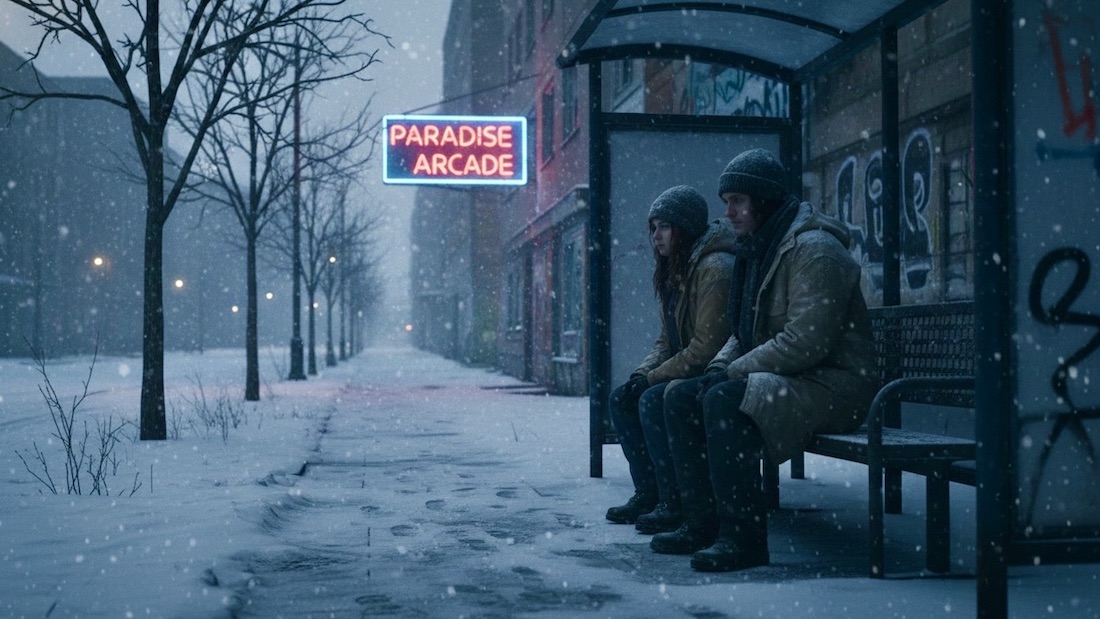
This initiative explores the intersection of AI research and interdisciplinary arts, investigating how generative technologies can augment creative practice. Fusing storytelling, systems design, and data-driven workflows, artists experimented with novel approaches to narrative, collaboration, and cultural impact. The program incubates a space where technical innovation and artistic exploration inform one another, producing new methods, tools, and insights for creative futures.
Exploring the Role of Adaptive AI Systems in Narrative Development
Emerging Practices in AI-Enabled Storytelling is an evolving knowledge exchange, participatory applied AI research and skills development program exploring how artificial intelligence and immersive technologies are reshaping narrative creation, production workflows, and creative labour across film and media. The series brings together researchers, artists, technologists, and educators to surface shared challenges and translate emerging practices into practical insights for creators and cultural industries navigating rapid change.
In this latest installment, team members examined how AI-assisted storytelling, publishing, script development, virtual production environments, and intelligent post-production tools are accelerating creative experimentation while reducing technical, administrative and logistical barriers. Alongside these advances, conversations highlighted the growing need for new training models, ethical frameworks, and authorship norms to ensure that AI-enhanced storytelling remains human-centred, culturally responsible, and inclusive as creative ecosystems evolve.
We are grateful to the researchers and practitioners contributing to this dialogue, and to their commitment to shaping thoughtful, accountable innovation across creative sectors.
From Data to Discovery: A Visual Journey
Taking a fun look into the data: Almost seven million words of stories, images, outlines, treatments and scripts were analyzed as part of this program.
Collaborative Practices for Research and Innovation in Storytelling
As a skills development and participatory research initiative, the program spanned a broad spectrum of creative and technical learning. Over six months, artists and creatives engaged with generative AI concepts, explored building custom GPTs, and applied agentic design principles to collaborative storytelling activities. The program emphasized transversal creation, data management, automation, and rapid application development, alongside deeper explorations of storytelling, narrative structures, publishing and systems design. Fusing these domains, the initiative equipped participants with both the technical fluency and creative agility needed to navigate emerging AI-driven workflows and co-create innovative solutions.
The program further explored cross-media, transdisciplinary approaches to research, bringing together expertise in publishing, film, production, and new media to investigate the creative potential of AI and immersive technologies. Bridging disciplines, the project fostered collaboration between writers, filmmakers, technologists, and cultural producers, generating insights that shape narrative design, content creation, and production workflows across multiple media platforms. Its interdisciplinary scope not only advances knowledge in AI-enabled storytelling but also drives innovation across creative industries, supporting new models for experimentation, skill development, and cultural impact.
Through this work, we learned that the most meaningful advances are not driven by tools alone, but by how people choose to work together around them. Effective use of AI and immersive technologies depends on shared language, trust across disciplines, and intentional skill-building that supports creative agency rather than replacing it. These insights reinforced the importance of centring human values, ethical responsibility, and collaboration as creative and research practices continue to evolve.
Thank you
Special thanks to Tony Eetak, Krish Agrawal, Dr. Olaf Kuhlke, Jamie Bell, Maurice Betournay, Terri Bell, Eva Suluk, Art Borups Corners, the Local Services Board of Melgund and The Arts Incubator Winnipeg. The project was seeded in 2024 with support from the OpenAI Researcher Access Program and the Manitoba Arts Council Indigenous 360 Program. We are especially grateful for funding from the Minneapolis College of Art and Design Creative Entrepreneurship program, Ontario Arts Council Multi and Inter-Arts Projects program, and the Government of Ontario for making this program a reality.
About the Author