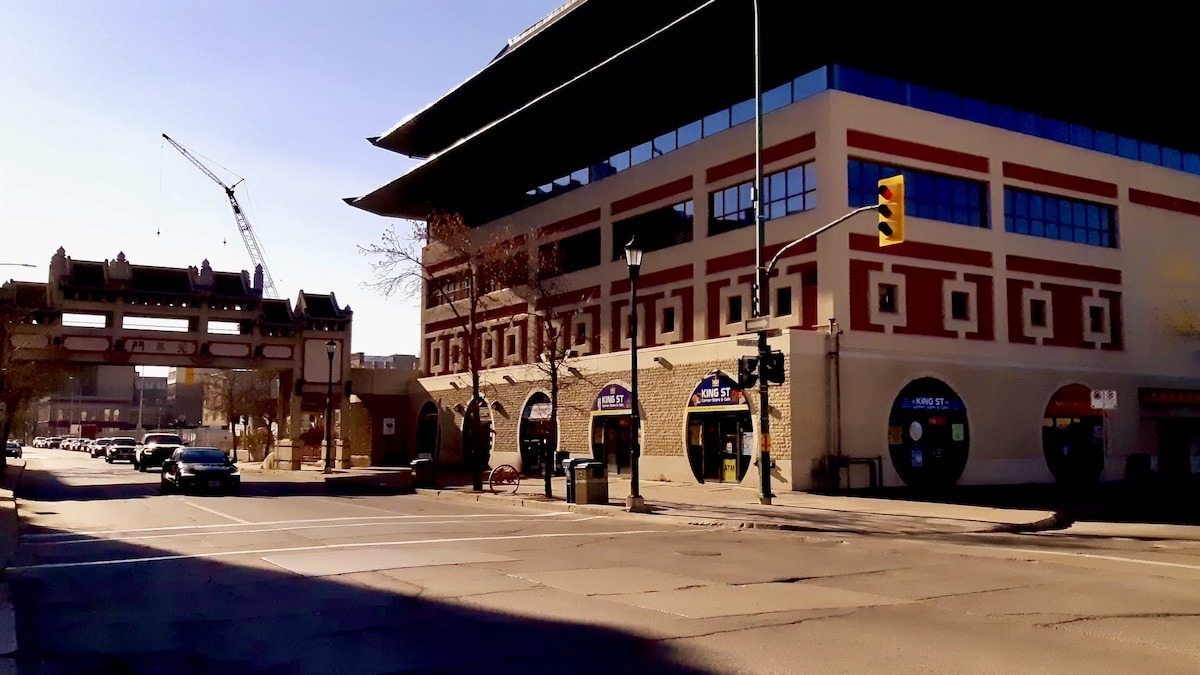
Shifting focus from high-energy events to the sustainable maintenance of human connection.
Community building is often mistaken for event planning. In the world of grassroots arts, we’re often taught to measure our impact by the size of the crowd, the volume of the music, or the number of likes on a post.
But if you are working with a limited budget and a small team, the most sustainable way to build a community isn’t by throwing a massive party once a year. It is by tending to the quiet, daily ecology of the people already in your circle. True community is not a product we deliver; it is an environment we cultivate.
Why does this matter?
Because for many creative leaders, especially younger ones, the pressure to scale is the quickest path to burnout. When we treat community building as a series of high-stakes productions, we exhaust our most valuable resource: our own energy. For a small organization, sustainability is not just about financial black ink; it is about emotional and creative longevity. A community built on a budget requires us to shift our focus from reach to depth. It is the difference between a flash flood that disappears overnight and a steady rain that actually soaks into the soil.
The most effective approach to building community on a budget is to embrace the principle of radial care. Start with the three or four people closest to the heart of the project. If those people feel supported, heard, and creatively nourished, they will naturally invite others into that space. You do not need to pay for advertising when you have created a culture that people actually want to join. This is community building as a byproduct of authentic connection rather than a goal of marketing. When the core is healthy, the edges will naturally expand.
One practical mindset is to prioritize maintenance over innovation. We often feel the urge to constantly invent new programs or festivals to keep people interested. Instead, try looking at what you are already doing and ask how it can be more relational. If you have a weekly meeting, can you host it in a public park where others can drift in and out? If you are working on a project, can you open the doors for a study hall style session where others can work on their own things nearby? This utilizes the resources you already have—your time and your space—to create a low-pressure point of entry for others.
Furthermore, community building on a budget requires us to decouple value from expenditure. Some of the most profound community moments happen in the gaps between the work. It is the conversation held while cleaning up after a small workshop, or the shared walk to the transit station. As a leader, your job is to protect these gaps. Do not over-program every minute. Allow for the silence and the unplanned interactions that let people actually see one another. When we stop trying to wow our audience, we give them the space to become our collaborators.
Finally, remember that a healthy community must value rest as much as it values production. In a resource-constrained environment, we often overcompensate by working harder. But a community that is always on is a community that is heading for a crash. Building a sustainable practice means normalizing the need to slow down. Trust the slow process.
Trust that by caring for the few, you are creating a foundation for the many. Small budgets aren’t an obstacle to community; they’re an invitation to build something that is actually human-scale.
Northern Arts and Regional Innovation
This is a collaborative initiative by The Arts Incubator Winnipeg and the Art Borups Corners art collective, supporting artists and creative projects in Melgund Township, Northwestern Ontario. Our groups champion rural arts development, community programming, Indigenous arts partnerships, and cultural innovation—strengthening the local and regional arts sector through mentorship, exhibitions, digital media, and sustainable creative entrepreneurship. Our events and activities include artists from Melgund Township, Winnipeg, Ignace, Sioux Lookout, Dryden, and beyond. You read more innovation-focused posts here.