Land Lab Program Enters Third Year with Spring Cleanup, Raspberry Transplanting, and Expanded Community Food and Garden Development
As the last patches of snow finally recede across Melgund Township, attention is turning back to the land. The spring season has officially begun for our Art Borups Corners Land Lab program, and the first task is a familiar but important one: cleanup, preparation, and getting growing spaces ready for a busy season of food production, food security work, and community gardening.
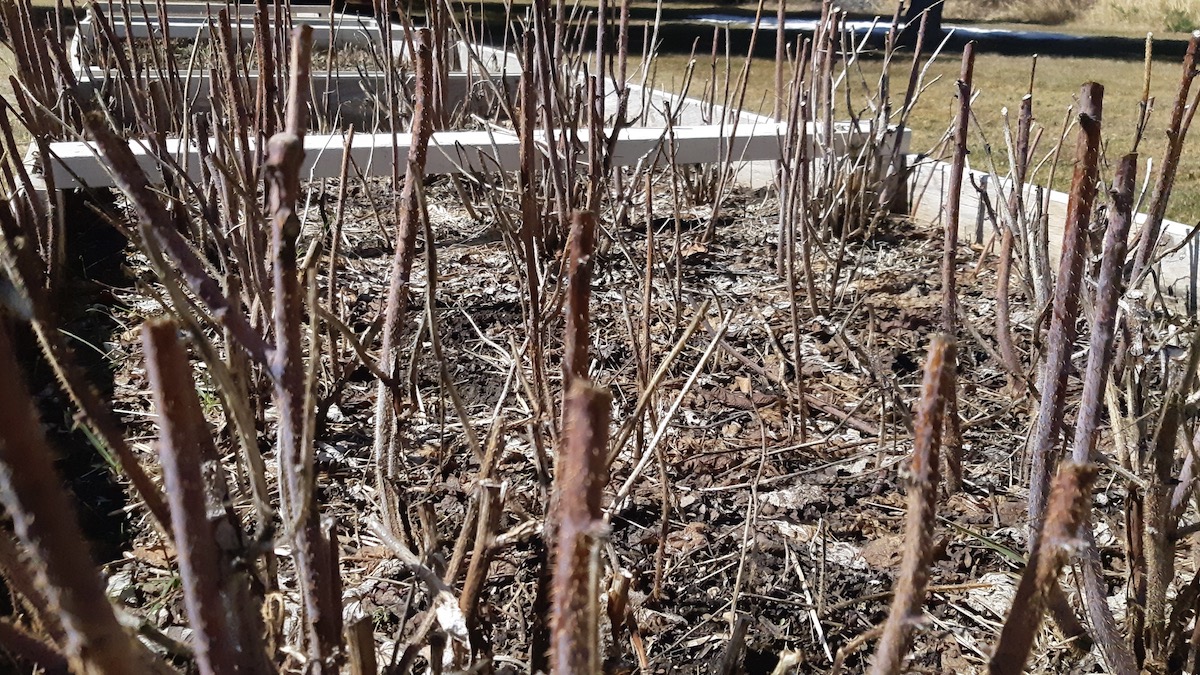
Across the site, garden beds and grow boxes are being cleared and reset for the months ahead. One of the most immediate priorities is the raspberry patches, which have flourished beyond expectations. Last year’s plantings have now filled their boxes completely, with vigorous new shoots spilling over the edges. The next step is careful transplanting—moving these established raspberry plants into new locations where they can continue to grow and expand.
Some of the plants will be moved into newly prepared trenches on site, while others, along with several young apple trees, will be transplanted into the community garden at the Dyment Recreation Hall and Complex. With its beautiful surrounding parkland and greenspace, the site is becoming an increasingly important shared space for gardening, recreation, and local food production in the community.
Now in its third year, the program has evolved from its early roots in arts and land-based learning into a broader seasonal system that connects recreation, food security, and community well-being. Originally seeded through support from the Canada Council for the Arts, the initiative has since grown through collaborative research and development work piloted between 2023 and 2025, including partnerships in Winnipeg, Manitoba, and research support from Manitoba Agriculture, the Sustainable Canadian Agricultural Partnership, Minneapolis College of Art and Design and the Labovitz School of Business and Economics at the University of Minnesota Duluth.
At its core, the program reflects a simple but important idea: that recreation spaces can also function as supportive environments for learning, connection, and local food systems. This aligns closely with the Framework for Recreation and Parks in Canada, particularly Goal 4, which emphasizes the importance of supportive physical and social environments that strengthen community life.
In practice, that means designing spaces that are welcoming, accessible, and inclusive—places where people can participate not only in gardening and food production, but also in building relationships and shared stewardship of local greenspaces. It also includes creating environments that support safety, comfort, and accessibility, including the idea of “quiet spaces” and ethical community spaces within recreation settings.
The growing system in Melgund Township now connects gardens, park spaces, and recreation infrastructure into a shared seasonal cycle. Food grows in one area, is shared through another, and is supported by ongoing community participation across the system. In this way, the land lab functions not just as a garden, but as part of a wider network of community-building activity rooted in place.
As planting season begins again, the focus is on renewal—clearing, moving, re-establishing, and preparing for another productive year. From raspberries to broader food gardens, the work happening now sets the stage for a summer of growth, connection, and shared learning across the community.