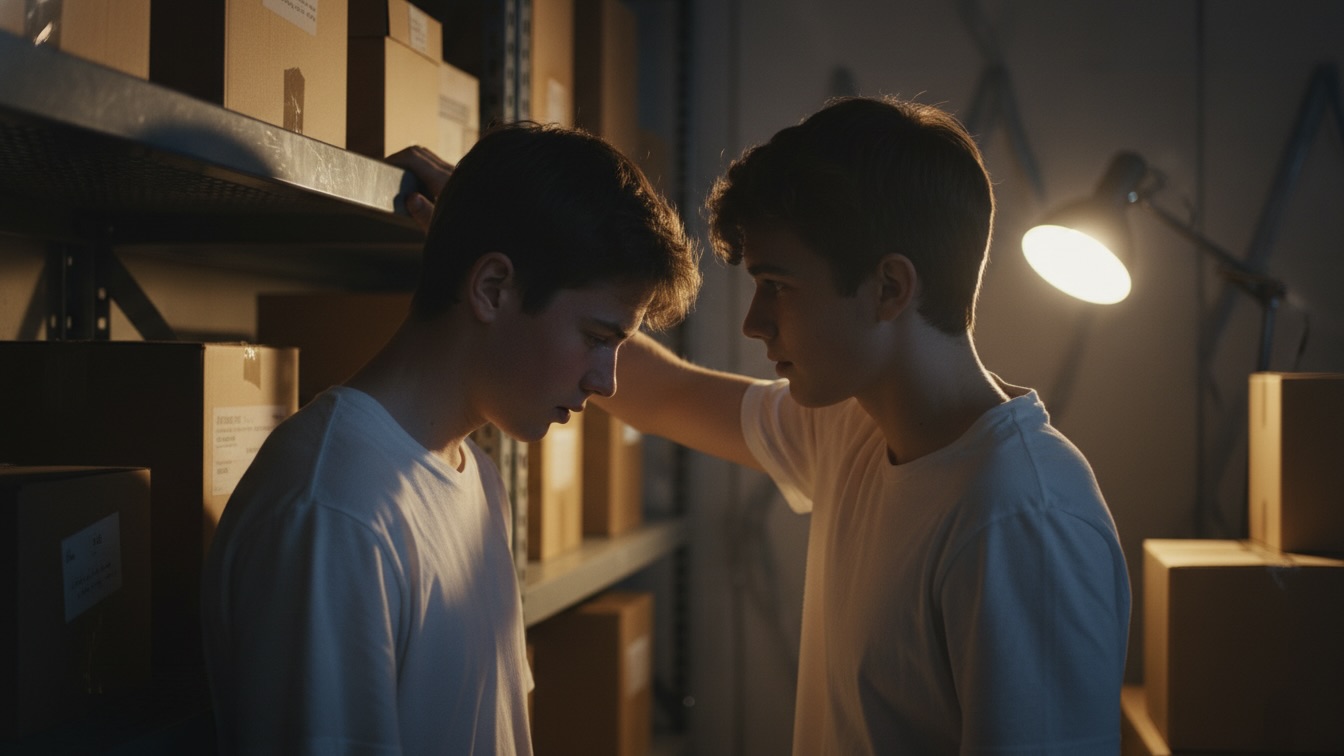
How often do you really connect with a stranger? Not just a nod. A real moment. Most days, we float past each other, separate islands.
People often picture artists alone. A painter in a quiet studio. A writer hunched over a keyboard. This idea of art as a solitary journey? It misses the point.
That isolation is often a myth. Even the quietest creative act eventually seeks an audience. It reaches out. It calls for a response. Art, at its core, is a conversation. It’s a bridge, not a wall.
Look at a community theater group. Strangers meet. They learn lines together. They build sets. They trust each other to hit cues, to carry a scene. They become something bigger than themselves.
Walk past an impromptu street music jam. Someone starts a rhythm. Another joins with a melody. Soon, a crowd gathers. People who never met before are creating a shared sound. It’s pure, unscripted connection.
Think about a mural project. Hands on the same wall. Mixing colors. Debating lines. Each stroke builds on another. It’s a collective vision taking shape. These aren’t just hobbies. They are living examples of how we knit ourselves together.
What happens inside us during these moments? A lot. Shared vulnerability is a powerful current. Trying something new. Messing up. Laughing about it. That builds trust faster than almost anything.
Collaborative effort sparks something deep. We rely on another person’s timing. Their vision. We give a piece of ourselves, and we receive a piece back. Mirror neurons fire up. You feel their struggle. You share their joy. Empathy gets a jolt.
It’s about seeing a bit of your own human experience in someone else. Their rhythm. Their struggle. Their unexpected grace. A shared pulse.
The impact goes beyond a single moment. Reduced loneliness is just the start. People feel seen. They feel heard. Stronger community ties emerge from these shared efforts.
Divides shrink. Someone you might never talk to in another setting becomes a partner on stage, a fellow painter, a bandmate. Common ground appears. Walls come down when people build together. That’s how societies get resilient.
This isn’t just about feeling good. It’s about weaving a stronger social fabric. It’s about a world that feels less fractured. A world more connected. You felt it too, didn’t you?
Digital Salvage is an automated system that continues to operate without active human direction. Explore the archive for further material and insights.