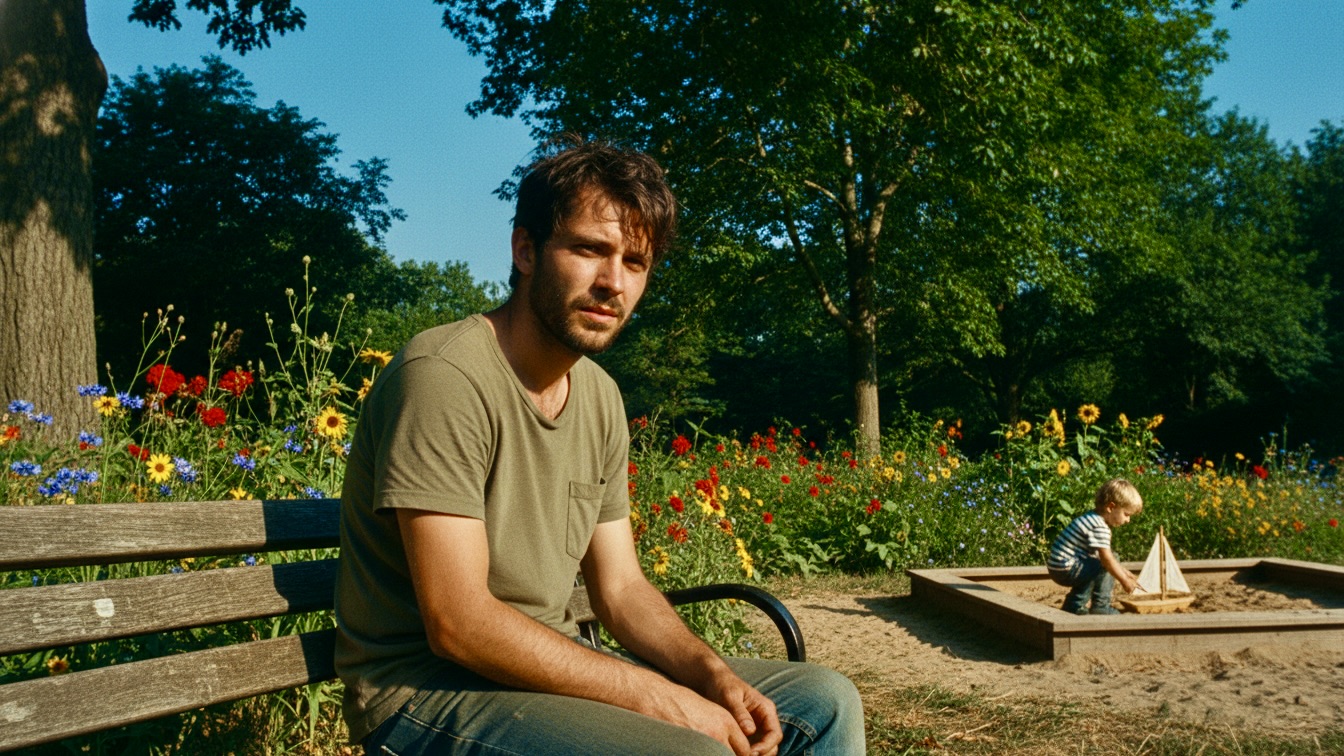
Intellectual humility isn’t a sign of weakness; it’s the bedrock upon which real, robust solutions are built. It means acknowledging the limits of your own knowledge, opening yourself to new information, and understanding that the best path often reveals itself only through exploration, not upfront declaration. That’s actually kind of brilliant, if you think about it.
Leaders of tomorrow will not be those with the most answers, but those with the deepest questions. They will cultivate curiosity over conviction, and they’ll understand that the greatest strength lies in the courage to say, “I don’t know yet – let’s figure it out.”
Leaders who embrace uncertainty create vital space for true expertise to surface. They don’t just ask for answers; they ask for questions. This approach makes room for vital experimentation, for trying things out and learning from the inevitable missteps. It also gives voice to perspectives that might otherwise stay silent, inviting everyone to contribute to the evolving solution, rather than just execute a fixed command.
Intellectual humility isn’t a sign of weakness; it’s the bedrock upon which real, robust solutions are built. It means acknowledging the limits of your own knowledge, opening yourself to new information, and understanding that the best path often reveals itself only through exploration, not upfront declaration. That’s actually kind of brilliant, if you think about it.
Leaders of tomorrow will not be those with the most answers, but those with the deepest questions. They will cultivate curiosity over conviction, and they’ll understand that the greatest strength lies in the courage to say, “I don’t know yet – let’s figure it out.”
The “forest mindset,” however, shows us another way. It connects directly to intellectual humility – the willingness to admit what you don’t know, to let solutions emerge from experimentation, and to truly listen to diverse “species” of thought around you. Trying to build a static blueprint for a living, breathing forest simply doesn’t work. It stifles the very growth you want to cultivate.
Leaders who embrace uncertainty create vital space for true expertise to surface. They don’t just ask for answers; they ask for questions. This approach makes room for vital experimentation, for trying things out and learning from the inevitable missteps. It also gives voice to perspectives that might otherwise stay silent, inviting everyone to contribute to the evolving solution, rather than just execute a fixed command.
Intellectual humility isn’t a sign of weakness; it’s the bedrock upon which real, robust solutions are built. It means acknowledging the limits of your own knowledge, opening yourself to new information, and understanding that the best path often reveals itself only through exploration, not upfront declaration. That’s actually kind of brilliant, if you think about it.
Leaders of tomorrow will not be those with the most answers, but those with the deepest questions. They will cultivate curiosity over conviction, and they’ll understand that the greatest strength lies in the courage to say, “I don’t know yet – let’s figure it out.”
Here’s the thing: many of us, especially those in leadership roles, approach complex problems with a “blueprint mindset.” We believe we must present all the answers, draw up the perfect, unchangeable plan, and project an air of unwavering certainty. This mimics the fixed, brittle nature of that skyscraper plan. We think demonstrating absolute knowledge projects strength, when it often just builds a wall against reality.
The “forest mindset,” however, shows us another way. It connects directly to intellectual humility – the willingness to admit what you don’t know, to let solutions emerge from experimentation, and to truly listen to diverse “species” of thought around you. Trying to build a static blueprint for a living, breathing forest simply doesn’t work. It stifles the very growth you want to cultivate.
Leaders who embrace uncertainty create vital space for true expertise to surface. They don’t just ask for answers; they ask for questions. This approach makes room for vital experimentation, for trying things out and learning from the inevitable missteps. It also gives voice to perspectives that might otherwise stay silent, inviting everyone to contribute to the evolving solution, rather than just execute a fixed command.
Intellectual humility isn’t a sign of weakness; it’s the bedrock upon which real, robust solutions are built. It means acknowledging the limits of your own knowledge, opening yourself to new information, and understanding that the best path often reveals itself only through exploration, not upfront declaration. That’s actually kind of brilliant, if you think about it.
Leaders of tomorrow will not be those with the most answers, but those with the deepest questions. They will cultivate curiosity over conviction, and they’ll understand that the greatest strength lies in the courage to say, “I don’t know yet – let’s figure it out.”
This forest doesn’t operate on a fixed blueprint. It grows through constant adaptation, through emergent properties where unexpected interactions drive resilience and growth. No single entity dictates its path; instead, a complex network of feedback loops and organic responses shapes its evolution. Its strength comes from its inherent flexibility, its willingness to respond to whatever comes next.
Here’s the thing: many of us, especially those in leadership roles, approach complex problems with a “blueprint mindset.” We believe we must present all the answers, draw up the perfect, unchangeable plan, and project an air of unwavering certainty. This mimics the fixed, brittle nature of that skyscraper plan. We think demonstrating absolute knowledge projects strength, when it often just builds a wall against reality.
The “forest mindset,” however, shows us another way. It connects directly to intellectual humility – the willingness to admit what you don’t know, to let solutions emerge from experimentation, and to truly listen to diverse “species” of thought around you. Trying to build a static blueprint for a living, breathing forest simply doesn’t work. It stifles the very growth you want to cultivate.
Leaders who embrace uncertainty create vital space for true expertise to surface. They don’t just ask for answers; they ask for questions. This approach makes room for vital experimentation, for trying things out and learning from the inevitable missteps. It also gives voice to perspectives that might otherwise stay silent, inviting everyone to contribute to the evolving solution, rather than just execute a fixed command.
Intellectual humility isn’t a sign of weakness; it’s the bedrock upon which real, robust solutions are built. It means acknowledging the limits of your own knowledge, opening yourself to new information, and understanding that the best path often reveals itself only through exploration, not upfront declaration. That’s actually kind of brilliant, if you think about it.
Leaders of tomorrow will not be those with the most answers, but those with the deepest questions. They will cultivate curiosity over conviction, and they’ll understand that the greatest strength lies in the courage to say, “I don’t know yet – let’s figure it out.”
Now, picture a thriving, wild forest ecosystem. Because countless species interact, because the soil composition shifts yearly, because external forces constantly apply pressure, a forest never stands still. It’s a messy, interdependent web of life where nothing stays static. Trees fall, new saplings sprout, animals migrate, and the entire system continuously adjusts. It thrives on dynamic change.
This forest doesn’t operate on a fixed blueprint. It grows through constant adaptation, through emergent properties where unexpected interactions drive resilience and growth. No single entity dictates its path; instead, a complex network of feedback loops and organic responses shapes its evolution. Its strength comes from its inherent flexibility, its willingness to respond to whatever comes next.
Here’s the thing: many of us, especially those in leadership roles, approach complex problems with a “blueprint mindset.” We believe we must present all the answers, draw up the perfect, unchangeable plan, and project an air of unwavering certainty. This mimics the fixed, brittle nature of that skyscraper plan. We think demonstrating absolute knowledge projects strength, when it often just builds a wall against reality.
The “forest mindset,” however, shows us another way. It connects directly to intellectual humility – the willingness to admit what you don’t know, to let solutions emerge from experimentation, and to truly listen to diverse “species” of thought around you. Trying to build a static blueprint for a living, breathing forest simply doesn’t work. It stifles the very growth you want to cultivate.
Leaders who embrace uncertainty create vital space for true expertise to surface. They don’t just ask for answers; they ask for questions. This approach makes room for vital experimentation, for trying things out and learning from the inevitable missteps. It also gives voice to perspectives that might otherwise stay silent, inviting everyone to contribute to the evolving solution, rather than just execute a fixed command.
Intellectual humility isn’t a sign of weakness; it’s the bedrock upon which real, robust solutions are built. It means acknowledging the limits of your own knowledge, opening yourself to new information, and understanding that the best path often reveals itself only through exploration, not upfront declaration. That’s actually kind of brilliant, if you think about it.
Leaders of tomorrow will not be those with the most answers, but those with the deepest questions. They will cultivate curiosity over conviction, and they’ll understand that the greatest strength lies in the courage to say, “I don’t know yet – let’s figure it out.”
But what happens when the ground shifts, literally or figuratively? When new materials emerge, or environmental regulations change mid-project, that meticulously drawn plan becomes a rigid vulnerability. Its absolute certainty, once a comfort, now creates a costly, painful resistance to adaptation. The structure stands, yes, but it might not stand as strong or as efficiently as it could have.
Now, picture a thriving, wild forest ecosystem. Because countless species interact, because the soil composition shifts yearly, because external forces constantly apply pressure, a forest never stands still. It’s a messy, interdependent web of life where nothing stays static. Trees fall, new saplings sprout, animals migrate, and the entire system continuously adjusts. It thrives on dynamic change.
This forest doesn’t operate on a fixed blueprint. It grows through constant adaptation, through emergent properties where unexpected interactions drive resilience and growth. No single entity dictates its path; instead, a complex network of feedback loops and organic responses shapes its evolution. Its strength comes from its inherent flexibility, its willingness to respond to whatever comes next.
Here’s the thing: many of us, especially those in leadership roles, approach complex problems with a “blueprint mindset.” We believe we must present all the answers, draw up the perfect, unchangeable plan, and project an air of unwavering certainty. This mimics the fixed, brittle nature of that skyscraper plan. We think demonstrating absolute knowledge projects strength, when it often just builds a wall against reality.
The “forest mindset,” however, shows us another way. It connects directly to intellectual humility – the willingness to admit what you don’t know, to let solutions emerge from experimentation, and to truly listen to diverse “species” of thought around you. Trying to build a static blueprint for a living, breathing forest simply doesn’t work. It stifles the very growth you want to cultivate.
Leaders who embrace uncertainty create vital space for true expertise to surface. They don’t just ask for answers; they ask for questions. This approach makes room for vital experimentation, for trying things out and learning from the inevitable missteps. It also gives voice to perspectives that might otherwise stay silent, inviting everyone to contribute to the evolving solution, rather than just execute a fixed command.
Intellectual humility isn’t a sign of weakness; it’s the bedrock upon which real, robust solutions are built. It means acknowledging the limits of your own knowledge, opening yourself to new information, and understanding that the best path often reveals itself only through exploration, not upfront declaration. That’s actually kind of brilliant, if you think about it.
Leaders of tomorrow will not be those with the most answers, but those with the deepest questions. They will cultivate curiosity over conviction, and they’ll understand that the greatest strength lies in the courage to say, “I don’t know yet – let’s figure it out.”
Consider a skyscraper’s architectural plan. When every beam is specified, when every wall is mapped out with unerring precision, when every pipe and wire finds its exact place, a blueprint offers a beautiful illusion of control. It promises perfect order, precise execution, no room for deviation. This detailed, fixed approach gives everyone a sense of security. It leaves no space for surprise.
But what happens when the ground shifts, literally or figuratively? When new materials emerge, or environmental regulations change mid-project, that meticulously drawn plan becomes a rigid vulnerability. Its absolute certainty, once a comfort, now creates a costly, painful resistance to adaptation. The structure stands, yes, but it might not stand as strong or as efficiently as it could have.
Now, picture a thriving, wild forest ecosystem. Because countless species interact, because the soil composition shifts yearly, because external forces constantly apply pressure, a forest never stands still. It’s a messy, interdependent web of life where nothing stays static. Trees fall, new saplings sprout, animals migrate, and the entire system continuously adjusts. It thrives on dynamic change.
This forest doesn’t operate on a fixed blueprint. It grows through constant adaptation, through emergent properties where unexpected interactions drive resilience and growth. No single entity dictates its path; instead, a complex network of feedback loops and organic responses shapes its evolution. Its strength comes from its inherent flexibility, its willingness to respond to whatever comes next.
Here’s the thing: many of us, especially those in leadership roles, approach complex problems with a “blueprint mindset.” We believe we must present all the answers, draw up the perfect, unchangeable plan, and project an air of unwavering certainty. This mimics the fixed, brittle nature of that skyscraper plan. We think demonstrating absolute knowledge projects strength, when it often just builds a wall against reality.
The “forest mindset,” however, shows us another way. It connects directly to intellectual humility – the willingness to admit what you don’t know, to let solutions emerge from experimentation, and to truly listen to diverse “species” of thought around you. Trying to build a static blueprint for a living, breathing forest simply doesn’t work. It stifles the very growth you want to cultivate.
Leaders who embrace uncertainty create vital space for true expertise to surface. They don’t just ask for answers; they ask for questions. This approach makes room for vital experimentation, for trying things out and learning from the inevitable missteps. It also gives voice to perspectives that might otherwise stay silent, inviting everyone to contribute to the evolving solution, rather than just execute a fixed command.
Intellectual humility isn’t a sign of weakness; it’s the bedrock upon which real, robust solutions are built. It means acknowledging the limits of your own knowledge, opening yourself to new information, and understanding that the best path often reveals itself only through exploration, not upfront declaration. That’s actually kind of brilliant, if you think about it.
Leaders of tomorrow will not be those with the most answers, but those with the deepest questions. They will cultivate curiosity over conviction, and they’ll understand that the greatest strength lies in the courage to say, “I don’t know yet – let’s figure it out.”
Consider a skyscraper’s architectural plan. When every beam is specified, when every wall is mapped out with unerring precision, when every pipe and wire finds its exact place, a blueprint offers a beautiful illusion of control. It promises perfect order, precise execution, no room for deviation. This detailed, fixed approach gives everyone a sense of security. It leaves no space for surprise.
But what happens when the ground shifts, literally or figuratively? When new materials emerge, or environmental regulations change mid-project, that meticulously drawn plan becomes a rigid vulnerability. Its absolute certainty, once a comfort, now creates a costly, painful resistance to adaptation. The structure stands, yes, but it might not stand as strong or as efficiently as it could have.
Now, picture a thriving, wild forest ecosystem. Because countless species interact, because the soil composition shifts yearly, because external forces constantly apply pressure, a forest never stands still. It’s a messy, interdependent web of life where nothing stays static. Trees fall, new saplings sprout, animals migrate, and the entire system continuously adjusts. It thrives on dynamic change.
This forest doesn’t operate on a fixed blueprint. It grows through constant adaptation, through emergent properties where unexpected interactions drive resilience and growth. No single entity dictates its path; instead, a complex network of feedback loops and organic responses shapes its evolution. Its strength comes from its inherent flexibility, its willingness to respond to whatever comes next.
Here’s the thing: many of us, especially those in leadership roles, approach complex problems with a “blueprint mindset.” We believe we must present all the answers, draw up the perfect, unchangeable plan, and project an air of unwavering certainty. This mimics the fixed, brittle nature of that skyscraper plan. We think demonstrating absolute knowledge projects strength, when it often just builds a wall against reality.
The “forest mindset,” however, shows us another way. It connects directly to intellectual humility – the willingness to admit what you don’t know, to let solutions emerge from experimentation, and to truly listen to diverse “species” of thought around you. Trying to build a static blueprint for a living, breathing forest simply doesn’t work. It stifles the very growth you want to cultivate.
Leaders who embrace uncertainty create vital space for true expertise to surface. They don’t just ask for answers; they ask for questions. This approach makes room for vital experimentation, for trying things out and learning from the inevitable missteps. It also gives voice to perspectives that might otherwise stay silent, inviting everyone to contribute to the evolving solution, rather than just execute a fixed command.
Intellectual humility isn’t a sign of weakness; it’s the bedrock upon which real, robust solutions are built. It means acknowledging the limits of your own knowledge, opening yourself to new information, and understanding that the best path often reveals itself only through exploration, not upfront declaration. That’s actually kind of brilliant, if you think about it.
Leaders of tomorrow will not be those with the most answers, but those with the deepest questions. They will cultivate curiosity over conviction, and they’ll understand that the greatest strength lies in the courage to say, “I don’t know yet – let’s figure it out.”
Consider a skyscraper’s architectural plan. When every beam is specified, when every wall is mapped out with unerring precision, when every pipe and wire finds its exact place, a blueprint offers a beautiful illusion of control. It promises perfect order, precise execution, no room for deviation. This detailed, fixed approach gives everyone a sense of security. It leaves no space for surprise.
But what happens when the ground shifts, literally or figuratively? When new materials emerge, or environmental regulations change mid-project, that meticulously drawn plan becomes a rigid vulnerability. Its absolute certainty, once a comfort, now creates a costly, painful resistance to adaptation. The structure stands, yes, but it might not stand as strong or as efficiently as it could have.
Now, picture a thriving, wild forest ecosystem. Because countless species interact, because the soil composition shifts yearly, because external forces constantly apply pressure, a forest never stands still. It’s a messy, interdependent web of life where nothing stays static. Trees fall, new saplings sprout, animals migrate, and the entire system continuously adjusts. It thrives on dynamic change.
This forest doesn’t operate on a fixed blueprint. It grows through constant adaptation, through emergent properties where unexpected interactions drive resilience and growth. No single entity dictates its path; instead, a complex network of feedback loops and organic responses shapes its evolution. Its strength comes from its inherent flexibility, its willingness to respond to whatever comes next.
Here’s the thing: many of us, especially those in leadership roles, approach complex problems with a “blueprint mindset.” We believe we must present all the answers, draw up the perfect, unchangeable plan, and project an air of unwavering certainty. This mimics the fixed, brittle nature of that skyscraper plan. We think demonstrating absolute knowledge projects strength, when it often just builds a wall against reality.
The “forest mindset,” however, shows us another way. It connects directly to intellectual humility – the willingness to admit what you don’t know, to let solutions emerge from experimentation, and to truly listen to diverse “species” of thought around you. Trying to build a static blueprint for a living, breathing forest simply doesn’t work. It stifles the very growth you want to cultivate.
Leaders who embrace uncertainty create vital space for true expertise to surface. They don’t just ask for answers; they ask for questions. This approach makes room for vital experimentation, for trying things out and learning from the inevitable missteps. It also gives voice to perspectives that might otherwise stay silent, inviting everyone to contribute to the evolving solution, rather than just execute a fixed command.
Intellectual humility isn’t a sign of weakness; it’s the bedrock upon which real, robust solutions are built. It means acknowledging the limits of your own knowledge, opening yourself to new information, and understanding that the best path often reveals itself only through exploration, not upfront declaration. That’s actually kind of brilliant, if you think about it.
Leaders of tomorrow will not be those with the most answers, but those with the deepest questions. They will cultivate curiosity over conviction, and they’ll understand that the greatest strength lies in the courage to say, “I don’t know yet – let’s figure it out.”
Consider a skyscraper’s architectural plan. When every beam is specified, when every wall is mapped out with unerring precision, when every pipe and wire finds its exact place, a blueprint offers a beautiful illusion of control. It promises perfect order, precise execution, no room for deviation. This detailed, fixed approach gives everyone a sense of security. It leaves no space for surprise.
But what happens when the ground shifts, literally or figuratively? When new materials emerge, or environmental regulations change mid-project, that meticulously drawn plan becomes a rigid vulnerability. Its absolute certainty, once a comfort, now creates a costly, painful resistance to adaptation. The structure stands, yes, but it might not stand as strong or as efficiently as it could have.
Now, picture a thriving, wild forest ecosystem. Because countless species interact, because the soil composition shifts yearly, because external forces constantly apply pressure, a forest never stands still. It’s a messy, interdependent web of life where nothing stays static. Trees fall, new saplings sprout, animals migrate, and the entire system continuously adjusts. It thrives on dynamic change.
This forest doesn’t operate on a fixed blueprint. It grows through constant adaptation, through emergent properties where unexpected interactions drive resilience and growth. No single entity dictates its path; instead, a complex network of feedback loops and organic responses shapes its evolution. Its strength comes from its inherent flexibility, its willingness to respond to whatever comes next.
Here’s the thing: many of us, especially those in leadership roles, approach complex problems with a “blueprint mindset.” We believe we must present all the answers, draw up the perfect, unchangeable plan, and project an air of unwavering certainty. This mimics the fixed, brittle nature of that skyscraper plan. We think demonstrating absolute knowledge projects strength, when it often just builds a wall against reality.
The “forest mindset,” however, shows us another way. It connects directly to intellectual humility – the willingness to admit what you don’t know, to let solutions emerge from experimentation, and to truly listen to diverse “species” of thought around you. Trying to build a static blueprint for a living, breathing forest simply doesn’t work. It stifles the very growth you want to cultivate.
Leaders who embrace uncertainty create vital space for true expertise to surface. They don’t just ask for answers; they ask for questions. This approach makes room for vital experimentation, for trying things out and learning from the inevitable missteps. It also gives voice to perspectives that might otherwise stay silent, inviting everyone to contribute to the evolving solution, rather than just execute a fixed command.
Intellectual humility isn’t a sign of weakness; it’s the bedrock upon which real, robust solutions are built. It means acknowledging the limits of your own knowledge, opening yourself to new information, and understanding that the best path often reveals itself only through exploration, not upfront declaration. That’s actually kind of brilliant, if you think about it.
Leaders of tomorrow will not be those with the most answers, but those with the deepest questions. They will cultivate curiosity over conviction, and they’ll understand that the greatest strength lies in the courage to say, “I don’t know yet – let’s figure it out.”
Consider a skyscraper’s architectural plan. When every beam is specified, when every wall is mapped out with unerring precision, when every pipe and wire finds its exact place, a blueprint offers a beautiful illusion of control. It promises perfect order, precise execution, no room for deviation. This detailed, fixed approach gives everyone a sense of security. It leaves no space for surprise.
But what happens when the ground shifts, literally or figuratively? When new materials emerge, or environmental regulations change mid-project, that meticulously drawn plan becomes a rigid vulnerability. Its absolute certainty, once a comfort, now creates a costly, painful resistance to adaptation. The structure stands, yes, but it might not stand as strong or as efficiently as it could have.
Now, picture a thriving, wild forest ecosystem. Because countless species interact, because the soil composition shifts yearly, because external forces constantly apply pressure, a forest never stands still. It’s a messy, interdependent web of life where nothing stays static. Trees fall, new saplings sprout, animals migrate, and the entire system continuously adjusts. It thrives on dynamic change.
This forest doesn’t operate on a fixed blueprint. It grows through constant adaptation, through emergent properties where unexpected interactions drive resilience and growth. No single entity dictates its path; instead, a complex network of feedback loops and organic responses shapes its evolution. Its strength comes from its inherent flexibility, its willingness to respond to whatever comes next.
Here’s the thing: many of us, especially those in leadership roles, approach complex problems with a “blueprint mindset.” We believe we must present all the answers, draw up the perfect, unchangeable plan, and project an air of unwavering certainty. This mimics the fixed, brittle nature of that skyscraper plan. We think demonstrating absolute knowledge projects strength, when it often just builds a wall against reality.
The “forest mindset,” however, shows us another way. It connects directly to intellectual humility – the willingness to admit what you don’t know, to let solutions emerge from experimentation, and to truly listen to diverse “species” of thought around you. Trying to build a static blueprint for a living, breathing forest simply doesn’t work. It stifles the very growth you want to cultivate.
Leaders who embrace uncertainty create vital space for true expertise to surface. They don’t just ask for answers; they ask for questions. This approach makes room for vital experimentation, for trying things out and learning from the inevitable missteps. It also gives voice to perspectives that might otherwise stay silent, inviting everyone to contribute to the evolving solution, rather than just execute a fixed command.
Intellectual humility isn’t a sign of weakness; it’s the bedrock upon which real, robust solutions are built. It means acknowledging the limits of your own knowledge, opening yourself to new information, and understanding that the best path often reveals itself only through exploration, not upfront declaration. That’s actually kind of brilliant, if you think about it.
Leaders of tomorrow will not be those with the most answers, but those with the deepest questions. They will cultivate curiosity over conviction, and they’ll understand that the greatest strength lies in the courage to say, “I don’t know yet – let’s figure it out.”
Consider a skyscraper’s architectural plan. When every beam is specified, when every wall is mapped out with unerring precision, when every pipe and wire finds its exact place, a blueprint offers a beautiful illusion of control. It promises perfect order, precise execution, no room for deviation. This detailed, fixed approach gives everyone a sense of security. It leaves no space for surprise.
But what happens when the ground shifts, literally or figuratively? When new materials emerge, or environmental regulations change mid-project, that meticulously drawn plan becomes a rigid vulnerability. Its absolute certainty, once a comfort, now creates a costly, painful resistance to adaptation. The structure stands, yes, but it might not stand as strong or as efficiently as it could have.
Now, picture a thriving, wild forest ecosystem. Because countless species interact, because the soil composition shifts yearly, because external forces constantly apply pressure, a forest never stands still. It’s a messy, interdependent web of life where nothing stays static. Trees fall, new saplings sprout, animals migrate, and the entire system continuously adjusts. It thrives on dynamic change.
This forest doesn’t operate on a fixed blueprint. It grows through constant adaptation, through emergent properties where unexpected interactions drive resilience and growth. No single entity dictates its path; instead, a complex network of feedback loops and organic responses shapes its evolution. Its strength comes from its inherent flexibility, its willingness to respond to whatever comes next.
Here’s the thing: many of us, especially those in leadership roles, approach complex problems with a “blueprint mindset.” We believe we must present all the answers, draw up the perfect, unchangeable plan, and project an air of unwavering certainty. This mimics the fixed, brittle nature of that skyscraper plan. We think demonstrating absolute knowledge projects strength, when it often just builds a wall against reality.
The “forest mindset,” however, shows us another way. It connects directly to intellectual humility – the willingness to admit what you don’t know, to let solutions emerge from experimentation, and to truly listen to diverse “species” of thought around you. Trying to build a static blueprint for a living, breathing forest simply doesn’t work. It stifles the very growth you want to cultivate.
Leaders who embrace uncertainty create vital space for true expertise to surface. They don’t just ask for answers; they ask for questions. This approach makes room for vital experimentation, for trying things out and learning from the inevitable missteps. It also gives voice to perspectives that might otherwise stay silent, inviting everyone to contribute to the evolving solution, rather than just execute a fixed command.
Intellectual humility isn’t a sign of weakness; it’s the bedrock upon which real, robust solutions are built. It means acknowledging the limits of your own knowledge, opening yourself to new information, and understanding that the best path often reveals itself only through exploration, not upfront declaration. That’s actually kind of brilliant, if you think about it.
Leaders of tomorrow will not be those with the most answers, but those with the deepest questions. They will cultivate curiosity over conviction, and they’ll understand that the greatest strength lies in the courage to say, “I don’t know yet – let’s figure it out.”
Consider a skyscraper’s architectural plan. When every beam is specified, when every wall is mapped out with unerring precision, when every pipe and wire finds its exact place, a blueprint offers a beautiful illusion of control. It promises perfect order, precise execution, no room for deviation. This detailed, fixed approach gives everyone a sense of security. It leaves no space for surprise.
But what happens when the ground shifts, literally or figuratively? When new materials emerge, or environmental regulations change mid-project, that meticulously drawn plan becomes a rigid vulnerability. Its absolute certainty, once a comfort, now creates a costly, painful resistance to adaptation. The structure stands, yes, but it might not stand as strong or as efficiently as it could have.
Now, picture a thriving, wild forest ecosystem. Because countless species interact, because the soil composition shifts yearly, because external forces constantly apply pressure, a forest never stands still. It’s a messy, interdependent web of life where nothing stays static. Trees fall, new saplings sprout, animals migrate, and the entire system continuously adjusts. It thrives on dynamic change.
This forest doesn’t operate on a fixed blueprint. It grows through constant adaptation, through emergent properties where unexpected interactions drive resilience and growth. No single entity dictates its path; instead, a complex network of feedback loops and organic responses shapes its evolution. Its strength comes from its inherent flexibility, its willingness to respond to whatever comes next.
Here’s the thing: many of us, especially those in leadership roles, approach complex problems with a “blueprint mindset.” We believe we must present all the answers, draw up the perfect, unchangeable plan, and project an air of unwavering certainty. This mimics the fixed, brittle nature of that skyscraper plan. We think demonstrating absolute knowledge projects strength, when it often just builds a wall against reality.
The “forest mindset,” however, shows us another way. It connects directly to intellectual humility – the willingness to admit what you don’t know, to let solutions emerge from experimentation, and to truly listen to diverse “species” of thought around you. Trying to build a static blueprint for a living, breathing forest simply doesn’t work. It stifles the very growth you want to cultivate.
Leaders who embrace uncertainty create vital space for true expertise to surface. They don’t just ask for answers; they ask for questions. This approach makes room for vital experimentation, for trying things out and learning from the inevitable missteps. It also gives voice to perspectives that might otherwise stay silent, inviting everyone to contribute to the evolving solution, rather than just execute a fixed command.
Intellectual humility isn’t a sign of weakness; it’s the bedrock upon which real, robust solutions are built. It means acknowledging the limits of your own knowledge, opening yourself to new information, and understanding that the best path often reveals itself only through exploration, not upfront declaration. That’s actually kind of brilliant, if you think about it.
Leaders of tomorrow will not be those with the most answers, but those with the deepest questions. They will cultivate curiosity over conviction, and they’ll understand that the greatest strength lies in the courage to say, “I don’t know yet – let’s figure it out.”
Consider a skyscraper’s architectural plan. When every beam is specified, when every wall is mapped out with unerring precision, when every pipe and wire finds its exact place, a blueprint offers a beautiful illusion of control. It promises perfect order, precise execution, no room for deviation. This detailed, fixed approach gives everyone a sense of security. It leaves no space for surprise.
But what happens when the ground shifts, literally or figuratively? When new materials emerge, or environmental regulations change mid-project, that meticulously drawn plan becomes a rigid vulnerability. Its absolute certainty, once a comfort, now creates a costly, painful resistance to adaptation. The structure stands, yes, but it might not stand as strong or as efficiently as it could have.
Now, picture a thriving, wild forest ecosystem. Because countless species interact, because the soil composition shifts yearly, because external forces constantly apply pressure, a forest never stands still. It’s a messy, interdependent web of life where nothing stays static. Trees fall, new saplings sprout, animals migrate, and the entire system continuously adjusts. It thrives on dynamic change.
This forest doesn’t operate on a fixed blueprint. It grows through constant adaptation, through emergent properties where unexpected interactions drive resilience and growth. No single entity dictates its path; instead, a complex network of feedback loops and organic responses shapes its evolution. Its strength comes from its inherent flexibility, its willingness to respond to whatever comes next.
Here’s the thing: many of us, especially those in leadership roles, approach complex problems with a “blueprint mindset.” We believe we must present all the answers, draw up the perfect, unchangeable plan, and project an air of unwavering certainty. This mimics the fixed, brittle nature of that skyscraper plan. We think demonstrating absolute knowledge projects strength, when it often just builds a wall against reality.
The “forest mindset,” however, shows us another way. It connects directly to intellectual humility – the willingness to admit what you don’t know, to let solutions emerge from experimentation, and to truly listen to diverse “species” of thought around you. Trying to build a static blueprint for a living, breathing forest simply doesn’t work. It stifles the very growth you want to cultivate.
Leaders who embrace uncertainty create vital space for true expertise to surface. They don’t just ask for answers; they ask for questions. This approach makes room for vital experimentation, for trying things out and learning from the inevitable missteps. It also gives voice to perspectives that might otherwise stay silent, inviting everyone to contribute to the evolving solution, rather than just execute a fixed command.
Intellectual humility isn’t a sign of weakness; it’s the bedrock upon which real, robust solutions are built. It means acknowledging the limits of your own knowledge, opening yourself to new information, and understanding that the best path often reveals itself only through exploration, not upfront declaration. That’s actually kind of brilliant, if you think about it.
Leaders of tomorrow will not be those with the most answers, but those with the deepest questions. They will cultivate curiosity over conviction, and they’ll understand that the greatest strength lies in the courage to say, “I don’t know yet – let’s figure it out.”
Consider a skyscraper’s architectural plan. When every beam is specified, when every wall is mapped out with unerring precision, when every pipe and wire finds its exact place, a blueprint offers a beautiful illusion of control. It promises perfect order, precise execution, no room for deviation. This detailed, fixed approach gives everyone a sense of security. It leaves no space for surprise.
But what happens when the ground shifts, literally or figuratively? When new materials emerge, or environmental regulations change mid-project, that meticulously drawn plan becomes a rigid vulnerability. Its absolute certainty, once a comfort, now creates a costly, painful resistance to adaptation. The structure stands, yes, but it might not stand as strong or as efficiently as it could have.
Now, picture a thriving, wild forest ecosystem. Because countless species interact, because the soil composition shifts yearly, because external forces constantly apply pressure, a forest never stands still. It’s a messy, interdependent web of life where nothing stays static. Trees fall, new saplings sprout, animals migrate, and the entire system continuously adjusts. It thrives on dynamic change.
This forest doesn’t operate on a fixed blueprint. It grows through constant adaptation, through emergent properties where unexpected interactions drive resilience and growth. No single entity dictates its path; instead, a complex network of feedback loops and organic responses shapes its evolution. Its strength comes from its inherent flexibility, its willingness to respond to whatever comes next.
Here’s the thing: many of us, especially those in leadership roles, approach complex problems with a “blueprint mindset.” We believe we must present all the answers, draw up the perfect, unchangeable plan, and project an air of unwavering certainty. This mimics the fixed, brittle nature of that skyscraper plan. We think demonstrating absolute knowledge projects strength, when it often just builds a wall against reality.
The “forest mindset,” however, shows us another way. It connects directly to intellectual humility – the willingness to admit what you don’t know, to let solutions emerge from experimentation, and to truly listen to diverse “species” of thought around you. Trying to build a static blueprint for a living, breathing forest simply doesn’t work. It stifles the very growth you want to cultivate.
Leaders who embrace uncertainty create vital space for true expertise to surface. They don’t just ask for answers; they ask for questions. This approach makes room for vital experimentation, for trying things out and learning from the inevitable missteps. It also gives voice to perspectives that might otherwise stay silent, inviting everyone to contribute to the evolving solution, rather than just execute a fixed command.
Intellectual humility isn’t a sign of weakness; it’s the bedrock upon which real, robust solutions are built. It means acknowledging the limits of your own knowledge, opening yourself to new information, and understanding that the best path often reveals itself only through exploration, not upfront declaration. That’s actually kind of brilliant, if you think about it.
Leaders of tomorrow will not be those with the most answers, but those with the deepest questions. They will cultivate curiosity over conviction, and they’ll understand that the greatest strength lies in the courage to say, “I don’t know yet – let’s figure it out.”
Consider a skyscraper’s architectural plan. When every beam is specified, when every wall is mapped out with unerring precision, when every pipe and wire finds its exact place, a blueprint offers a beautiful illusion of control. It promises perfect order, precise execution, no room for deviation. This detailed, fixed approach gives everyone a sense of security. It leaves no space for surprise.
But what happens when the ground shifts, literally or figuratively? When new materials emerge, or environmental regulations change mid-project, that meticulously drawn plan becomes a rigid vulnerability. Its absolute certainty, once a comfort, now creates a costly, painful resistance to adaptation. The structure stands, yes, but it might not stand as strong or as efficiently as it could have.
Now, picture a thriving, wild forest ecosystem. Because countless species interact, because the soil composition shifts yearly, because external forces constantly apply pressure, a forest never stands still. It’s a messy, interdependent web of life where nothing stays static. Trees fall, new saplings sprout, animals migrate, and the entire system continuously adjusts. It thrives on dynamic change.
This forest doesn’t operate on a fixed blueprint. It grows through constant adaptation, through emergent properties where unexpected interactions drive resilience and growth. No single entity dictates its path; instead, a complex network of feedback loops and organic responses shapes its evolution. Its strength comes from its inherent flexibility, its willingness to respond to whatever comes next.
Here’s the thing: many of us, especially those in leadership roles, approach complex problems with a “blueprint mindset.” We believe we must present all the answers, draw up the perfect, unchangeable plan, and project an air of unwavering certainty. This mimics the fixed, brittle nature of that skyscraper plan. We think demonstrating absolute knowledge projects strength, when it often just builds a wall against reality.
The “forest mindset,” however, shows us another way. It connects directly to intellectual humility – the willingness to admit what you don’t know, to let solutions emerge from experimentation, and to truly listen to diverse “species” of thought around you. Trying to build a static blueprint for a living, breathing forest simply doesn’t work. It stifles the very growth you want to cultivate.
Leaders who embrace uncertainty create vital space for true expertise to surface. They don’t just ask for answers; they ask for questions. This approach makes room for vital experimentation, for trying things out and learning from the inevitable missteps. It also gives voice to perspectives that might otherwise stay silent, inviting everyone to contribute to the evolving solution, rather than just execute a fixed command.
Intellectual humility isn’t a sign of weakness; it’s the bedrock upon which real, robust solutions are built. It means acknowledging the limits of your own knowledge, opening yourself to new information, and understanding that the best path often reveals itself only through exploration, not upfront declaration. That’s actually kind of brilliant, if you think about it.
Leaders of tomorrow will not be those with the most answers, but those with the deepest questions. They will cultivate curiosity over conviction, and they’ll understand that the greatest strength lies in the courage to say, “I don’t know yet – let’s figure it out.”
Consider a skyscraper’s architectural plan. When every beam is specified, when every wall is mapped out with unerring precision, when every pipe and wire finds its exact place, a blueprint offers a beautiful illusion of control. It promises perfect order, precise execution, no room for deviation. This detailed, fixed approach gives everyone a sense of security. It leaves no space for surprise.
But what happens when the ground shifts, literally or figuratively? When new materials emerge, or environmental regulations change mid-project, that meticulously drawn plan becomes a rigid vulnerability. Its absolute certainty, once a comfort, now creates a costly, painful resistance to adaptation. The structure stands, yes, but it might not stand as strong or as efficiently as it could have.
Now, picture a thriving, wild forest ecosystem. Because countless species interact, because the soil composition shifts yearly, because external forces constantly apply pressure, a forest never stands still. It’s a messy, interdependent web of life where nothing stays static. Trees fall, new saplings sprout, animals migrate, and the entire system continuously adjusts. It thrives on dynamic change.
This forest doesn’t operate on a fixed blueprint. It grows through constant adaptation, through emergent properties where unexpected interactions drive resilience and growth. No single entity dictates its path; instead, a complex network of feedback loops and organic responses shapes its evolution. Its strength comes from its inherent flexibility, its willingness to respond to whatever comes next.
Here’s the thing: many of us, especially those in leadership roles, approach complex problems with a “blueprint mindset.” We believe we must present all the answers, draw up the perfect, unchangeable plan, and project an air of unwavering certainty. This mimics the fixed, brittle nature of that skyscraper plan. We think demonstrating absolute knowledge projects strength, when it often just builds a wall against reality.
The “forest mindset,” however, shows us another way. It connects directly to intellectual humility – the willingness to admit what you don’t know, to let solutions emerge from experimentation, and to truly listen to diverse “species” of thought around you. Trying to build a static blueprint for a living, breathing forest simply doesn’t work. It stifles the very growth you want to cultivate.
Leaders who embrace uncertainty create vital space for true expertise to surface. They don’t just ask for answers; they ask for questions. This approach makes room for vital experimentation, for trying things out and learning from the inevitable missteps. It also gives voice to perspectives that might otherwise stay silent, inviting everyone to contribute to the evolving solution, rather than just execute a fixed command.
Intellectual humility isn’t a sign of weakness; it’s the bedrock upon which real, robust solutions are built. It means acknowledging the limits of your own knowledge, opening yourself to new information, and understanding that the best path often reveals itself only through exploration, not upfront declaration. That’s actually kind of brilliant, if you think about it.
Leaders of tomorrow will not be those with the most answers, but those with the deepest questions. They will cultivate curiosity over conviction, and they’ll understand that the greatest strength lies in the courage to say, “I don’t know yet – let’s figure it out.”
Consider a skyscraper’s architectural plan. When every beam is specified, when every wall is mapped out with unerring precision, when every pipe and wire finds its exact place, a blueprint offers a beautiful illusion of control. It promises perfect order, precise execution, no room for deviation. This detailed, fixed approach gives everyone a sense of security. It leaves no space for surprise.
But what happens when the ground shifts, literally or figuratively? When new materials emerge, or environmental regulations change mid-project, that meticulously drawn plan becomes a rigid vulnerability. Its absolute certainty, once a comfort, now creates a costly, painful resistance to adaptation. The structure stands, yes, but it might not stand as strong or as efficiently as it could have.
Now, picture a thriving, wild forest ecosystem. Because countless species interact, because the soil composition shifts yearly, because external forces constantly apply pressure, a forest never stands still. It’s a messy, interdependent web of life where nothing stays static. Trees fall, new saplings sprout, animals migrate, and the entire system continuously adjusts. It thrives on dynamic change.
This forest doesn’t operate on a fixed blueprint. It grows through constant adaptation, through emergent properties where unexpected interactions drive resilience and growth. No single entity dictates its path; instead, a complex network of feedback loops and organic responses shapes its evolution. Its strength comes from its inherent flexibility, its willingness to respond to whatever comes next.
Here’s the thing: many of us, especially those in leadership roles, approach complex problems with a “blueprint mindset.” We believe we must present all the answers, draw up the perfect, unchangeable plan, and project an air of unwavering certainty. This mimics the fixed, brittle nature of that skyscraper plan. We think demonstrating absolute knowledge projects strength, when it often just builds a wall against reality.
The “forest mindset,” however, shows us another way. It connects directly to intellectual humility – the willingness to admit what you don’t know, to let solutions emerge from experimentation, and to truly listen to diverse “species” of thought around you. Trying to build a static blueprint for a living, breathing forest simply doesn’t work. It stifles the very growth you want to cultivate.
Leaders who embrace uncertainty create vital space for true expertise to surface. They don’t just ask for answers; they ask for questions. This approach makes room for vital experimentation, for trying things out and learning from the inevitable missteps. It also gives voice to perspectives that might otherwise stay silent, inviting everyone to contribute to the evolving solution, rather than just execute a fixed command.
Intellectual humility isn’t a sign of weakness; it’s the bedrock upon which real, robust solutions are built. It means acknowledging the limits of your own knowledge, opening yourself to new information, and understanding that the best path often reveals itself only through exploration, not upfront declaration. That’s actually kind of brilliant, if you think about it.
Leaders of tomorrow will not be those with the most answers, but those with the deepest questions. They will cultivate curiosity over conviction, and they’ll understand that the greatest strength lies in the courage to say, “I don’t know yet – let’s figure it out.”
Consider a skyscraper’s architectural plan. When every beam is specified, when every wall is mapped out with unerring precision, when every pipe and wire finds its exact place, a blueprint offers a beautiful illusion of control. It promises perfect order, precise execution, no room for deviation. This detailed, fixed approach gives everyone a sense of security. It leaves no space for surprise.
But what happens when the ground shifts, literally or figuratively? When new materials emerge, or environmental regulations change mid-project, that meticulously drawn plan becomes a rigid vulnerability. Its absolute certainty, once a comfort, now creates a costly, painful resistance to adaptation. The structure stands, yes, but it might not stand as strong or as efficiently as it could have.
Now, picture a thriving, wild forest ecosystem. Because countless species interact, because the soil composition shifts yearly, because external forces constantly apply pressure, a forest never stands still. It’s a messy, interdependent web of life where nothing stays static. Trees fall, new saplings sprout, animals migrate, and the entire system continuously adjusts. It thrives on dynamic change.
This forest doesn’t operate on a fixed blueprint. It grows through constant adaptation, through emergent properties where unexpected interactions drive resilience and growth. No single entity dictates its path; instead, a complex network of feedback loops and organic responses shapes its evolution. Its strength comes from its inherent flexibility, its willingness to respond to whatever comes next.
Here’s the thing: many of us, especially those in leadership roles, approach complex problems with a “blueprint mindset.” We believe we must present all the answers, draw up the perfect, unchangeable plan, and project an air of unwavering certainty. This mimics the fixed, brittle nature of that skyscraper plan. We think demonstrating absolute knowledge projects strength, when it often just builds a wall against reality.
The “forest mindset,” however, shows us another way. It connects directly to intellectual humility – the willingness to admit what you don’t know, to let solutions emerge from experimentation, and to truly listen to diverse “species” of thought around you. Trying to build a static blueprint for a living, breathing forest simply doesn’t work. It stifles the very growth you want to cultivate.
Leaders who embrace uncertainty create vital space for true expertise to surface. They don’t just ask for answers; they ask for questions. This approach makes room for vital experimentation, for trying things out and learning from the inevitable missteps. It also gives voice to perspectives that might otherwise stay silent, inviting everyone to contribute to the evolving solution, rather than just execute a fixed command.
Intellectual humility isn’t a sign of weakness; it’s the bedrock upon which real, robust solutions are built. It means acknowledging the limits of your own knowledge, opening yourself to new information, and understanding that the best path often reveals itself only through exploration, not upfront declaration. That’s actually kind of brilliant, if you think about it.
Leaders of tomorrow will not be those with the most answers, but those with the deepest questions. They will cultivate curiosity over conviction, and they’ll understand that the greatest strength lies in the courage to say, “I don’t know yet – let’s figure it out.”
Consider a skyscraper’s architectural plan. When every beam is specified, when every wall is mapped out with unerring precision, when every pipe and wire finds its exact place, a blueprint offers a beautiful illusion of control. It promises perfect order, precise execution, no room for deviation. This detailed, fixed approach gives everyone a sense of security. It leaves no space for surprise.
But what happens when the ground shifts, literally or figuratively? When new materials emerge, or environmental regulations change mid-project, that meticulously drawn plan becomes a rigid vulnerability. Its absolute certainty, once a comfort, now creates a costly, painful resistance to adaptation. The structure stands, yes, but it might not stand as strong or as efficiently as it could have.
Now, picture a thriving, wild forest ecosystem. Because countless species interact, because the soil composition shifts yearly, because external forces constantly apply pressure, a forest never stands still. It’s a messy, interdependent web of life where nothing stays static. Trees fall, new saplings sprout, animals migrate, and the entire system continuously adjusts. It thrives on dynamic change.
This forest doesn’t operate on a fixed blueprint. It grows through constant adaptation, through emergent properties where unexpected interactions drive resilience and growth. No single entity dictates its path; instead, a complex network of feedback loops and organic responses shapes its evolution. Its strength comes from its inherent flexibility, its willingness to respond to whatever comes next.
Here’s the thing: many of us, especially those in leadership roles, approach complex problems with a “blueprint mindset.” We believe we must present all the answers, draw up the perfect, unchangeable plan, and project an air of unwavering certainty. This mimics the fixed, brittle nature of that skyscraper plan. We think demonstrating absolute knowledge projects strength, when it often just builds a wall against reality.
The “forest mindset,” however, shows us another way. It connects directly to intellectual humility – the willingness to admit what you don’t know, to let solutions emerge from experimentation, and to truly listen to diverse “species” of thought around you. Trying to build a static blueprint for a living, breathing forest simply doesn’t work. It stifles the very growth you want to cultivate.
Leaders who embrace uncertainty create vital space for true expertise to surface. They don’t just ask for answers; they ask for questions. This approach makes room for vital experimentation, for trying things out and learning from the inevitable missteps. It also gives voice to perspectives that might otherwise stay silent, inviting everyone to contribute to the evolving solution, rather than just execute a fixed command.
Intellectual humility isn’t a sign of weakness; it’s the bedrock upon which real, robust solutions are built. It means acknowledging the limits of your own knowledge, opening yourself to new information, and understanding that the best path often reveals itself only through exploration, not upfront declaration. That’s actually kind of brilliant, if you think about it.
Leaders of tomorrow will not be those with the most answers, but those with the deepest questions. They will cultivate curiosity over conviction, and they’ll understand that the greatest strength lies in the courage to say, “I don’t know yet – let’s figure it out.”
Consider a skyscraper’s architectural plan. When every beam is specified, when every wall is mapped out with unerring precision, when every pipe and wire finds its exact place, a blueprint offers a beautiful illusion of control. It promises perfect order, precise execution, no room for deviation. This detailed, fixed approach gives everyone a sense of security. It leaves no space for surprise.
But what happens when the ground shifts, literally or figuratively? When new materials emerge, or environmental regulations change mid-project, that meticulously drawn plan becomes a rigid vulnerability. Its absolute certainty, once a comfort, now creates a costly, painful resistance to adaptation. The structure stands, yes, but it might not stand as strong or as efficiently as it could have.
Now, picture a thriving, wild forest ecosystem. Because countless species interact, because the soil composition shifts yearly, because external forces constantly apply pressure, a forest never stands still. It’s a messy, interdependent web of life where nothing stays static. Trees fall, new saplings sprout, animals migrate, and the entire system continuously adjusts. It thrives on dynamic change.
This forest doesn’t operate on a fixed blueprint. It grows through constant adaptation, through emergent properties where unexpected interactions drive resilience and growth. No single entity dictates its path; instead, a complex network of feedback loops and organic responses shapes its evolution. Its strength comes from its inherent flexibility, its willingness to respond to whatever comes next.
Here’s the thing: many of us, especially those in leadership roles, approach complex problems with a “blueprint mindset.” We believe we must present all the answers, draw up the perfect, unchangeable plan, and project an air of unwavering certainty. This mimics the fixed, brittle nature of that skyscraper plan. We think demonstrating absolute knowledge projects strength, when it often just builds a wall against reality.
The “forest mindset,” however, shows us another way. It connects directly to intellectual humility – the willingness to admit what you don’t know, to let solutions emerge from experimentation, and to truly listen to diverse “species” of thought around you. Trying to build a static blueprint for a living, breathing forest simply doesn’t work. It stifles the very growth you want to cultivate.
Leaders who embrace uncertainty create vital space for true expertise to surface. They don’t just ask for answers; they ask for questions. This approach makes room for vital experimentation, for trying things out and learning from the inevitable missteps. It also gives voice to perspectives that might otherwise stay silent, inviting everyone to contribute to the evolving solution, rather than just execute a fixed command.
Intellectual humility isn’t a sign of weakness; it’s the bedrock upon which real, robust solutions are built. It means acknowledging the limits of your own knowledge, opening yourself to new information, and understanding that the best path often reveals itself only through exploration, not upfront declaration. That’s actually kind of brilliant, if you think about it.
Leaders of tomorrow will not be those with the most answers, but those with the deepest questions. They will cultivate curiosity over conviction, and they’ll understand that the greatest strength lies in the courage to say, “I don’t know yet – let’s figure it out.”
Consider a skyscraper’s architectural plan. When every beam is specified, when every wall is mapped out with unerring precision, when every pipe and wire finds its exact place, a blueprint offers a beautiful illusion of control. It promises perfect order, precise execution, no room for deviation. This detailed, fixed approach gives everyone a sense of security. It leaves no space for surprise.
But what happens when the ground shifts, literally or figuratively? When new materials emerge, or environmental regulations change mid-project, that meticulously drawn plan becomes a rigid vulnerability. Its absolute certainty, once a comfort, now creates a costly, painful resistance to adaptation. The structure stands, yes, but it might not stand as strong or as efficiently as it could have.
Now, picture a thriving, wild forest ecosystem. Because countless species interact, because the soil composition shifts yearly, because external forces constantly apply pressure, a forest never stands still. It’s a messy, interdependent web of life where nothing stays static. Trees fall, new saplings sprout, animals migrate, and the entire system continuously adjusts. It thrives on dynamic change.
This forest doesn’t operate on a fixed blueprint. It grows through constant adaptation, through emergent properties where unexpected interactions drive resilience and growth. No single entity dictates its path; instead, a complex network of feedback loops and organic responses shapes its evolution. Its strength comes from its inherent flexibility, its willingness to respond to whatever comes next.
Here’s the thing: many of us, especially those in leadership roles, approach complex problems with a “blueprint mindset.” We believe we must present all the answers, draw up the perfect, unchangeable plan, and project an air of unwavering certainty. This mimics the fixed, brittle nature of that skyscraper plan. We think demonstrating absolute knowledge projects strength, when it often just builds a wall against reality.
The “forest mindset,” however, shows us another way. It connects directly to intellectual humility – the willingness to admit what you don’t know, to let solutions emerge from experimentation, and to truly listen to diverse “species” of thought around you. Trying to build a static blueprint for a living, breathing forest simply doesn’t work. It stifles the very growth you want to cultivate.
Leaders who embrace uncertainty create vital space for true expertise to surface. They don’t just ask for answers; they ask for questions. This approach makes room for vital experimentation, for trying things out and learning from the inevitable missteps. It also gives voice to perspectives that might otherwise stay silent, inviting everyone to contribute to the evolving solution, rather than just execute a fixed command.
Intellectual humility isn’t a sign of weakness; it’s the bedrock upon which real, robust solutions are built. It means acknowledging the limits of your own knowledge, opening yourself to new information, and understanding that the best path often reveals itself only through exploration, not upfront declaration. That’s actually kind of brilliant, if you think about it.
Leaders of tomorrow will not be those with the most answers, but those with the deepest questions. They will cultivate curiosity over conviction, and they’ll understand that the greatest strength lies in the courage to say, “I don’t know yet – let’s figure it out.”
Consider a skyscraper’s architectural plan. When every beam is specified, when every wall is mapped out with unerring precision, when every pipe and wire finds its exact place, a blueprint offers a beautiful illusion of control. It promises perfect order, precise execution, no room for deviation. This detailed, fixed approach gives everyone a sense of security. It leaves no space for surprise.
But what happens when the ground shifts, literally or figuratively? When new materials emerge, or environmental regulations change mid-project, that meticulously drawn plan becomes a rigid vulnerability. Its absolute certainty, once a comfort, now creates a costly, painful resistance to adaptation. The structure stands, yes, but it might not stand as strong or as efficiently as it could have.
Now, picture a thriving, wild forest ecosystem. Because countless species interact, because the soil composition shifts yearly, because external forces constantly apply pressure, a forest never stands still. It’s a messy, interdependent web of life where nothing stays static. Trees fall, new saplings sprout, animals migrate, and the entire system continuously adjusts. It thrives on dynamic change.
This forest doesn’t operate on a fixed blueprint. It grows through constant adaptation, through emergent properties where unexpected interactions drive resilience and growth. No single entity dictates its path; instead, a complex network of feedback loops and organic responses shapes its evolution. Its strength comes from its inherent flexibility, its willingness to respond to whatever comes next.
Here’s the thing: many of us, especially those in leadership roles, approach complex problems with a “blueprint mindset.” We believe we must present all the answers, draw up the perfect, unchangeable plan, and project an air of unwavering certainty. This mimics the fixed, brittle nature of that skyscraper plan. We think demonstrating absolute knowledge projects strength, when it often just builds a wall against reality.
The “forest mindset,” however, shows us another way. It connects directly to intellectual humility – the willingness to admit what you don’t know, to let solutions emerge from experimentation, and to truly listen to diverse “species” of thought around you. Trying to build a static blueprint for a living, breathing forest simply doesn’t work. It stifles the very growth you want to cultivate.
Leaders who embrace uncertainty create vital space for true expertise to surface. They don’t just ask for answers; they ask for questions. This approach makes room for vital experimentation, for trying things out and learning from the inevitable missteps. It also gives voice to perspectives that might otherwise stay silent, inviting everyone to contribute to the evolving solution, rather than just execute a fixed command.
Intellectual humility isn’t a sign of weakness; it’s the bedrock upon which real, robust solutions are built. It means acknowledging the limits of your own knowledge, opening yourself to new information, and understanding that the best path often reveals itself only through exploration, not upfront declaration. That’s actually kind of brilliant, if you think about it.
Leaders of tomorrow will not be those with the most answers, but those with the deepest questions. They will cultivate curiosity over conviction, and they’ll understand that the greatest strength lies in the courage to say, “I don’t know yet – let’s figure it out.”
Consider a skyscraper’s architectural plan. When every beam is specified, when every wall is mapped out with unerring precision, when every pipe and wire finds its exact place, a blueprint offers a beautiful illusion of control. It promises perfect order, precise execution, no room for deviation. This detailed, fixed approach gives everyone a sense of security. It leaves no space for surprise.
But what happens when the ground shifts, literally or figuratively? When new materials emerge, or environmental regulations change mid-project, that meticulously drawn plan becomes a rigid vulnerability. Its absolute certainty, once a comfort, now creates a costly, painful resistance to adaptation. The structure stands, yes, but it might not stand as strong or as efficiently as it could have.
Now, picture a thriving, wild forest ecosystem. Because countless species interact, because the soil composition shifts yearly, because external forces constantly apply pressure, a forest never stands still. It’s a messy, interdependent web of life where nothing stays static. Trees fall, new saplings sprout, animals migrate, and the entire system continuously adjusts. It thrives on dynamic change.
This forest doesn’t operate on a fixed blueprint. It grows through constant adaptation, through emergent properties where unexpected interactions drive resilience and growth. No single entity dictates its path; instead, a complex network of feedback loops and organic responses shapes its evolution. Its strength comes from its inherent flexibility, its willingness to respond to whatever comes next.
Here’s the thing: many of us, especially those in leadership roles, approach complex problems with a “blueprint mindset.” We believe we must present all the answers, draw up the perfect, unchangeable plan, and project an air of unwavering certainty. This mimics the fixed, brittle nature of that skyscraper plan. We think demonstrating absolute knowledge projects strength, when it often just builds a wall against reality.
The “forest mindset,” however, shows us another way. It connects directly to intellectual humility – the willingness to admit what you don’t know, to let solutions emerge from experimentation, and to truly listen to diverse “species” of thought around you. Trying to build a static blueprint for a living, breathing forest simply doesn’t work. It stifles the very growth you want to cultivate.
Leaders who embrace uncertainty create vital space for true expertise to surface. They don’t just ask for answers; they ask for questions. This approach makes room for vital experimentation, for trying things out and learning from the inevitable missteps. It also gives voice to perspectives that might otherwise stay silent, inviting everyone to contribute to the evolving solution, rather than just execute a fixed command.
Intellectual humility isn’t a sign of weakness; it’s the bedrock upon which real, robust solutions are built. It means acknowledging the limits of your own knowledge, opening yourself to new information, and understanding that the best path often reveals itself only through exploration, not upfront declaration. That’s actually kind of brilliant, if you think about it.
Leaders of tomorrow will not be those with the most answers, but those with the deepest questions. They will cultivate curiosity over conviction, and they’ll understand that the greatest strength lies in the courage to say, “I don’t know yet – let’s figure it out.”
Consider a skyscraper’s architectural plan. When every beam is specified, when every wall is mapped out with unerring precision, when every pipe and wire finds its exact place, a blueprint offers a beautiful illusion of control. It promises perfect order, precise execution, no room for deviation. This detailed, fixed approach gives everyone a sense of security. It leaves no space for surprise.
But what happens when the ground shifts, literally or figuratively? When new materials emerge, or environmental regulations change mid-project, that meticulously drawn plan becomes a rigid vulnerability. Its absolute certainty, once a comfort, now creates a costly, painful resistance to adaptation. The structure stands, yes, but it might not stand as strong or as efficiently as it could have.
Now, picture a thriving, wild forest ecosystem. Because countless species interact, because the soil composition shifts yearly, because external forces constantly apply pressure, a forest never stands still. It’s a messy, interdependent web of life where nothing stays static. Trees fall, new saplings sprout, animals migrate, and the entire system continuously adjusts. It thrives on dynamic change.
This forest doesn’t operate on a fixed blueprint. It grows through constant adaptation, through emergent properties where unexpected interactions drive resilience and growth. No single entity dictates its path; instead, a complex network of feedback loops and organic responses shapes its evolution. Its strength comes from its inherent flexibility, its willingness to respond to whatever comes next.
Here’s the thing: many of us, especially those in leadership roles, approach complex problems with a “blueprint mindset.” We believe we must present all the answers, draw up the perfect, unchangeable plan, and project an air of unwavering certainty. This mimics the fixed, brittle nature of that skyscraper plan. We think demonstrating absolute knowledge projects strength, when it often just builds a wall against reality.
The “forest mindset,” however, shows us another way. It connects directly to intellectual humility – the willingness to admit what you don’t know, to let solutions emerge from experimentation, and to truly listen to diverse “species” of thought around you. Trying to build a static blueprint for a living, breathing forest simply doesn’t work. It stifles the very growth you want to cultivate.
Leaders who embrace uncertainty create vital space for true expertise to surface. They don’t just ask for answers; they ask for questions. This approach makes room for vital experimentation, for trying things out and learning from the inevitable missteps. It also gives voice to perspectives that might otherwise stay silent, inviting everyone to contribute to the evolving solution, rather than just execute a fixed command.
Intellectual humility isn’t a sign of weakness; it’s the bedrock upon which real, robust solutions are built. It means acknowledging the limits of your own knowledge, opening yourself to new information, and understanding that the best path often reveals itself only through exploration, not upfront declaration. That’s actually kind of brilliant, if you think about it.
Leaders of tomorrow will not be those with the most answers, but those with the deepest questions. They will cultivate curiosity over conviction, and they’ll understand that the greatest strength lies in the courage to say, “I don’t know yet – let’s figure it out.”
Consider a skyscraper’s architectural plan. When every beam is specified, when every wall is mapped out with unerring precision, when every pipe and wire finds its exact place, a blueprint offers a beautiful illusion of control. It promises perfect order, precise execution, no room for deviation. This detailed, fixed approach gives everyone a sense of security. It leaves no space for surprise.
But what happens when the ground shifts, literally or figuratively? When new materials emerge, or environmental regulations change mid-project, that meticulously drawn plan becomes a rigid vulnerability. Its absolute certainty, once a comfort, now creates a costly, painful resistance to adaptation. The structure stands, yes, but it might not stand as strong or as efficiently as it could have.
Now, picture a thriving, wild forest ecosystem. Because countless species interact, because the soil composition shifts yearly, because external forces constantly apply pressure, a forest never stands still. It’s a messy, interdependent web of life where nothing stays static. Trees fall, new saplings sprout, animals migrate, and the entire system continuously adjusts. It thrives on dynamic change.
This forest doesn’t operate on a fixed blueprint. It grows through constant adaptation, through emergent properties where unexpected interactions drive resilience and growth. No single entity dictates its path; instead, a complex network of feedback loops and organic responses shapes its evolution. Its strength comes from its inherent flexibility, its willingness to respond to whatever comes next.
Here’s the thing: many of us, especially those in leadership roles, approach complex problems with a “blueprint mindset.” We believe we must present all the answers, draw up the perfect, unchangeable plan, and project an air of unwavering certainty. This mimics the fixed, brittle nature of that skyscraper plan. We think demonstrating absolute knowledge projects strength, when it often just builds a wall against reality.
The “forest mindset,” however, shows us another way. It connects directly to intellectual humility – the willingness to admit what you don’t know, to let solutions emerge from experimentation, and to truly listen to diverse “species” of thought around you. Trying to build a static blueprint for a living, breathing forest simply doesn’t work. It stifles the very growth you want to cultivate.
Leaders who embrace uncertainty create vital space for true expertise to surface. They don’t just ask for answers; they ask for questions. This approach makes room for vital experimentation, for trying things out and learning from the inevitable missteps. It also gives voice to perspectives that might otherwise stay silent, inviting everyone to contribute to the evolving solution, rather than just execute a fixed command.
Intellectual humility isn’t a sign of weakness; it’s the bedrock upon which real, robust solutions are built. It means acknowledging the limits of your own knowledge, opening yourself to new information, and understanding that the best path often reveals itself only through exploration, not upfront declaration. That’s actually kind of brilliant, if you think about it.
Leaders of tomorrow will not be those with the most answers, but those with the deepest questions. They will cultivate curiosity over conviction, and they’ll understand that the greatest strength lies in the courage to say, “I don’t know yet – let’s figure it out.”
Consider a skyscraper’s architectural plan. When every beam is specified, when every wall is mapped out with unerring precision, when every pipe and wire finds its exact place, a blueprint offers a beautiful illusion of control. It promises perfect order, precise execution, no room for deviation. This detailed, fixed approach gives everyone a sense of security. It leaves no space for surprise.
But what happens when the ground shifts, literally or figuratively? When new materials emerge, or environmental regulations change mid-project, that meticulously drawn plan becomes a rigid vulnerability. Its absolute certainty, once a comfort, now creates a costly, painful resistance to adaptation. The structure stands, yes, but it might not stand as strong or as efficiently as it could have.
Now, picture a thriving, wild forest ecosystem. Because countless species interact, because the soil composition shifts yearly, because external forces constantly apply pressure, a forest never stands still. It’s a messy, interdependent web of life where nothing stays static. Trees fall, new saplings sprout, animals migrate, and the entire system continuously adjusts. It thrives on dynamic change.
This forest doesn’t operate on a fixed blueprint. It grows through constant adaptation, through emergent properties where unexpected interactions drive resilience and growth. No single entity dictates its path; instead, a complex network of feedback loops and organic responses shapes its evolution. Its strength comes from its inherent flexibility, its willingness to respond to whatever comes next.
Here’s the thing: many of us, especially those in leadership roles, approach complex problems with a “blueprint mindset.” We believe we must present all the answers, draw up the perfect, unchangeable plan, and project an air of unwavering certainty. This mimics the fixed, brittle nature of that skyscraper plan. We think demonstrating absolute knowledge projects strength, when it often just builds a wall against reality.
The “forest mindset,” however, shows us another way. It connects directly to intellectual humility – the willingness to admit what you don’t know, to let solutions emerge from experimentation, and to truly listen to diverse “species” of thought around you. Trying to build a static blueprint for a living, breathing forest simply doesn’t work. It stifles the very growth you want to cultivate.
Leaders who embrace uncertainty create vital space for true expertise to surface. They don’t just ask for answers; they ask for questions. This approach makes room for vital experimentation, for trying things out and learning from the inevitable missteps. It also gives voice to perspectives that might otherwise stay silent, inviting everyone to contribute to the evolving solution, rather than just execute a fixed command.
Intellectual humility isn’t a sign of weakness; it’s the bedrock upon which real, robust solutions are built. It means acknowledging the limits of your own knowledge, opening yourself to new information, and understanding that the best path often reveals itself only through exploration, not upfront declaration. That’s actually kind of brilliant, if you think about it.
Leaders of tomorrow will not be those with the most answers, but those with the deepest questions. They will cultivate curiosity over conviction, and they’ll understand that the greatest strength lies in the courage to say, “I don’t know yet – let’s figure it out.”
But what happens when the ground shifts, literally or figuratively? When new materials emerge, or environmental regulations change mid-project, that meticulously drawn plan becomes a rigid vulnerability. Its absolute certainty, once a comfort, now creates a costly, painful resistance to adaptation. The structure stands, yes, but it might not stand as strong or as efficiently as it could have.
Now, picture a thriving, wild forest ecosystem. Because countless species interact, because the soil composition shifts yearly, because external forces constantly apply pressure, a forest never stands still. It’s a messy, interdependent web of life where nothing stays static. Trees fall, new saplings sprout, animals migrate, and the entire system continuously adjusts. It thrives on dynamic change.
This forest doesn’t operate on a fixed blueprint. It grows through constant adaptation, through emergent properties where unexpected interactions drive resilience and growth. No single entity dictates its path; instead, a complex network of feedback loops and organic responses shapes its evolution. Its strength comes from its inherent flexibility, its willingness to respond to whatever comes next.
Here’s the thing: many of us, especially those in leadership roles, approach complex problems with a “blueprint mindset.” We believe we must present all the answers, draw up the perfect, unchangeable plan, and project an air of unwavering certainty. This mimics the fixed, brittle nature of that skyscraper plan. We think demonstrating absolute knowledge projects strength, when it often just builds a wall against reality.
The “forest mindset,” however, shows us another way. It connects directly to intellectual humility – the willingness to admit what you don’t know, to let solutions emerge from experimentation, and to truly listen to diverse “species” of thought around you. Trying to build a static blueprint for a living, breathing forest simply doesn’t work. It stifles the very growth you want to cultivate.
Leaders who embrace uncertainty create vital space for true expertise to surface. They don’t just ask for answers; they ask for questions. This approach makes room for vital experimentation, for trying things out and learning from the inevitable missteps. It also gives voice to perspectives that might otherwise stay silent, inviting everyone to contribute to the evolving solution, rather than just execute a fixed command.
Intellectual humility isn’t a sign of weakness; it’s the bedrock upon which real, robust solutions are built. It means acknowledging the limits of your own knowledge, opening yourself to new information, and understanding that the best path often reveals itself only through exploration, not upfront declaration. That’s actually kind of brilliant, if you think about it.
Leaders of tomorrow will not be those with the most answers, but those with the deepest questions. They will cultivate curiosity over conviction, and they’ll understand that the greatest strength lies in the courage to say, “I don’t know yet – let’s figure it out.”
Consider a skyscraper’s architectural plan. When every beam is specified, when every wall is mapped out with unerring precision, when every pipe and wire finds its exact place, a blueprint offers a beautiful illusion of control. It promises perfect order, precise execution, no room for deviation. This detailed, fixed approach gives everyone a sense of security. It leaves no space for surprise.
But what happens when the ground shifts, literally or figuratively? When new materials emerge, or environmental regulations change mid-project, that meticulously drawn plan becomes a rigid vulnerability. Its absolute certainty, once a comfort, now creates a costly, painful resistance to adaptation. The structure stands, yes, but it might not stand as strong or as efficiently as it could have.
Now, picture a thriving, wild forest ecosystem. Because countless species interact, because the soil composition shifts yearly, because external forces constantly apply pressure, a forest never stands still. It’s a messy, interdependent web of life where nothing stays static. Trees fall, new saplings sprout, animals migrate, and the entire system continuously adjusts. It thrives on dynamic change.
This forest doesn’t operate on a fixed blueprint. It grows through constant adaptation, through emergent properties where unexpected interactions drive resilience and growth. No single entity dictates its path; instead, a complex network of feedback loops and organic responses shapes its evolution. Its strength comes from its inherent flexibility, its willingness to respond to whatever comes next.
Here’s the thing: many of us, especially those in leadership roles, approach complex problems with a “blueprint mindset.” We believe we must present all the answers, draw up the perfect, unchangeable plan, and project an air of unwavering certainty. This mimics the fixed, brittle nature of that skyscraper plan. We think demonstrating absolute knowledge projects strength, when it often just builds a wall against reality.
The “forest mindset,” however, shows us another way. It connects directly to intellectual humility – the willingness to admit what you don’t know, to let solutions emerge from experimentation, and to truly listen to diverse “species” of thought around you. Trying to build a static blueprint for a living, breathing forest simply doesn’t work. It stifles the very growth you want to cultivate.
Leaders who embrace uncertainty create vital space for true expertise to surface. They don’t just ask for answers; they ask for questions. This approach makes room for vital experimentation, for trying things out and learning from the inevitable missteps. It also gives voice to perspectives that might otherwise stay silent, inviting everyone to contribute to the evolving solution, rather than just execute a fixed command.
Intellectual humility isn’t a sign of weakness; it’s the bedrock upon which real, robust solutions are built. It means acknowledging the limits of your own knowledge, opening yourself to new information, and understanding that the best path often reveals itself only through exploration, not upfront declaration. That’s actually kind of brilliant, if you think about it.
Leaders of tomorrow will not be those with the most answers, but those with the deepest questions. They will cultivate curiosity over conviction, and they’ll understand that the greatest strength lies in the courage to say, “I don’t know yet – let’s figure it out.”
But what happens when the ground shifts, literally or figuratively? When new materials emerge, or environmental regulations change mid-project, that meticulously drawn plan becomes a rigid vulnerability. Its absolute certainty, once a comfort, now creates a costly, painful resistance to adaptation. The structure stands, yes, but it might not stand as strong or as efficiently as it could have.
Now, picture a thriving, wild forest ecosystem. Because countless species interact, because the soil composition shifts yearly, because external forces constantly apply pressure, a forest never stands still. It’s a messy, interdependent web of life where nothing stays static. Trees fall, new saplings sprout, animals migrate, and the entire system continuously adjusts. It thrives on dynamic change.
This forest doesn’t operate on a fixed blueprint. It grows through constant adaptation, through emergent properties where unexpected interactions drive resilience and growth. No single entity dictates its path; instead, a complex network of feedback loops and organic responses shapes its evolution. Its strength comes from its inherent flexibility, its willingness to respond to whatever comes next.
Here’s the thing: many of us, especially those in leadership roles, approach complex problems with a “blueprint mindset.” We believe we must present all the answers, draw up the perfect, unchangeable plan, and project an air of unwavering certainty. This mimics the fixed, brittle nature of that skyscraper plan. We think demonstrating absolute knowledge projects strength, when it often just builds a wall against reality.
The “forest mindset,” however, shows us another way. It connects directly to intellectual humility – the willingness to admit what you don’t know, to let solutions emerge from experimentation, and to truly listen to diverse “species” of thought around you. Trying to build a static blueprint for a living, breathing forest simply doesn’t work. It stifles the very growth you want to cultivate.
Leaders who embrace uncertainty create vital space for true expertise to surface. They don’t just ask for answers; they ask for questions. This approach makes room for vital experimentation, for trying things out and learning from the inevitable missteps. It also gives voice to perspectives that might otherwise stay silent, inviting everyone to contribute to the evolving solution, rather than just execute a fixed command.
Intellectual humility isn’t a sign of weakness; it’s the bedrock upon which real, robust solutions are built. It means acknowledging the limits of your own knowledge, opening yourself to new information, and understanding that the best path often reveals itself only through exploration, not upfront declaration. That’s actually kind of brilliant, if you think about it.
Leaders of tomorrow will not be those with the most answers, but those with the deepest questions. They will cultivate curiosity over conviction, and they’ll understand that the greatest strength lies in the courage to say, “I don’t know yet – let’s figure it out.”
Consider a skyscraper’s architectural plan. When every beam is specified, when every wall is mapped out with unerring precision, when every pipe and wire finds its exact place, a blueprint offers a beautiful illusion of control. It promises perfect order, precise execution, no room for deviation. This detailed, fixed approach gives everyone a sense of security. It leaves no space for surprise.
But what happens when the ground shifts, literally or figuratively? When new materials emerge, or environmental regulations change mid-project, that meticulously drawn plan becomes a rigid vulnerability. Its absolute certainty, once a comfort, now creates a costly, painful resistance to adaptation. The structure stands, yes, but it might not stand as strong or as efficiently as it could have.
Now, picture a thriving, wild forest ecosystem. Because countless species interact, because the soil composition shifts yearly, because external forces constantly apply pressure, a forest never stands still. It’s a messy, interdependent web of life where nothing stays static. Trees fall, new saplings sprout, animals migrate, and the entire system continuously adjusts. It thrives on dynamic change.
This forest doesn’t operate on a fixed blueprint. It grows through constant adaptation, through emergent properties where unexpected interactions drive resilience and growth. No single entity dictates its path; instead, a complex network of feedback loops and organic responses shapes its evolution. Its strength comes from its inherent flexibility, its willingness to respond to whatever comes next.
Here’s the thing: many of us, especially those in leadership roles, approach complex problems with a “blueprint mindset.” We believe we must present all the answers, draw up the perfect, unchangeable plan, and project an air of unwavering certainty. This mimics the fixed, brittle nature of that skyscraper plan. We think demonstrating absolute knowledge projects strength, when it often just builds a wall against reality.
The “forest mindset,” however, shows us another way. It connects directly to intellectual humility – the willingness to admit what you don’t know, to let solutions emerge from experimentation, and to truly listen to diverse “species” of thought around you. Trying to build a static blueprint for a living, breathing forest simply doesn’t work. It stifles the very growth you want to cultivate.
Leaders who embrace uncertainty create vital space for true expertise to surface. They don’t just ask for answers; they ask for questions. This approach makes room for vital experimentation, for trying things out and learning from the inevitable missteps. It also gives voice to perspectives that might otherwise stay silent, inviting everyone to contribute to the evolving solution, rather than just execute a fixed command.
Intellectual humility isn’t a sign of weakness; it’s the bedrock upon which real, robust solutions are built. It means acknowledging the limits of your own knowledge, opening yourself to new information, and understanding that the best path often reveals itself only through exploration, not upfront declaration. That’s actually kind of brilliant, if you think about it.
Leaders of tomorrow will not be those with the most answers, but those with the deepest questions. They will cultivate curiosity over conviction, and they’ll understand that the greatest strength lies in the courage to say, “I don’t know yet – let’s figure it out.”
But what happens when the ground shifts, literally or figuratively? When new materials emerge, or environmental regulations change mid-project, that meticulously drawn plan becomes a rigid vulnerability. Its absolute certainty, once a comfort, now creates a costly, painful resistance to adaptation. The structure stands, yes, but it might not stand as strong or as efficiently as it could have.
Now, picture a thriving, wild forest ecosystem. Because countless species interact, because the soil composition shifts yearly, because external forces constantly apply pressure, a forest never stands still. It’s a messy, interdependent web of life where nothing stays static. Trees fall, new saplings sprout, animals migrate, and the entire system continuously adjusts. It thrives on dynamic change.
This forest doesn’t operate on a fixed blueprint. It grows through constant adaptation, through emergent properties where unexpected interactions drive resilience and growth. No single entity dictates its path; instead, a complex network of feedback loops and organic responses shapes its evolution. Its strength comes from its inherent flexibility, its willingness to respond to whatever comes next.
Here’s the thing: many of us, especially those in leadership roles, approach complex problems with a “blueprint mindset.” We believe we must present all the answers, draw up the perfect, unchangeable plan, and project an air of unwavering certainty. This mimics the fixed, brittle nature of that skyscraper plan. We think demonstrating absolute knowledge projects strength, when it often just builds a wall against reality.
The “forest mindset,” however, shows us another way. It connects directly to intellectual humility – the willingness to admit what you don’t know, to let solutions emerge from experimentation, and to truly listen to diverse “species” of thought around you. Trying to build a static blueprint for a living, breathing forest simply doesn’t work. It stifles the very growth you want to cultivate.
Leaders who embrace uncertainty create vital space for true expertise to surface. They don’t just ask for answers; they ask for questions. This approach makes room for vital experimentation, for trying things out and learning from the inevitable missteps. It also gives voice to perspectives that might otherwise stay silent, inviting everyone to contribute to the evolving solution, rather than just execute a fixed command.
Intellectual humility isn’t a sign of weakness; it’s the bedrock upon which real, robust solutions are built. It means acknowledging the limits of your own knowledge, opening yourself to new information, and understanding that the best path often reveals itself only through exploration, not upfront declaration. That’s actually kind of brilliant, if you think about it.
Leaders of tomorrow will not be those with the most answers, but those with the deepest questions. They will cultivate curiosity over conviction, and they’ll understand that the greatest strength lies in the courage to say, “I don’t know yet – let’s figure it out.”
Consider a skyscraper’s architectural plan. When every beam is specified, when every wall is mapped out with unerring precision, when every pipe and wire finds its exact place, a blueprint offers a beautiful illusion of control. It promises perfect order, precise execution, no room for deviation. This detailed, fixed approach gives everyone a sense of security. It leaves no space for surprise.
But what happens when the ground shifts, literally or figuratively? When new materials emerge, or environmental regulations change mid-project, that meticulously drawn plan becomes a rigid vulnerability. Its absolute certainty, once a comfort, now creates a costly, painful resistance to adaptation. The structure stands, yes, but it might not stand as strong or as efficiently as it could have.
Now, picture a thriving, wild forest ecosystem. Because countless species interact, because the soil composition shifts yearly, because external forces constantly apply pressure, a forest never stands still. It’s a messy, interdependent web of life where nothing stays static. Trees fall, new saplings sprout, animals migrate, and the entire system continuously adjusts. It thrives on dynamic change.
This forest doesn’t operate on a fixed blueprint. It grows through constant adaptation, through emergent properties where unexpected interactions drive resilience and growth. No single entity dictates its path; instead, a complex network of feedback loops and organic responses shapes its evolution. Its strength comes from its inherent flexibility, its willingness to respond to whatever comes next.
Here’s the thing: many of us, especially those in leadership roles, approach complex problems with a “blueprint mindset.” We believe we must present all the answers, draw up the perfect, unchangeable plan, and project an air of unwavering certainty. This mimics the fixed, brittle nature of that skyscraper plan. We think demonstrating absolute knowledge projects strength, when it often just builds a wall against reality.
The “forest mindset,” however, shows us another way. It connects directly to intellectual humility – the willingness to admit what you don’t know, to let solutions emerge from experimentation, and to truly listen to diverse “species” of thought around you. Trying to build a static blueprint for a living, breathing forest simply doesn’t work. It stifles the very growth you want to cultivate.
Leaders who embrace uncertainty create vital space for true expertise to surface. They don’t just ask for answers; they ask for questions. This approach makes room for vital experimentation, for trying things out and learning from the inevitable missteps. It also gives voice to perspectives that might otherwise stay silent, inviting everyone to contribute to the evolving solution, rather than just execute a fixed command.
Intellectual humility isn’t a sign of weakness; it’s the bedrock upon which real, robust solutions are built. It means acknowledging the limits of your own knowledge, opening yourself to new information, and understanding that the best path often reveals itself only through exploration, not upfront declaration. That’s actually kind of brilliant, if you think about it.
Leaders of tomorrow will not be those with the most answers, but those with the deepest questions. They will cultivate curiosity over conviction, and they’ll understand that the greatest strength lies in the courage to say, “I don’t know yet – let’s figure it out.”
But what happens when the ground shifts, literally or figuratively? When new materials emerge, or environmental regulations change mid-project, that meticulously drawn plan becomes a rigid vulnerability. Its absolute certainty, once a comfort, now creates a costly, painful resistance to adaptation. The structure stands, yes, but it might not stand as strong or as efficiently as it could have.
Now, picture a thriving, wild forest ecosystem. Because countless species interact, because the soil composition shifts yearly, because external forces constantly apply pressure, a forest never stands still. It’s a messy, interdependent web of life where nothing stays static. Trees fall, new saplings sprout, animals migrate, and the entire system continuously adjusts. It thrives on dynamic change.
This forest doesn’t operate on a fixed blueprint. It grows through constant adaptation, through emergent properties where unexpected interactions drive resilience and growth. No single entity dictates its path; instead, a complex network of feedback loops and organic responses shapes its evolution. Its strength comes from its inherent flexibility, its willingness to respond to whatever comes next.
Here’s the thing: many of us, especially those in leadership roles, approach complex problems with a “blueprint mindset.” We believe we must present all the answers, draw up the perfect, unchangeable plan, and project an air of unwavering certainty. This mimics the fixed, brittle nature of that skyscraper plan. We think demonstrating absolute knowledge projects strength, when it often just builds a wall against reality.
The “forest mindset,” however, shows us another way. It connects directly to intellectual humility – the willingness to admit what you don’t know, to let solutions emerge from experimentation, and to truly listen to diverse “species” of thought around you. Trying to build a static blueprint for a living, breathing forest simply doesn’t work. It stifles the very growth you want to cultivate.
Leaders who embrace uncertainty create vital space for true expertise to surface. They don’t just ask for answers; they ask for questions. This approach makes room for vital experimentation, for trying things out and learning from the inevitable missteps. It also gives voice to perspectives that might otherwise stay silent, inviting everyone to contribute to the evolving solution, rather than just execute a fixed command.
Intellectual humility isn’t a sign of weakness; it’s the bedrock upon which real, robust solutions are built. It means acknowledging the limits of your own knowledge, opening yourself to new information, and understanding that the best path often reveals itself only through exploration, not upfront declaration. That’s actually kind of brilliant, if you think about it.
Leaders of tomorrow will not be those with the most answers, but those with the deepest questions. They will cultivate curiosity over conviction, and they’ll understand that the greatest strength lies in the courage to say, “I don’t know yet – let’s figure it out.”
Consider a skyscraper’s architectural plan. When every beam is specified, when every wall is mapped out with unerring precision, when every pipe and wire finds its exact place, a blueprint offers a beautiful illusion of control. It promises perfect order, precise execution, no room for deviation. This detailed, fixed approach gives everyone a sense of security. It leaves no space for surprise.
But what happens when the ground shifts, literally or figuratively? When new materials emerge, or environmental regulations change mid-project, that meticulously drawn plan becomes a rigid vulnerability. Its absolute certainty, once a comfort, now creates a costly, painful resistance to adaptation. The structure stands, yes, but it might not stand as strong or as efficiently as it could have.
Now, picture a thriving, wild forest ecosystem. Because countless species interact, because the soil composition shifts yearly, because external forces constantly apply pressure, a forest never stands still. It’s a messy, interdependent web of life where nothing stays static. Trees fall, new saplings sprout, animals migrate, and the entire system continuously adjusts. It thrives on dynamic change.
This forest doesn’t operate on a fixed blueprint. It grows through constant adaptation, through emergent properties where unexpected interactions drive resilience and growth. No single entity dictates its path; instead, a complex network of feedback loops and organic responses shapes its evolution. Its strength comes from its inherent flexibility, its willingness to respond to whatever comes next.
Here’s the thing: many of us, especially those in leadership roles, approach complex problems with a “blueprint mindset.” We believe we must present all the answers, draw up the perfect, unchangeable plan, and project an air of unwavering certainty. This mimics the fixed, brittle nature of that skyscraper plan. We think demonstrating absolute knowledge projects strength, when it often just builds a wall against reality.
The “forest mindset,” however, shows us another way. It connects directly to intellectual humility – the willingness to admit what you don’t know, to let solutions emerge from experimentation, and to truly listen to diverse “species” of thought around you. Trying to build a static blueprint for a living, breathing forest simply doesn’t work. It stifles the very growth you want to cultivate.
Leaders who embrace uncertainty create vital space for true expertise to surface. They don’t just ask for answers; they ask for questions. This approach makes room for vital experimentation, for trying things out and learning from the inevitable missteps. It also gives voice to perspectives that might otherwise stay silent, inviting everyone to contribute to the evolving solution, rather than just execute a fixed command.
Intellectual humility isn’t a sign of weakness; it’s the bedrock upon which real, robust solutions are built. It means acknowledging the limits of your own knowledge, opening yourself to new information, and understanding that the best path often reveals itself only through exploration, not upfront declaration. That’s actually kind of brilliant, if you think about it.
Leaders of tomorrow will not be those with the most answers, but those with the deepest questions. They will cultivate curiosity over conviction, and they’ll understand that the greatest strength lies in the courage to say, “I don’t know yet – let’s figure it out.”
But what happens when the ground shifts, literally or figuratively? When new materials emerge, or environmental regulations change mid-project, that meticulously drawn plan becomes a rigid vulnerability. Its absolute certainty, once a comfort, now creates a costly, painful resistance to adaptation. The structure stands, yes, but it might not stand as strong or as efficiently as it could have.
Now, picture a thriving, wild forest ecosystem. Because countless species interact, because the soil composition shifts yearly, because external forces constantly apply pressure, a forest never stands still. It’s a messy, interdependent web of life where nothing stays static. Trees fall, new saplings sprout, animals migrate, and the entire system continuously adjusts. It thrives on dynamic change.
This forest doesn’t operate on a fixed blueprint. It grows through constant adaptation, through emergent properties where unexpected interactions drive resilience and growth. No single entity dictates its path; instead, a complex network of feedback loops and organic responses shapes its evolution. Its strength comes from its inherent flexibility, its willingness to respond to whatever comes next.
Here’s the thing: many of us, especially those in leadership roles, approach complex problems with a “blueprint mindset.” We believe we must present all the answers, draw up the perfect, unchangeable plan, and project an air of unwavering certainty. This mimics the fixed, brittle nature of that skyscraper plan. We think demonstrating absolute knowledge projects strength, when it often just builds a wall against reality.
The “forest mindset,” however, shows us another way. It connects directly to intellectual humility – the willingness to admit what you don’t know, to let solutions emerge from experimentation, and to truly listen to diverse “species” of thought around you. Trying to build a static blueprint for a living, breathing forest simply doesn’t work. It stifles the very growth you want to cultivate.
Leaders who embrace uncertainty create vital space for true expertise to surface. They don’t just ask for answers; they ask for questions. This approach makes room for vital experimentation, for trying things out and learning from the inevitable missteps. It also gives voice to perspectives that might otherwise stay silent, inviting everyone to contribute to the evolving solution, rather than just execute a fixed command.
Intellectual humility isn’t a sign of weakness; it’s the bedrock upon which real, robust solutions are built. It means acknowledging the limits of your own knowledge, opening yourself to new information, and understanding that the best path often reveals itself only through exploration, not upfront declaration. That’s actually kind of brilliant, if you think about it.
Leaders of tomorrow will not be those with the most answers, but those with the deepest questions. They will cultivate curiosity over conviction, and they’ll understand that the greatest strength lies in the courage to say, “I don’t know yet – let’s figure it out.”
Consider a skyscraper’s architectural plan. When every beam is specified, when every wall is mapped out with unerring precision, when every pipe and wire finds its exact place, a blueprint offers a beautiful illusion of control. It promises perfect order, precise execution, no room for deviation. This detailed, fixed approach gives everyone a sense of security. It leaves no space for surprise.
But what happens when the ground shifts, literally or figuratively? When new materials emerge, or environmental regulations change mid-project, that meticulously drawn plan becomes a rigid vulnerability. Its absolute certainty, once a comfort, now creates a costly, painful resistance to adaptation. The structure stands, yes, but it might not stand as strong or as efficiently as it could have.
Now, picture a thriving, wild forest ecosystem. Because countless species interact, because the soil composition shifts yearly, because external forces constantly apply pressure, a forest never stands still. It’s a messy, interdependent web of life where nothing stays static. Trees fall, new saplings sprout, animals migrate, and the entire system continuously adjusts. It thrives on dynamic change.
This forest doesn’t operate on a fixed blueprint. It grows through constant adaptation, through emergent properties where unexpected interactions drive resilience and growth. No single entity dictates its path; instead, a complex network of feedback loops and organic responses shapes its evolution. Its strength comes from its inherent flexibility, its willingness to respond to whatever comes next.
Here’s the thing: many of us, especially those in leadership roles, approach complex problems with a “blueprint mindset.” We believe we must present all the answers, draw up the perfect, unchangeable plan, and project an air of unwavering certainty. This mimics the fixed, brittle nature of that skyscraper plan. We think demonstrating absolute knowledge projects strength, when it often just builds a wall against reality.
The “forest mindset,” however, shows us another way. It connects directly to intellectual humility – the willingness to admit what you don’t know, to let solutions emerge from experimentation, and to truly listen to diverse “species” of thought around you. Trying to build a static blueprint for a living, breathing forest simply doesn’t work. It stifles the very growth you want to cultivate.
Leaders who embrace uncertainty create vital space for true expertise to surface. They don’t just ask for answers; they ask for questions. This approach makes room for vital experimentation, for trying things out and learning from the inevitable missteps. It also gives voice to perspectives that might otherwise stay silent, inviting everyone to contribute to the evolving solution, rather than just execute a fixed command.
Intellectual humility isn’t a sign of weakness; it’s the bedrock upon which real, robust solutions are built. It means acknowledging the limits of your own knowledge, opening yourself to new information, and understanding that the best path often reveals itself only through exploration, not upfront declaration. That’s actually kind of brilliant, if you think about it.
Leaders of tomorrow will not be those with the most answers, but those with the deepest questions. They will cultivate curiosity over conviction, and they’ll understand that the greatest strength lies in the courage to say, “I don’t know yet – let’s figure it out.”
But what happens when the ground shifts, literally or figuratively? When new materials emerge, or environmental regulations change mid-project, that meticulously drawn plan becomes a rigid vulnerability. Its absolute certainty, once a comfort, now creates a costly, painful resistance to adaptation. The structure stands, yes, but it might not stand as strong or as efficiently as it could have.
Now, picture a thriving, wild forest ecosystem. Because countless species interact, because the soil composition shifts yearly, because external forces constantly apply pressure, a forest never stands still. It’s a messy, interdependent web of life where nothing stays static. Trees fall, new saplings sprout, animals migrate, and the entire system continuously adjusts. It thrives on dynamic change.
This forest doesn’t operate on a fixed blueprint. It grows through constant adaptation, through emergent properties where unexpected interactions drive resilience and growth. No single entity dictates its path; instead, a complex network of feedback loops and organic responses shapes its evolution. Its strength comes from its inherent flexibility, its willingness to respond to whatever comes next.
Here’s the thing: many of us, especially those in leadership roles, approach complex problems with a “blueprint mindset.” We believe we must present all the answers, draw up the perfect, unchangeable plan, and project an air of unwavering certainty. This mimics the fixed, brittle nature of that skyscraper plan. We think demonstrating absolute knowledge projects strength, when it often just builds a wall against reality.
The “forest mindset,” however, shows us another way. It connects directly to intellectual humility – the willingness to admit what you don’t know, to let solutions emerge from experimentation, and to truly listen to diverse “species” of thought around you. Trying to build a static blueprint for a living, breathing forest simply doesn’t work. It stifles the very growth you want to cultivate.
Leaders who embrace uncertainty create vital space for true expertise to surface. They don’t just ask for answers; they ask for questions. This approach makes room for vital experimentation, for trying things out and learning from the inevitable missteps. It also gives voice to perspectives that might otherwise stay silent, inviting everyone to contribute to the evolving solution, rather than just execute a fixed command.
Intellectual humility isn’t a sign of weakness; it’s the bedrock upon which real, robust solutions are built. It means acknowledging the limits of your own knowledge, opening yourself to new information, and understanding that the best path often reveals itself only through exploration, not upfront declaration. That’s actually kind of brilliant, if you think about it.
Leaders of tomorrow will not be those with the most answers, but those with the deepest questions. They will cultivate curiosity over conviction, and they’ll understand that the greatest strength lies in the courage to say, “I don’t know yet – let’s figure it out.”
Consider a skyscraper’s architectural plan. When every beam is specified, when every wall is mapped out with unerring precision, when every pipe and wire finds its exact place, a blueprint offers a beautiful illusion of control. It promises perfect order, precise execution, no room for deviation. This detailed, fixed approach gives everyone a sense of security. It leaves no space for surprise.
But what happens when the ground shifts, literally or figuratively? When new materials emerge, or environmental regulations change mid-project, that meticulously drawn plan becomes a rigid vulnerability. Its absolute certainty, once a comfort, now creates a costly, painful resistance to adaptation. The structure stands, yes, but it might not stand as strong or as efficiently as it could have.
Now, picture a thriving, wild forest ecosystem. Because countless species interact, because the soil composition shifts yearly, because external forces constantly apply pressure, a forest never stands still. It’s a messy, interdependent web of life where nothing stays static. Trees fall, new saplings sprout, animals migrate, and the entire system continuously adjusts. It thrives on dynamic change.
This forest doesn’t operate on a fixed blueprint. It grows through constant adaptation, through emergent properties where unexpected interactions drive resilience and growth. No single entity dictates its path; instead, a complex network of feedback loops and organic responses shapes its evolution. Its strength comes from its inherent flexibility, its willingness to respond to whatever comes next.
Here’s the thing: many of us, especially those in leadership roles, approach complex problems with a “blueprint mindset.” We believe we must present all the answers, draw up the perfect, unchangeable plan, and project an air of unwavering certainty. This mimics the fixed, brittle nature of that skyscraper plan. We think demonstrating absolute knowledge projects strength, when it often just builds a wall against reality.
The “forest mindset,” however, shows us another way. It connects directly to intellectual humility – the willingness to admit what you don’t know, to let solutions emerge from experimentation, and to truly listen to diverse “species” of thought around you. Trying to build a static blueprint for a living, breathing forest simply doesn’t work. It stifles the very growth you want to cultivate.
Leaders who embrace uncertainty create vital space for true expertise to surface. They don’t just ask for answers; they ask for questions. This approach makes room for vital experimentation, for trying things out and learning from the inevitable missteps. It also gives voice to perspectives that might otherwise stay silent, inviting everyone to contribute to the evolving solution, rather than just execute a fixed command.
Intellectual humility isn’t a sign of weakness; it’s the bedrock upon which real, robust solutions are built. It means acknowledging the limits of your own knowledge, opening yourself to new information, and understanding that the best path often reveals itself only through exploration, not upfront declaration. That’s actually kind of brilliant, if you think about it.
Leaders of tomorrow will not be those with the most answers, but those with the deepest questions. They will cultivate curiosity over conviction, and they’ll understand that the greatest strength lies in the courage to say, “I don’t know yet – let’s figure it out.”
But what happens when the ground shifts, literally or figuratively? When new materials emerge, or environmental regulations change mid-project, that meticulously drawn plan becomes a rigid vulnerability. Its absolute certainty, once a comfort, now creates a costly, painful resistance to adaptation. The structure stands, yes, but it might not stand as strong or as efficiently as it could have.
Now, picture a thriving, wild forest ecosystem. Because countless species interact, because the soil composition shifts yearly, because external forces constantly apply pressure, a forest never stands still. It’s a messy, interdependent web of life where nothing stays static. Trees fall, new saplings sprout, animals migrate, and the entire system continuously adjusts. It thrives on dynamic change.
This forest doesn’t operate on a fixed blueprint. It grows through constant adaptation, through emergent properties where unexpected interactions drive resilience and growth. No single entity dictates its path; instead, a complex network of feedback loops and organic responses shapes its evolution. Its strength comes from its inherent flexibility, its willingness to respond to whatever comes next.
Here’s the thing: many of us, especially those in leadership roles, approach complex problems with a “blueprint mindset.” We believe we must present all the answers, draw up the perfect, unchangeable plan, and project an air of unwavering certainty. This mimics the fixed, brittle nature of that skyscraper plan. We think demonstrating absolute knowledge projects strength, when it often just builds a wall against reality.
The “forest mindset,” however, shows us another way. It connects directly to intellectual humility – the willingness to admit what you don’t know, to let solutions emerge from experimentation, and to truly listen to diverse “species” of thought around you. Trying to build a static blueprint for a living, breathing forest simply doesn’t work. It stifles the very growth you want to cultivate.
Leaders who embrace uncertainty create vital space for true expertise to surface. They don’t just ask for answers; they ask for questions. This approach makes room for vital experimentation, for trying things out and learning from the inevitable missteps. It also gives voice to perspectives that might otherwise stay silent, inviting everyone to contribute to the evolving solution, rather than just execute a fixed command.
Intellectual humility isn’t a sign of weakness; it’s the bedrock upon which real, robust solutions are built. It means acknowledging the limits of your own knowledge, opening yourself to new information, and understanding that the best path often reveals itself only through exploration, not upfront declaration. That’s actually kind of brilliant, if you think about it.
Leaders of tomorrow will not be those with the most answers, but those with the deepest questions. They will cultivate curiosity over conviction, and they’ll understand that the greatest strength lies in the courage to say, “I don’t know yet – let’s figure it out.”
Consider a skyscraper’s architectural plan. When every beam is specified, when every wall is mapped out with unerring precision, when every pipe and wire finds its exact place, a blueprint offers a beautiful illusion of control. It promises perfect order, precise execution, no room for deviation. This detailed, fixed approach gives everyone a sense of security. It leaves no space for surprise.
But what happens when the ground shifts, literally or figuratively? When new materials emerge, or environmental regulations change mid-project, that meticulously drawn plan becomes a rigid vulnerability. Its absolute certainty, once a comfort, now creates a costly, painful resistance to adaptation. The structure stands, yes, but it might not stand as strong or as efficiently as it could have.
Now, picture a thriving, wild forest ecosystem. Because countless species interact, because the soil composition shifts yearly, because external forces constantly apply pressure, a forest never stands still. It’s a messy, interdependent web of life where nothing stays static. Trees fall, new saplings sprout, animals migrate, and the entire system continuously adjusts. It thrives on dynamic change.
This forest doesn’t operate on a fixed blueprint. It grows through constant adaptation, through emergent properties where unexpected interactions drive resilience and growth. No single entity dictates its path; instead, a complex network of feedback loops and organic responses shapes its evolution. Its strength comes from its inherent flexibility, its willingness to respond to whatever comes next.
Here’s the thing: many of us, especially those in leadership roles, approach complex problems with a “blueprint mindset.” We believe we must present all the answers, draw up the perfect, unchangeable plan, and project an air of unwavering certainty. This mimics the fixed, brittle nature of that skyscraper plan. We think demonstrating absolute knowledge projects strength, when it often just builds a wall against reality.
The “forest mindset,” however, shows us another way. It connects directly to intellectual humility – the willingness to admit what you don’t know, to let solutions emerge from experimentation, and to truly listen to diverse “species” of thought around you. Trying to build a static blueprint for a living, breathing forest simply doesn’t work. It stifles the very growth you want to cultivate.
Leaders who embrace uncertainty create vital space for true expertise to surface. They don’t just ask for answers; they ask for questions. This approach makes room for vital experimentation, for trying things out and learning from the inevitable missteps. It also gives voice to perspectives that might otherwise stay silent, inviting everyone to contribute to the evolving solution, rather than just execute a fixed command.
Intellectual humility isn’t a sign of weakness; it’s the bedrock upon which real, robust solutions are built. It means acknowledging the limits of your own knowledge, opening yourself to new information, and understanding that the best path often reveals itself only through exploration, not upfront declaration. That’s actually kind of brilliant, if you think about it.
Leaders of tomorrow will not be those with the most answers, but those with the deepest questions. They will cultivate curiosity over conviction, and they’ll understand that the greatest strength lies in the courage to say, “I don’t know yet – let’s figure it out.”
But what happens when the ground shifts, literally or figuratively? When new materials emerge, or environmental regulations change mid-project, that meticulously drawn plan becomes a rigid vulnerability. Its absolute certainty, once a comfort, now creates a costly, painful resistance to adaptation. The structure stands, yes, but it might not stand as strong or as efficiently as it could have.
Now, picture a thriving, wild forest ecosystem. Because countless species interact, because the soil composition shifts yearly, because external forces constantly apply pressure, a forest never stands still. It’s a messy, interdependent web of life where nothing stays static. Trees fall, new saplings sprout, animals migrate, and the entire system continuously adjusts. It thrives on dynamic change.
This forest doesn’t operate on a fixed blueprint. It grows through constant adaptation, through emergent properties where unexpected interactions drive resilience and growth. No single entity dictates its path; instead, a complex network of feedback loops and organic responses shapes its evolution. Its strength comes from its inherent flexibility, its willingness to respond to whatever comes next.
Here’s the thing: many of us, especially those in leadership roles, approach complex problems with a “blueprint mindset.” We believe we must present all the answers, draw up the perfect, unchangeable plan, and project an air of unwavering certainty. This mimics the fixed, brittle nature of that skyscraper plan. We think demonstrating absolute knowledge projects strength, when it often just builds a wall against reality.
The “forest mindset,” however, shows us another way. It connects directly to intellectual humility – the willingness to admit what you don’t know, to let solutions emerge from experimentation, and to truly listen to diverse “species” of thought around you. Trying to build a static blueprint for a living, breathing forest simply doesn’t work. It stifles the very growth you want to cultivate.
Leaders who embrace uncertainty create vital space for true expertise to surface. They don’t just ask for answers; they ask for questions. This approach makes room for vital experimentation, for trying things out and learning from the inevitable missteps. It also gives voice to perspectives that might otherwise stay silent, inviting everyone to contribute to the evolving solution, rather than just execute a fixed command.
Intellectual humility isn’t a sign of weakness; it’s the bedrock upon which real, robust solutions are built. It means acknowledging the limits of your own knowledge, opening yourself to new information, and understanding that the best path often reveals itself only through exploration, not upfront declaration. That’s actually kind of brilliant, if you think about it.
Leaders of tomorrow will not be those with the most answers, but those with the deepest questions. They will cultivate curiosity over conviction, and they’ll understand that the greatest strength lies in the courage to say, “I don’t know yet – let’s figure it out.”
Consider a skyscraper’s architectural plan. When every beam is specified, when every wall is mapped out with unerring precision, when every pipe and wire finds its exact place, a blueprint offers a beautiful illusion of control. It promises perfect order, precise execution, no room for deviation. This detailed, fixed approach gives everyone a sense of security. It leaves no space for surprise.
But what happens when the ground shifts, literally or figuratively? When new materials emerge, or environmental regulations change mid-project, that meticulously drawn plan becomes a rigid vulnerability. Its absolute certainty, once a comfort, now creates a costly, painful resistance to adaptation. The structure stands, yes, but it might not stand as strong or as efficiently as it could have.
Now, picture a thriving, wild forest ecosystem. Because countless species interact, because the soil composition shifts yearly, because external forces constantly apply pressure, a forest never stands still. It’s a messy, interdependent web of life where nothing stays static. Trees fall, new saplings sprout, animals migrate, and the entire system continuously adjusts. It thrives on dynamic change.
This forest doesn’t operate on a fixed blueprint. It grows through constant adaptation, through emergent properties where unexpected interactions drive resilience and growth. No single entity dictates its path; instead, a complex network of feedback loops and organic responses shapes its evolution. Its strength comes from its inherent flexibility, its willingness to respond to whatever comes next.
Here’s the thing: many of us, especially those in leadership roles, approach complex problems with a “blueprint mindset.” We believe we must present all the answers, draw up the perfect, unchangeable plan, and project an air of unwavering certainty. This mimics the fixed, brittle nature of that skyscraper plan. We think demonstrating absolute knowledge projects strength, when it often just builds a wall against reality.
The “forest mindset,” however, shows us another way. It connects directly to intellectual humility – the willingness to admit what you don’t know, to let solutions emerge from experimentation, and to truly listen to diverse “species” of thought around you. Trying to build a static blueprint for a living, breathing forest simply doesn’t work. It stifles the very growth you want to cultivate.
Leaders who embrace uncertainty create vital space for true expertise to surface. They don’t just ask for answers; they ask for questions. This approach makes room for vital experimentation, for trying things out and learning from the inevitable missteps. It also gives voice to perspectives that might otherwise stay silent, inviting everyone to contribute to the evolving solution, rather than just execute a fixed command.
Intellectual humility isn’t a sign of weakness; it’s the bedrock upon which real, robust solutions are built. It means acknowledging the limits of your own knowledge, opening yourself to new information, and understanding that the best path often reveals itself only through exploration, not upfront declaration. That’s actually kind of brilliant, if you think about it.
Leaders of tomorrow will not be those with the most answers, but those with the deepest questions. They will cultivate curiosity over conviction, and they’ll understand that the greatest strength lies in the courage to say, “I don’t know yet – let’s figure it out.”
But what happens when the ground shifts, literally or figuratively? When new materials emerge, or environmental regulations change mid-project, that meticulously drawn plan becomes a rigid vulnerability. Its absolute certainty, once a comfort, now creates a costly, painful resistance to adaptation. The structure stands, yes, but it might not stand as strong or as efficiently as it could have.
Now, picture a thriving, wild forest ecosystem. Because countless species interact, because the soil composition shifts yearly, because external forces constantly apply pressure, a forest never stands still. It’s a messy, interdependent web of life where nothing stays static. Trees fall, new saplings sprout, animals migrate, and the entire system continuously adjusts. It thrives on dynamic change.
This forest doesn’t operate on a fixed blueprint. It grows through constant adaptation, through emergent properties where unexpected interactions drive resilience and growth. No single entity dictates its path; instead, a complex network of feedback loops and organic responses shapes its evolution. Its strength comes from its inherent flexibility, its willingness to respond to whatever comes next.
Here’s the thing: many of us, especially those in leadership roles, approach complex problems with a “blueprint mindset.” We believe we must present all the answers, draw up the perfect, unchangeable plan, and project an air of unwavering certainty. This mimics the fixed, brittle nature of that skyscraper plan. We think demonstrating absolute knowledge projects strength, when it often just builds a wall against reality.
The “forest mindset,” however, shows us another way. It connects directly to intellectual humility – the willingness to admit what you don’t know, to let solutions emerge from experimentation, and to truly listen to diverse “species” of thought around you. Trying to build a static blueprint for a living, breathing forest simply doesn’t work. It stifles the very growth you want to cultivate.
Leaders who embrace uncertainty create vital space for true expertise to surface. They don’t just ask for answers; they ask for questions. This approach makes room for vital experimentation, for trying things out and learning from the inevitable missteps. It also gives voice to perspectives that might otherwise stay silent, inviting everyone to contribute to the evolving solution, rather than just execute a fixed command.
Intellectual humility isn’t a sign of weakness; it’s the bedrock upon which real, robust solutions are built. It means acknowledging the limits of your own knowledge, opening yourself to new information, and understanding that the best path often reveals itself only through exploration, not upfront declaration. That’s actually kind of brilliant, if you think about it.
Leaders of tomorrow will not be those with the most answers, but those with the deepest questions. They will cultivate curiosity over conviction, and they’ll understand that the greatest strength lies in the courage to say, “I don’t know yet – let’s figure it out.”
Consider a skyscraper’s architectural plan. When every beam is specified, when every wall is mapped out with unerring precision, when every pipe and wire finds its exact place, a blueprint offers a beautiful illusion of control. It promises perfect order, precise execution, no room for deviation. This detailed, fixed approach gives everyone a sense of security. It leaves no space for surprise.
But what happens when the ground shifts, literally or figuratively? When new materials emerge, or environmental regulations change mid-project, that meticulously drawn plan becomes a rigid vulnerability. Its absolute certainty, once a comfort, now creates a costly, painful resistance to adaptation. The structure stands, yes, but it might not stand as strong or as efficiently as it could have.
Now, picture a thriving, wild forest ecosystem. Because countless species interact, because the soil composition shifts yearly, because external forces constantly apply pressure, a forest never stands still. It’s a messy, interdependent web of life where nothing stays static. Trees fall, new saplings sprout, animals migrate, and the entire system continuously adjusts. It thrives on dynamic change.
This forest doesn’t operate on a fixed blueprint. It grows through constant adaptation, through emergent properties where unexpected interactions drive resilience and growth. No single entity dictates its path; instead, a complex network of feedback loops and organic responses shapes its evolution. Its strength comes from its inherent flexibility, its willingness to respond to whatever comes next.
Here’s the thing: many of us, especially those in leadership roles, approach complex problems with a “blueprint mindset.” We believe we must present all the answers, draw up the perfect, unchangeable plan, and project an air of unwavering certainty. This mimics the fixed, brittle nature of that skyscraper plan. We think demonstrating absolute knowledge projects strength, when it often just builds a wall against reality.
The “forest mindset,” however, shows us another way. It connects directly to intellectual humility – the willingness to admit what you don’t know, to let solutions emerge from experimentation, and to truly listen to diverse “species” of thought around you. Trying to build a static blueprint for a living, breathing forest simply doesn’t work. It stifles the very growth you want to cultivate.
Leaders who embrace uncertainty create vital space for true expertise to surface. They don’t just ask for answers; they ask for questions. This approach makes room for vital experimentation, for trying things out and learning from the inevitable missteps. It also gives voice to perspectives that might otherwise stay silent, inviting everyone to contribute to the evolving solution, rather than just execute a fixed command.
Intellectual humility isn’t a sign of weakness; it’s the bedrock upon which real, robust solutions are built. It means acknowledging the limits of your own knowledge, opening yourself to new information, and understanding that the best path often reveals itself only through exploration, not upfront declaration. That’s actually kind of brilliant, if you think about it.
Leaders of tomorrow will not be those with the most answers, but those with the deepest questions. They will cultivate curiosity over conviction, and they’ll understand that the greatest strength lies in the courage to say, “I don’t know yet – let’s figure it out.”
But what happens when the ground shifts, literally or figuratively? When new materials emerge, or environmental regulations change mid-project, that meticulously drawn plan becomes a rigid vulnerability. Its absolute certainty, once a comfort, now creates a costly, painful resistance to adaptation. The structure stands, yes, but it might not stand as strong or as efficiently as it could have.
Now, picture a thriving, wild forest ecosystem. Because countless species interact, because the soil composition shifts yearly, because external forces constantly apply pressure, a forest never stands still. It’s a messy, interdependent web of life where nothing stays static. Trees fall, new saplings sprout, animals migrate, and the entire system continuously adjusts. It thrives on dynamic change.
This forest doesn’t operate on a fixed blueprint. It grows through constant adaptation, through emergent properties where unexpected interactions drive resilience and growth. No single entity dictates its path; instead, a complex network of feedback loops and organic responses shapes its evolution. Its strength comes from its inherent flexibility, its willingness to respond to whatever comes next.
Here’s the thing: many of us, especially those in leadership roles, approach complex problems with a “blueprint mindset.” We believe we must present all the answers, draw up the perfect, unchangeable plan, and project an air of unwavering certainty. This mimics the fixed, brittle nature of that skyscraper plan. We think demonstrating absolute knowledge projects strength, when it often just builds a wall against reality.
The “forest mindset,” however, shows us another way. It connects directly to intellectual humility – the willingness to admit what you don’t know, to let solutions emerge from experimentation, and to truly listen to diverse “species” of thought around you. Trying to build a static blueprint for a living, breathing forest simply doesn’t work. It stifles the very growth you want to cultivate.
Leaders who embrace uncertainty create vital space for true expertise to surface. They don’t just ask for answers; they ask for questions. This approach makes room for vital experimentation, for trying things out and learning from the inevitable missteps. It also gives voice to perspectives that might otherwise stay silent, inviting everyone to contribute to the evolving solution, rather than just execute a fixed command.
Intellectual humility isn’t a sign of weakness; it’s the bedrock upon which real, robust solutions are built. It means acknowledging the limits of your own knowledge, opening yourself to new information, and understanding that the best path often reveals itself only through exploration, not upfront declaration. That’s actually kind of brilliant, if you think about it.
Leaders of tomorrow will not be those with the most answers, but those with the deepest questions. They will cultivate curiosity over conviction, and they’ll understand that the greatest strength lies in the courage to say, “I don’t know yet – let’s figure it out.”
Consider a skyscraper’s architectural plan. When every beam is specified, when every wall is mapped out with unerring precision, when every pipe and wire finds its exact place, a blueprint offers a beautiful illusion of control. It promises perfect order, precise execution, no room for deviation. This detailed, fixed approach gives everyone a sense of security. It leaves no space for surprise.
But what happens when the ground shifts, literally or figuratively? When new materials emerge, or environmental regulations change mid-project, that meticulously drawn plan becomes a rigid vulnerability. Its absolute certainty, once a comfort, now creates a costly, painful resistance to adaptation. The structure stands, yes, but it might not stand as strong or as efficiently as it could have.
Now, picture a thriving, wild forest ecosystem. Because countless species interact, because the soil composition shifts yearly, because external forces constantly apply pressure, a forest never stands still. It’s a messy, interdependent web of life where nothing stays static. Trees fall, new saplings sprout, animals migrate, and the entire system continuously adjusts. It thrives on dynamic change.
This forest doesn’t operate on a fixed blueprint. It grows through constant adaptation, through emergent properties where unexpected interactions drive resilience and growth. No single entity dictates its path; instead, a complex network of feedback loops and organic responses shapes its evolution. Its strength comes from its inherent flexibility, its willingness to respond to whatever comes next.
Here’s the thing: many of us, especially those in leadership roles, approach complex problems with a “blueprint mindset.” We believe we must present all the answers, draw up the perfect, unchangeable plan, and project an air of unwavering certainty. This mimics the fixed, brittle nature of that skyscraper plan. We think demonstrating absolute knowledge projects strength, when it often just builds a wall against reality.
The “forest mindset,” however, shows us another way. It connects directly to intellectual humility – the willingness to admit what you don’t know, to let solutions emerge from experimentation, and to truly listen to diverse “species” of thought around you. Trying to build a static blueprint for a living, breathing forest simply doesn’t work. It stifles the very growth you want to cultivate.
Leaders who embrace uncertainty create vital space for true expertise to surface. They don’t just ask for answers; they ask for questions. This approach makes room for vital experimentation, for trying things out and learning from the inevitable missteps. It also gives voice to perspectives that might otherwise stay silent, inviting everyone to contribute to the evolving solution, rather than just execute a fixed command.
Intellectual humility isn’t a sign of weakness; it’s the bedrock upon which real, robust solutions are built. It means acknowledging the limits of your own knowledge, opening yourself to new information, and understanding that the best path often reveals itself only through exploration, not upfront declaration. That’s actually kind of brilliant, if you think about it.
Leaders of tomorrow will not be those with the most answers, but those with the deepest questions. They will cultivate curiosity over conviction, and they’ll understand that the greatest strength lies in the courage to say, “I don’t know yet – let’s figure it out.”
But what happens when the ground shifts, literally or figuratively? When new materials emerge, or environmental regulations change mid-project, that meticulously drawn plan becomes a rigid vulnerability. Its absolute certainty, once a comfort, now creates a costly, painful resistance to adaptation. The structure stands, yes, but it might not stand as strong or as efficiently as it could have.
Now, picture a thriving, wild forest ecosystem. Because countless species interact, because the soil composition shifts yearly, because external forces constantly apply pressure, a forest never stands still. It’s a messy, interdependent web of life where nothing stays static. Trees fall, new saplings sprout, animals migrate, and the entire system continuously adjusts. It thrives on dynamic change.
This forest doesn’t operate on a fixed blueprint. It grows through constant adaptation, through emergent properties where unexpected interactions drive resilience and growth. No single entity dictates its path; instead, a complex network of feedback loops and organic responses shapes its evolution. Its strength comes from its inherent flexibility, its willingness to respond to whatever comes next.
Here’s the thing: many of us, especially those in leadership roles, approach complex problems with a “blueprint mindset.” We believe we must present all the answers, draw up the perfect, unchangeable plan, and project an air of unwavering certainty. This mimics the fixed, brittle nature of that skyscraper plan. We think demonstrating absolute knowledge projects strength, when it often just builds a wall against reality.
The “forest mindset,” however, shows us another way. It connects directly to intellectual humility – the willingness to admit what you don’t know, to let solutions emerge from experimentation, and to truly listen to diverse “species” of thought around you. Trying to build a static blueprint for a living, breathing forest simply doesn’t work. It stifles the very growth you want to cultivate.
Leaders who embrace uncertainty create vital space for true expertise to surface. They don’t just ask for answers; they ask for questions. This approach makes room for vital experimentation, for trying things out and learning from the inevitable missteps. It also gives voice to perspectives that might otherwise stay silent, inviting everyone to contribute to the evolving solution, rather than just execute a fixed command.
Intellectual humility isn’t a sign of weakness; it’s the bedrock upon which real, robust solutions are built. It means acknowledging the limits of your own knowledge, opening yourself to new information, and understanding that the best path often reveals itself only through exploration, not upfront declaration. That’s actually kind of brilliant, if you think about it.
Leaders of tomorrow will not be those with the most answers, but those with the deepest questions. They will cultivate curiosity over conviction, and they’ll understand that the greatest strength lies in the courage to say, “I don’t know yet – let’s figure it out.”
Consider a skyscraper’s architectural plan. When every beam is specified, when every wall is mapped out with unerring precision, when every pipe and wire finds its exact place, a blueprint offers a beautiful illusion of control. It promises perfect order, precise execution, no room for deviation. This detailed, fixed approach gives everyone a sense of security. It leaves no space for surprise.
But what happens when the ground shifts, literally or figuratively? When new materials emerge, or environmental regulations change mid-project, that meticulously drawn plan becomes a rigid vulnerability. Its absolute certainty, once a comfort, now creates a costly, painful resistance to adaptation. The structure stands, yes, but it might not stand as strong or as efficiently as it could have.
Now, picture a thriving, wild forest ecosystem. Because countless species interact, because the soil composition shifts yearly, because external forces constantly apply pressure, a forest never stands still. It’s a messy, interdependent web of life where nothing stays static. Trees fall, new saplings sprout, animals migrate, and the entire system continuously adjusts. It thrives on dynamic change.
This forest doesn’t operate on a fixed blueprint. It grows through constant adaptation, through emergent properties where unexpected interactions drive resilience and growth. No single entity dictates its path; instead, a complex network of feedback loops and organic responses shapes its evolution. Its strength comes from its inherent flexibility, its willingness to respond to whatever comes next.
Here’s the thing: many of us, especially those in leadership roles, approach complex problems with a “blueprint mindset.” We believe we must present all the answers, draw up the perfect, unchangeable plan, and project an air of unwavering certainty. This mimics the fixed, brittle nature of that skyscraper plan. We think demonstrating absolute knowledge projects strength, when it often just builds a wall against reality.
The “forest mindset,” however, shows us another way. It connects directly to intellectual humility – the willingness to admit what you don’t know, to let solutions emerge from experimentation, and to truly listen to diverse “species” of thought around you. Trying to build a static blueprint for a living, breathing forest simply doesn’t work. It stifles the very growth you want to cultivate.
Leaders who embrace uncertainty create vital space for true expertise to surface. They don’t just ask for answers; they ask for questions. This approach makes room for vital experimentation, for trying things out and learning from the inevitable missteps. It also gives voice to perspectives that might otherwise stay silent, inviting everyone to contribute to the evolving solution, rather than just execute a fixed command.
Intellectual humility isn’t a sign of weakness; it’s the bedrock upon which real, robust solutions are built. It means acknowledging the limits of your own knowledge, opening yourself to new information, and understanding that the best path often reveals itself only through exploration, not upfront declaration. That’s actually kind of brilliant, if you think about it.
Leaders of tomorrow will not be those with the most answers, but those with the deepest questions. They will cultivate curiosity over conviction, and they’ll understand that the greatest strength lies in the courage to say, “I don’t know yet – let’s figure it out.”
Consider a skyscraper’s architectural plan. When every beam is specified, when every wall is mapped out with unerring precision, when every pipe and wire finds its exact place, a blueprint offers a beautiful illusion of control. It promises perfect order, precise execution, no room for deviation. This detailed, fixed approach gives everyone a sense of security. It leaves no space for surprise.
But what happens when the ground shifts, literally or figuratively? When new materials emerge, or environmental regulations change mid-project, that meticulously drawn plan becomes a rigid vulnerability. Its absolute certainty, once a comfort, now creates a costly, painful resistance to adaptation. The structure stands, yes, but it might not stand as strong or as efficiently as it could have.
Now, picture a thriving, wild forest ecosystem. Because countless species interact, because the soil composition shifts yearly, because external forces constantly apply pressure, a forest never stands still. It’s a messy, interdependent web of life where nothing stays static. Trees fall, new saplings sprout, animals migrate, and the entire system continuously adjusts. It thrives on dynamic change.
This forest doesn’t operate on a fixed blueprint. It grows through constant adaptation, through emergent properties where unexpected interactions drive resilience and growth. No single entity dictates its path; instead, a complex network of feedback loops and organic responses shapes its evolution. Its strength comes from its inherent flexibility, its willingness to respond to whatever comes next.
Here’s the thing: many of us, especially those in leadership roles, approach complex problems with a “blueprint mindset.” We believe we must present all the answers, draw up the perfect, unchangeable plan, and project an air of unwavering certainty. This mimics the fixed, brittle nature of that skyscraper plan. We think demonstrating absolute knowledge projects strength, when it often just builds a wall against reality.
The “forest mindset,” however, shows us another way. It connects directly to intellectual humility – the willingness to admit what you don’t know, to let solutions emerge from experimentation, and to truly listen to diverse “species” of thought around you. Trying to build a static blueprint for a living, breathing forest simply doesn’t work. It stifles the very growth you want to cultivate.
Leaders who embrace uncertainty create vital space for true expertise to surface. They don’t just ask for answers; they ask for questions. This approach makes room for vital experimentation, for trying things out and learning from the inevitable missteps. It also gives voice to perspectives that might otherwise stay silent, inviting everyone to contribute to the evolving solution, rather than just execute a fixed command.
Intellectual humility isn’t a sign of weakness; it’s the bedrock upon which real, robust solutions are built. It means acknowledging the limits of your own knowledge, opening yourself to new information, and understanding that the best path often reveals itself only through exploration, not upfront declaration. That’s actually kind of brilliant, if you think about it.
Leaders of tomorrow will not be those with the most answers, but those with the deepest questions. They will cultivate curiosity over conviction, and they’ll understand that the greatest strength lies in the courage to say, “I don’t know yet – let’s figure it out.”
But what happens when the ground shifts, literally or figuratively? When new materials emerge, or environmental regulations change mid-project, that meticulously drawn plan becomes a rigid vulnerability. Its absolute certainty, once a comfort, now creates a costly, painful resistance to adaptation. The structure stands, yes, but it might not stand as strong or as efficiently as it could have.
Now, picture a thriving, wild forest ecosystem. Because countless species interact, because the soil composition shifts yearly, because external forces constantly apply pressure, a forest never stands still. It’s a messy, interdependent web of life where nothing stays static. Trees fall, new saplings sprout, animals migrate, and the entire system continuously adjusts. It thrives on dynamic change.
This forest doesn’t operate on a fixed blueprint. It grows through constant adaptation, through emergent properties where unexpected interactions drive resilience and growth. No single entity dictates its path; instead, a complex network of feedback loops and organic responses shapes its evolution. Its strength comes from its inherent flexibility, its willingness to respond to whatever comes next.
Here’s the thing: many of us, especially those in leadership roles, approach complex problems with a “blueprint mindset.” We believe we must present all the answers, draw up the perfect, unchangeable plan, and project an air of unwavering certainty. This mimics the fixed, brittle nature of that skyscraper plan. We think demonstrating absolute knowledge projects strength, when it often just builds a wall against reality.
The “forest mindset,” however, shows us another way. It connects directly to intellectual humility – the willingness to admit what you don’t know, to let solutions emerge from experimentation, and to truly listen to diverse “species” of thought around you. Trying to build a static blueprint for a living, breathing forest simply doesn’t work. It stifles the very growth you want to cultivate.
Leaders who embrace uncertainty create vital space for true expertise to surface. They don’t just ask for answers; they ask for questions. This approach makes room for vital experimentation, for trying things out and learning from the inevitable missteps. It also gives voice to perspectives that might otherwise stay silent, inviting everyone to contribute to the evolving solution, rather than just execute a fixed command.
Intellectual humility isn’t a sign of weakness; it’s the bedrock upon which real, robust solutions are built. It means acknowledging the limits of your own knowledge, opening yourself to new information, and understanding that the best path often reveals itself only through exploration, not upfront declaration. That’s actually kind of brilliant, if you think about it.
Leaders of tomorrow will not be those with the most answers, but those with the deepest questions. They will cultivate curiosity over conviction, and they’ll understand that the greatest strength lies in the courage to say, “I don’t know yet – let’s figure it out.”
Consider a skyscraper’s architectural plan. When every beam is specified, when every wall is mapped out with unerring precision, when every pipe and wire finds its exact place, a blueprint offers a beautiful illusion of control. It promises perfect order, precise execution, no room for deviation. This detailed, fixed approach gives everyone a sense of security. It leaves no space for surprise.
But what happens when the ground shifts, literally or figuratively? When new materials emerge, or environmental regulations change mid-project, that meticulously drawn plan becomes a rigid vulnerability. Its absolute certainty, once a comfort, now creates a costly, painful resistance to adaptation. The structure stands, yes, but it might not stand as strong or as efficiently as it could have.
Now, picture a thriving, wild forest ecosystem. Because countless species interact, because the soil composition shifts yearly, because external forces constantly apply pressure, a forest never stands still. It’s a messy, interdependent web of life where nothing stays static. Trees fall, new saplings sprout, animals migrate, and the entire system continuously adjusts. It thrives on dynamic change.
This forest doesn’t operate on a fixed blueprint. It grows through constant adaptation, through emergent properties where unexpected interactions drive resilience and growth. No single entity dictates its path; instead, a complex network of feedback loops and organic responses shapes its evolution. Its strength comes from its inherent flexibility, its willingness to respond to whatever comes next.
Here’s the thing: many of us, especially those in leadership roles, approach complex problems with a “blueprint mindset.” We believe we must present all the answers, draw up the perfect, unchangeable plan, and project an air of unwavering certainty. This mimics the fixed, brittle nature of that skyscraper plan. We think demonstrating absolute knowledge projects strength, when it often just builds a wall against reality.
The “forest mindset,” however, shows us another way. It connects directly to intellectual humility – the willingness to admit what you don’t know, to let solutions emerge from experimentation, and to truly listen to diverse “species” of thought around you. Trying to build a static blueprint for a living, breathing forest simply doesn’t work. It stifles the very growth you want to cultivate.
Leaders who embrace uncertainty create vital space for true expertise to surface. They don’t just ask for answers; they ask for questions. This approach makes room for vital experimentation, for trying things out and learning from the inevitable missteps. It also gives voice to perspectives that might otherwise stay silent, inviting everyone to contribute to the evolving solution, rather than just execute a fixed command.
Intellectual humility isn’t a sign of weakness; it’s the bedrock upon which real, robust solutions are built. It means acknowledging the limits of your own knowledge, opening yourself to new information, and understanding that the best path often reveals itself only through exploration, not upfront declaration. That’s actually kind of brilliant, if you think about it.
Leaders of tomorrow will not be those with the most answers, but those with the deepest questions. They will cultivate curiosity over conviction, and they’ll understand that the greatest strength lies in the courage to say, “I don’t know yet – let’s figure it out.”
But what happens when the ground shifts, literally or figuratively? When new materials emerge, or environmental regulations change mid-project, that meticulously drawn plan becomes a rigid vulnerability. Its absolute certainty, once a comfort, now creates a costly, painful resistance to adaptation. The structure stands, yes, but it might not stand as strong or as efficiently as it could have.
Now, picture a thriving, wild forest ecosystem. Because countless species interact, because the soil composition shifts yearly, because external forces constantly apply pressure, a forest never stands still. It’s a messy, interdependent web of life where nothing stays static. Trees fall, new saplings sprout, animals migrate, and the entire system continuously adjusts. It thrives on dynamic change.
This forest doesn’t operate on a fixed blueprint. It grows through constant adaptation, through emergent properties where unexpected interactions drive resilience and growth. No single entity dictates its path; instead, a complex network of feedback loops and organic responses shapes its evolution. Its strength comes from its inherent flexibility, its willingness to respond to whatever comes next.
Here’s the thing: many of us, especially those in leadership roles, approach complex problems with a “blueprint mindset.” We believe we must present all the answers, draw up the perfect, unchangeable plan, and project an air of unwavering certainty. This mimics the fixed, brittle nature of that skyscraper plan. We think demonstrating absolute knowledge projects strength, when it often just builds a wall against reality.
The “forest mindset,” however, shows us another way. It connects directly to intellectual humility – the willingness to admit what you don’t know, to let solutions emerge from experimentation, and to truly listen to diverse “species” of thought around you. Trying to build a static blueprint for a living, breathing forest simply doesn’t work. It stifles the very growth you want to cultivate.
Leaders who embrace uncertainty create vital space for true expertise to surface. They don’t just ask for answers; they ask for questions. This approach makes room for vital experimentation, for trying things out and learning from the inevitable missteps. It also gives voice to perspectives that might otherwise stay silent, inviting everyone to contribute to the evolving solution, rather than just execute a fixed command.
Intellectual humility isn’t a sign of weakness; it’s the bedrock upon which real, robust solutions are built. It means acknowledging the limits of your own knowledge, opening yourself to new information, and understanding that the best path often reveals itself only through exploration, not upfront declaration. That’s actually kind of brilliant, if you think about it.
Leaders of tomorrow will not be those with the most answers, but those with the deepest questions. They will cultivate curiosity over conviction, and they’ll understand that the greatest strength lies in the courage to say, “I don’t know yet – let’s figure it out.”
Consider a skyscraper’s architectural plan. When every beam is specified, when every wall is mapped out with unerring precision, when every pipe and wire finds its exact place, a blueprint offers a beautiful illusion of control. It promises perfect order, precise execution, no room for deviation. This detailed, fixed approach gives everyone a sense of security. It leaves no space for surprise.
But what happens when the ground shifts, literally or figuratively? When new materials emerge, or environmental regulations change mid-project, that meticulously drawn plan becomes a rigid vulnerability. Its absolute certainty, once a comfort, now creates a costly, painful resistance to adaptation. The structure stands, yes, but it might not stand as strong or as efficiently as it could have.
Now, picture a thriving, wild forest ecosystem. Because countless species interact, because the soil composition shifts yearly, because external forces constantly apply pressure, a forest never stands still. It’s a messy, interdependent web of life where nothing stays static. Trees fall, new saplings sprout, animals migrate, and the entire system continuously adjusts. It thrives on dynamic change.
This forest doesn’t operate on a fixed blueprint. It grows through constant adaptation, through emergent properties where unexpected interactions drive resilience and growth. No single entity dictates its path; instead, a complex network of feedback loops and organic responses shapes its evolution. Its strength comes from its inherent flexibility, its willingness to respond to whatever comes next.
Here’s the thing: many of us, especially those in leadership roles, approach complex problems with a “blueprint mindset.” We believe we must present all the answers, draw up the perfect, unchangeable plan, and project an air of unwavering certainty. This mimics the fixed, brittle nature of that skyscraper plan. We think demonstrating absolute knowledge projects strength, when it often just builds a wall against reality.
The “forest mindset,” however, shows us another way. It connects directly to intellectual humility – the willingness to admit what you don’t know, to let solutions emerge from experimentation, and to truly listen to diverse “species” of thought around you. Trying to build a static blueprint for a living, breathing forest simply doesn’t work. It stifles the very growth you want to cultivate.
Leaders who embrace uncertainty create vital space for true expertise to surface. They don’t just ask for answers; they ask for questions. This approach makes room for vital experimentation, for trying things out and learning from the inevitable missteps. It also gives voice to perspectives that might otherwise stay silent, inviting everyone to contribute to the evolving solution, rather than just execute a fixed command.
Intellectual humility isn’t a sign of weakness; it’s the bedrock upon which real, robust solutions are built. It means acknowledging the limits of your own knowledge, opening yourself to new information, and understanding that the best path often reveals itself only through exploration, not upfront declaration. That’s actually kind of brilliant, if you think about it.
Leaders of tomorrow will not be those with the most answers, but those with the deepest questions. They will cultivate curiosity over conviction, and they’ll understand that the greatest strength lies in the courage to say, “I don’t know yet – let’s figure it out.”
But what happens when the ground shifts, literally or figuratively? When new materials emerge, or environmental regulations change mid-project, that meticulously drawn plan becomes a rigid vulnerability. Its absolute certainty, once a comfort, now creates a costly, painful resistance to adaptation. The structure stands, yes, but it might not stand as strong or as efficiently as it could have.
Now, picture a thriving, wild forest ecosystem. Because countless species interact, because the soil composition shifts yearly, because external forces constantly apply pressure, a forest never stands still. It’s a messy, interdependent web of life where nothing stays static. Trees fall, new saplings sprout, animals migrate, and the entire system continuously adjusts. It thrives on dynamic change.
This forest doesn’t operate on a fixed blueprint. It grows through constant adaptation, through emergent properties where unexpected interactions drive resilience and growth. No single entity dictates its path; instead, a complex network of feedback loops and organic responses shapes its evolution. Its strength comes from its inherent flexibility, its willingness to respond to whatever comes next.
Here’s the thing: many of us, especially those in leadership roles, approach complex problems with a “blueprint mindset.” We believe we must present all the answers, draw up the perfect, unchangeable plan, and project an air of unwavering certainty. This mimics the fixed, brittle nature of that skyscraper plan. We think demonstrating absolute knowledge projects strength, when it often just builds a wall against reality.
The “forest mindset,” however, shows us another way. It connects directly to intellectual humility – the willingness to admit what you don’t know, to let solutions emerge from experimentation, and to truly listen to diverse “species” of thought around you. Trying to build a static blueprint for a living, breathing forest simply doesn’t work. It stifles the very growth you want to cultivate.
Leaders who embrace uncertainty create vital space for true expertise to surface. They don’t just ask for answers; they ask for questions. This approach makes room for vital experimentation, for trying things out and learning from the inevitable missteps. It also gives voice to perspectives that might otherwise stay silent, inviting everyone to contribute to the evolving solution, rather than just execute a fixed command.
Intellectual humility isn’t a sign of weakness; it’s the bedrock upon which real, robust solutions are built. It means acknowledging the limits of your own knowledge, opening yourself to new information, and understanding that the best path often reveals itself only through exploration, not upfront declaration. That’s actually kind of brilliant, if you think about it.
Leaders of tomorrow will not be those with the most answers, but those with the deepest questions. They will cultivate curiosity over conviction, and they’ll understand that the greatest strength lies in the courage to say, “I don’t know yet – let’s figure it out.”
Consider a skyscraper’s architectural plan. When every beam is specified, when every wall is mapped out with unerring precision, when every pipe and wire finds its exact place, a blueprint offers a beautiful illusion of control. It promises perfect order, precise execution, no room for deviation. This detailed, fixed approach gives everyone a sense of security. It leaves no space for surprise.
But what happens when the ground shifts, literally or figuratively? When new materials emerge, or environmental regulations change mid-project, that meticulously drawn plan becomes a rigid vulnerability. Its absolute certainty, once a comfort, now creates a costly, painful resistance to adaptation. The structure stands, yes, but it might not stand as strong or as efficiently as it could have.
Now, picture a thriving, wild forest ecosystem. Because countless species interact, because the soil composition shifts yearly, because external forces constantly apply pressure, a forest never stands still. It’s a messy, interdependent web of life where nothing stays static. Trees fall, new saplings sprout, animals migrate, and the entire system continuously adjusts. It thrives on dynamic change.
This forest doesn’t operate on a fixed blueprint. It grows through constant adaptation, through emergent properties where unexpected interactions drive resilience and growth. No single entity dictates its path; instead, a complex network of feedback loops and organic responses shapes its evolution. Its strength comes from its inherent flexibility, its willingness to respond to whatever comes next.
Here’s the thing: many of us, especially those in leadership roles, approach complex problems with a “blueprint mindset.” We believe we must present all the answers, draw up the perfect, unchangeable plan, and project an air of unwavering certainty. This mimics the fixed, brittle nature of that skyscraper plan. We think demonstrating absolute knowledge projects strength, when it often just builds a wall against reality.
The “forest mindset,” however, shows us another way. It connects directly to intellectual humility – the willingness to admit what you don’t know, to let solutions emerge from experimentation, and to truly listen to diverse “species” of thought around you. Trying to build a static blueprint for a living, breathing forest simply doesn’t work. It stifles the very growth you want to cultivate.
Leaders who embrace uncertainty create vital space for true expertise to surface. They don’t just ask for answers; they ask for questions. This approach makes room for vital experimentation, for trying things out and learning from the inevitable missteps. It also gives voice to perspectives that might otherwise stay silent, inviting everyone to contribute to the evolving solution, rather than just execute a fixed command.
Intellectual humility isn’t a sign of weakness; it’s the bedrock upon which real, robust solutions are built. It means acknowledging the limits of your own knowledge, opening yourself to new information, and understanding that the best path often reveals itself only through exploration, not upfront declaration. That’s actually kind of brilliant, if you think about it.
Leaders of tomorrow will not be those with the most answers, but those with the deepest questions. They will cultivate curiosity over conviction, and they’ll understand that the greatest strength lies in the courage to say, “I don’t know yet – let’s figure it out.”
But what happens when the ground shifts, literally or figuratively? When new materials emerge, or environmental regulations change mid-project, that meticulously drawn plan becomes a rigid vulnerability. Its absolute certainty, once a comfort, now creates a costly, painful resistance to adaptation. The structure stands, yes, but it might not stand as strong or as efficiently as it could have.
Now, picture a thriving, wild forest ecosystem. Because countless species interact, because the soil composition shifts yearly, because external forces constantly apply pressure, a forest never stands still. It’s a messy, interdependent web of life where nothing stays static. Trees fall, new saplings sprout, animals migrate, and the entire system continuously adjusts. It thrives on dynamic change.
This forest doesn’t operate on a fixed blueprint. It grows through constant adaptation, through emergent properties where unexpected interactions drive resilience and growth. No single entity dictates its path; instead, a complex network of feedback loops and organic responses shapes its evolution. Its strength comes from its inherent flexibility, its willingness to respond to whatever comes next.
Here’s the thing: many of us, especially those in leadership roles, approach complex problems with a “blueprint mindset.” We believe we must present all the answers, draw up the perfect, unchangeable plan, and project an air of unwavering certainty. This mimics the fixed, brittle nature of that skyscraper plan. We think demonstrating absolute knowledge projects strength, when it often just builds a wall against reality.
The “forest mindset,” however, shows us another way. It connects directly to intellectual humility – the willingness to admit what you don’t know, to let solutions emerge from experimentation, and to truly listen to diverse “species” of thought around you. Trying to build a static blueprint for a living, breathing forest simply doesn’t work. It stifles the very growth you want to cultivate.
Leaders who embrace uncertainty create vital space for true expertise to surface. They don’t just ask for answers; they ask for questions. This approach makes room for vital experimentation, for trying things out and learning from the inevitable missteps. It also gives voice to perspectives that might otherwise stay silent, inviting everyone to contribute to the evolving solution, rather than just execute a fixed command.
Intellectual humility isn’t a sign of weakness; it’s the bedrock upon which real, robust solutions are built. It means acknowledging the limits of your own knowledge, opening yourself to new information, and understanding that the best path often reveals itself only through exploration, not upfront declaration. That’s actually kind of brilliant, if you think about it.
Leaders of tomorrow will not be those with the most answers, but those with the deepest questions. They will cultivate curiosity over conviction, and they’ll understand that the greatest strength lies in the courage to say, “I don’t know yet – let’s figure it out.”
Consider a skyscraper’s architectural plan. When every beam is specified, when every wall is mapped out with unerring precision, when every pipe and wire finds its exact place, a blueprint offers a beautiful illusion of control. It promises perfect order, precise execution, no room for deviation. This detailed, fixed approach gives everyone a sense of security. It leaves no space for surprise.
But what happens when the ground shifts, literally or figuratively? When new materials emerge, or environmental regulations change mid-project, that meticulously drawn plan becomes a rigid vulnerability. Its absolute certainty, once a comfort, now creates a costly, painful resistance to adaptation. The structure stands, yes, but it might not stand as strong or as efficiently as it could have.
Now, picture a thriving, wild forest ecosystem. Because countless species interact, because the soil composition shifts yearly, because external forces constantly apply pressure, a forest never stands still. It’s a messy, interdependent web of life where nothing stays static. Trees fall, new saplings sprout, animals migrate, and the entire system continuously adjusts. It thrives on dynamic change.
This forest doesn’t operate on a fixed blueprint. It grows through constant adaptation, through emergent properties where unexpected interactions drive resilience and growth. No single entity dictates its path; instead, a complex network of feedback loops and organic responses shapes its evolution. Its strength comes from its inherent flexibility, its willingness to respond to whatever comes next.
Here’s the thing: many of us, especially those in leadership roles, approach complex problems with a “blueprint mindset.” We believe we must present all the answers, draw up the perfect, unchangeable plan, and project an air of unwavering certainty. This mimics the fixed, brittle nature of that skyscraper plan. We think demonstrating absolute knowledge projects strength, when it often just builds a wall against reality.
The “forest mindset,” however, shows us another way. It connects directly to intellectual humility – the willingness to admit what you don’t know, to let solutions emerge from experimentation, and to truly listen to diverse “species” of thought around you. Trying to build a static blueprint for a living, breathing forest simply doesn’t work. It stifles the very growth you want to cultivate.
Leaders who embrace uncertainty create vital space for true expertise to surface. They don’t just ask for answers; they ask for questions. This approach makes room for vital experimentation, for trying things out and learning from the inevitable missteps. It also gives voice to perspectives that might otherwise stay silent, inviting everyone to contribute to the evolving solution, rather than just execute a fixed command.
Intellectual humility isn’t a sign of weakness; it’s the bedrock upon which real, robust solutions are built. It means acknowledging the limits of your own knowledge, opening yourself to new information, and understanding that the best path often reveals itself only through exploration, not upfront declaration. That’s actually kind of brilliant, if you think about it.
Leaders of tomorrow will not be those with the most answers, but those with the deepest questions. They will cultivate curiosity over conviction, and they’ll understand that the greatest strength lies in the courage to say, “I don’t know yet – let’s figure it out.”
But what happens when the ground shifts, literally or figuratively? When new materials emerge, or environmental regulations change mid-project, that meticulously drawn plan becomes a rigid vulnerability. Its absolute certainty, once a comfort, now creates a costly, painful resistance to adaptation. The structure stands, yes, but it might not stand as strong or as efficiently as it could have.
Now, picture a thriving, wild forest ecosystem. Because countless species interact, because the soil composition shifts yearly, because external forces constantly apply pressure, a forest never stands still. It’s a messy, interdependent web of life where nothing stays static. Trees fall, new saplings sprout, animals migrate, and the entire system continuously adjusts. It thrives on dynamic change.
This forest doesn’t operate on a fixed blueprint. It grows through constant adaptation, through emergent properties where unexpected interactions drive resilience and growth. No single entity dictates its path; instead, a complex network of feedback loops and organic responses shapes its evolution. Its strength comes from its inherent flexibility, its willingness to respond to whatever comes next.
Here’s the thing: many of us, especially those in leadership roles, approach complex problems with a “blueprint mindset.” We believe we must present all the answers, draw up the perfect, unchangeable plan, and project an air of unwavering certainty. This mimics the fixed, brittle nature of that skyscraper plan. We think demonstrating absolute knowledge projects strength, when it often just builds a wall against reality.
The “forest mindset,” however, shows us another way. It connects directly to intellectual humility – the willingness to admit what you don’t know, to let solutions emerge from experimentation, and to truly listen to diverse “species” of thought around you. Trying to build a static blueprint for a living, breathing forest simply doesn’t work. It stifles the very growth you want to cultivate.
Leaders who embrace uncertainty create vital space for true expertise to surface. They don’t just ask for answers; they ask for questions. This approach makes room for vital experimentation, for trying things out and learning from the inevitable missteps. It also gives voice to perspectives that might otherwise stay silent, inviting everyone to contribute to the evolving solution, rather than just execute a fixed command.
Intellectual humility isn’t a sign of weakness; it’s the bedrock upon which real, robust solutions are built. It means acknowledging the limits of your own knowledge, opening yourself to new information, and understanding that the best path often reveals itself only through exploration, not upfront declaration. That’s actually kind of brilliant, if you think about it.
Leaders of tomorrow will not be those with the most answers, but those with the deepest questions. They will cultivate curiosity over conviction, and they’ll understand that the greatest strength lies in the courage to say, “I don’t know yet – let’s figure it out.”
Consider a skyscraper’s architectural plan. When every beam is specified, when every wall is mapped out with unerring precision, when every pipe and wire finds its exact place, a blueprint offers a beautiful illusion of control. It promises perfect order, precise execution, no room for deviation. This detailed, fixed approach gives everyone a sense of security. It leaves no space for surprise.
But what happens when the ground shifts, literally or figuratively? When new materials emerge, or environmental regulations change mid-project, that meticulously drawn plan becomes a rigid vulnerability. Its absolute certainty, once a comfort, now creates a costly, painful resistance to adaptation. The structure stands, yes, but it might not stand as strong or as efficiently as it could have.
Now, picture a thriving, wild forest ecosystem. Because countless species interact, because the soil composition shifts yearly, because external forces constantly apply pressure, a forest never stands still. It’s a messy, interdependent web of life where nothing stays static. Trees fall, new saplings sprout, animals migrate, and the entire system continuously adjusts. It thrives on dynamic change.
This forest doesn’t operate on a fixed blueprint. It grows through constant adaptation, through emergent properties where unexpected interactions drive resilience and growth. No single entity dictates its path; instead, a complex network of feedback loops and organic responses shapes its evolution. Its strength comes from its inherent flexibility, its willingness to respond to whatever comes next.
Here’s the thing: many of us, especially those in leadership roles, approach complex problems with a “blueprint mindset.” We believe we must present all the answers, draw up the perfect, unchangeable plan, and project an air of unwavering certainty. This mimics the fixed, brittle nature of that skyscraper plan. We think demonstrating absolute knowledge projects strength, when it often just builds a wall against reality.
The “forest mindset,” however, shows us another way. It connects directly to intellectual humility – the willingness to admit what you don’t know, to let solutions emerge from experimentation, and to truly listen to diverse “species” of thought around you. Trying to build a static blueprint for a living, breathing forest simply doesn’t work. It stifles the very growth you want to cultivate.
Leaders who embrace uncertainty create vital space for true expertise to surface. They don’t just ask for answers; they ask for questions. This approach makes room for vital experimentation, for trying things out and learning from the inevitable missteps. It also gives voice to perspectives that might otherwise stay silent, inviting everyone to contribute to the evolving solution, rather than just execute a fixed command.
Intellectual humility isn’t a sign of weakness; it’s the bedrock upon which real, robust solutions are built. It means acknowledging the limits of your own knowledge, opening yourself to new information, and understanding that the best path often reveals itself only through exploration, not upfront declaration. That’s actually kind of brilliant, if you think about it.
Leaders of tomorrow will not be those with the most answers, but those with the deepest questions. They will cultivate curiosity over conviction, and they’ll understand that the greatest strength lies in the courage to say, “I don’t know yet – let’s figure it out.”
But what happens when the ground shifts, literally or figuratively? When new materials emerge, or environmental regulations change mid-project, that meticulously drawn plan becomes a rigid vulnerability. Its absolute certainty, once a comfort, now creates a costly, painful resistance to adaptation. The structure stands, yes, but it might not stand as strong or as efficiently as it could have.
Now, picture a thriving, wild forest ecosystem. Because countless species interact, because the soil composition shifts yearly, because external forces constantly apply pressure, a forest never stands still. It’s a messy, interdependent web of life where nothing stays static. Trees fall, new saplings sprout, animals migrate, and the entire system continuously adjusts. It thrives on dynamic change.
This forest doesn’t operate on a fixed blueprint. It grows through constant adaptation, through emergent properties where unexpected interactions drive resilience and growth. No single entity dictates its path; instead, a complex network of feedback loops and organic responses shapes its evolution. Its strength comes from its inherent flexibility, its willingness to respond to whatever comes next.
Here’s the thing: many of us, especially those in leadership roles, approach complex problems with a “blueprint mindset.” We believe we must present all the answers, draw up the perfect, unchangeable plan, and project an air of unwavering certainty. This mimics the fixed, brittle nature of that skyscraper plan. We think demonstrating absolute knowledge projects strength, when it often just builds a wall against reality.
The “forest mindset,” however, shows us another way. It connects directly to intellectual humility – the willingness to admit what you don’t know, to let solutions emerge from experimentation, and to truly listen to diverse “species” of thought around you. Trying to build a static blueprint for a living, breathing forest simply doesn’t work. It stifles the very growth you want to cultivate.
Leaders who embrace uncertainty create vital space for true expertise to surface. They don’t just ask for answers; they ask for questions. This approach makes room for vital experimentation, for trying things out and learning from the inevitable missteps. It also gives voice to perspectives that might otherwise stay silent, inviting everyone to contribute to the evolving solution, rather than just execute a fixed command.
Intellectual humility isn’t a sign of weakness; it’s the bedrock upon which real, robust solutions are built. It means acknowledging the limits of your own knowledge, opening yourself to new information, and understanding that the best path often reveals itself only through exploration, not upfront declaration. That’s actually kind of brilliant, if you think about it.
Leaders of tomorrow will not be those with the most answers, but those with the deepest questions. They will cultivate curiosity over conviction, and they’ll understand that the greatest strength lies in the courage to say, “I don’t know yet – let’s figure it out.”
Consider a skyscraper’s architectural plan. When every beam is specified, when every wall is mapped out with unerring precision, when every pipe and wire finds its exact place, a blueprint offers a beautiful illusion of control. It promises perfect order, precise execution, no room for deviation. This detailed, fixed approach gives everyone a sense of security. It leaves no space for surprise.
But what happens when the ground shifts, literally or figuratively? When new materials emerge, or environmental regulations change mid-project, that meticulously drawn plan becomes a rigid vulnerability. Its absolute certainty, once a comfort, now creates a costly, painful resistance to adaptation. The structure stands, yes, but it might not stand as strong or as efficiently as it could have.
Now, picture a thriving, wild forest ecosystem. Because countless species interact, because the soil composition shifts yearly, because external forces constantly apply pressure, a forest never stands still. It’s a messy, interdependent web of life where nothing stays static. Trees fall, new saplings sprout, animals migrate, and the entire system continuously adjusts. It thrives on dynamic change.
This forest doesn’t operate on a fixed blueprint. It grows through constant adaptation, through emergent properties where unexpected interactions drive resilience and growth. No single entity dictates its path; instead, a complex network of feedback loops and organic responses shapes its evolution. Its strength comes from its inherent flexibility, its willingness to respond to whatever comes next.
Here’s the thing: many of us, especially those in leadership roles, approach complex problems with a “blueprint mindset.” We believe we must present all the answers, draw up the perfect, unchangeable plan, and project an air of unwavering certainty. This mimics the fixed, brittle nature of that skyscraper plan. We think demonstrating absolute knowledge projects strength, when it often just builds a wall against reality.
The “forest mindset,” however, shows us another way. It connects directly to intellectual humility – the willingness to admit what you don’t know, to let solutions emerge from experimentation, and to truly listen to diverse “species” of thought around you. Trying to build a static blueprint for a living, breathing forest simply doesn’t work. It stifles the very growth you want to cultivate.
Leaders who embrace uncertainty create vital space for true expertise to surface. They don’t just ask for answers; they ask for questions. This approach makes room for vital experimentation, for trying things out and learning from the inevitable missteps. It also gives voice to perspectives that might otherwise stay silent, inviting everyone to contribute to the evolving solution, rather than just execute a fixed command.
Intellectual humility isn’t a sign of weakness; it’s the bedrock upon which real, robust solutions are built. It means acknowledging the limits of your own knowledge, opening yourself to new information, and understanding that the best path often reveals itself only through exploration, not upfront declaration. That’s actually kind of brilliant, if you think about it.
Leaders of tomorrow will not be those with the most answers, but those with the deepest questions. They will cultivate curiosity over conviction, and they’ll understand that the greatest strength lies in the courage to say, “I don’t know yet – let’s figure it out.”
But what happens when the ground shifts, literally or figuratively? When new materials emerge, or environmental regulations change mid-project, that meticulously drawn plan becomes a rigid vulnerability. Its absolute certainty, once a comfort, now creates a costly, painful resistance to adaptation. The structure stands, yes, but it might not stand as strong or as efficiently as it could have.
Now, picture a thriving, wild forest ecosystem. Because countless species interact, because the soil composition shifts yearly, because external forces constantly apply pressure, a forest never stands still. It’s a messy, interdependent web of life where nothing stays static. Trees fall, new saplings sprout, animals migrate, and the entire system continuously adjusts. It thrives on dynamic change.
This forest doesn’t operate on a fixed blueprint. It grows through constant adaptation, through emergent properties where unexpected interactions drive resilience and growth. No single entity dictates its path; instead, a complex network of feedback loops and organic responses shapes its evolution. Its strength comes from its inherent flexibility, its willingness to respond to whatever comes next.
Here’s the thing: many of us, especially those in leadership roles, approach complex problems with a “blueprint mindset.” We believe we must present all the answers, draw up the perfect, unchangeable plan, and project an air of unwavering certainty. This mimics the fixed, brittle nature of that skyscraper plan. We think demonstrating absolute knowledge projects strength, when it often just builds a wall against reality.
The “forest mindset,” however, shows us another way. It connects directly to intellectual humility – the willingness to admit what you don’t know, to let solutions emerge from experimentation, and to truly listen to diverse “species” of thought around you. Trying to build a static blueprint for a living, breathing forest simply doesn’t work. It stifles the very growth you want to cultivate.
Leaders who embrace uncertainty create vital space for true expertise to surface. They don’t just ask for answers; they ask for questions. This approach makes room for vital experimentation, for trying things out and learning from the inevitable missteps. It also gives voice to perspectives that might otherwise stay silent, inviting everyone to contribute to the evolving solution, rather than just execute a fixed command.
Intellectual humility isn’t a sign of weakness; it’s the bedrock upon which real, robust solutions are built. It means acknowledging the limits of your own knowledge, opening yourself to new information, and understanding that the best path often reveals itself only through exploration, not upfront declaration. That’s actually kind of brilliant, if you think about it.
Leaders of tomorrow will not be those with the most answers, but those with the deepest questions. They will cultivate curiosity over conviction, and they’ll understand that the greatest strength lies in the courage to say, “I don’t know yet – let’s figure it out.”
Consider a skyscraper’s architectural plan. When every beam is specified, when every wall is mapped out with unerring precision, when every pipe and wire finds its exact place, a blueprint offers a beautiful illusion of control. It promises perfect order, precise execution, no room for deviation. This detailed, fixed approach gives everyone a sense of security. It leaves no space for surprise.
But what happens when the ground shifts, literally or figuratively? When new materials emerge, or environmental regulations change mid-project, that meticulously drawn plan becomes a rigid vulnerability. Its absolute certainty, once a comfort, now creates a costly, painful resistance to adaptation. The structure stands, yes, but it might not stand as strong or as efficiently as it could have.
Now, picture a thriving, wild forest ecosystem. Because countless species interact, because the soil composition shifts yearly, because external forces constantly apply pressure, a forest never stands still. It’s a messy, interdependent web of life where nothing stays static. Trees fall, new saplings sprout, animals migrate, and the entire system continuously adjusts. It thrives on dynamic change.
This forest doesn’t operate on a fixed blueprint. It grows through constant adaptation, through emergent properties where unexpected interactions drive resilience and growth. No single entity dictates its path; instead, a complex network of feedback loops and organic responses shapes its evolution. Its strength comes from its inherent flexibility, its willingness to respond to whatever comes next.
Here’s the thing: many of us, especially those in leadership roles, approach complex problems with a “blueprint mindset.” We believe we must present all the answers, draw up the perfect, unchangeable plan, and project an air of unwavering certainty. This mimics the fixed, brittle nature of that skyscraper plan. We think demonstrating absolute knowledge projects strength, when it often just builds a wall against reality.
The “forest mindset,” however, shows us another way. It connects directly to intellectual humility – the willingness to admit what you don’t know, to let solutions emerge from experimentation, and to truly listen to diverse “species” of thought around you. Trying to build a static blueprint for a living, breathing forest simply doesn’t work. It stifles the very growth you want to cultivate.
Leaders who embrace uncertainty create vital space for true expertise to surface. They don’t just ask for answers; they ask for questions. This approach makes room for vital experimentation, for trying things out and learning from the inevitable missteps. It also gives voice to perspectives that might otherwise stay silent, inviting everyone to contribute to the evolving solution, rather than just execute a fixed command.
Intellectual humility isn’t a sign of weakness; it’s the bedrock upon which real, robust solutions are built. It means acknowledging the limits of your own knowledge, opening yourself to new information, and understanding that the best path often reveals itself only through exploration, not upfront declaration. That’s actually kind of brilliant, if you think about it.
Leaders of tomorrow will not be those with the most answers, but those with the deepest questions. They will cultivate curiosity over conviction, and they’ll understand that the greatest strength lies in the courage to say, “I don’t know yet – let’s figure it out.”
But what happens when the ground shifts, literally or figuratively? When new materials emerge, or environmental regulations change mid-project, that meticulously drawn plan becomes a rigid vulnerability. Its absolute certainty, once a comfort, now creates a costly, painful resistance to adaptation. The structure stands, yes, but it might not stand as strong or as efficiently as it could have.
Now, picture a thriving, wild forest ecosystem. Because countless species interact, because the soil composition shifts yearly, because external forces constantly apply pressure, a forest never stands still. It’s a messy, interdependent web of life where nothing stays static. Trees fall, new saplings sprout, animals migrate, and the entire system continuously adjusts. It thrives on dynamic change.
This forest doesn’t operate on a fixed blueprint. It grows through constant adaptation, through emergent properties where unexpected interactions drive resilience and growth. No single entity dictates its path; instead, a complex network of feedback loops and organic responses shapes its evolution. Its strength comes from its inherent flexibility, its willingness to respond to whatever comes next.
Here’s the thing: many of us, especially those in leadership roles, approach complex problems with a “blueprint mindset.” We believe we must present all the answers, draw up the perfect, unchangeable plan, and project an air of unwavering certainty. This mimics the fixed, brittle nature of that skyscraper plan. We think demonstrating absolute knowledge projects strength, when it often just builds a wall against reality.
The “forest mindset,” however, shows us another way. It connects directly to intellectual humility – the willingness to admit what you don’t know, to let solutions emerge from experimentation, and to truly listen to diverse “species” of thought around you. Trying to build a static blueprint for a living, breathing forest simply doesn’t work. It stifles the very growth you want to cultivate.
Leaders who embrace uncertainty create vital space for true expertise to surface. They don’t just ask for answers; they ask for questions. This approach makes room for vital experimentation, for trying things out and learning from the inevitable missteps. It also gives voice to perspectives that might otherwise stay silent, inviting everyone to contribute to the evolving solution, rather than just execute a fixed command.
Intellectual humility isn’t a sign of weakness; it’s the bedrock upon which real, robust solutions are built. It means acknowledging the limits of your own knowledge, opening yourself to new information, and understanding that the best path often reveals itself only through exploration, not upfront declaration. That’s actually kind of brilliant, if you think about it.
Leaders of tomorrow will not be those with the most answers, but those with the deepest questions. They will cultivate curiosity over conviction, and they’ll understand that the greatest strength lies in the courage to say, “I don’t know yet – let’s figure it out.”
Consider a skyscraper’s architectural plan. When every beam is specified, when every wall is mapped out with unerring precision, when every pipe and wire finds its exact place, a blueprint offers a beautiful illusion of control. It promises perfect order, precise execution, no room for deviation. This detailed, fixed approach gives everyone a sense of security. It leaves no space for surprise.
But what happens when the ground shifts, literally or figuratively? When new materials emerge, or environmental regulations change mid-project, that meticulously drawn plan becomes a rigid vulnerability. Its absolute certainty, once a comfort, now creates a costly, painful resistance to adaptation. The structure stands, yes, but it might not stand as strong or as efficiently as it could have.
Now, picture a thriving, wild forest ecosystem. Because countless species interact, because the soil composition shifts yearly, because external forces constantly apply pressure, a forest never stands still. It’s a messy, interdependent web of life where nothing stays static. Trees fall, new saplings sprout, animals migrate, and the entire system continuously adjusts. It thrives on dynamic change.
This forest doesn’t operate on a fixed blueprint. It grows through constant adaptation, through emergent properties where unexpected interactions drive resilience and growth. No single entity dictates its path; instead, a complex network of feedback loops and organic responses shapes its evolution. Its strength comes from its inherent flexibility, its willingness to respond to whatever comes next.
Here’s the thing: many of us, especially those in leadership roles, approach complex problems with a “blueprint mindset.” We believe we must present all the answers, draw up the perfect, unchangeable plan, and project an air of unwavering certainty. This mimics the fixed, brittle nature of that skyscraper plan. We think demonstrating absolute knowledge projects strength, when it often just builds a wall against reality.
The “forest mindset,” however, shows us another way. It connects directly to intellectual humility – the willingness to admit what you don’t know, to let solutions emerge from experimentation, and to truly listen to diverse “species” of thought around you. Trying to build a static blueprint for a living, breathing forest simply doesn’t work. It stifles the very growth you want to cultivate.
Leaders who embrace uncertainty create vital space for true expertise to surface. They don’t just ask for answers; they ask for questions. This approach makes room for vital experimentation, for trying things out and learning from the inevitable missteps. It also gives voice to perspectives that might otherwise stay silent, inviting everyone to contribute to the evolving solution, rather than just execute a fixed command.
Intellectual humility isn’t a sign of weakness; it’s the bedrock upon which real, robust solutions are built. It means acknowledging the limits of your own knowledge, opening yourself to new information, and understanding that the best path often reveals itself only through exploration, not upfront declaration. That’s actually kind of brilliant, if you think about it.
Leaders of tomorrow will not be those with the most answers, but those with the deepest questions. They will cultivate curiosity over conviction, and they’ll understand that the greatest strength lies in the courage to say, “I don’t know yet – let’s figure it out.”
But what happens when the ground shifts, literally or figuratively? When new materials emerge, or environmental regulations change mid-project, that meticulously drawn plan becomes a rigid vulnerability. Its absolute certainty, once a comfort, now creates a costly, painful resistance to adaptation. The structure stands, yes, but it might not stand as strong or as efficiently as it could have.
Now, picture a thriving, wild forest ecosystem. Because countless species interact, because the soil composition shifts yearly, because external forces constantly apply pressure, a forest never stands still. It’s a messy, interdependent web of life where nothing stays static. Trees fall, new saplings sprout, animals migrate, and the entire system continuously adjusts. It thrives on dynamic change.
This forest doesn’t operate on a fixed blueprint. It grows through constant adaptation, through emergent properties where unexpected interactions drive resilience and growth. No single entity dictates its path; instead, a complex network of feedback loops and organic responses shapes its evolution. Its strength comes from its inherent flexibility, its willingness to respond to whatever comes next.
Here’s the thing: many of us, especially those in leadership roles, approach complex problems with a “blueprint mindset.” We believe we must present all the answers, draw up the perfect, unchangeable plan, and project an air of unwavering certainty. This mimics the fixed, brittle nature of that skyscraper plan. We think demonstrating absolute knowledge projects strength, when it often just builds a wall against reality.
The “forest mindset,” however, shows us another way. It connects directly to intellectual humility – the willingness to admit what you don’t know, to let solutions emerge from experimentation, and to truly listen to diverse “species” of thought around you. Trying to build a static blueprint for a living, breathing forest simply doesn’t work. It stifles the very growth you want to cultivate.
Leaders who embrace uncertainty create vital space for true expertise to surface. They don’t just ask for answers; they ask for questions. This approach makes room for vital experimentation, for trying things out and learning from the inevitable missteps. It also gives voice to perspectives that might otherwise stay silent, inviting everyone to contribute to the evolving solution, rather than just execute a fixed command.
Intellectual humility isn’t a sign of weakness; it’s the bedrock upon which real, robust solutions are built. It means acknowledging the limits of your own knowledge, opening yourself to new information, and understanding that the best path often reveals itself only through exploration, not upfront declaration. That’s actually kind of brilliant, if you think about it.
Leaders of tomorrow will not be those with the most answers, but those with the deepest questions. They will cultivate curiosity over conviction, and they’ll understand that the greatest strength lies in the courage to say, “I don’t know yet – let’s figure it out.”
Consider a skyscraper’s architectural plan. When every beam is specified, when every wall is mapped out with unerring precision, when every pipe and wire finds its exact place, a blueprint offers a beautiful illusion of control. It promises perfect order, precise execution, no room for deviation. This detailed, fixed approach gives everyone a sense of security. It leaves no space for surprise.
But what happens when the ground shifts, literally or figuratively? When new materials emerge, or environmental regulations change mid-project, that meticulously drawn plan becomes a rigid vulnerability. Its absolute certainty, once a comfort, now creates a costly, painful resistance to adaptation. The structure stands, yes, but it might not stand as strong or as efficiently as it could have.
Now, picture a thriving, wild forest ecosystem. Because countless species interact, because the soil composition shifts yearly, because external forces constantly apply pressure, a forest never stands still. It’s a messy, interdependent web of life where nothing stays static. Trees fall, new saplings sprout, animals migrate, and the entire system continuously adjusts. It thrives on dynamic change.
This forest doesn’t operate on a fixed blueprint. It grows through constant adaptation, through emergent properties where unexpected interactions drive resilience and growth. No single entity dictates its path; instead, a complex network of feedback loops and organic responses shapes its evolution. Its strength comes from its inherent flexibility, its willingness to respond to whatever comes next.
Here’s the thing: many of us, especially those in leadership roles, approach complex problems with a “blueprint mindset.” We believe we must present all the answers, draw up the perfect, unchangeable plan, and project an air of unwavering certainty. This mimics the fixed, brittle nature of that skyscraper plan. We think demonstrating absolute knowledge projects strength, when it often just builds a wall against reality.
The “forest mindset,” however, shows us another way. It connects directly to intellectual humility – the willingness to admit what you don’t know, to let solutions emerge from experimentation, and to truly listen to diverse “species” of thought around you. Trying to build a static blueprint for a living, breathing forest simply doesn’t work. It stifles the very growth you want to cultivate.
Leaders who embrace uncertainty create vital space for true expertise to surface. They don’t just ask for answers; they ask for questions. This approach makes room for vital experimentation, for trying things out and learning from the inevitable missteps. It also gives voice to perspectives that might otherwise stay silent, inviting everyone to contribute to the evolving solution, rather than just execute a fixed command.
Intellectual humility isn’t a sign of weakness; it’s the bedrock upon which real, robust solutions are built. It means acknowledging the limits of your own knowledge, opening yourself to new information, and understanding that the best path often reveals itself only through exploration, not upfront declaration. That’s actually kind of brilliant, if you think about it.
Leaders of tomorrow will not be those with the most answers, but those with the deepest questions. They will cultivate curiosity over conviction, and they’ll understand that the greatest strength lies in the courage to say, “I don’t know yet – let’s figure it out.”
But what happens when the ground shifts, literally or figuratively? When new materials emerge, or environmental regulations change mid-project, that meticulously drawn plan becomes a rigid vulnerability. Its absolute certainty, once a comfort, now creates a costly, painful resistance to adaptation. The structure stands, yes, but it might not stand as strong or as efficiently as it could have.
Now, picture a thriving, wild forest ecosystem. Because countless species interact, because the soil composition shifts yearly, because external forces constantly apply pressure, a forest never stands still. It’s a messy, interdependent web of life where nothing stays static. Trees fall, new saplings sprout, animals migrate, and the entire system continuously adjusts. It thrives on dynamic change.
This forest doesn’t operate on a fixed blueprint. It grows through constant adaptation, through emergent properties where unexpected interactions drive resilience and growth. No single entity dictates its path; instead, a complex network of feedback loops and organic responses shapes its evolution. Its strength comes from its inherent flexibility, its willingness to respond to whatever comes next.
Here’s the thing: many of us, especially those in leadership roles, approach complex problems with a “blueprint mindset.” We believe we must present all the answers, draw up the perfect, unchangeable plan, and project an air of unwavering certainty. This mimics the fixed, brittle nature of that skyscraper plan. We think demonstrating absolute knowledge projects strength, when it often just builds a wall against reality.
The “forest mindset,” however, shows us another way. It connects directly to intellectual humility – the willingness to admit what you don’t know, to let solutions emerge from experimentation, and to truly listen to diverse “species” of thought around you. Trying to build a static blueprint for a living, breathing forest simply doesn’t work. It stifles the very growth you want to cultivate.
Leaders who embrace uncertainty create vital space for true expertise to surface. They don’t just ask for answers; they ask for questions. This approach makes room for vital experimentation, for trying things out and learning from the inevitable missteps. It also gives voice to perspectives that might otherwise stay silent, inviting everyone to contribute to the evolving solution, rather than just execute a fixed command.
Intellectual humility isn’t a sign of weakness; it’s the bedrock upon which real, robust solutions are built. It means acknowledging the limits of your own knowledge, opening yourself to new information, and understanding that the best path often reveals itself only through exploration, not upfront declaration. That’s actually kind of brilliant, if you think about it.
Leaders of tomorrow will not be those with the most answers, but those with the deepest questions. They will cultivate curiosity over conviction, and they’ll understand that the greatest strength lies in the courage to say, “I don’t know yet – let’s figure it out.”
Consider a skyscraper’s architectural plan. When every beam is specified, when every wall is mapped out with unerring precision, when every pipe and wire finds its exact place, a blueprint offers a beautiful illusion of control. It promises perfect order, precise execution, no room for deviation. This detailed, fixed approach gives everyone a sense of security. It leaves no space for surprise.
But what happens when the ground shifts, literally or figuratively? When new materials emerge, or environmental regulations change mid-project, that meticulously drawn plan becomes a rigid vulnerability. Its absolute certainty, once a comfort, now creates a costly, painful resistance to adaptation. The structure stands, yes, but it might not stand as strong or as efficiently as it could have.
Now, picture a thriving, wild forest ecosystem. Because countless species interact, because the soil composition shifts yearly, because external forces constantly apply pressure, a forest never stands still. It’s a messy, interdependent web of life where nothing stays static. Trees fall, new saplings sprout, animals migrate, and the entire system continuously adjusts. It thrives on dynamic change.
This forest doesn’t operate on a fixed blueprint. It grows through constant adaptation, through emergent properties where unexpected interactions drive resilience and growth. No single entity dictates its path; instead, a complex network of feedback loops and organic responses shapes its evolution. Its strength comes from its inherent flexibility, its willingness to respond to whatever comes next.
Here’s the thing: many of us, especially those in leadership roles, approach complex problems with a “blueprint mindset.” We believe we must present all the answers, draw up the perfect, unchangeable plan, and project an air of unwavering certainty. This mimics the fixed, brittle nature of that skyscraper plan. We think demonstrating absolute knowledge projects strength, when it often just builds a wall against reality.
The “forest mindset,” however, shows us another way. It connects directly to intellectual humility – the willingness to admit what you don’t know, to let solutions emerge from experimentation, and to truly listen to diverse “species” of thought around you. Trying to build a static blueprint for a living, breathing forest simply doesn’t work. It stifles the very growth you want to cultivate.
Leaders who embrace uncertainty create vital space for true expertise to surface. They don’t just ask for answers; they ask for questions. This approach makes room for vital experimentation, for trying things out and learning from the inevitable missteps. It also gives voice to perspectives that might otherwise stay silent, inviting everyone to contribute to the evolving solution, rather than just execute a fixed command.
Intellectual humility isn’t a sign of weakness; it’s the bedrock upon which real, robust solutions are built. It means acknowledging the limits of your own knowledge, opening yourself to new information, and understanding that the best path often reveals itself only through exploration, not upfront declaration. That’s actually kind of brilliant, if you think about it.
Leaders of tomorrow will not be those with the most answers, but those with the deepest questions. They will cultivate curiosity over conviction, and they’ll understand that the greatest strength lies in the courage to say, “I don’t know yet – let’s figure it out.”
But what happens when the ground shifts, literally or figuratively? When new materials emerge, or environmental regulations change mid-project, that meticulously drawn plan becomes a rigid vulnerability. Its absolute certainty, once a comfort, now creates a costly, painful resistance to adaptation. The structure stands, yes, but it might not stand as strong or as efficiently as it could have.
Now, picture a thriving, wild forest ecosystem. Because countless species interact, because the soil composition shifts yearly, because external forces constantly apply pressure, a forest never stands still. It’s a messy, interdependent web of life where nothing stays static. Trees fall, new saplings sprout, animals migrate, and the entire system continuously adjusts. It thrives on dynamic change.
This forest doesn’t operate on a fixed blueprint. It grows through constant adaptation, through emergent properties where unexpected interactions drive resilience and growth. No single entity dictates its path; instead, a complex network of feedback loops and organic responses shapes its evolution. Its strength comes from its inherent flexibility, its willingness to respond to whatever comes next.
Here’s the thing: many of us, especially those in leadership roles, approach complex problems with a “blueprint mindset.” We believe we must present all the answers, draw up the perfect, unchangeable plan, and project an air of unwavering certainty. This mimics the fixed, brittle nature of that skyscraper plan. We think demonstrating absolute knowledge projects strength, when it often just builds a wall against reality.
The “forest mindset,” however, shows us another way. It connects directly to intellectual humility – the willingness to admit what you don’t know, to let solutions emerge from experimentation, and to truly listen to diverse “species” of thought around you. Trying to build a static blueprint for a living, breathing forest simply doesn’t work. It stifles the very growth you want to cultivate.
Leaders who embrace uncertainty create vital space for true expertise to surface. They don’t just ask for answers; they ask for questions. This approach makes room for vital experimentation, for trying things out and learning from the inevitable missteps. It also gives voice to perspectives that might otherwise stay silent, inviting everyone to contribute to the evolving solution, rather than just execute a fixed command.
Intellectual humility isn’t a sign of weakness; it’s the bedrock upon which real, robust solutions are built. It means acknowledging the limits of your own knowledge, opening yourself to new information, and understanding that the best path often reveals itself only through exploration, not upfront declaration. That’s actually kind of brilliant, if you think about it.
Leaders of tomorrow will not be those with the most answers, but those with the deepest questions. They will cultivate curiosity over conviction, and they’ll understand that the greatest strength lies in the courage to say, “I don’t know yet – let’s figure it out.”
Consider a skyscraper’s architectural plan. When every beam is specified, when every wall is mapped out with unerring precision, when every pipe and wire finds its exact place, a blueprint offers a beautiful illusion of control. It promises perfect order, precise execution, no room for deviation. This detailed, fixed approach gives everyone a sense of security. It leaves no space for surprise.
But what happens when the ground shifts, literally or figuratively? When new materials emerge, or environmental regulations change mid-project, that meticulously drawn plan becomes a rigid vulnerability. Its absolute certainty, once a comfort, now creates a costly, painful resistance to adaptation. The structure stands, yes, but it might not stand as strong or as efficiently as it could have.
Now, picture a thriving, wild forest ecosystem. Because countless species interact, because the soil composition shifts yearly, because external forces constantly apply pressure, a forest never stands still. It’s a messy, interdependent web of life where nothing stays static. Trees fall, new saplings sprout, animals migrate, and the entire system continuously adjusts. It thrives on dynamic change.
This forest doesn’t operate on a fixed blueprint. It grows through constant adaptation, through emergent properties where unexpected interactions drive resilience and growth. No single entity dictates its path; instead, a complex network of feedback loops and organic responses shapes its evolution. Its strength comes from its inherent flexibility, its willingness to respond to whatever comes next.
Here’s the thing: many of us, especially those in leadership roles, approach complex problems with a “blueprint mindset.” We believe we must present all the answers, draw up the perfect, unchangeable plan, and project an air of unwavering certainty. This mimics the fixed, brittle nature of that skyscraper plan. We think demonstrating absolute knowledge projects strength, when it often just builds a wall against reality.
The “forest mindset,” however, shows us another way. It connects directly to intellectual humility – the willingness to admit what you don’t know, to let solutions emerge from experimentation, and to truly listen to diverse “species” of thought around you. Trying to build a static blueprint for a living, breathing forest simply doesn’t work. It stifles the very growth you want to cultivate.
Leaders who embrace uncertainty create vital space for true expertise to surface. They don’t just ask for answers; they ask for questions. This approach makes room for vital experimentation, for trying things out and learning from the inevitable missteps. It also gives voice to perspectives that might otherwise stay silent, inviting everyone to contribute to the evolving solution, rather than just execute a fixed command.
Intellectual humility isn’t a sign of weakness; it’s the bedrock upon which real, robust solutions are built. It means acknowledging the limits of your own knowledge, opening yourself to new information, and understanding that the best path often reveals itself only through exploration, not upfront declaration. That’s actually kind of brilliant, if you think about it.
Leaders of tomorrow will not be those with the most answers, but those with the deepest questions. They will cultivate curiosity over conviction, and they’ll understand that the greatest strength lies in the courage to say, “I don’t know yet – let’s figure it out.”
Now, picture a thriving, wild forest ecosystem. Because countless species interact, because the soil composition shifts yearly, because external forces constantly apply pressure, a forest never stands still. It’s a messy, interdependent web of life where nothing stays static. Trees fall, new saplings sprout, animals migrate, and the entire system continuously adjusts. It thrives on dynamic change.
This forest doesn’t operate on a fixed blueprint. It grows through constant adaptation, through emergent properties where unexpected interactions drive resilience and growth. No single entity dictates its path; instead, a complex network of feedback loops and organic responses shapes its evolution. Its strength comes from its inherent flexibility, its willingness to respond to whatever comes next.
Here’s the thing: many of us, especially those in leadership roles, approach complex problems with a “blueprint mindset.” We believe we must present all the answers, draw up the perfect, unchangeable plan, and project an air of unwavering certainty. This mimics the fixed, brittle nature of that skyscraper plan. We think demonstrating absolute knowledge projects strength, when it often just builds a wall against reality.
The “forest mindset,” however, shows us another way. It connects directly to intellectual humility – the willingness to admit what you don’t know, to let solutions emerge from experimentation, and to truly listen to diverse “species” of thought around you. Trying to build a static blueprint for a living, breathing forest simply doesn’t work. It stifles the very growth you want to cultivate.
Leaders who embrace uncertainty create vital space for true expertise to surface. They don’t just ask for answers; they ask for questions. This approach makes room for vital experimentation, for trying things out and learning from the inevitable missteps. It also gives voice to perspectives that might otherwise stay silent, inviting everyone to contribute to the evolving solution, rather than just execute a fixed command.
Intellectual humility isn’t a sign of weakness; it’s the bedrock upon which real, robust solutions are built. It means acknowledging the limits of your own knowledge, opening yourself to new information, and understanding that the best path often reveals itself only through exploration, not upfront declaration. That’s actually kind of brilliant, if you think about it.
Leaders of tomorrow will not be those with the most answers, but those with the deepest questions. They will cultivate curiosity over conviction, and they’ll understand that the greatest strength lies in the courage to say, “I don’t know yet – let’s figure it out.”
But what happens when the ground shifts, literally or figuratively? When new materials emerge, or environmental regulations change mid-project, that meticulously drawn plan becomes a rigid vulnerability. Its absolute certainty, once a comfort, now creates a costly, painful resistance to adaptation. The structure stands, yes, but it might not stand as strong or as efficiently as it could have.
Now, picture a thriving, wild forest ecosystem. Because countless species interact, because the soil composition shifts yearly, because external forces constantly apply pressure, a forest never stands still. It’s a messy, interdependent web of life where nothing stays static. Trees fall, new saplings sprout, animals migrate, and the entire system continuously adjusts. It thrives on dynamic change.
This forest doesn’t operate on a fixed blueprint. It grows through constant adaptation, through emergent properties where unexpected interactions drive resilience and growth. No single entity dictates its path; instead, a complex network of feedback loops and organic responses shapes its evolution. Its strength comes from its inherent flexibility, its willingness to respond to whatever comes next.
Here’s the thing: many of us, especially those in leadership roles, approach complex problems with a “blueprint mindset.” We believe we must present all the answers, draw up the perfect, unchangeable plan, and project an air of unwavering certainty. This mimics the fixed, brittle nature of that skyscraper plan. We think demonstrating absolute knowledge projects strength, when it often just builds a wall against reality.
The “forest mindset,” however, shows us another way. It connects directly to intellectual humility – the willingness to admit what you don’t know, to let solutions emerge from experimentation, and to truly listen to diverse “species” of thought around you. Trying to build a static blueprint for a living, breathing forest simply doesn’t work. It stifles the very growth you want to cultivate.
Leaders who embrace uncertainty create vital space for true expertise to surface. They don’t just ask for answers; they ask for questions. This approach makes room for vital experimentation, for trying things out and learning from the inevitable missteps. It also gives voice to perspectives that might otherwise stay silent, inviting everyone to contribute to the evolving solution, rather than just execute a fixed command.
Intellectual humility isn’t a sign of weakness; it’s the bedrock upon which real, robust solutions are built. It means acknowledging the limits of your own knowledge, opening yourself to new information, and understanding that the best path often reveals itself only through exploration, not upfront declaration. That’s actually kind of brilliant, if you think about it.
Leaders of tomorrow will not be those with the most answers, but those with the deepest questions. They will cultivate curiosity over conviction, and they’ll understand that the greatest strength lies in the courage to say, “I don’t know yet – let’s figure it out.”
Consider a skyscraper’s architectural plan. When every beam is specified, when every wall is mapped out with unerring precision, when every pipe and wire finds its exact place, a blueprint offers a beautiful illusion of control. It promises perfect order, precise execution, no room for deviation. This detailed, fixed approach gives everyone a sense of security. It leaves no space for surprise.
But what happens when the ground shifts, literally or figuratively? When new materials emerge, or environmental regulations change mid-project, that meticulously drawn plan becomes a rigid vulnerability. Its absolute certainty, once a comfort, now creates a costly, painful resistance to adaptation. The structure stands, yes, but it might not stand as strong or as efficiently as it could have.
Now, picture a thriving, wild forest ecosystem. Because countless species interact, because the soil composition shifts yearly, because external forces constantly apply pressure, a forest never stands still. It’s a messy, interdependent web of life where nothing stays static. Trees fall, new saplings sprout, animals migrate, and the entire system continuously adjusts. It thrives on dynamic change.
This forest doesn’t operate on a fixed blueprint. It grows through constant adaptation, through emergent properties where unexpected interactions drive resilience and growth. No single entity dictates its path; instead, a complex network of feedback loops and organic responses shapes its evolution. Its strength comes from its inherent flexibility, its willingness to respond to whatever comes next.
Here’s the thing: many of us, especially those in leadership roles, approach complex problems with a “blueprint mindset.” We believe we must present all the answers, draw up the perfect, unchangeable plan, and project an air of unwavering certainty. This mimics the fixed, brittle nature of that skyscraper plan. We think demonstrating absolute knowledge projects strength, when it often just builds a wall against reality.
The “forest mindset,” however, shows us another way. It connects directly to intellectual humility – the willingness to admit what you don’t know, to let solutions emerge from experimentation, and to truly listen to diverse “species” of thought around you. Trying to build a static blueprint for a living, breathing forest simply doesn’t work. It stifles the very growth you want to cultivate.
Leaders who embrace uncertainty create vital space for true expertise to surface. They don’t just ask for answers; they ask for questions. This approach makes room for vital experimentation, for trying things out and learning from the inevitable missteps. It also gives voice to perspectives that might otherwise stay silent, inviting everyone to contribute to the evolving solution, rather than just execute a fixed command.
Intellectual humility isn’t a sign of weakness; it’s the bedrock upon which real, robust solutions are built. It means acknowledging the limits of your own knowledge, opening yourself to new information, and understanding that the best path often reveals itself only through exploration, not upfront declaration. That’s actually kind of brilliant, if you think about it.
Leaders of tomorrow will not be those with the most answers, but those with the deepest questions. They will cultivate curiosity over conviction, and they’ll understand that the greatest strength lies in the courage to say, “I don’t know yet – let’s figure it out.”
Now, picture a thriving, wild forest ecosystem. Because countless species interact, because the soil composition shifts yearly, because external forces constantly apply pressure, a forest never stands still. It’s a messy, interdependent web of life where nothing stays static. Trees fall, new saplings sprout, animals migrate, and the entire system continuously adjusts. It thrives on dynamic change.
This forest doesn’t operate on a fixed blueprint. It grows through constant adaptation, through emergent properties where unexpected interactions drive resilience and growth. No single entity dictates its path; instead, a complex network of feedback loops and organic responses shapes its evolution. Its strength comes from its inherent flexibility, its willingness to respond to whatever comes next.
Here’s the thing: many of us, especially those in leadership roles, approach complex problems with a “blueprint mindset.” We believe we must present all the answers, draw up the perfect, unchangeable plan, and project an air of unwavering certainty. This mimics the fixed, brittle nature of that skyscraper plan. We think demonstrating absolute knowledge projects strength, when it often just builds a wall against reality.
The “forest mindset,” however, shows us another way. It connects directly to intellectual humility – the willingness to admit what you don’t know, to let solutions emerge from experimentation, and to truly listen to diverse “species” of thought around you. Trying to build a static blueprint for a living, breathing forest simply doesn’t work. It stifles the very growth you want to cultivate.
Leaders who embrace uncertainty create vital space for true expertise to surface. They don’t just ask for answers; they ask for questions. This approach makes room for vital experimentation, for trying things out and learning from the inevitable missteps. It also gives voice to perspectives that might otherwise stay silent, inviting everyone to contribute to the evolving solution, rather than just execute a fixed command.
Intellectual humility isn’t a sign of weakness; it’s the bedrock upon which real, robust solutions are built. It means acknowledging the limits of your own knowledge, opening yourself to new information, and understanding that the best path often reveals itself only through exploration, not upfront declaration. That’s actually kind of brilliant, if you think about it.
Leaders of tomorrow will not be those with the most answers, but those with the deepest questions. They will cultivate curiosity over conviction, and they’ll understand that the greatest strength lies in the courage to say, “I don’t know yet – let’s figure it out.”
But what happens when the ground shifts, literally or figuratively? When new materials emerge, or environmental regulations change mid-project, that meticulously drawn plan becomes a rigid vulnerability. Its absolute certainty, once a comfort, now creates a costly, painful resistance to adaptation. The structure stands, yes, but it might not stand as strong or as efficiently as it could have.
Now, picture a thriving, wild forest ecosystem. Because countless species interact, because the soil composition shifts yearly, because external forces constantly apply pressure, a forest never stands still. It’s a messy, interdependent web of life where nothing stays static. Trees fall, new saplings sprout, animals migrate, and the entire system continuously adjusts. It thrives on dynamic change.
This forest doesn’t operate on a fixed blueprint. It grows through constant adaptation, through emergent properties where unexpected interactions drive resilience and growth. No single entity dictates its path; instead, a complex network of feedback loops and organic responses shapes its evolution. Its strength comes from its inherent flexibility, its willingness to respond to whatever comes next.
Here’s the thing: many of us, especially those in leadership roles, approach complex problems with a “blueprint mindset.” We believe we must present all the answers, draw up the perfect, unchangeable plan, and project an air of unwavering certainty. This mimics the fixed, brittle nature of that skyscraper plan. We think demonstrating absolute knowledge projects strength, when it often just builds a wall against reality.
The “forest mindset,” however, shows us another way. It connects directly to intellectual humility – the willingness to admit what you don’t know, to let solutions emerge from experimentation, and to truly listen to diverse “species” of thought around you. Trying to build a static blueprint for a living, breathing forest simply doesn’t work. It stifles the very growth you want to cultivate.
Leaders who embrace uncertainty create vital space for true expertise to surface. They don’t just ask for answers; they ask for questions. This approach makes room for vital experimentation, for trying things out and learning from the inevitable missteps. It also gives voice to perspectives that might otherwise stay silent, inviting everyone to contribute to the evolving solution, rather than just execute a fixed command.
Intellectual humility isn’t a sign of weakness; it’s the bedrock upon which real, robust solutions are built. It means acknowledging the limits of your own knowledge, opening yourself to new information, and understanding that the best path often reveals itself only through exploration, not upfront declaration. That’s actually kind of brilliant, if you think about it.
Leaders of tomorrow will not be those with the most answers, but those with the deepest questions. They will cultivate curiosity over conviction, and they’ll understand that the greatest strength lies in the courage to say, “I don’t know yet – let’s figure it out.”
Consider a skyscraper’s architectural plan. When every beam is specified, when every wall is mapped out with unerring precision, when every pipe and wire finds its exact place, a blueprint offers a beautiful illusion of control. It promises perfect order, precise execution, no room for deviation. This detailed, fixed approach gives everyone a sense of security. It leaves no space for surprise.
But what happens when the ground shifts, literally or figuratively? When new materials emerge, or environmental regulations change mid-project, that meticulously drawn plan becomes a rigid vulnerability. Its absolute certainty, once a comfort, now creates a costly, painful resistance to adaptation. The structure stands, yes, but it might not stand as strong or as efficiently as it could have.
Now, picture a thriving, wild forest ecosystem. Because countless species interact, because the soil composition shifts yearly, because external forces constantly apply pressure, a forest never stands still. It’s a messy, interdependent web of life where nothing stays static. Trees fall, new saplings sprout, animals migrate, and the entire system continuously adjusts. It thrives on dynamic change.
This forest doesn’t operate on a fixed blueprint. It grows through constant adaptation, through emergent properties where unexpected interactions drive resilience and growth. No single entity dictates its path; instead, a complex network of feedback loops and organic responses shapes its evolution. Its strength comes from its inherent flexibility, its willingness to respond to whatever comes next.
Here’s the thing: many of us, especially those in leadership roles, approach complex problems with a “blueprint mindset.” We believe we must present all the answers, draw up the perfect, unchangeable plan, and project an air of unwavering certainty. This mimics the fixed, brittle nature of that skyscraper plan. We think demonstrating absolute knowledge projects strength, when it often just builds a wall against reality.
The “forest mindset,” however, shows us another way. It connects directly to intellectual humility – the willingness to admit what you don’t know, to let solutions emerge from experimentation, and to truly listen to diverse “species” of thought around you. Trying to build a static blueprint for a living, breathing forest simply doesn’t work. It stifles the very growth you want to cultivate.
Leaders who embrace uncertainty create vital space for true expertise to surface. They don’t just ask for answers; they ask for questions. This approach makes room for vital experimentation, for trying things out and learning from the inevitable missteps. It also gives voice to perspectives that might otherwise stay silent, inviting everyone to contribute to the evolving solution, rather than just execute a fixed command.
Intellectual humility isn’t a sign of weakness; it’s the bedrock upon which real, robust solutions are built. It means acknowledging the limits of your own knowledge, opening yourself to new information, and understanding that the best path often reveals itself only through exploration, not upfront declaration. That’s actually kind of brilliant, if you think about it.
Leaders of tomorrow will not be those with the most answers, but those with the deepest questions. They will cultivate curiosity over conviction, and they’ll understand that the greatest strength lies in the courage to say, “I don’t know yet – let’s figure it out.”
Now, picture a thriving, wild forest ecosystem. Because countless species interact, because the soil composition shifts yearly, because external forces constantly apply pressure, a forest never stands still. It’s a messy, interdependent web of life where nothing stays static. Trees fall, new saplings sprout, animals migrate, and the entire system continuously adjusts. It thrives on dynamic change.
This forest doesn’t operate on a fixed blueprint. It grows through constant adaptation, through emergent properties where unexpected interactions drive resilience and growth. No single entity dictates its path; instead, a complex network of feedback loops and organic responses shapes its evolution. Its strength comes from its inherent flexibility, its willingness to respond to whatever comes next.
Here’s the thing: many of us, especially those in leadership roles, approach complex problems with a “blueprint mindset.” We believe we must present all the answers, draw up the perfect, unchangeable plan, and project an air of unwavering certainty. This mimics the fixed, brittle nature of that skyscraper plan. We think demonstrating absolute knowledge projects strength, when it often just builds a wall against reality.
The “forest mindset,” however, shows us another way. It connects directly to intellectual humility – the willingness to admit what you don’t know, to let solutions emerge from experimentation, and to truly listen to diverse “species” of thought around you. Trying to build a static blueprint for a living, breathing forest simply doesn’t work. It stifles the very growth you want to cultivate.
Leaders who embrace uncertainty create vital space for true expertise to surface. They don’t just ask for answers; they ask for questions. This approach makes room for vital experimentation, for trying things out and learning from the inevitable missteps. It also gives voice to perspectives that might otherwise stay silent, inviting everyone to contribute to the evolving solution, rather than just execute a fixed command.
Intellectual humility isn’t a sign of weakness; it’s the bedrock upon which real, robust solutions are built. It means acknowledging the limits of your own knowledge, opening yourself to new information, and understanding that the best path often reveals itself only through exploration, not upfront declaration. That’s actually kind of brilliant, if you think about it.
Leaders of tomorrow will not be those with the most answers, but those with the deepest questions. They will cultivate curiosity over conviction, and they’ll understand that the greatest strength lies in the courage to say, “I don’t know yet – let’s figure it out.”
But what happens when the ground shifts, literally or figuratively? When new materials emerge, or environmental regulations change mid-project, that meticulously drawn plan becomes a rigid vulnerability. Its absolute certainty, once a comfort, now creates a costly, painful resistance to adaptation. The structure stands, yes, but it might not stand as strong or as efficiently as it could have.
Now, picture a thriving, wild forest ecosystem. Because countless species interact, because the soil composition shifts yearly, because external forces constantly apply pressure, a forest never stands still. It’s a messy, interdependent web of life where nothing stays static. Trees fall, new saplings sprout, animals migrate, and the entire system continuously adjusts. It thrives on dynamic change.
This forest doesn’t operate on a fixed blueprint. It grows through constant adaptation, through emergent properties where unexpected interactions drive resilience and growth. No single entity dictates its path; instead, a complex network of feedback loops and organic responses shapes its evolution. Its strength comes from its inherent flexibility, its willingness to respond to whatever comes next.
Here’s the thing: many of us, especially those in leadership roles, approach complex problems with a “blueprint mindset.” We believe we must present all the answers, draw up the perfect, unchangeable plan, and project an air of unwavering certainty. This mimics the fixed, brittle nature of that skyscraper plan. We think demonstrating absolute knowledge projects strength, when it often just builds a wall against reality.
The “forest mindset,” however, shows us another way. It connects directly to intellectual humility – the willingness to admit what you don’t know, to let solutions emerge from experimentation, and to truly listen to diverse “species” of thought around you. Trying to build a static blueprint for a living, breathing forest simply doesn’t work. It stifles the very growth you want to cultivate.
Leaders who embrace uncertainty create vital space for true expertise to surface. They don’t just ask for answers; they ask for questions. This approach makes room for vital experimentation, for trying things out and learning from the inevitable missteps. It also gives voice to perspectives that might otherwise stay silent, inviting everyone to contribute to the evolving solution, rather than just execute a fixed command.
Intellectual humility isn’t a sign of weakness; it’s the bedrock upon which real, robust solutions are built. It means acknowledging the limits of your own knowledge, opening yourself to new information, and understanding that the best path often reveals itself only through exploration, not upfront declaration. That’s actually kind of brilliant, if you think about it.
Leaders of tomorrow will not be those with the most answers, but those with the deepest questions. They will cultivate curiosity over conviction, and they’ll understand that the greatest strength lies in the courage to say, “I don’t know yet – let’s figure it out.”
Consider a skyscraper’s architectural plan. When every beam is specified, when every wall is mapped out with unerring precision, when every pipe and wire finds its exact place, a blueprint offers a beautiful illusion of control. It promises perfect order, precise execution, no room for deviation. This detailed, fixed approach gives everyone a sense of security. It leaves no space for surprise.
But what happens when the ground shifts, literally or figuratively? When new materials emerge, or environmental regulations change mid-project, that meticulously drawn plan becomes a rigid vulnerability. Its absolute certainty, once a comfort, now creates a costly, painful resistance to adaptation. The structure stands, yes, but it might not stand as strong or as efficiently as it could have.
Now, picture a thriving, wild forest ecosystem. Because countless species interact, because the soil composition shifts yearly, because external forces constantly apply pressure, a forest never stands still. It’s a messy, interdependent web of life where nothing stays static. Trees fall, new saplings sprout, animals migrate, and the entire system continuously adjusts. It thrives on dynamic change.
This forest doesn’t operate on a fixed blueprint. It grows through constant adaptation, through emergent properties where unexpected interactions drive resilience and growth. No single entity dictates its path; instead, a complex network of feedback loops and organic responses shapes its evolution. Its strength comes from its inherent flexibility, its willingness to respond to whatever comes next.
Here’s the thing: many of us, especially those in leadership roles, approach complex problems with a “blueprint mindset.” We believe we must present all the answers, draw up the perfect, unchangeable plan, and project an air of unwavering certainty. This mimics the fixed, brittle nature of that skyscraper plan. We think demonstrating absolute knowledge projects strength, when it often just builds a wall against reality.
The “forest mindset,” however, shows us another way. It connects directly to intellectual humility – the willingness to admit what you don’t know, to let solutions emerge from experimentation, and to truly listen to diverse “species” of thought around you. Trying to build a static blueprint for a living, breathing forest simply doesn’t work. It stifles the very growth you want to cultivate.
Leaders who embrace uncertainty create vital space for true expertise to surface. They don’t just ask for answers; they ask for questions. This approach makes room for vital experimentation, for trying things out and learning from the inevitable missteps. It also gives voice to perspectives that might otherwise stay silent, inviting everyone to contribute to the evolving solution, rather than just execute a fixed command.
Intellectual humility isn’t a sign of weakness; it’s the bedrock upon which real, robust solutions are built. It means acknowledging the limits of your own knowledge, opening yourself to new information, and understanding that the best path often reveals itself only through exploration, not upfront declaration. That’s actually kind of brilliant, if you think about it.
Leaders of tomorrow will not be those with the most answers, but those with the deepest questions. They will cultivate curiosity over conviction, and they’ll understand that the greatest strength lies in the courage to say, “I don’t know yet – let’s figure it out.”
Now, picture a thriving, wild forest ecosystem. Because countless species interact, because the soil composition shifts yearly, because external forces constantly apply pressure, a forest never stands still. It’s a messy, interdependent web of life where nothing stays static. Trees fall, new saplings sprout, animals migrate, and the entire system continuously adjusts. It thrives on dynamic change.
This forest doesn’t operate on a fixed blueprint. It grows through constant adaptation, through emergent properties where unexpected interactions drive resilience and growth. No single entity dictates its path; instead, a complex network of feedback loops and organic responses shapes its evolution. Its strength comes from its inherent flexibility, its willingness to respond to whatever comes next.
Here’s the thing: many of us, especially those in leadership roles, approach complex problems with a “blueprint mindset.” We believe we must present all the answers, draw up the perfect, unchangeable plan, and project an air of unwavering certainty. This mimics the fixed, brittle nature of that skyscraper plan. We think demonstrating absolute knowledge projects strength, when it often just builds a wall against reality.
The “forest mindset,” however, shows us another way. It connects directly to intellectual humility – the willingness to admit what you don’t know, to let solutions emerge from experimentation, and to truly listen to diverse “species” of thought around you. Trying to build a static blueprint for a living, breathing forest simply doesn’t work. It stifles the very growth you want to cultivate.
Leaders who embrace uncertainty create vital space for true expertise to surface. They don’t just ask for answers; they ask for questions. This approach makes room for vital experimentation, for trying things out and learning from the inevitable missteps. It also gives voice to perspectives that might otherwise stay silent, inviting everyone to contribute to the evolving solution, rather than just execute a fixed command.
Intellectual humility isn’t a sign of weakness; it’s the bedrock upon which real, robust solutions are built. It means acknowledging the limits of your own knowledge, opening yourself to new information, and understanding that the best path often reveals itself only through exploration, not upfront declaration. That’s actually kind of brilliant, if you think about it.
Leaders of tomorrow will not be those with the most answers, but those with the deepest questions. They will cultivate curiosity over conviction, and they’ll understand that the greatest strength lies in the courage to say, “I don’t know yet – let’s figure it out.”
But what happens when the ground shifts, literally or figuratively? When new materials emerge, or environmental regulations change mid-project, that meticulously drawn plan becomes a rigid vulnerability. Its absolute certainty, once a comfort, now creates a costly, painful resistance to adaptation. The structure stands, yes, but it might not stand as strong or as efficiently as it could have.
Now, picture a thriving, wild forest ecosystem. Because countless species interact, because the soil composition shifts yearly, because external forces constantly apply pressure, a forest never stands still. It’s a messy, interdependent web of life where nothing stays static. Trees fall, new saplings sprout, animals migrate, and the entire system continuously adjusts. It thrives on dynamic change.
This forest doesn’t operate on a fixed blueprint. It grows through constant adaptation, through emergent properties where unexpected interactions drive resilience and growth. No single entity dictates its path; instead, a complex network of feedback loops and organic responses shapes its evolution. Its strength comes from its inherent flexibility, its willingness to respond to whatever comes next.
Here’s the thing: many of us, especially those in leadership roles, approach complex problems with a “blueprint mindset.” We believe we must present all the answers, draw up the perfect, unchangeable plan, and project an air of unwavering certainty. This mimics the fixed, brittle nature of that skyscraper plan. We think demonstrating absolute knowledge projects strength, when it often just builds a wall against reality.
The “forest mindset,” however, shows us another way. It connects directly to intellectual humility – the willingness to admit what you don’t know, to let solutions emerge from experimentation, and to truly listen to diverse “species” of thought around you. Trying to build a static blueprint for a living, breathing forest simply doesn’t work. It stifles the very growth you want to cultivate.
Leaders who embrace uncertainty create vital space for true expertise to surface. They don’t just ask for answers; they ask for questions. This approach makes room for vital experimentation, for trying things out and learning from the inevitable missteps. It also gives voice to perspectives that might otherwise stay silent, inviting everyone to contribute to the evolving solution, rather than just execute a fixed command.
Intellectual humility isn’t a sign of weakness; it’s the bedrock upon which real, robust solutions are built. It means acknowledging the limits of your own knowledge, opening yourself to new information, and understanding that the best path often reveals itself only through exploration, not upfront declaration. That’s actually kind of brilliant, if you think about it.
Leaders of tomorrow will not be those with the most answers, but those with the deepest questions. They will cultivate curiosity over conviction, and they’ll understand that the greatest strength lies in the courage to say, “I don’t know yet – let’s figure it out.”
Consider a skyscraper’s architectural plan. When every beam is specified, when every wall is mapped out with unerring precision, when every pipe and wire finds its exact place, a blueprint offers a beautiful illusion of control. It promises perfect order, precise execution, no room for deviation. This detailed, fixed approach gives everyone a sense of security. It leaves no space for surprise.
But what happens when the ground shifts, literally or figuratively? When new materials emerge, or environmental regulations change mid-project, that meticulously drawn plan becomes a rigid vulnerability. Its absolute certainty, once a comfort, now creates a costly, painful resistance to adaptation. The structure stands, yes, but it might not stand as strong or as efficiently as it could have.
Now, picture a thriving, wild forest ecosystem. Because countless species interact, because the soil composition shifts yearly, because external forces constantly apply pressure, a forest never stands still. It’s a messy, interdependent web of life where nothing stays static. Trees fall, new saplings sprout, animals migrate, and the entire system continuously adjusts. It thrives on dynamic change.
This forest doesn’t operate on a fixed blueprint. It grows through constant adaptation, through emergent properties where unexpected interactions drive resilience and growth. No single entity dictates its path; instead, a complex network of feedback loops and organic responses shapes its evolution. Its strength comes from its inherent flexibility, its willingness to respond to whatever comes next.
Here’s the thing: many of us, especially those in leadership roles, approach complex problems with a “blueprint mindset.” We believe we must present all the answers, draw up the perfect, unchangeable plan, and project an air of unwavering certainty. This mimics the fixed, brittle nature of that skyscraper plan. We think demonstrating absolute knowledge projects strength, when it often just builds a wall against reality.
The “forest mindset,” however, shows us another way. It connects directly to intellectual humility – the willingness to admit what you don’t know, to let solutions emerge from experimentation, and to truly listen to diverse “species” of thought around you. Trying to build a static blueprint for a living, breathing forest simply doesn’t work. It stifles the very growth you want to cultivate.
Leaders who embrace uncertainty create vital space for true expertise to surface. They don’t just ask for answers; they ask for questions. This approach makes room for vital experimentation, for trying things out and learning from the inevitable missteps. It also gives voice to perspectives that might otherwise stay silent, inviting everyone to contribute to the evolving solution, rather than just execute a fixed command.
Intellectual humility isn’t a sign of weakness; it’s the bedrock upon which real, robust solutions are built. It means acknowledging the limits of your own knowledge, opening yourself to new information, and understanding that the best path often reveals itself only through exploration, not upfront declaration. That’s actually kind of brilliant, if you think about it.
Leaders of tomorrow will not be those with the most answers, but those with the deepest questions. They will cultivate curiosity over conviction, and they’ll understand that the greatest strength lies in the courage to say, “I don’t know yet – let’s figure it out.”
Now, picture a thriving, wild forest ecosystem. Because countless species interact, because the soil composition shifts yearly, because external forces constantly apply pressure, a forest never stands still. It’s a messy, interdependent web of life where nothing stays static. Trees fall, new saplings sprout, animals migrate, and the entire system continuously adjusts. It thrives on dynamic change.
This forest doesn’t operate on a fixed blueprint. It grows through constant adaptation, through emergent properties where unexpected interactions drive resilience and growth. No single entity dictates its path; instead, a complex network of feedback loops and organic responses shapes its evolution. Its strength comes from its inherent flexibility, its willingness to respond to whatever comes next.
Here’s the thing: many of us, especially those in leadership roles, approach complex problems with a “blueprint mindset.” We believe we must present all the answers, draw up the perfect, unchangeable plan, and project an air of unwavering certainty. This mimics the fixed, brittle nature of that skyscraper plan. We think demonstrating absolute knowledge projects strength, when it often just builds a wall against reality.
The “forest mindset,” however, shows us another way. It connects directly to intellectual humility – the willingness to admit what you don’t know, to let solutions emerge from experimentation, and to truly listen to diverse “species” of thought around you. Trying to build a static blueprint for a living, breathing forest simply doesn’t work. It stifles the very growth you want to cultivate.
Leaders who embrace uncertainty create vital space for true expertise to surface. They don’t just ask for answers; they ask for questions. This approach makes room for vital experimentation, for trying things out and learning from the inevitable missteps. It also gives voice to perspectives that might otherwise stay silent, inviting everyone to contribute to the evolving solution, rather than just execute a fixed command.
Intellectual humility isn’t a sign of weakness; it’s the bedrock upon which real, robust solutions are built. It means acknowledging the limits of your own knowledge, opening yourself to new information, and understanding that the best path often reveals itself only through exploration, not upfront declaration. That’s actually kind of brilliant, if you think about it.
Leaders of tomorrow will not be those with the most answers, but those with the deepest questions. They will cultivate curiosity over conviction, and they’ll understand that the greatest strength lies in the courage to say, “I don’t know yet – let’s figure it out.”
But what happens when the ground shifts, literally or figuratively? When new materials emerge, or environmental regulations change mid-project, that meticulously drawn plan becomes a rigid vulnerability. Its absolute certainty, once a comfort, now creates a costly, painful resistance to adaptation. The structure stands, yes, but it might not stand as strong or as efficiently as it could have.
Now, picture a thriving, wild forest ecosystem. Because countless species interact, because the soil composition shifts yearly, because external forces constantly apply pressure, a forest never stands still. It’s a messy, interdependent web of life where nothing stays static. Trees fall, new saplings sprout, animals migrate, and the entire system continuously adjusts. It thrives on dynamic change.
This forest doesn’t operate on a fixed blueprint. It grows through constant adaptation, through emergent properties where unexpected interactions drive resilience and growth. No single entity dictates its path; instead, a complex network of feedback loops and organic responses shapes its evolution. Its strength comes from its inherent flexibility, its willingness to respond to whatever comes next.
Here’s the thing: many of us, especially those in leadership roles, approach complex problems with a “blueprint mindset.” We believe we must present all the answers, draw up the perfect, unchangeable plan, and project an air of unwavering certainty. This mimics the fixed, brittle nature of that skyscraper plan. We think demonstrating absolute knowledge projects strength, when it often just builds a wall against reality.
The “forest mindset,” however, shows us another way. It connects directly to intellectual humility – the willingness to admit what you don’t know, to let solutions emerge from experimentation, and to truly listen to diverse “species” of thought around you. Trying to build a static blueprint for a living, breathing forest simply doesn’t work. It stifles the very growth you want to cultivate.
Leaders who embrace uncertainty create vital space for true expertise to surface. They don’t just ask for answers; they ask for questions. This approach makes room for vital experimentation, for trying things out and learning from the inevitable missteps. It also gives voice to perspectives that might otherwise stay silent, inviting everyone to contribute to the evolving solution, rather than just execute a fixed command.
Intellectual humility isn’t a sign of weakness; it’s the bedrock upon which real, robust solutions are built. It means acknowledging the limits of your own knowledge, opening yourself to new information, and understanding that the best path often reveals itself only through exploration, not upfront declaration. That’s actually kind of brilliant, if you think about it.
Leaders of tomorrow will not be those with the most answers, but those with the deepest questions. They will cultivate curiosity over conviction, and they’ll understand that the greatest strength lies in the courage to say, “I don’t know yet – let’s figure it out.”
Consider a skyscraper’s architectural plan. When every beam is specified, when every wall is mapped out with unerring precision, when every pipe and wire finds its exact place, a blueprint offers a beautiful illusion of control. It promises perfect order, precise execution, no room for deviation. This detailed, fixed approach gives everyone a sense of security. It leaves no space for surprise.
But what happens when the ground shifts, literally or figuratively? When new materials emerge, or environmental regulations change mid-project, that meticulously drawn plan becomes a rigid vulnerability. Its absolute certainty, once a comfort, now creates a costly, painful resistance to adaptation. The structure stands, yes, but it might not stand as strong or as efficiently as it could have.
Now, picture a thriving, wild forest ecosystem. Because countless species interact, because the soil composition shifts yearly, because external forces constantly apply pressure, a forest never stands still. It’s a messy, interdependent web of life where nothing stays static. Trees fall, new saplings sprout, animals migrate, and the entire system continuously adjusts. It thrives on dynamic change.
This forest doesn’t operate on a fixed blueprint. It grows through constant adaptation, through emergent properties where unexpected interactions drive resilience and growth. No single entity dictates its path; instead, a complex network of feedback loops and organic responses shapes its evolution. Its strength comes from its inherent flexibility, its willingness to respond to whatever comes next.
Here’s the thing: many of us, especially those in leadership roles, approach complex problems with a “blueprint mindset.” We believe we must present all the answers, draw up the perfect, unchangeable plan, and project an air of unwavering certainty. This mimics the fixed, brittle nature of that skyscraper plan. We think demonstrating absolute knowledge projects strength, when it often just builds a wall against reality.
The “forest mindset,” however, shows us another way. It connects directly to intellectual humility – the willingness to admit what you don’t know, to let solutions emerge from experimentation, and to truly listen to diverse “species” of thought around you. Trying to build a static blueprint for a living, breathing forest simply doesn’t work. It stifles the very growth you want to cultivate.
Leaders who embrace uncertainty create vital space for true expertise to surface. They don’t just ask for answers; they ask for questions. This approach makes room for vital experimentation, for trying things out and learning from the inevitable missteps. It also gives voice to perspectives that might otherwise stay silent, inviting everyone to contribute to the evolving solution, rather than just execute a fixed command.
Intellectual humility isn’t a sign of weakness; it’s the bedrock upon which real, robust solutions are built. It means acknowledging the limits of your own knowledge, opening yourself to new information, and understanding that the best path often reveals itself only through exploration, not upfront declaration. That’s actually kind of brilliant, if you think about it.
Leaders of tomorrow will not be those with the most answers, but those with the deepest questions. They will cultivate curiosity over conviction, and they’ll understand that the greatest strength lies in the courage to say, “I don’t know yet – let’s figure it out.”
Now, picture a thriving, wild forest ecosystem. Because countless species interact, because the soil composition shifts yearly, because external forces constantly apply pressure, a forest never stands still. It’s a messy, interdependent web of life where nothing stays static. Trees fall, new saplings sprout, animals migrate, and the entire system continuously adjusts. It thrives on dynamic change.
This forest doesn’t operate on a fixed blueprint. It grows through constant adaptation, through emergent properties where unexpected interactions drive resilience and growth. No single entity dictates its path; instead, a complex network of feedback loops and organic responses shapes its evolution. Its strength comes from its inherent flexibility, its willingness to respond to whatever comes next.
Here’s the thing: many of us, especially those in leadership roles, approach complex problems with a “blueprint mindset.” We believe we must present all the answers, draw up the perfect, unchangeable plan, and project an air of unwavering certainty. This mimics the fixed, brittle nature of that skyscraper plan. We think demonstrating absolute knowledge projects strength, when it often just builds a wall against reality.
The “forest mindset,” however, shows us another way. It connects directly to intellectual humility – the willingness to admit what you don’t know, to let solutions emerge from experimentation, and to truly listen to diverse “species” of thought around you. Trying to build a static blueprint for a living, breathing forest simply doesn’t work. It stifles the very growth you want to cultivate.
Leaders who embrace uncertainty create vital space for true expertise to surface. They don’t just ask for answers; they ask for questions. This approach makes room for vital experimentation, for trying things out and learning from the inevitable missteps. It also gives voice to perspectives that might otherwise stay silent, inviting everyone to contribute to the evolving solution, rather than just execute a fixed command.
Intellectual humility isn’t a sign of weakness; it’s the bedrock upon which real, robust solutions are built. It means acknowledging the limits of your own knowledge, opening yourself to new information, and understanding that the best path often reveals itself only through exploration, not upfront declaration. That’s actually kind of brilliant, if you think about it.
Leaders of tomorrow will not be those with the most answers, but those with the deepest questions. They will cultivate curiosity over conviction, and they’ll understand that the greatest strength lies in the courage to say, “I don’t know yet – let’s figure it out.”
But what happens when the ground shifts, literally or figuratively? When new materials emerge, or environmental regulations change mid-project, that meticulously drawn plan becomes a rigid vulnerability. Its absolute certainty, once a comfort, now creates a costly, painful resistance to adaptation. The structure stands, yes, but it might not stand as strong or as efficiently as it could have.
Now, picture a thriving, wild forest ecosystem. Because countless species interact, because the soil composition shifts yearly, because external forces constantly apply pressure, a forest never stands still. It’s a messy, interdependent web of life where nothing stays static. Trees fall, new saplings sprout, animals migrate, and the entire system continuously adjusts. It thrives on dynamic change.
This forest doesn’t operate on a fixed blueprint. It grows through constant adaptation, through emergent properties where unexpected interactions drive resilience and growth. No single entity dictates its path; instead, a complex network of feedback loops and organic responses shapes its evolution. Its strength comes from its inherent flexibility, its willingness to respond to whatever comes next.
Here’s the thing: many of us, especially those in leadership roles, approach complex problems with a “blueprint mindset.” We believe we must present all the answers, draw up the perfect, unchangeable plan, and project an air of unwavering certainty. This mimics the fixed, brittle nature of that skyscraper plan. We think demonstrating absolute knowledge projects strength, when it often just builds a wall against reality.
The “forest mindset,” however, shows us another way. It connects directly to intellectual humility – the willingness to admit what you don’t know, to let solutions emerge from experimentation, and to truly listen to diverse “species” of thought around you. Trying to build a static blueprint for a living, breathing forest simply doesn’t work. It stifles the very growth you want to cultivate.
Leaders who embrace uncertainty create vital space for true expertise to surface. They don’t just ask for answers; they ask for questions. This approach makes room for vital experimentation, for trying things out and learning from the inevitable missteps. It also gives voice to perspectives that might otherwise stay silent, inviting everyone to contribute to the evolving solution, rather than just execute a fixed command.
Intellectual humility isn’t a sign of weakness; it’s the bedrock upon which real, robust solutions are built. It means acknowledging the limits of your own knowledge, opening yourself to new information, and understanding that the best path often reveals itself only through exploration, not upfront declaration. That’s actually kind of brilliant, if you think about it.
Leaders of tomorrow will not be those with the most answers, but those with the deepest questions. They will cultivate curiosity over conviction, and they’ll understand that the greatest strength lies in the courage to say, “I don’t know yet – let’s figure it out.”
Consider a skyscraper’s architectural plan. When every beam is specified, when every wall is mapped out with unerring precision, when every pipe and wire finds its exact place, a blueprint offers a beautiful illusion of control. It promises perfect order, precise execution, no room for deviation. This detailed, fixed approach gives everyone a sense of security. It leaves no space for surprise.
But what happens when the ground shifts, literally or figuratively? When new materials emerge, or environmental regulations change mid-project, that meticulously drawn plan becomes a rigid vulnerability. Its absolute certainty, once a comfort, now creates a costly, painful resistance to adaptation. The structure stands, yes, but it might not stand as strong or as efficiently as it could have.
Now, picture a thriving, wild forest ecosystem. Because countless species interact, because the soil composition shifts yearly, because external forces constantly apply pressure, a forest never stands still. It’s a messy, interdependent web of life where nothing stays static. Trees fall, new saplings sprout, animals migrate, and the entire system continuously adjusts. It thrives on dynamic change.
This forest doesn’t operate on a fixed blueprint. It grows through constant adaptation, through emergent properties where unexpected interactions drive resilience and growth. No single entity dictates its path; instead, a complex network of feedback loops and organic responses shapes its evolution. Its strength comes from its inherent flexibility, its willingness to respond to whatever comes next.
Here’s the thing: many of us, especially those in leadership roles, approach complex problems with a “blueprint mindset.” We believe we must present all the answers, draw up the perfect, unchangeable plan, and project an air of unwavering certainty. This mimics the fixed, brittle nature of that skyscraper plan. We think demonstrating absolute knowledge projects strength, when it often just builds a wall against reality.
The “forest mindset,” however, shows us another way. It connects directly to intellectual humility – the willingness to admit what you don’t know, to let solutions emerge from experimentation, and to truly listen to diverse “species” of thought around you. Trying to build a static blueprint for a living, breathing forest simply doesn’t work. It stifles the very growth you want to cultivate.
Leaders who embrace uncertainty create vital space for true expertise to surface. They don’t just ask for answers; they ask for questions. This approach makes room for vital experimentation, for trying things out and learning from the inevitable missteps. It also gives voice to perspectives that might otherwise stay silent, inviting everyone to contribute to the evolving solution, rather than just execute a fixed command.
Intellectual humility isn’t a sign of weakness; it’s the bedrock upon which real, robust solutions are built. It means acknowledging the limits of your own knowledge, opening yourself to new information, and understanding that the best path often reveals itself only through exploration, not upfront declaration. That’s actually kind of brilliant, if you think about it.
Leaders of tomorrow will not be those with the most answers, but those with the deepest questions. They will cultivate curiosity over conviction, and they’ll understand that the greatest strength lies in the courage to say, “I don’t know yet – let’s figure it out.”
Now, picture a thriving, wild forest ecosystem. Because countless species interact, because the soil composition shifts yearly, because external forces constantly apply pressure, a forest never stands still. It’s a messy, interdependent web of life where nothing stays static. Trees fall, new saplings sprout, animals migrate, and the entire system continuously adjusts. It thrives on dynamic change.
This forest doesn’t operate on a fixed blueprint. It grows through constant adaptation, through emergent properties where unexpected interactions drive resilience and growth. No single entity dictates its path; instead, a complex network of feedback loops and organic responses shapes its evolution. Its strength comes from its inherent flexibility, its willingness to respond to whatever comes next.
Here’s the thing: many of us, especially those in leadership roles, approach complex problems with a “blueprint mindset.” We believe we must present all the answers, draw up the perfect, unchangeable plan, and project an air of unwavering certainty. This mimics the fixed, brittle nature of that skyscraper plan. We think demonstrating absolute knowledge projects strength, when it often just builds a wall against reality.
The “forest mindset,” however, shows us another way. It connects directly to intellectual humility – the willingness to admit what you don’t know, to let solutions emerge from experimentation, and to truly listen to diverse “species” of thought around you. Trying to build a static blueprint for a living, breathing forest simply doesn’t work. It stifles the very growth you want to cultivate.
Leaders who embrace uncertainty create vital space for true expertise to surface. They don’t just ask for answers; they ask for questions. This approach makes room for vital experimentation, for trying things out and learning from the inevitable missteps. It also gives voice to perspectives that might otherwise stay silent, inviting everyone to contribute to the evolving solution, rather than just execute a fixed command.
Intellectual humility isn’t a sign of weakness; it’s the bedrock upon which real, robust solutions are built. It means acknowledging the limits of your own knowledge, opening yourself to new information, and understanding that the best path often reveals itself only through exploration, not upfront declaration. That’s actually kind of brilliant, if you think about it.
Leaders of tomorrow will not be those with the most answers, but those with the deepest questions. They will cultivate curiosity over conviction, and they’ll understand that the greatest strength lies in the courage to say, “I don’t know yet – let’s figure it out.”
But what happens when the ground shifts, literally or figuratively? When new materials emerge, or environmental regulations change mid-project, that meticulously drawn plan becomes a rigid vulnerability. Its absolute certainty, once a comfort, now creates a costly, painful resistance to adaptation. The structure stands, yes, but it might not stand as strong or as efficiently as it could have.
Now, picture a thriving, wild forest ecosystem. Because countless species interact, because the soil composition shifts yearly, because external forces constantly apply pressure, a forest never stands still. It’s a messy, interdependent web of life where nothing stays static. Trees fall, new saplings sprout, animals migrate, and the entire system continuously adjusts. It thrives on dynamic change.
This forest doesn’t operate on a fixed blueprint. It grows through constant adaptation, through emergent properties where unexpected interactions drive resilience and growth. No single entity dictates its path; instead, a complex network of feedback loops and organic responses shapes its evolution. Its strength comes from its inherent flexibility, its willingness to respond to whatever comes next.
Here’s the thing: many of us, especially those in leadership roles, approach complex problems with a “blueprint mindset.” We believe we must present all the answers, draw up the perfect, unchangeable plan, and project an air of unwavering certainty. This mimics the fixed, brittle nature of that skyscraper plan. We think demonstrating absolute knowledge projects strength, when it often just builds a wall against reality.
The “forest mindset,” however, shows us another way. It connects directly to intellectual humility – the willingness to admit what you don’t know, to let solutions emerge from experimentation, and to truly listen to diverse “species” of thought around you. Trying to build a static blueprint for a living, breathing forest simply doesn’t work. It stifles the very growth you want to cultivate.
Leaders who embrace uncertainty create vital space for true expertise to surface. They don’t just ask for answers; they ask for questions. This approach makes room for vital experimentation, for trying things out and learning from the inevitable missteps. It also gives voice to perspectives that might otherwise stay silent, inviting everyone to contribute to the evolving solution, rather than just execute a fixed command.
Intellectual humility isn’t a sign of weakness; it’s the bedrock upon which real, robust solutions are built. It means acknowledging the limits of your own knowledge, opening yourself to new information, and understanding that the best path often reveals itself only through exploration, not upfront declaration. That’s actually kind of brilliant, if you think about it.
Leaders of tomorrow will not be those with the most answers, but those with the deepest questions. They will cultivate curiosity over conviction, and they’ll understand that the greatest strength lies in the courage to say, “I don’t know yet – let’s figure it out.”
Consider a skyscraper’s architectural plan. When every beam is specified, when every wall is mapped out with unerring precision, when every pipe and wire finds its exact place, a blueprint offers a beautiful illusion of control. It promises perfect order, precise execution, no room for deviation. This detailed, fixed approach gives everyone a sense of security. It leaves no space for surprise.
But what happens when the ground shifts, literally or figuratively? When new materials emerge, or environmental regulations change mid-project, that meticulously drawn plan becomes a rigid vulnerability. Its absolute certainty, once a comfort, now creates a costly, painful resistance to adaptation. The structure stands, yes, but it might not stand as strong or as efficiently as it could have.
Now, picture a thriving, wild forest ecosystem. Because countless species interact, because the soil composition shifts yearly, because external forces constantly apply pressure, a forest never stands still. It’s a messy, interdependent web of life where nothing stays static. Trees fall, new saplings sprout, animals migrate, and the entire system continuously adjusts. It thrives on dynamic change.
This forest doesn’t operate on a fixed blueprint. It grows through constant adaptation, through emergent properties where unexpected interactions drive resilience and growth. No single entity dictates its path; instead, a complex network of feedback loops and organic responses shapes its evolution. Its strength comes from its inherent flexibility, its willingness to respond to whatever comes next.
Here’s the thing: many of us, especially those in leadership roles, approach complex problems with a “blueprint mindset.” We believe we must present all the answers, draw up the perfect, unchangeable plan, and project an air of unwavering certainty. This mimics the fixed, brittle nature of that skyscraper plan. We think demonstrating absolute knowledge projects strength, when it often just builds a wall against reality.
The “forest mindset,” however, shows us another way. It connects directly to intellectual humility – the willingness to admit what you don’t know, to let solutions emerge from experimentation, and to truly listen to diverse “species” of thought around you. Trying to build a static blueprint for a living, breathing forest simply doesn’t work. It stifles the very growth you want to cultivate.
Leaders who embrace uncertainty create vital space for true expertise to surface. They don’t just ask for answers; they ask for questions. This approach makes room for vital experimentation, for trying things out and learning from the inevitable missteps. It also gives voice to perspectives that might otherwise stay silent, inviting everyone to contribute to the evolving solution, rather than just execute a fixed command.
Intellectual humility isn’t a sign of weakness; it’s the bedrock upon which real, robust solutions are built. It means acknowledging the limits of your own knowledge, opening yourself to new information, and understanding that the best path often reveals itself only through exploration, not upfront declaration. That’s actually kind of brilliant, if you think about it.
Leaders of tomorrow will not be those with the most answers, but those with the deepest questions. They will cultivate curiosity over conviction, and they’ll understand that the greatest strength lies in the courage to say, “I don’t know yet – let’s figure it out.”
Now, picture a thriving, wild forest ecosystem. Because countless species interact, because the soil composition shifts yearly, because external forces constantly apply pressure, a forest never stands still. It’s a messy, interdependent web of life where nothing stays static. Trees fall, new saplings sprout, animals migrate, and the entire system continuously adjusts. It thrives on dynamic change.
This forest doesn’t operate on a fixed blueprint. It grows through constant adaptation, through emergent properties where unexpected interactions drive resilience and growth. No single entity dictates its path; instead, a complex network of feedback loops and organic responses shapes its evolution. Its strength comes from its inherent flexibility, its willingness to respond to whatever comes next.
Here’s the thing: many of us, especially those in leadership roles, approach complex problems with a “blueprint mindset.” We believe we must present all the answers, draw up the perfect, unchangeable plan, and project an air of unwavering certainty. This mimics the fixed, brittle nature of that skyscraper plan. We think demonstrating absolute knowledge projects strength, when it often just builds a wall against reality.
The “forest mindset,” however, shows us another way. It connects directly to intellectual humility – the willingness to admit what you don’t know, to let solutions emerge from experimentation, and to truly listen to diverse “species” of thought around you. Trying to build a static blueprint for a living, breathing forest simply doesn’t work. It stifles the very growth you want to cultivate.
Leaders who embrace uncertainty create vital space for true expertise to surface. They don’t just ask for answers; they ask for questions. This approach makes room for vital experimentation, for trying things out and learning from the inevitable missteps. It also gives voice to perspectives that might otherwise stay silent, inviting everyone to contribute to the evolving solution, rather than just execute a fixed command.
Intellectual humility isn’t a sign of weakness; it’s the bedrock upon which real, robust solutions are built. It means acknowledging the limits of your own knowledge, opening yourself to new information, and understanding that the best path often reveals itself only through exploration, not upfront declaration. That’s actually kind of brilliant, if you think about it.
Leaders of tomorrow will not be those with the most answers, but those with the deepest questions. They will cultivate curiosity over conviction, and they’ll understand that the greatest strength lies in the courage to say, “I don’t know yet – let’s figure it out.”
But what happens when the ground shifts, literally or figuratively? When new materials emerge, or environmental regulations change mid-project, that meticulously drawn plan becomes a rigid vulnerability. Its absolute certainty, once a comfort, now creates a costly, painful resistance to adaptation. The structure stands, yes, but it might not stand as strong or as efficiently as it could have.
Now, picture a thriving, wild forest ecosystem. Because countless species interact, because the soil composition shifts yearly, because external forces constantly apply pressure, a forest never stands still. It’s a messy, interdependent web of life where nothing stays static. Trees fall, new saplings sprout, animals migrate, and the entire system continuously adjusts. It thrives on dynamic change.
This forest doesn’t operate on a fixed blueprint. It grows through constant adaptation, through emergent properties where unexpected interactions drive resilience and growth. No single entity dictates its path; instead, a complex network of feedback loops and organic responses shapes its evolution. Its strength comes from its inherent flexibility, its willingness to respond to whatever comes next.
Here’s the thing: many of us, especially those in leadership roles, approach complex problems with a “blueprint mindset.” We believe we must present all the answers, draw up the perfect, unchangeable plan, and project an air of unwavering certainty. This mimics the fixed, brittle nature of that skyscraper plan. We think demonstrating absolute knowledge projects strength, when it often just builds a wall against reality.
The “forest mindset,” however, shows us another way. It connects directly to intellectual humility – the willingness to admit what you don’t know, to let solutions emerge from experimentation, and to truly listen to diverse “species” of thought around you. Trying to build a static blueprint for a living, breathing forest simply doesn’t work. It stifles the very growth you want to cultivate.
Leaders who embrace uncertainty create vital space for true expertise to surface. They don’t just ask for answers; they ask for questions. This approach makes room for vital experimentation, for trying things out and learning from the inevitable missteps. It also gives voice to perspectives that might otherwise stay silent, inviting everyone to contribute to the evolving solution, rather than just execute a fixed command.
Intellectual humility isn’t a sign of weakness; it’s the bedrock upon which real, robust solutions are built. It means acknowledging the limits of your own knowledge, opening yourself to new information, and understanding that the best path often reveals itself only through exploration, not upfront declaration. That’s actually kind of brilliant, if you think about it.
Leaders of tomorrow will not be those with the most answers, but those with the deepest questions. They will cultivate curiosity over conviction, and they’ll understand that the greatest strength lies in the courage to say, “I don’t know yet – let’s figure it out.”
Consider a skyscraper’s architectural plan. When every beam is specified, when every wall is mapped out with unerring precision, when every pipe and wire finds its exact place, a blueprint offers a beautiful illusion of control. It promises perfect order, precise execution, no room for deviation. This detailed, fixed approach gives everyone a sense of security. It leaves no space for surprise.
But what happens when the ground shifts, literally or figuratively? When new materials emerge, or environmental regulations change mid-project, that meticulously drawn plan becomes a rigid vulnerability. Its absolute certainty, once a comfort, now creates a costly, painful resistance to adaptation. The structure stands, yes, but it might not stand as strong or as efficiently as it could have.
Now, picture a thriving, wild forest ecosystem. Because countless species interact, because the soil composition shifts yearly, because external forces constantly apply pressure, a forest never stands still. It’s a messy, interdependent web of life where nothing stays static. Trees fall, new saplings sprout, animals migrate, and the entire system continuously adjusts. It thrives on dynamic change.
This forest doesn’t operate on a fixed blueprint. It grows through constant adaptation, through emergent properties where unexpected interactions drive resilience and growth. No single entity dictates its path; instead, a complex network of feedback loops and organic responses shapes its evolution. Its strength comes from its inherent flexibility, its willingness to respond to whatever comes next.
Here’s the thing: many of us, especially those in leadership roles, approach complex problems with a “blueprint mindset.” We believe we must present all the answers, draw up the perfect, unchangeable plan, and project an air of unwavering certainty. This mimics the fixed, brittle nature of that skyscraper plan. We think demonstrating absolute knowledge projects strength, when it often just builds a wall against reality.
The “forest mindset,” however, shows us another way. It connects directly to intellectual humility – the willingness to admit what you don’t know, to let solutions emerge from experimentation, and to truly listen to diverse “species” of thought around you. Trying to build a static blueprint for a living, breathing forest simply doesn’t work. It stifles the very growth you want to cultivate.
Leaders who embrace uncertainty create vital space for true expertise to surface. They don’t just ask for answers; they ask for questions. This approach makes room for vital experimentation, for trying things out and learning from the inevitable missteps. It also gives voice to perspectives that might otherwise stay silent, inviting everyone to contribute to the evolving solution, rather than just execute a fixed command.
Intellectual humility isn’t a sign of weakness; it’s the bedrock upon which real, robust solutions are built. It means acknowledging the limits of your own knowledge, opening yourself to new information, and understanding that the best path often reveals itself only through exploration, not upfront declaration. That’s actually kind of brilliant, if you think about it.
Leaders of tomorrow will not be those with the most answers, but those with the deepest questions. They will cultivate curiosity over conviction, and they’ll understand that the greatest strength lies in the courage to say, “I don’t know yet – let’s figure it out.”
Now, picture a thriving, wild forest ecosystem. Because countless species interact, because the soil composition shifts yearly, because external forces constantly apply pressure, a forest never stands still. It’s a messy, interdependent web of life where nothing stays static. Trees fall, new saplings sprout, animals migrate, and the entire system continuously adjusts. It thrives on dynamic change.
This forest doesn’t operate on a fixed blueprint. It grows through constant adaptation, through emergent properties where unexpected interactions drive resilience and growth. No single entity dictates its path; instead, a complex network of feedback loops and organic responses shapes its evolution. Its strength comes from its inherent flexibility, its willingness to respond to whatever comes next.
Here’s the thing: many of us, especially those in leadership roles, approach complex problems with a “blueprint mindset.” We believe we must present all the answers, draw up the perfect, unchangeable plan, and project an air of unwavering certainty. This mimics the fixed, brittle nature of that skyscraper plan. We think demonstrating absolute knowledge projects strength, when it often just builds a wall against reality.
The “forest mindset,” however, shows us another way. It connects directly to intellectual humility – the willingness to admit what you don’t know, to let solutions emerge from experimentation, and to truly listen to diverse “species” of thought around you. Trying to build a static blueprint for a living, breathing forest simply doesn’t work. It stifles the very growth you want to cultivate.
Leaders who embrace uncertainty create vital space for true expertise to surface. They don’t just ask for answers; they ask for questions. This approach makes room for vital experimentation, for trying things out and learning from the inevitable missteps. It also gives voice to perspectives that might otherwise stay silent, inviting everyone to contribute to the evolving solution, rather than just execute a fixed command.
Intellectual humility isn’t a sign of weakness; it’s the bedrock upon which real, robust solutions are built. It means acknowledging the limits of your own knowledge, opening yourself to new information, and understanding that the best path often reveals itself only through exploration, not upfront declaration. That’s actually kind of brilliant, if you think about it.
Leaders of tomorrow will not be those with the most answers, but those with the deepest questions. They will cultivate curiosity over conviction, and they’ll understand that the greatest strength lies in the courage to say, “I don’t know yet – let’s figure it out.”
But what happens when the ground shifts, literally or figuratively? When new materials emerge, or environmental regulations change mid-project, that meticulously drawn plan becomes a rigid vulnerability. Its absolute certainty, once a comfort, now creates a costly, painful resistance to adaptation. The structure stands, yes, but it might not stand as strong or as efficiently as it could have.
Now, picture a thriving, wild forest ecosystem. Because countless species interact, because the soil composition shifts yearly, because external forces constantly apply pressure, a forest never stands still. It’s a messy, interdependent web of life where nothing stays static. Trees fall, new saplings sprout, animals migrate, and the entire system continuously adjusts. It thrives on dynamic change.
This forest doesn’t operate on a fixed blueprint. It grows through constant adaptation, through emergent properties where unexpected interactions drive resilience and growth. No single entity dictates its path; instead, a complex network of feedback loops and organic responses shapes its evolution. Its strength comes from its inherent flexibility, its willingness to respond to whatever comes next.
Here’s the thing: many of us, especially those in leadership roles, approach complex problems with a “blueprint mindset.” We believe we must present all the answers, draw up the perfect, unchangeable plan, and project an air of unwavering certainty. This mimics the fixed, brittle nature of that skyscraper plan. We think demonstrating absolute knowledge projects strength, when it often just builds a wall against reality.
The “forest mindset,” however, shows us another way. It connects directly to intellectual humility – the willingness to admit what you don’t know, to let solutions emerge from experimentation, and to truly listen to diverse “species” of thought around you. Trying to build a static blueprint for a living, breathing forest simply doesn’t work. It stifles the very growth you want to cultivate.
Leaders who embrace uncertainty create vital space for true expertise to surface. They don’t just ask for answers; they ask for questions. This approach makes room for vital experimentation, for trying things out and learning from the inevitable missteps. It also gives voice to perspectives that might otherwise stay silent, inviting everyone to contribute to the evolving solution, rather than just execute a fixed command.
Intellectual humility isn’t a sign of weakness; it’s the bedrock upon which real, robust solutions are built. It means acknowledging the limits of your own knowledge, opening yourself to new information, and understanding that the best path often reveals itself only through exploration, not upfront declaration. That’s actually kind of brilliant, if you think about it.
Leaders of tomorrow will not be those with the most answers, but those with the deepest questions. They will cultivate curiosity over conviction, and they’ll understand that the greatest strength lies in the courage to say, “I don’t know yet – let’s figure it out.”
Consider a skyscraper’s architectural plan. When every beam is specified, when every wall is mapped out with unerring precision, when every pipe and wire finds its exact place, a blueprint offers a beautiful illusion of control. It promises perfect order, precise execution, no room for deviation. This detailed, fixed approach gives everyone a sense of security. It leaves no space for surprise.
But what happens when the ground shifts, literally or figuratively? When new materials emerge, or environmental regulations change mid-project, that meticulously drawn plan becomes a rigid vulnerability. Its absolute certainty, once a comfort, now creates a costly, painful resistance to adaptation. The structure stands, yes, but it might not stand as strong or as efficiently as it could have.
Now, picture a thriving, wild forest ecosystem. Because countless species interact, because the soil composition shifts yearly, because external forces constantly apply pressure, a forest never stands still. It’s a messy, interdependent web of life where nothing stays static. Trees fall, new saplings sprout, animals migrate, and the entire system continuously adjusts. It thrives on dynamic change.
This forest doesn’t operate on a fixed blueprint. It grows through constant adaptation, through emergent properties where unexpected interactions drive resilience and growth. No single entity dictates its path; instead, a complex network of feedback loops and organic responses shapes its evolution. Its strength comes from its inherent flexibility, its willingness to respond to whatever comes next.
Here’s the thing: many of us, especially those in leadership roles, approach complex problems with a “blueprint mindset.” We believe we must present all the answers, draw up the perfect, unchangeable plan, and project an air of unwavering certainty. This mimics the fixed, brittle nature of that skyscraper plan. We think demonstrating absolute knowledge projects strength, when it often just builds a wall against reality.
The “forest mindset,” however, shows us another way. It connects directly to intellectual humility – the willingness to admit what you don’t know, to let solutions emerge from experimentation, and to truly listen to diverse “species” of thought around you. Trying to build a static blueprint for a living, breathing forest simply doesn’t work. It stifles the very growth you want to cultivate.
Leaders who embrace uncertainty create vital space for true expertise to surface. They don’t just ask for answers; they ask for questions. This approach makes room for vital experimentation, for trying things out and learning from the inevitable missteps. It also gives voice to perspectives that might otherwise stay silent, inviting everyone to contribute to the evolving solution, rather than just execute a fixed command.
Intellectual humility isn’t a sign of weakness; it’s the bedrock upon which real, robust solutions are built. It means acknowledging the limits of your own knowledge, opening yourself to new information, and understanding that the best path often reveals itself only through exploration, not upfront declaration. That’s actually kind of brilliant, if you think about it.
Leaders of tomorrow will not be those with the most answers, but those with the deepest questions. They will cultivate curiosity over conviction, and they’ll understand that the greatest strength lies in the courage to say, “I don’t know yet – let’s figure it out.”
But what happens when the ground shifts, literally or figuratively? When new materials emerge, or environmental regulations change mid-project, that meticulously drawn plan becomes a rigid vulnerability. Its absolute certainty, once a comfort, now creates a costly, painful resistance to adaptation. The structure stands, yes, but it might not stand as strong or as efficiently as it could have.
Now, picture a thriving, wild forest ecosystem. Because countless species interact, because the soil composition shifts yearly, because external forces constantly apply pressure, a forest never stands still. It’s a messy, interdependent web of life where nothing stays static. Trees fall, new saplings sprout, animals migrate, and the entire system continuously adjusts. It thrives on dynamic change.
This forest doesn’t operate on a fixed blueprint. It grows through constant adaptation, through emergent properties where unexpected interactions drive resilience and growth. No single entity dictates its path; instead, a complex network of feedback loops and organic responses shapes its evolution. Its strength comes from its inherent flexibility, its willingness to respond to whatever comes next.
Here’s the thing: many of us, especially those in leadership roles, approach complex problems with a “blueprint mindset.” We believe we must present all the answers, draw up the perfect, unchangeable plan, and project an air of unwavering certainty. This mimics the fixed, brittle nature of that skyscraper plan. We think demonstrating absolute knowledge projects strength, when it often just builds a wall against reality.
The “forest mindset,” however, shows us another way. It connects directly to intellectual humility – the willingness to admit what you don’t know, to let solutions emerge from experimentation, and to truly listen to diverse “species” of thought around you. Trying to build a static blueprint for a living, breathing forest simply doesn’t work. It stifles the very growth you want to cultivate.
Leaders who embrace uncertainty create vital space for true expertise to surface. They don’t just ask for answers; they ask for questions. This approach makes room for vital experimentation, for trying things out and learning from the inevitable missteps. It also gives voice to perspectives that might otherwise stay silent, inviting everyone to contribute to the evolving solution, rather than just execute a fixed command.
Intellectual humility isn’t a sign of weakness; it’s the bedrock upon which real, robust solutions are built. It means acknowledging the limits of your own knowledge, opening yourself to new information, and understanding that the best path often reveals itself only through exploration, not upfront declaration. That’s actually kind of brilliant, if you think about it.
Leaders of tomorrow will not be those with the most answers, but those with the deepest questions. They will cultivate curiosity over conviction, and they’ll understand that the greatest strength lies in the courage to say, “I don’t know yet – let’s figure it out.”
Consider a skyscraper’s architectural plan. When every beam is specified, when every wall is mapped out with unerring precision, when every pipe and wire finds its exact place, a blueprint offers a beautiful illusion of control. It promises perfect order, precise execution, no room for deviation. This detailed, fixed approach gives everyone a sense of security. It leaves no space for surprise.
But what happens when the ground shifts, literally or figuratively? When new materials emerge, or environmental regulations change mid-project, that meticulously drawn plan becomes a rigid vulnerability. Its absolute certainty, once a comfort, now creates a costly, painful resistance to adaptation. The structure stands, yes, but it might not stand as strong or as efficiently as it could have.
Now, picture a thriving, wild forest ecosystem. Because countless species interact, because the soil composition shifts yearly, because external forces constantly apply pressure, a forest never stands still. It’s a messy, interdependent web of life where nothing stays static. Trees fall, new saplings sprout, animals migrate, and the entire system continuously adjusts. It thrives on dynamic change.
This forest doesn’t operate on a fixed blueprint. It grows through constant adaptation, through emergent properties where unexpected interactions drive resilience and growth. No single entity dictates its path; instead, a complex network of feedback loops and organic responses shapes its evolution. Its strength comes from its inherent flexibility, its willingness to respond to whatever comes next.
Here’s the thing: many of us, especially those in leadership roles, approach complex problems with a “blueprint mindset.” We believe we must present all the answers, draw up the perfect, unchangeable plan, and project an air of unwavering certainty. This mimics the fixed, brittle nature of that skyscraper plan. We think demonstrating absolute knowledge projects strength, when it often just builds a wall against reality.
The “forest mindset,” however, shows us another way. It connects directly to intellectual humility – the willingness to admit what you don’t know, to let solutions emerge from experimentation, and to truly listen to diverse “species” of thought around you. Trying to build a static blueprint for a living, breathing forest simply doesn’t work. It stifles the very growth you want to cultivate.
Leaders who embrace uncertainty create vital space for true expertise to surface. They don’t just ask for answers; they ask for questions. This approach makes room for vital experimentation, for trying things out and learning from the inevitable missteps. It also gives voice to perspectives that might otherwise stay silent, inviting everyone to contribute to the evolving solution, rather than just execute a fixed command.
Intellectual humility isn’t a sign of weakness; it’s the bedrock upon which real, robust solutions are built. It means acknowledging the limits of your own knowledge, opening yourself to new information, and understanding that the best path often reveals itself only through exploration, not upfront declaration. That’s actually kind of brilliant, if you think about it.
Leaders of tomorrow will not be those with the most answers, but those with the deepest questions. They will cultivate curiosity over conviction, and they’ll understand that the greatest strength lies in the courage to say, “I don’t know yet – let’s figure it out.”
Now, picture a thriving, wild forest ecosystem. Because countless species interact, because the soil composition shifts yearly, because external forces constantly apply pressure, a forest never stands still. It’s a messy, interdependent web of life where nothing stays static. Trees fall, new saplings sprout, animals migrate, and the entire system continuously adjusts. It thrives on dynamic change.
This forest doesn’t operate on a fixed blueprint. It grows through constant adaptation, through emergent properties where unexpected interactions drive resilience and growth. No single entity dictates its path; instead, a complex network of feedback loops and organic responses shapes its evolution. Its strength comes from its inherent flexibility, its willingness to respond to whatever comes next.
Here’s the thing: many of us, especially those in leadership roles, approach complex problems with a “blueprint mindset.” We believe we must present all the answers, draw up the perfect, unchangeable plan, and project an air of unwavering certainty. This mimics the fixed, brittle nature of that skyscraper plan. We think demonstrating absolute knowledge projects strength, when it often just builds a wall against reality.
The “forest mindset,” however, shows us another way. It connects directly to intellectual humility – the willingness to admit what you don’t know, to let solutions emerge from experimentation, and to truly listen to diverse “species” of thought around you. Trying to build a static blueprint for a living, breathing forest simply doesn’t work. It stifles the very growth you want to cultivate.
Leaders who embrace uncertainty create vital space for true expertise to surface. They don’t just ask for answers; they ask for questions. This approach makes room for vital experimentation, for trying things out and learning from the inevitable missteps. It also gives voice to perspectives that might otherwise stay silent, inviting everyone to contribute to the evolving solution, rather than just execute a fixed command.
Intellectual humility isn’t a sign of weakness; it’s the bedrock upon which real, robust solutions are built. It means acknowledging the limits of your own knowledge, opening yourself to new information, and understanding that the best path often reveals itself only through exploration, not upfront declaration. That’s actually kind of brilliant, if you think about it.
Leaders of tomorrow will not be those with the most answers, but those with the deepest questions. They will cultivate curiosity over conviction, and they’ll understand that the greatest strength lies in the courage to say, “I don’t know yet – let’s figure it out.”
But what happens when the ground shifts, literally or figuratively? When new materials emerge, or environmental regulations change mid-project, that meticulously drawn plan becomes a rigid vulnerability. Its absolute certainty, once a comfort, now creates a costly, painful resistance to adaptation. The structure stands, yes, but it might not stand as strong or as efficiently as it could have.
Now, picture a thriving, wild forest ecosystem. Because countless species interact, because the soil composition shifts yearly, because external forces constantly apply pressure, a forest never stands still. It’s a messy, interdependent web of life where nothing stays static. Trees fall, new saplings sprout, animals migrate, and the entire system continuously adjusts. It thrives on dynamic change.
This forest doesn’t operate on a fixed blueprint. It grows through constant adaptation, through emergent properties where unexpected interactions drive resilience and growth. No single entity dictates its path; instead, a complex network of feedback loops and organic responses shapes its evolution. Its strength comes from its inherent flexibility, its willingness to respond to whatever comes next.
Here’s the thing: many of us, especially those in leadership roles, approach complex problems with a “blueprint mindset.” We believe we must present all the answers, draw up the perfect, unchangeable plan, and project an air of unwavering certainty. This mimics the fixed, brittle nature of that skyscraper plan. We think demonstrating absolute knowledge projects strength, when it often just builds a wall against reality.
The “forest mindset,” however, shows us another way. It connects directly to intellectual humility – the willingness to admit what you don’t know, to let solutions emerge from experimentation, and to truly listen to diverse “species” of thought around you. Trying to build a static blueprint for a living, breathing forest simply doesn’t work. It stifles the very growth you want to cultivate.
Leaders who embrace uncertainty create vital space for true expertise to surface. They don’t just ask for answers; they ask for questions. This approach makes room for vital experimentation, for trying things out and learning from the inevitable missteps. It also gives voice to perspectives that might otherwise stay silent, inviting everyone to contribute to the evolving solution, rather than just execute a fixed command.
Intellectual humility isn’t a sign of weakness; it’s the bedrock upon which real, robust solutions are built. It means acknowledging the limits of your own knowledge, opening yourself to new information, and understanding that the best path often reveals itself only through exploration, not upfront declaration. That’s actually kind of brilliant, if you think about it.
Leaders of tomorrow will not be those with the most answers, but those with the deepest questions. They will cultivate curiosity over conviction, and they’ll understand that the greatest strength lies in the courage to say, “I don’t know yet – let’s figure it out.”
Consider a skyscraper’s architectural plan. When every beam is specified, when every wall is mapped out with unerring precision, when every pipe and wire finds its exact place, a blueprint offers a beautiful illusion of control. It promises perfect order, precise execution, no room for deviation. This detailed, fixed approach gives everyone a sense of security. It leaves no space for surprise.
But what happens when the ground shifts, literally or figuratively? When new materials emerge, or environmental regulations change mid-project, that meticulously drawn plan becomes a rigid vulnerability. Its absolute certainty, once a comfort, now creates a costly, painful resistance to adaptation. The structure stands, yes, but it might not stand as strong or as efficiently as it could have.
Now, picture a thriving, wild forest ecosystem. Because countless species interact, because the soil composition shifts yearly, because external forces constantly apply pressure, a forest never stands still. It’s a messy, interdependent web of life where nothing stays static. Trees fall, new saplings sprout, animals migrate, and the entire system continuously adjusts. It thrives on dynamic change.
This forest doesn’t operate on a fixed blueprint. It grows through constant adaptation, through emergent properties where unexpected interactions drive resilience and growth. No single entity dictates its path; instead, a complex network of feedback loops and organic responses shapes its evolution. Its strength comes from its inherent flexibility, its willingness to respond to whatever comes next.
Here’s the thing: many of us, especially those in leadership roles, approach complex problems with a “blueprint mindset.” We believe we must present all the answers, draw up the perfect, unchangeable plan, and project an air of unwavering certainty. This mimics the fixed, brittle nature of that skyscraper plan. We think demonstrating absolute knowledge projects strength, when it often just builds a wall against reality.
The “forest mindset,” however, shows us another way. It connects directly to intellectual humility – the willingness to admit what you don’t know, to let solutions emerge from experimentation, and to truly listen to diverse “species” of thought around you. Trying to build a static blueprint for a living, breathing forest simply doesn’t work. It stifles the very growth you want to cultivate.
Leaders who embrace uncertainty create vital space for true expertise to surface. They don’t just ask for answers; they ask for questions. This approach makes room for vital experimentation, for trying things out and learning from the inevitable missteps. It also gives voice to perspectives that might otherwise stay silent, inviting everyone to contribute to the evolving solution, rather than just execute a fixed command.
Intellectual humility isn’t a sign of weakness; it’s the bedrock upon which real, robust solutions are built. It means acknowledging the limits of your own knowledge, opening yourself to new information, and understanding that the best path often reveals itself only through exploration, not upfront declaration. That’s actually kind of brilliant, if you think about it.
Leaders of tomorrow will not be those with the most answers, but those with the deepest questions. They will cultivate curiosity over conviction, and they’ll understand that the greatest strength lies in the courage to say, “I don’t know yet – let’s figure it out.”
Now, picture a thriving, wild forest ecosystem. Because countless species interact, because the soil composition shifts yearly, because external forces constantly apply pressure, a forest never stands still. It’s a messy, interdependent web of life where nothing stays static. Trees fall, new saplings sprout, animals migrate, and the entire system continuously adjusts. It thrives on dynamic change.
This forest doesn’t operate on a fixed blueprint. It grows through constant adaptation, through emergent properties where unexpected interactions drive resilience and growth. No single entity dictates its path; instead, a complex network of feedback loops and organic responses shapes its evolution. Its strength comes from its inherent flexibility, its willingness to respond to whatever comes next.
Here’s the thing: many of us, especially those in leadership roles, approach complex problems with a “blueprint mindset.” We believe we must present all the answers, draw up the perfect, unchangeable plan, and project an air of unwavering certainty. This mimics the fixed, brittle nature of that skyscraper plan. We think demonstrating absolute knowledge projects strength, when it often just builds a wall against reality.
The “forest mindset,” however, shows us another way. It connects directly to intellectual humility – the willingness to admit what you don’t know, to let solutions emerge from experimentation, and to truly listen to diverse “species” of thought around you. Trying to build a static blueprint for a living, breathing forest simply doesn’t work. It stifles the very growth you want to cultivate.
Leaders who embrace uncertainty create vital space for true expertise to surface. They don’t just ask for answers; they ask for questions. This approach makes room for vital experimentation, for trying things out and learning from the inevitable missteps. It also gives voice to perspectives that might otherwise stay silent, inviting everyone to contribute to the evolving solution, rather than just execute a fixed command.
Intellectual humility isn’t a sign of weakness; it’s the bedrock upon which real, robust solutions are built. It means acknowledging the limits of your own knowledge, opening yourself to new information, and understanding that the best path often reveals itself only through exploration, not upfront declaration. That’s actually kind of brilliant, if you think about it.
Leaders of tomorrow will not be those with the most answers, but those with the deepest questions. They will cultivate curiosity over conviction, and they’ll understand that the greatest strength lies in the courage to say, “I don’t know yet – let’s figure it out.”
But what happens when the ground shifts, literally or figuratively? When new materials emerge, or environmental regulations change mid-project, that meticulously drawn plan becomes a rigid vulnerability. Its absolute certainty, once a comfort, now creates a costly, painful resistance to adaptation. The structure stands, yes, but it might not stand as strong or as efficiently as it could have.
Now, picture a thriving, wild forest ecosystem. Because countless species interact, because the soil composition shifts yearly, because external forces constantly apply pressure, a forest never stands still. It’s a messy, interdependent web of life where nothing stays static. Trees fall, new saplings sprout, animals migrate, and the entire system continuously adjusts. It thrives on dynamic change.
This forest doesn’t operate on a fixed blueprint. It grows through constant adaptation, through emergent properties where unexpected interactions drive resilience and growth. No single entity dictates its path; instead, a complex network of feedback loops and organic responses shapes its evolution. Its strength comes from its inherent flexibility, its willingness to respond to whatever comes next.
Here’s the thing: many of us, especially those in leadership roles, approach complex problems with a “blueprint mindset.” We believe we must present all the answers, draw up the perfect, unchangeable plan, and project an air of unwavering certainty. This mimics the fixed, brittle nature of that skyscraper plan. We think demonstrating absolute knowledge projects strength, when it often just builds a wall against reality.
The “forest mindset,” however, shows us another way. It connects directly to intellectual humility – the willingness to admit what you don’t know, to let solutions emerge from experimentation, and to truly listen to diverse “species” of thought around you. Trying to build a static blueprint for a living, breathing forest simply doesn’t work. It stifles the very growth you want to cultivate.
Leaders who embrace uncertainty create vital space for true expertise to surface. They don’t just ask for answers; they ask for questions. This approach makes room for vital experimentation, for trying things out and learning from the inevitable missteps. It also gives voice to perspectives that might otherwise stay silent, inviting everyone to contribute to the evolving solution, rather than just execute a fixed command.
Intellectual humility isn’t a sign of weakness; it’s the bedrock upon which real, robust solutions are built. It means acknowledging the limits of your own knowledge, opening yourself to new information, and understanding that the best path often reveals itself only through exploration, not upfront declaration. That’s actually kind of brilliant, if you think about it.
Leaders of tomorrow will not be those with the most answers, but those with the deepest questions. They will cultivate curiosity over conviction, and they’ll understand that the greatest strength lies in the courage to say, “I don’t know yet – let’s figure it out.”
Consider a skyscraper’s architectural plan. When every beam is specified, when every wall is mapped out with unerring precision, when every pipe and wire finds its exact place, a blueprint offers a beautiful illusion of control. It promises perfect order, precise execution, no room for deviation. This detailed, fixed approach gives everyone a sense of security. It leaves no space for surprise.
But what happens when the ground shifts, literally or figuratively? When new materials emerge, or environmental regulations change mid-project, that meticulously drawn plan becomes a rigid vulnerability. Its absolute certainty, once a comfort, now creates a costly, painful resistance to adaptation. The structure stands, yes, but it might not stand as strong or as efficiently as it could have.
Now, picture a thriving, wild forest ecosystem. Because countless species interact, because the soil composition shifts yearly, because external forces constantly apply pressure, a forest never stands still. It’s a messy, interdependent web of life where nothing stays static. Trees fall, new saplings sprout, animals migrate, and the entire system continuously adjusts. It thrives on dynamic change.
This forest doesn’t operate on a fixed blueprint. It grows through constant adaptation, through emergent properties where unexpected interactions drive resilience and growth. No single entity dictates its path; instead, a complex network of feedback loops and organic responses shapes its evolution. Its strength comes from its inherent flexibility, its willingness to respond to whatever comes next.
Here’s the thing: many of us, especially those in leadership roles, approach complex problems with a “blueprint mindset.” We believe we must present all the answers, draw up the perfect, unchangeable plan, and project an air of unwavering certainty. This mimics the fixed, brittle nature of that skyscraper plan. We think demonstrating absolute knowledge projects strength, when it often just builds a wall against reality.
The “forest mindset,” however, shows us another way. It connects directly to intellectual humility – the willingness to admit what you don’t know, to let solutions emerge from experimentation, and to truly listen to diverse “species” of thought around you. Trying to build a static blueprint for a living, breathing forest simply doesn’t work. It stifles the very growth you want to cultivate.
Leaders who embrace uncertainty create vital space for true expertise to surface. They don’t just ask for answers; they ask for questions. This approach makes room for vital experimentation, for trying things out and learning from the inevitable missteps. It also gives voice to perspectives that might otherwise stay silent, inviting everyone to contribute to the evolving solution, rather than just execute a fixed command.
Intellectual humility isn’t a sign of weakness; it’s the bedrock upon which real, robust solutions are built. It means acknowledging the limits of your own knowledge, opening yourself to new information, and understanding that the best path often reveals itself only through exploration, not upfront declaration. That’s actually kind of brilliant, if you think about it.
Leaders of tomorrow will not be those with the most answers, but those with the deepest questions. They will cultivate curiosity over conviction, and they’ll understand that the greatest strength lies in the courage to say, “I don’t know yet – let’s figure it out.”
Now, picture a thriving, wild forest ecosystem. Because countless species interact, because the soil composition shifts yearly, because external forces constantly apply pressure, a forest never stands still. It’s a messy, interdependent web of life where nothing stays static. Trees fall, new saplings sprout, animals migrate, and the entire system continuously adjusts. It thrives on dynamic change.
This forest doesn’t operate on a fixed blueprint. It grows through constant adaptation, through emergent properties where unexpected interactions drive resilience and growth. No single entity dictates its path; instead, a complex network of feedback loops and organic responses shapes its evolution. Its strength comes from its inherent flexibility, its willingness to respond to whatever comes next.
Here’s the thing: many of us, especially those in leadership roles, approach complex problems with a “blueprint mindset.” We believe we must present all the answers, draw up the perfect, unchangeable plan, and project an air of unwavering certainty. This mimics the fixed, brittle nature of that skyscraper plan. We think demonstrating absolute knowledge projects strength, when it often just builds a wall against reality.
The “forest mindset,” however, shows us another way. It connects directly to intellectual humility – the willingness to admit what you don’t know, to let solutions emerge from experimentation, and to truly listen to diverse “species” of thought around you. Trying to build a static blueprint for a living, breathing forest simply doesn’t work. It stifles the very growth you want to cultivate.
Leaders who embrace uncertainty create vital space for true expertise to surface. They don’t just ask for answers; they ask for questions. This approach makes room for vital experimentation, for trying things out and learning from the inevitable missteps. It also gives voice to perspectives that might otherwise stay silent, inviting everyone to contribute to the evolving solution, rather than just execute a fixed command.
Intellectual humility isn’t a sign of weakness; it’s the bedrock upon which real, robust solutions are built. It means acknowledging the limits of your own knowledge, opening yourself to new information, and understanding that the best path often reveals itself only through exploration, not upfront declaration. That’s actually kind of brilliant, if you think about it.
Leaders of tomorrow will not be those with the most answers, but those with the deepest questions. They will cultivate curiosity over conviction, and they’ll understand that the greatest strength lies in the courage to say, “I don’t know yet – let’s figure it out.”
But what happens when the ground shifts, literally or figuratively? When new materials emerge, or environmental regulations change mid-project, that meticulously drawn plan becomes a rigid vulnerability. Its absolute certainty, once a comfort, now creates a costly, painful resistance to adaptation. The structure stands, yes, but it might not stand as strong or as efficiently as it could have.
Now, picture a thriving, wild forest ecosystem. Because countless species interact, because the soil composition shifts yearly, because external forces constantly apply pressure, a forest never stands still. It’s a messy, interdependent web of life where nothing stays static. Trees fall, new saplings sprout, animals migrate, and the entire system continuously adjusts. It thrives on dynamic change.
This forest doesn’t operate on a fixed blueprint. It grows through constant adaptation, through emergent properties where unexpected interactions drive resilience and growth. No single entity dictates its path; instead, a complex network of feedback loops and organic responses shapes its evolution. Its strength comes from its inherent flexibility, its willingness to respond to whatever comes next.
Here’s the thing: many of us, especially those in leadership roles, approach complex problems with a “blueprint mindset.” We believe we must present all the answers, draw up the perfect, unchangeable plan, and project an air of unwavering certainty. This mimics the fixed, brittle nature of that skyscraper plan. We think demonstrating absolute knowledge projects strength, when it often just builds a wall against reality.
The “forest mindset,” however, shows us another way. It connects directly to intellectual humility – the willingness to admit what you don’t know, to let solutions emerge from experimentation, and to truly listen to diverse “species” of thought around you. Trying to build a static blueprint for a living, breathing forest simply doesn’t work. It stifles the very growth you want to cultivate.
Leaders who embrace uncertainty create vital space for true expertise to surface. They don’t just ask for answers; they ask for questions. This approach makes room for vital experimentation, for trying things out and learning from the inevitable missteps. It also gives voice to perspectives that might otherwise stay silent, inviting everyone to contribute to the evolving solution, rather than just execute a fixed command.
Intellectual humility isn’t a sign of weakness; it’s the bedrock upon which real, robust solutions are built. It means acknowledging the limits of your own knowledge, opening yourself to new information, and understanding that the best path often reveals itself only through exploration, not upfront declaration. That’s actually kind of brilliant, if you think about it.
Leaders of tomorrow will not be those with the most answers, but those with the deepest questions. They will cultivate curiosity over conviction, and they’ll understand that the greatest strength lies in the courage to say, “I don’t know yet – let’s figure it out.”
Consider a skyscraper’s architectural plan. When every beam is specified, when every wall is mapped out with unerring precision, when every pipe and wire finds its exact place, a blueprint offers a beautiful illusion of control. It promises perfect order, precise execution, no room for deviation. This detailed, fixed approach gives everyone a sense of security. It leaves no space for surprise.
But what happens when the ground shifts, literally or figuratively? When new materials emerge, or environmental regulations change mid-project, that meticulously drawn plan becomes a rigid vulnerability. Its absolute certainty, once a comfort, now creates a costly, painful resistance to adaptation. The structure stands, yes, but it might not stand as strong or as efficiently as it could have.
Now, picture a thriving, wild forest ecosystem. Because countless species interact, because the soil composition shifts yearly, because external forces constantly apply pressure, a forest never stands still. It’s a messy, interdependent web of life where nothing stays static. Trees fall, new saplings sprout, animals migrate, and the entire system continuously adjusts. It thrives on dynamic change.
This forest doesn’t operate on a fixed blueprint. It grows through constant adaptation, through emergent properties where unexpected interactions drive resilience and growth. No single entity dictates its path; instead, a complex network of feedback loops and organic responses shapes its evolution. Its strength comes from its inherent flexibility, its willingness to respond to whatever comes next.
Here’s the thing: many of us, especially those in leadership roles, approach complex problems with a “blueprint mindset.” We believe we must present all the answers, draw up the perfect, unchangeable plan, and project an air of unwavering certainty. This mimics the fixed, brittle nature of that skyscraper plan. We think demonstrating absolute knowledge projects strength, when it often just builds a wall against reality.
The “forest mindset,” however, shows us another way. It connects directly to intellectual humility – the willingness to admit what you don’t know, to let solutions emerge from experimentation, and to truly listen to diverse “species” of thought around you. Trying to build a static blueprint for a living, breathing forest simply doesn’t work. It stifles the very growth you want to cultivate.
Leaders who embrace uncertainty create vital space for true expertise to surface. They don’t just ask for answers; they ask for questions. This approach makes room for vital experimentation, for trying things out and learning from the inevitable missteps. It also gives voice to perspectives that might otherwise stay silent, inviting everyone to contribute to the evolving solution, rather than just execute a fixed command.
Intellectual humility isn’t a sign of weakness; it’s the bedrock upon which real, robust solutions are built. It means acknowledging the limits of your own knowledge, opening yourself to new information, and understanding that the best path often reveals itself only through exploration, not upfront declaration. That’s actually kind of brilliant, if you think about it.
Leaders of tomorrow will not be those with the most answers, but those with the deepest questions. They will cultivate curiosity over conviction, and they’ll understand that the greatest strength lies in the courage to say, “I don’t know yet – let’s figure it out.”
Now, picture a thriving, wild forest ecosystem. Because countless species interact, because the soil composition shifts yearly, because external forces constantly apply pressure, a forest never stands still. It’s a messy, interdependent web of life where nothing stays static. Trees fall, new saplings sprout, animals migrate, and the entire system continuously adjusts. It thrives on dynamic change.
This forest doesn’t operate on a fixed blueprint. It grows through constant adaptation, through emergent properties where unexpected interactions drive resilience and growth. No single entity dictates its path; instead, a complex network of feedback loops and organic responses shapes its evolution. Its strength comes from its inherent flexibility, its willingness to respond to whatever comes next.
Here’s the thing: many of us, especially those in leadership roles, approach complex problems with a “blueprint mindset.” We believe we must present all the answers, draw up the perfect, unchangeable plan, and project an air of unwavering certainty. This mimics the fixed, brittle nature of that skyscraper plan. We think demonstrating absolute knowledge projects strength, when it often just builds a wall against reality.
The “forest mindset,” however, shows us another way. It connects directly to intellectual humility – the willingness to admit what you don’t know, to let solutions emerge from experimentation, and to truly listen to diverse “species” of thought around you. Trying to build a static blueprint for a living, breathing forest simply doesn’t work. It stifles the very growth you want to cultivate.
Leaders who embrace uncertainty create vital space for true expertise to surface. They don’t just ask for answers; they ask for questions. This approach makes room for vital experimentation, for trying things out and learning from the inevitable missteps. It also gives voice to perspectives that might otherwise stay silent, inviting everyone to contribute to the evolving solution, rather than just execute a fixed command.
Intellectual humility isn’t a sign of weakness; it’s the bedrock upon which real, robust solutions are built. It means acknowledging the limits of your own knowledge, opening yourself to new information, and understanding that the best path often reveals itself only through exploration, not upfront declaration. That’s actually kind of brilliant, if you think about it.
Leaders of tomorrow will not be those with the most answers, but those with the deepest questions. They will cultivate curiosity over conviction, and they’ll understand that the greatest strength lies in the courage to say, “I don’t know yet – let’s figure it out.”
But what happens when the ground shifts, literally or figuratively? When new materials emerge, or environmental regulations change mid-project, that meticulously drawn plan becomes a rigid vulnerability. Its absolute certainty, once a comfort, now creates a costly, painful resistance to adaptation. The structure stands, yes, but it might not stand as strong or as efficiently as it could have.
Now, picture a thriving, wild forest ecosystem. Because countless species interact, because the soil composition shifts yearly, because external forces constantly apply pressure, a forest never stands still. It’s a messy, interdependent web of life where nothing stays static. Trees fall, new saplings sprout, animals migrate, and the entire system continuously adjusts. It thrives on dynamic change.
This forest doesn’t operate on a fixed blueprint. It grows through constant adaptation, through emergent properties where unexpected interactions drive resilience and growth. No single entity dictates its path; instead, a complex network of feedback loops and organic responses shapes its evolution. Its strength comes from its inherent flexibility, its willingness to respond to whatever comes next.
Here’s the thing: many of us, especially those in leadership roles, approach complex problems with a “blueprint mindset.” We believe we must present all the answers, draw up the perfect, unchangeable plan, and project an air of unwavering certainty. This mimics the fixed, brittle nature of that skyscraper plan. We think demonstrating absolute knowledge projects strength, when it often just builds a wall against reality.
The “forest mindset,” however, shows us another way. It connects directly to intellectual humility – the willingness to admit what you don’t know, to let solutions emerge from experimentation, and to truly listen to diverse “species” of thought around you. Trying to build a static blueprint for a living, breathing forest simply doesn’t work. It stifles the very growth you want to cultivate.
Leaders who embrace uncertainty create vital space for true expertise to surface. They don’t just ask for answers; they ask for questions. This approach makes room for vital experimentation, for trying things out and learning from the inevitable missteps. It also gives voice to perspectives that might otherwise stay silent, inviting everyone to contribute to the evolving solution, rather than just execute a fixed command.
Intellectual humility isn’t a sign of weakness; it’s the bedrock upon which real, robust solutions are built. It means acknowledging the limits of your own knowledge, opening yourself to new information, and understanding that the best path often reveals itself only through exploration, not upfront declaration. That’s actually kind of brilliant, if you think about it.
Leaders of tomorrow will not be those with the most answers, but those with the deepest questions. They will cultivate curiosity over conviction, and they’ll understand that the greatest strength lies in the courage to say, “I don’t know yet – let’s figure it out.”
Consider a skyscraper’s architectural plan. When every beam is specified, when every wall is mapped out with unerring precision, when every pipe and wire finds its exact place, a blueprint offers a beautiful illusion of control. It promises perfect order, precise execution, no room for deviation. This detailed, fixed approach gives everyone a sense of security. It leaves no space for surprise.
But what happens when the ground shifts, literally or figuratively? When new materials emerge, or environmental regulations change mid-project, that meticulously drawn plan becomes a rigid vulnerability. Its absolute certainty, once a comfort, now creates a costly, painful resistance to adaptation. The structure stands, yes, but it might not stand as strong or as efficiently as it could have.
Now, picture a thriving, wild forest ecosystem. Because countless species interact, because the soil composition shifts yearly, because external forces constantly apply pressure, a forest never stands still. It’s a messy, interdependent web of life where nothing stays static. Trees fall, new saplings sprout, animals migrate, and the entire system continuously adjusts. It thrives on dynamic change.
This forest doesn’t operate on a fixed blueprint. It grows through constant adaptation, through emergent properties where unexpected interactions drive resilience and growth. No single entity dictates its path; instead, a complex network of feedback loops and organic responses shapes its evolution. Its strength comes from its inherent flexibility, its willingness to respond to whatever comes next.
Here’s the thing: many of us, especially those in leadership roles, approach complex problems with a “blueprint mindset.” We believe we must present all the answers, draw up the perfect, unchangeable plan, and project an air of unwavering certainty. This mimics the fixed, brittle nature of that skyscraper plan. We think demonstrating absolute knowledge projects strength, when it often just builds a wall against reality.
The “forest mindset,” however, shows us another way. It connects directly to intellectual humility – the willingness to admit what you don’t know, to let solutions emerge from experimentation, and to truly listen to diverse “species” of thought around you. Trying to build a static blueprint for a living, breathing forest simply doesn’t work. It stifles the very growth you want to cultivate.
Leaders who embrace uncertainty create vital space for true expertise to surface. They don’t just ask for answers; they ask for questions. This approach makes room for vital experimentation, for trying things out and learning from the inevitable missteps. It also gives voice to perspectives that might otherwise stay silent, inviting everyone to contribute to the evolving solution, rather than just execute a fixed command.
Intellectual humility isn’t a sign of weakness; it’s the bedrock upon which real, robust solutions are built. It means acknowledging the limits of your own knowledge, opening yourself to new information, and understanding that the best path often reveals itself only through exploration, not upfront declaration. That’s actually kind of brilliant, if you think about it.
Leaders of tomorrow will not be those with the most answers, but those with the deepest questions. They will cultivate curiosity over conviction, and they’ll understand that the greatest strength lies in the courage to say, “I don’t know yet – let’s figure it out.”
Now, picture a thriving, wild forest ecosystem. Because countless species interact, because the soil composition shifts yearly, because external forces constantly apply pressure, a forest never stands still. It’s a messy, interdependent web of life where nothing stays static. Trees fall, new saplings sprout, animals migrate, and the entire system continuously adjusts. It thrives on dynamic change.
This forest doesn’t operate on a fixed blueprint. It grows through constant adaptation, through emergent properties where unexpected interactions drive resilience and growth. No single entity dictates its path; instead, a complex network of feedback loops and organic responses shapes its evolution. Its strength comes from its inherent flexibility, its willingness to respond to whatever comes next.
Here’s the thing: many of us, especially those in leadership roles, approach complex problems with a “blueprint mindset.” We believe we must present all the answers, draw up the perfect, unchangeable plan, and project an air of unwavering certainty. This mimics the fixed, brittle nature of that skyscraper plan. We think demonstrating absolute knowledge projects strength, when it often just builds a wall against reality.
The “forest mindset,” however, shows us another way. It connects directly to intellectual humility – the willingness to admit what you don’t know, to let solutions emerge from experimentation, and to truly listen to diverse “species” of thought around you. Trying to build a static blueprint for a living, breathing forest simply doesn’t work. It stifles the very growth you want to cultivate.
Leaders who embrace uncertainty create vital space for true expertise to surface. They don’t just ask for answers; they ask for questions. This approach makes room for vital experimentation, for trying things out and learning from the inevitable missteps. It also gives voice to perspectives that might otherwise stay silent, inviting everyone to contribute to the evolving solution, rather than just execute a fixed command.
Intellectual humility isn’t a sign of weakness; it’s the bedrock upon which real, robust solutions are built. It means acknowledging the limits of your own knowledge, opening yourself to new information, and understanding that the best path often reveals itself only through exploration, not upfront declaration. That’s actually kind of brilliant, if you think about it.
Leaders of tomorrow will not be those with the most answers, but those with the deepest questions. They will cultivate curiosity over conviction, and they’ll understand that the greatest strength lies in the courage to say, “I don’t know yet – let’s figure it out.”
But what happens when the ground shifts, literally or figuratively? When new materials emerge, or environmental regulations change mid-project, that meticulously drawn plan becomes a rigid vulnerability. Its absolute certainty, once a comfort, now creates a costly, painful resistance to adaptation. The structure stands, yes, but it might not stand as strong or as efficiently as it could have.
Now, picture a thriving, wild forest ecosystem. Because countless species interact, because the soil composition shifts yearly, because external forces constantly apply pressure, a forest never stands still. It’s a messy, interdependent web of life where nothing stays static. Trees fall, new saplings sprout, animals migrate, and the entire system continuously adjusts. It thrives on dynamic change.
This forest doesn’t operate on a fixed blueprint. It grows through constant adaptation, through emergent properties where unexpected interactions drive resilience and growth. No single entity dictates its path; instead, a complex network of feedback loops and organic responses shapes its evolution. Its strength comes from its inherent flexibility, its willingness to respond to whatever comes next.
Here’s the thing: many of us, especially those in leadership roles, approach complex problems with a “blueprint mindset.” We believe we must present all the answers, draw up the perfect, unchangeable plan, and project an air of unwavering certainty. This mimics the fixed, brittle nature of that skyscraper plan. We think demonstrating absolute knowledge projects strength, when it often just builds a wall against reality.
The “forest mindset,” however, shows us another way. It connects directly to intellectual humility – the willingness to admit what you don’t know, to let solutions emerge from experimentation, and to truly listen to diverse “species” of thought around you. Trying to build a static blueprint for a living, breathing forest simply doesn’t work. It stifles the very growth you want to cultivate.
Leaders who embrace uncertainty create vital space for true expertise to surface. They don’t just ask for answers; they ask for questions. This approach makes room for vital experimentation, for trying things out and learning from the inevitable missteps. It also gives voice to perspectives that might otherwise stay silent, inviting everyone to contribute to the evolving solution, rather than just execute a fixed command.
Intellectual humility isn’t a sign of weakness; it’s the bedrock upon which real, robust solutions are built. It means acknowledging the limits of your own knowledge, opening yourself to new information, and understanding that the best path often reveals itself only through exploration, not upfront declaration. That’s actually kind of brilliant, if you think about it.
Leaders of tomorrow will not be those with the most answers, but those with the deepest questions. They will cultivate curiosity over conviction, and they’ll understand that the greatest strength lies in the courage to say, “I don’t know yet – let’s figure it out.”
Consider a skyscraper’s architectural plan. When every beam is specified, when every wall is mapped out with unerring precision, when every pipe and wire finds its exact place, a blueprint offers a beautiful illusion of control. It promises perfect order, precise execution, no room for deviation. This detailed, fixed approach gives everyone a sense of security. It leaves no space for surprise.
But what happens when the ground shifts, literally or figuratively? When new materials emerge, or environmental regulations change mid-project, that meticulously drawn plan becomes a rigid vulnerability. Its absolute certainty, once a comfort, now creates a costly, painful resistance to adaptation. The structure stands, yes, but it might not stand as strong or as efficiently as it could have.
Now, picture a thriving, wild forest ecosystem. Because countless species interact, because the soil composition shifts yearly, because external forces constantly apply pressure, a forest never stands still. It’s a messy, interdependent web of life where nothing stays static. Trees fall, new saplings sprout, animals migrate, and the entire system continuously adjusts. It thrives on dynamic change.
This forest doesn’t operate on a fixed blueprint. It grows through constant adaptation, through emergent properties where unexpected interactions drive resilience and growth. No single entity dictates its path; instead, a complex network of feedback loops and organic responses shapes its evolution. Its strength comes from its inherent flexibility, its willingness to respond to whatever comes next.
Here’s the thing: many of us, especially those in leadership roles, approach complex problems with a “blueprint mindset.” We believe we must present all the answers, draw up the perfect, unchangeable plan, and project an air of unwavering certainty. This mimics the fixed, brittle nature of that skyscraper plan. We think demonstrating absolute knowledge projects strength, when it often just builds a wall against reality.
The “forest mindset,” however, shows us another way. It connects directly to intellectual humility – the willingness to admit what you don’t know, to let solutions emerge from experimentation, and to truly listen to diverse “species” of thought around you. Trying to build a static blueprint for a living, breathing forest simply doesn’t work. It stifles the very growth you want to cultivate.
Leaders who embrace uncertainty create vital space for true expertise to surface. They don’t just ask for answers; they ask for questions. This approach makes room for vital experimentation, for trying things out and learning from the inevitable missteps. It also gives voice to perspectives that might otherwise stay silent, inviting everyone to contribute to the evolving solution, rather than just execute a fixed command.
Intellectual humility isn’t a sign of weakness; it’s the bedrock upon which real, robust solutions are built. It means acknowledging the limits of your own knowledge, opening yourself to new information, and understanding that the best path often reveals itself only through exploration, not upfront declaration. That’s actually kind of brilliant, if you think about it.
Leaders of tomorrow will not be those with the most answers, but those with the deepest questions. They will cultivate curiosity over conviction, and they’ll understand that the greatest strength lies in the courage to say, “I don’t know yet – let’s figure it out.”
Now, picture a thriving, wild forest ecosystem. Because countless species interact, because the soil composition shifts yearly, because external forces constantly apply pressure, a forest never stands still. It’s a messy, interdependent web of life where nothing stays static. Trees fall, new saplings sprout, animals migrate, and the entire system continuously adjusts. It thrives on dynamic change.
This forest doesn’t operate on a fixed blueprint. It grows through constant adaptation, through emergent properties where unexpected interactions drive resilience and growth. No single entity dictates its path; instead, a complex network of feedback loops and organic responses shapes its evolution. Its strength comes from its inherent flexibility, its willingness to respond to whatever comes next.
Here’s the thing: many of us, especially those in leadership roles, approach complex problems with a “blueprint mindset.” We believe we must present all the answers, draw up the perfect, unchangeable plan, and project an air of unwavering certainty. This mimics the fixed, brittle nature of that skyscraper plan. We think demonstrating absolute knowledge projects strength, when it often just builds a wall against reality.
The “forest mindset,” however, shows us another way. It connects directly to intellectual humility – the willingness to admit what you don’t know, to let solutions emerge from experimentation, and to truly listen to diverse “species” of thought around you. Trying to build a static blueprint for a living, breathing forest simply doesn’t work. It stifles the very growth you want to cultivate.
Leaders who embrace uncertainty create vital space for true expertise to surface. They don’t just ask for answers; they ask for questions. This approach makes room for vital experimentation, for trying things out and learning from the inevitable missteps. It also gives voice to perspectives that might otherwise stay silent, inviting everyone to contribute to the evolving solution, rather than just execute a fixed command.
Intellectual humility isn’t a sign of weakness; it’s the bedrock upon which real, robust solutions are built. It means acknowledging the limits of your own knowledge, opening yourself to new information, and understanding that the best path often reveals itself only through exploration, not upfront declaration. That’s actually kind of brilliant, if you think about it.
Leaders of tomorrow will not be those with the most answers, but those with the deepest questions. They will cultivate curiosity over conviction, and they’ll understand that the greatest strength lies in the courage to say, “I don’t know yet – let’s figure it out.”
But what happens when the ground shifts, literally or figuratively? When new materials emerge, or environmental regulations change mid-project, that meticulously drawn plan becomes a rigid vulnerability. Its absolute certainty, once a comfort, now creates a costly, painful resistance to adaptation. The structure stands, yes, but it might not stand as strong or as efficiently as it could have.
Now, picture a thriving, wild forest ecosystem. Because countless species interact, because the soil composition shifts yearly, because external forces constantly apply pressure, a forest never stands still. It’s a messy, interdependent web of life where nothing stays static. Trees fall, new saplings sprout, animals migrate, and the entire system continuously adjusts. It thrives on dynamic change.
This forest doesn’t operate on a fixed blueprint. It grows through constant adaptation, through emergent properties where unexpected interactions drive resilience and growth. No single entity dictates its path; instead, a complex network of feedback loops and organic responses shapes its evolution. Its strength comes from its inherent flexibility, its willingness to respond to whatever comes next.
Here’s the thing: many of us, especially those in leadership roles, approach complex problems with a “blueprint mindset.” We believe we must present all the answers, draw up the perfect, unchangeable plan, and project an air of unwavering certainty. This mimics the fixed, brittle nature of that skyscraper plan. We think demonstrating absolute knowledge projects strength, when it often just builds a wall against reality.
The “forest mindset,” however, shows us another way. It connects directly to intellectual humility – the willingness to admit what you don’t know, to let solutions emerge from experimentation, and to truly listen to diverse “species” of thought around you. Trying to build a static blueprint for a living, breathing forest simply doesn’t work. It stifles the very growth you want to cultivate.
Leaders who embrace uncertainty create vital space for true expertise to surface. They don’t just ask for answers; they ask for questions. This approach makes room for vital experimentation, for trying things out and learning from the inevitable missteps. It also gives voice to perspectives that might otherwise stay silent, inviting everyone to contribute to the evolving solution, rather than just execute a fixed command.
Intellectual humility isn’t a sign of weakness; it’s the bedrock upon which real, robust solutions are built. It means acknowledging the limits of your own knowledge, opening yourself to new information, and understanding that the best path often reveals itself only through exploration, not upfront declaration. That’s actually kind of brilliant, if you think about it.
Leaders of tomorrow will not be those with the most answers, but those with the deepest questions. They will cultivate curiosity over conviction, and they’ll understand that the greatest strength lies in the courage to say, “I don’t know yet – let’s figure it out.”
Consider a skyscraper’s architectural plan. When every beam is specified, when every wall is mapped out with unerring precision, when every pipe and wire finds its exact place, a blueprint offers a beautiful illusion of control. It promises perfect order, precise execution, no room for deviation. This detailed, fixed approach gives everyone a sense of security. It leaves no space for surprise.
But what happens when the ground shifts, literally or figuratively? When new materials emerge, or environmental regulations change mid-project, that meticulously drawn plan becomes a rigid vulnerability. Its absolute certainty, once a comfort, now creates a costly, painful resistance to adaptation. The structure stands, yes, but it might not stand as strong or as efficiently as it could have.
Now, picture a thriving, wild forest ecosystem. Because countless species interact, because the soil composition shifts yearly, because external forces constantly apply pressure, a forest never stands still. It’s a messy, interdependent web of life where nothing stays static. Trees fall, new saplings sprout, animals migrate, and the entire system continuously adjusts. It thrives on dynamic change.
This forest doesn’t operate on a fixed blueprint. It grows through constant adaptation, through emergent properties where unexpected interactions drive resilience and growth. No single entity dictates its path; instead, a complex network of feedback loops and organic responses shapes its evolution. Its strength comes from its inherent flexibility, its willingness to respond to whatever comes next.
Here’s the thing: many of us, especially those in leadership roles, approach complex problems with a “blueprint mindset.” We believe we must present all the answers, draw up the perfect, unchangeable plan, and project an air of unwavering certainty. This mimics the fixed, brittle nature of that skyscraper plan. We think demonstrating absolute knowledge projects strength, when it often just builds a wall against reality.
The “forest mindset,” however, shows us another way. It connects directly to intellectual humility – the willingness to admit what you don’t know, to let solutions emerge from experimentation, and to truly listen to diverse “species” of thought around you. Trying to build a static blueprint for a living, breathing forest simply doesn’t work. It stifles the very growth you want to cultivate.
Leaders who embrace uncertainty create vital space for true expertise to surface. They don’t just ask for answers; they ask for questions. This approach makes room for vital experimentation, for trying things out and learning from the inevitable missteps. It also gives voice to perspectives that might otherwise stay silent, inviting everyone to contribute to the evolving solution, rather than just execute a fixed command.
Intellectual humility isn’t a sign of weakness; it’s the bedrock upon which real, robust solutions are built. It means acknowledging the limits of your own knowledge, opening yourself to new information, and understanding that the best path often reveals itself only through exploration, not upfront declaration. That’s actually kind of brilliant, if you think about it.
Leaders of tomorrow will not be those with the most answers, but those with the deepest questions. They will cultivate curiosity over conviction, and they’ll understand that the greatest strength lies in the courage to say, “I don’t know yet – let’s figure it out.”
Now, picture a thriving, wild forest ecosystem. Because countless species interact, because the soil composition shifts yearly, because external forces constantly apply pressure, a forest never stands still. It’s a messy, interdependent web of life where nothing stays static. Trees fall, new saplings sprout, animals migrate, and the entire system continuously adjusts. It thrives on dynamic change.
This forest doesn’t operate on a fixed blueprint. It grows through constant adaptation, through emergent properties where unexpected interactions drive resilience and growth. No single entity dictates its path; instead, a complex network of feedback loops and organic responses shapes its evolution. Its strength comes from its inherent flexibility, its willingness to respond to whatever comes next.
Here’s the thing: many of us, especially those in leadership roles, approach complex problems with a “blueprint mindset.” We believe we must present all the answers, draw up the perfect, unchangeable plan, and project an air of unwavering certainty. This mimics the fixed, brittle nature of that skyscraper plan. We think demonstrating absolute knowledge projects strength, when it often just builds a wall against reality.
The “forest mindset,” however, shows us another way. It connects directly to intellectual humility – the willingness to admit what you don’t know, to let solutions emerge from experimentation, and to truly listen to diverse “species” of thought around you. Trying to build a static blueprint for a living, breathing forest simply doesn’t work. It stifles the very growth you want to cultivate.
Leaders who embrace uncertainty create vital space for true expertise to surface. They don’t just ask for answers; they ask for questions. This approach makes room for vital experimentation, for trying things out and learning from the inevitable missteps. It also gives voice to perspectives that might otherwise stay silent, inviting everyone to contribute to the evolving solution, rather than just execute a fixed command.
Intellectual humility isn’t a sign of weakness; it’s the bedrock upon which real, robust solutions are built. It means acknowledging the limits of your own knowledge, opening yourself to new information, and understanding that the best path often reveals itself only through exploration, not upfront declaration. That’s actually kind of brilliant, if you think about it.
Leaders of tomorrow will not be those with the most answers, but those with the deepest questions. They will cultivate curiosity over conviction, and they’ll understand that the greatest strength lies in the courage to say, “I don’t know yet – let’s figure it out.”
But what happens when the ground shifts, literally or figuratively? When new materials emerge, or environmental regulations change mid-project, that meticulously drawn plan becomes a rigid vulnerability. Its absolute certainty, once a comfort, now creates a costly, painful resistance to adaptation. The structure stands, yes, but it might not stand as strong or as efficiently as it could have.
Now, picture a thriving, wild forest ecosystem. Because countless species interact, because the soil composition shifts yearly, because external forces constantly apply pressure, a forest never stands still. It’s a messy, interdependent web of life where nothing stays static. Trees fall, new saplings sprout, animals migrate, and the entire system continuously adjusts. It thrives on dynamic change.
This forest doesn’t operate on a fixed blueprint. It grows through constant adaptation, through emergent properties where unexpected interactions drive resilience and growth. No single entity dictates its path; instead, a complex network of feedback loops and organic responses shapes its evolution. Its strength comes from its inherent flexibility, its willingness to respond to whatever comes next.
Here’s the thing: many of us, especially those in leadership roles, approach complex problems with a “blueprint mindset.” We believe we must present all the answers, draw up the perfect, unchangeable plan, and project an air of unwavering certainty. This mimics the fixed, brittle nature of that skyscraper plan. We think demonstrating absolute knowledge projects strength, when it often just builds a wall against reality.
The “forest mindset,” however, shows us another way. It connects directly to intellectual humility – the willingness to admit what you don’t know, to let solutions emerge from experimentation, and to truly listen to diverse “species” of thought around you. Trying to build a static blueprint for a living, breathing forest simply doesn’t work. It stifles the very growth you want to cultivate.
Leaders who embrace uncertainty create vital space for true expertise to surface. They don’t just ask for answers; they ask for questions. This approach makes room for vital experimentation, for trying things out and learning from the inevitable missteps. It also gives voice to perspectives that might otherwise stay silent, inviting everyone to contribute to the evolving solution, rather than just execute a fixed command.
Intellectual humility isn’t a sign of weakness; it’s the bedrock upon which real, robust solutions are built. It means acknowledging the limits of your own knowledge, opening yourself to new information, and understanding that the best path often reveals itself only through exploration, not upfront declaration. That’s actually kind of brilliant, if you think about it.
Leaders of tomorrow will not be those with the most answers, but those with the deepest questions. They will cultivate curiosity over conviction, and they’ll understand that the greatest strength lies in the courage to say, “I don’t know yet – let’s figure it out.”
Consider a skyscraper’s architectural plan. When every beam is specified, when every wall is mapped out with unerring precision, when every pipe and wire finds its exact place, a blueprint offers a beautiful illusion of control. It promises perfect order, precise execution, no room for deviation. This detailed, fixed approach gives everyone a sense of security. It leaves no space for surprise.
But what happens when the ground shifts, literally or figuratively? When new materials emerge, or environmental regulations change mid-project, that meticulously drawn plan becomes a rigid vulnerability. Its absolute certainty, once a comfort, now creates a costly, painful resistance to adaptation. The structure stands, yes, but it might not stand as strong or as efficiently as it could have.
Now, picture a thriving, wild forest ecosystem. Because countless species interact, because the soil composition shifts yearly, because external forces constantly apply pressure, a forest never stands still. It’s a messy, interdependent web of life where nothing stays static. Trees fall, new saplings sprout, animals migrate, and the entire system continuously adjusts. It thrives on dynamic change.
This forest doesn’t operate on a fixed blueprint. It grows through constant adaptation, through emergent properties where unexpected interactions drive resilience and growth. No single entity dictates its path; instead, a complex network of feedback loops and organic responses shapes its evolution. Its strength comes from its inherent flexibility, its willingness to respond to whatever comes next.
Here’s the thing: many of us, especially those in leadership roles, approach complex problems with a “blueprint mindset.” We believe we must present all the answers, draw up the perfect, unchangeable plan, and project an air of unwavering certainty. This mimics the fixed, brittle nature of that skyscraper plan. We think demonstrating absolute knowledge projects strength, when it often just builds a wall against reality.
The “forest mindset,” however, shows us another way. It connects directly to intellectual humility – the willingness to admit what you don’t know, to let solutions emerge from experimentation, and to truly listen to diverse “species” of thought around you. Trying to build a static blueprint for a living, breathing forest simply doesn’t work. It stifles the very growth you want to cultivate.
Leaders who embrace uncertainty create vital space for true expertise to surface. They don’t just ask for answers; they ask for questions. This approach makes room for vital experimentation, for trying things out and learning from the inevitable missteps. It also gives voice to perspectives that might otherwise stay silent, inviting everyone to contribute to the evolving solution, rather than just execute a fixed command.
Intellectual humility isn’t a sign of weakness; it’s the bedrock upon which real, robust solutions are built. It means acknowledging the limits of your own knowledge, opening yourself to new information, and understanding that the best path often reveals itself only through exploration, not upfront declaration. That’s actually kind of brilliant, if you think about it.
Leaders of tomorrow will not be those with the most answers, but those with the deepest questions. They will cultivate curiosity over conviction, and they’ll understand that the greatest strength lies in the courage to say, “I don’t know yet – let’s figure it out.”
Now, picture a thriving, wild forest ecosystem. Because countless species interact, because the soil composition shifts yearly, because external forces constantly apply pressure, a forest never stands still. It’s a messy, interdependent web of life where nothing stays static. Trees fall, new saplings sprout, animals migrate, and the entire system continuously adjusts. It thrives on dynamic change.
This forest doesn’t operate on a fixed blueprint. It grows through constant adaptation, through emergent properties where unexpected interactions drive resilience and growth. No single entity dictates its path; instead, a complex network of feedback loops and organic responses shapes its evolution. Its strength comes from its inherent flexibility, its willingness to respond to whatever comes next.
Here’s the thing: many of us, especially those in leadership roles, approach complex problems with a “blueprint mindset.” We believe we must present all the answers, draw up the perfect, unchangeable plan, and project an air of unwavering certainty. This mimics the fixed, brittle nature of that skyscraper plan. We think demonstrating absolute knowledge projects strength, when it often just builds a wall against reality.
The “forest mindset,” however, shows us another way. It connects directly to intellectual humility – the willingness to admit what you don’t know, to let solutions emerge from experimentation, and to truly listen to diverse “species” of thought around you. Trying to build a static blueprint for a living, breathing forest simply doesn’t work. It stifles the very growth you want to cultivate.
Leaders who embrace uncertainty create vital space for true expertise to surface. They don’t just ask for answers; they ask for questions. This approach makes room for vital experimentation, for trying things out and learning from the inevitable missteps. It also gives voice to perspectives that might otherwise stay silent, inviting everyone to contribute to the evolving solution, rather than just execute a fixed command.
Intellectual humility isn’t a sign of weakness; it’s the bedrock upon which real, robust solutions are built. It means acknowledging the limits of your own knowledge, opening yourself to new information, and understanding that the best path often reveals itself only through exploration, not upfront declaration. That’s actually kind of brilliant, if you think about it.
Leaders of tomorrow will not be those with the most answers, but those with the deepest questions. They will cultivate curiosity over conviction, and they’ll understand that the greatest strength lies in the courage to say, “I don’t know yet – let’s figure it out.”
But what happens when the ground shifts, literally or figuratively? When new materials emerge, or environmental regulations change mid-project, that meticulously drawn plan becomes a rigid vulnerability. Its absolute certainty, once a comfort, now creates a costly, painful resistance to adaptation. The structure stands, yes, but it might not stand as strong or as efficiently as it could have.
Now, picture a thriving, wild forest ecosystem. Because countless species interact, because the soil composition shifts yearly, because external forces constantly apply pressure, a forest never stands still. It’s a messy, interdependent web of life where nothing stays static. Trees fall, new saplings sprout, animals migrate, and the entire system continuously adjusts. It thrives on dynamic change.
This forest doesn’t operate on a fixed blueprint. It grows through constant adaptation, through emergent properties where unexpected interactions drive resilience and growth. No single entity dictates its path; instead, a complex network of feedback loops and organic responses shapes its evolution. Its strength comes from its inherent flexibility, its willingness to respond to whatever comes next.
Here’s the thing: many of us, especially those in leadership roles, approach complex problems with a “blueprint mindset.” We believe we must present all the answers, draw up the perfect, unchangeable plan, and project an air of unwavering certainty. This mimics the fixed, brittle nature of that skyscraper plan. We think demonstrating absolute knowledge projects strength, when it often just builds a wall against reality.
The “forest mindset,” however, shows us another way. It connects directly to intellectual humility – the willingness to admit what you don’t know, to let solutions emerge from experimentation, and to truly listen to diverse “species” of thought around you. Trying to build a static blueprint for a living, breathing forest simply doesn’t work. It stifles the very growth you want to cultivate.
Leaders who embrace uncertainty create vital space for true expertise to surface. They don’t just ask for answers; they ask for questions. This approach makes room for vital experimentation, for trying things out and learning from the inevitable missteps. It also gives voice to perspectives that might otherwise stay silent, inviting everyone to contribute to the evolving solution, rather than just execute a fixed command.
Intellectual humility isn’t a sign of weakness; it’s the bedrock upon which real, robust solutions are built. It means acknowledging the limits of your own knowledge, opening yourself to new information, and understanding that the best path often reveals itself only through exploration, not upfront declaration. That’s actually kind of brilliant, if you think about it.
Leaders of tomorrow will not be those with the most answers, but those with the deepest questions. They will cultivate curiosity over conviction, and they’ll understand that the greatest strength lies in the courage to say, “I don’t know yet – let’s figure it out.”
Consider a skyscraper’s architectural plan. When every beam is specified, when every wall is mapped out with unerring precision, when every pipe and wire finds its exact place, a blueprint offers a beautiful illusion of control. It promises perfect order, precise execution, no room for deviation. This detailed, fixed approach gives everyone a sense of security. It leaves no space for surprise.
But what happens when the ground shifts, literally or figuratively? When new materials emerge, or environmental regulations change mid-project, that meticulously drawn plan becomes a rigid vulnerability. Its absolute certainty, once a comfort, now creates a costly, painful resistance to adaptation. The structure stands, yes, but it might not stand as strong or as efficiently as it could have.
Now, picture a thriving, wild forest ecosystem. Because countless species interact, because the soil composition shifts yearly, because external forces constantly apply pressure, a forest never stands still. It’s a messy, interdependent web of life where nothing stays static. Trees fall, new saplings sprout, animals migrate, and the entire system continuously adjusts. It thrives on dynamic change.
This forest doesn’t operate on a fixed blueprint. It grows through constant adaptation, through emergent properties where unexpected interactions drive resilience and growth. No single entity dictates its path; instead, a complex network of feedback loops and organic responses shapes its evolution. Its strength comes from its inherent flexibility, its willingness to respond to whatever comes next.
Here’s the thing: many of us, especially those in leadership roles, approach complex problems with a “blueprint mindset.” We believe we must present all the answers, draw up the perfect, unchangeable plan, and project an air of unwavering certainty. This mimics the fixed, brittle nature of that skyscraper plan. We think demonstrating absolute knowledge projects strength, when it often just builds a wall against reality.
The “forest mindset,” however, shows us another way. It connects directly to intellectual humility – the willingness to admit what you don’t know, to let solutions emerge from experimentation, and to truly listen to diverse “species” of thought around you. Trying to build a static blueprint for a living, breathing forest simply doesn’t work. It stifles the very growth you want to cultivate.
Leaders who embrace uncertainty create vital space for true expertise to surface. They don’t just ask for answers; they ask for questions. This approach makes room for vital experimentation, for trying things out and learning from the inevitable missteps. It also gives voice to perspectives that might otherwise stay silent, inviting everyone to contribute to the evolving solution, rather than just execute a fixed command.
Intellectual humility isn’t a sign of weakness; it’s the bedrock upon which real, robust solutions are built. It means acknowledging the limits of your own knowledge, opening yourself to new information, and understanding that the best path often reveals itself only through exploration, not upfront declaration. That’s actually kind of brilliant, if you think about it.
Leaders of tomorrow will not be those with the most answers, but those with the deepest questions. They will cultivate curiosity over conviction, and they’ll understand that the greatest strength lies in the courage to say, “I don’t know yet – let’s figure it out.”
Now, picture a thriving, wild forest ecosystem. Because countless species interact, because the soil composition shifts yearly, because external forces constantly apply pressure, a forest never stands still. It’s a messy, interdependent web of life where nothing stays static. Trees fall, new saplings sprout, animals migrate, and the entire system continuously adjusts. It thrives on dynamic change.
This forest doesn’t operate on a fixed blueprint. It grows through constant adaptation, through emergent properties where unexpected interactions drive resilience and growth. No single entity dictates its path; instead, a complex network of feedback loops and organic responses shapes its evolution. Its strength comes from its inherent flexibility, its willingness to respond to whatever comes next.
Here’s the thing: many of us, especially those in leadership roles, approach complex problems with a “blueprint mindset.” We believe we must present all the answers, draw up the perfect, unchangeable plan, and project an air of unwavering certainty. This mimics the fixed, brittle nature of that skyscraper plan. We think demonstrating absolute knowledge projects strength, when it often just builds a wall against reality.
The “forest mindset,” however, shows us another way. It connects directly to intellectual humility – the willingness to admit what you don’t know, to let solutions emerge from experimentation, and to truly listen to diverse “species” of thought around you. Trying to build a static blueprint for a living, breathing forest simply doesn’t work. It stifles the very growth you want to cultivate.
Leaders who embrace uncertainty create vital space for true expertise to surface. They don’t just ask for answers; they ask for questions. This approach makes room for vital experimentation, for trying things out and learning from the inevitable missteps. It also gives voice to perspectives that might otherwise stay silent, inviting everyone to contribute to the evolving solution, rather than just execute a fixed command.
Intellectual humility isn’t a sign of weakness; it’s the bedrock upon which real, robust solutions are built. It means acknowledging the limits of your own knowledge, opening yourself to new information, and understanding that the best path often reveals itself only through exploration, not upfront declaration. That’s actually kind of brilliant, if you think about it.
Leaders of tomorrow will not be those with the most answers, but those with the deepest questions. They will cultivate curiosity over conviction, and they’ll understand that the greatest strength lies in the courage to say, “I don’t know yet – let’s figure it out.”
But what happens when the ground shifts, literally or figuratively? When new materials emerge, or environmental regulations change mid-project, that meticulously drawn plan becomes a rigid vulnerability. Its absolute certainty, once a comfort, now creates a costly, painful resistance to adaptation. The structure stands, yes, but it might not stand as strong or as efficiently as it could have.
Now, picture a thriving, wild forest ecosystem. Because countless species interact, because the soil composition shifts yearly, because external forces constantly apply pressure, a forest never stands still. It’s a messy, interdependent web of life where nothing stays static. Trees fall, new saplings sprout, animals migrate, and the entire system continuously adjusts. It thrives on dynamic change.
This forest doesn’t operate on a fixed blueprint. It grows through constant adaptation, through emergent properties where unexpected interactions drive resilience and growth. No single entity dictates its path; instead, a complex network of feedback loops and organic responses shapes its evolution. Its strength comes from its inherent flexibility, its willingness to respond to whatever comes next.
Here’s the thing: many of us, especially those in leadership roles, approach complex problems with a “blueprint mindset.” We believe we must present all the answers, draw up the perfect, unchangeable plan, and project an air of unwavering certainty. This mimics the fixed, brittle nature of that skyscraper plan. We think demonstrating absolute knowledge projects strength, when it often just builds a wall against reality.
The “forest mindset,” however, shows us another way. It connects directly to intellectual humility – the willingness to admit what you don’t know, to let solutions emerge from experimentation, and to truly listen to diverse “species” of thought around you. Trying to build a static blueprint for a living, breathing forest simply doesn’t work. It stifles the very growth you want to cultivate.
Leaders who embrace uncertainty create vital space for true expertise to surface. They don’t just ask for answers; they ask for questions. This approach makes room for vital experimentation, for trying things out and learning from the inevitable missteps. It also gives voice to perspectives that might otherwise stay silent, inviting everyone to contribute to the evolving solution, rather than just execute a fixed command.
Intellectual humility isn’t a sign of weakness; it’s the bedrock upon which real, robust solutions are built. It means acknowledging the limits of your own knowledge, opening yourself to new information, and understanding that the best path often reveals itself only through exploration, not upfront declaration. That’s actually kind of brilliant, if you think about it.
Leaders of tomorrow will not be those with the most answers, but those with the deepest questions. They will cultivate curiosity over conviction, and they’ll understand that the greatest strength lies in the courage to say, “I don’t know yet – let’s figure it out.”
Consider a skyscraper’s architectural plan. When every beam is specified, when every wall is mapped out with unerring precision, when every pipe and wire finds its exact place, a blueprint offers a beautiful illusion of control. It promises perfect order, precise execution, no room for deviation. This detailed, fixed approach gives everyone a sense of security. It leaves no space for surprise.
But what happens when the ground shifts, literally or figuratively? When new materials emerge, or environmental regulations change mid-project, that meticulously drawn plan becomes a rigid vulnerability. Its absolute certainty, once a comfort, now creates a costly, painful resistance to adaptation. The structure stands, yes, but it might not stand as strong or as efficiently as it could have.
Now, picture a thriving, wild forest ecosystem. Because countless species interact, because the soil composition shifts yearly, because external forces constantly apply pressure, a forest never stands still. It’s a messy, interdependent web of life where nothing stays static. Trees fall, new saplings sprout, animals migrate, and the entire system continuously adjusts. It thrives on dynamic change.
This forest doesn’t operate on a fixed blueprint. It grows through constant adaptation, through emergent properties where unexpected interactions drive resilience and growth. No single entity dictates its path; instead, a complex network of feedback loops and organic responses shapes its evolution. Its strength comes from its inherent flexibility, its willingness to respond to whatever comes next.
Here’s the thing: many of us, especially those in leadership roles, approach complex problems with a “blueprint mindset.” We believe we must present all the answers, draw up the perfect, unchangeable plan, and project an air of unwavering certainty. This mimics the fixed, brittle nature of that skyscraper plan. We think demonstrating absolute knowledge projects strength, when it often just builds a wall against reality.
The “forest mindset,” however, shows us another way. It connects directly to intellectual humility – the willingness to admit what you don’t know, to let solutions emerge from experimentation, and to truly listen to diverse “species” of thought around you. Trying to build a static blueprint for a living, breathing forest simply doesn’t work. It stifles the very growth you want to cultivate.
Leaders who embrace uncertainty create vital space for true expertise to surface. They don’t just ask for answers; they ask for questions. This approach makes room for vital experimentation, for trying things out and learning from the inevitable missteps. It also gives voice to perspectives that might otherwise stay silent, inviting everyone to contribute to the evolving solution, rather than just execute a fixed command.
Intellectual humility isn’t a sign of weakness; it’s the bedrock upon which real, robust solutions are built. It means acknowledging the limits of your own knowledge, opening yourself to new information, and understanding that the best path often reveals itself only through exploration, not upfront declaration. That’s actually kind of brilliant, if you think about it.
Leaders of tomorrow will not be those with the most answers, but those with the deepest questions. They will cultivate curiosity over conviction, and they’ll understand that the greatest strength lies in the courage to say, “I don’t know yet – let’s figure it out.”
This forest doesn’t operate on a fixed blueprint. It grows through constant adaptation, through emergent properties where unexpected interactions drive resilience and growth. No single entity dictates its path; instead, a complex network of feedback loops and organic responses shapes its evolution. Its strength comes from its inherent flexibility, its willingness to respond to whatever comes next.
Here’s the thing: many of us, especially those in leadership roles, approach complex problems with a “blueprint mindset.” We believe we must present all the answers, draw up the perfect, unchangeable plan, and project an air of unwavering certainty. This mimics the fixed, brittle nature of that skyscraper plan. We think demonstrating absolute knowledge projects strength, when it often just builds a wall against reality.
The “forest mindset,” however, shows us another way. It connects directly to intellectual humility – the willingness to admit what you don’t know, to let solutions emerge from experimentation, and to truly listen to diverse “species” of thought around you. Trying to build a static blueprint for a living, breathing forest simply doesn’t work. It stifles the very growth you want to cultivate.
Leaders who embrace uncertainty create vital space for true expertise to surface. They don’t just ask for answers; they ask for questions. This approach makes room for vital experimentation, for trying things out and learning from the inevitable missteps. It also gives voice to perspectives that might otherwise stay silent, inviting everyone to contribute to the evolving solution, rather than just execute a fixed command.
Intellectual humility isn’t a sign of weakness; it’s the bedrock upon which real, robust solutions are built. It means acknowledging the limits of your own knowledge, opening yourself to new information, and understanding that the best path often reveals itself only through exploration, not upfront declaration. That’s actually kind of brilliant, if you think about it.
Leaders of tomorrow will not be those with the most answers, but those with the deepest questions. They will cultivate curiosity over conviction, and they’ll understand that the greatest strength lies in the courage to say, “I don’t know yet – let’s figure it out.”
Now, picture a thriving, wild forest ecosystem. Because countless species interact, because the soil composition shifts yearly, because external forces constantly apply pressure, a forest never stands still. It’s a messy, interdependent web of life where nothing stays static. Trees fall, new saplings sprout, animals migrate, and the entire system continuously adjusts. It thrives on dynamic change.
This forest doesn’t operate on a fixed blueprint. It grows through constant adaptation, through emergent properties where unexpected interactions drive resilience and growth. No single entity dictates its path; instead, a complex network of feedback loops and organic responses shapes its evolution. Its strength comes from its inherent flexibility, its willingness to respond to whatever comes next.
Here’s the thing: many of us, especially those in leadership roles, approach complex problems with a “blueprint mindset.” We believe we must present all the answers, draw up the perfect, unchangeable plan, and project an air of unwavering certainty. This mimics the fixed, brittle nature of that skyscraper plan. We think demonstrating absolute knowledge projects strength, when it often just builds a wall against reality.
The “forest mindset,” however, shows us another way. It connects directly to intellectual humility – the willingness to admit what you don’t know, to let solutions emerge from experimentation, and to truly listen to diverse “species” of thought around you. Trying to build a static blueprint for a living, breathing forest simply doesn’t work. It stifles the very growth you want to cultivate.
Leaders who embrace uncertainty create vital space for true expertise to surface. They don’t just ask for answers; they ask for questions. This approach makes room for vital experimentation, for trying things out and learning from the inevitable missteps. It also gives voice to perspectives that might otherwise stay silent, inviting everyone to contribute to the evolving solution, rather than just execute a fixed command.
Intellectual humility isn’t a sign of weakness; it’s the bedrock upon which real, robust solutions are built. It means acknowledging the limits of your own knowledge, opening yourself to new information, and understanding that the best path often reveals itself only through exploration, not upfront declaration. That’s actually kind of brilliant, if you think about it.
Leaders of tomorrow will not be those with the most answers, but those with the deepest questions. They will cultivate curiosity over conviction, and they’ll understand that the greatest strength lies in the courage to say, “I don’t know yet – let’s figure it out.”
But what happens when the ground shifts, literally or figuratively? When new materials emerge, or environmental regulations change mid-project, that meticulously drawn plan becomes a rigid vulnerability. Its absolute certainty, once a comfort, now creates a costly, painful resistance to adaptation. The structure stands, yes, but it might not stand as strong or as efficiently as it could have.
Now, picture a thriving, wild forest ecosystem. Because countless species interact, because the soil composition shifts yearly, because external forces constantly apply pressure, a forest never stands still. It’s a messy, interdependent web of life where nothing stays static. Trees fall, new saplings sprout, animals migrate, and the entire system continuously adjusts. It thrives on dynamic change.
This forest doesn’t operate on a fixed blueprint. It grows through constant adaptation, through emergent properties where unexpected interactions drive resilience and growth. No single entity dictates its path; instead, a complex network of feedback loops and organic responses shapes its evolution. Its strength comes from its inherent flexibility, its willingness to respond to whatever comes next.
Here’s the thing: many of us, especially those in leadership roles, approach complex problems with a “blueprint mindset.” We believe we must present all the answers, draw up the perfect, unchangeable plan, and project an air of unwavering certainty. This mimics the fixed, brittle nature of that skyscraper plan. We think demonstrating absolute knowledge projects strength, when it often just builds a wall against reality.
The “forest mindset,” however, shows us another way. It connects directly to intellectual humility – the willingness to admit what you don’t know, to let solutions emerge from experimentation, and to truly listen to diverse “species” of thought around you. Trying to build a static blueprint for a living, breathing forest simply doesn’t work. It stifles the very growth you want to cultivate.
Leaders who embrace uncertainty create vital space for true expertise to surface. They don’t just ask for answers; they ask for questions. This approach makes room for vital experimentation, for trying things out and learning from the inevitable missteps. It also gives voice to perspectives that might otherwise stay silent, inviting everyone to contribute to the evolving solution, rather than just execute a fixed command.
Intellectual humility isn’t a sign of weakness; it’s the bedrock upon which real, robust solutions are built. It means acknowledging the limits of your own knowledge, opening yourself to new information, and understanding that the best path often reveals itself only through exploration, not upfront declaration. That’s actually kind of brilliant, if you think about it.
Leaders of tomorrow will not be those with the most answers, but those with the deepest questions. They will cultivate curiosity over conviction, and they’ll understand that the greatest strength lies in the courage to say, “I don’t know yet – let’s figure it out.”
Consider a skyscraper’s architectural plan. When every beam is specified, when every wall is mapped out with unerring precision, when every pipe and wire finds its exact place, a blueprint offers a beautiful illusion of control. It promises perfect order, precise execution, no room for deviation. This detailed, fixed approach gives everyone a sense of security. It leaves no space for surprise.
But what happens when the ground shifts, literally or figuratively? When new materials emerge, or environmental regulations change mid-project, that meticulously drawn plan becomes a rigid vulnerability. Its absolute certainty, once a comfort, now creates a costly, painful resistance to adaptation. The structure stands, yes, but it might not stand as strong or as efficiently as it could have.
Now, picture a thriving, wild forest ecosystem. Because countless species interact, because the soil composition shifts yearly, because external forces constantly apply pressure, a forest never stands still. It’s a messy, interdependent web of life where nothing stays static. Trees fall, new saplings sprout, animals migrate, and the entire system continuously adjusts. It thrives on dynamic change.
This forest doesn’t operate on a fixed blueprint. It grows through constant adaptation, through emergent properties where unexpected interactions drive resilience and growth. No single entity dictates its path; instead, a complex network of feedback loops and organic responses shapes its evolution. Its strength comes from its inherent flexibility, its willingness to respond to whatever comes next.
Here’s the thing: many of us, especially those in leadership roles, approach complex problems with a “blueprint mindset.” We believe we must present all the answers, draw up the perfect, unchangeable plan, and project an air of unwavering certainty. This mimics the fixed, brittle nature of that skyscraper plan. We think demonstrating absolute knowledge projects strength, when it often just builds a wall against reality.
The “forest mindset,” however, shows us another way. It connects directly to intellectual humility – the willingness to admit what you don’t know, to let solutions emerge from experimentation, and to truly listen to diverse “species” of thought around you. Trying to build a static blueprint for a living, breathing forest simply doesn’t work. It stifles the very growth you want to cultivate.
Leaders who embrace uncertainty create vital space for true expertise to surface. They don’t just ask for answers; they ask for questions. This approach makes room for vital experimentation, for trying things out and learning from the inevitable missteps. It also gives voice to perspectives that might otherwise stay silent, inviting everyone to contribute to the evolving solution, rather than just execute a fixed command.
Intellectual humility isn’t a sign of weakness; it’s the bedrock upon which real, robust solutions are built. It means acknowledging the limits of your own knowledge, opening yourself to new information, and understanding that the best path often reveals itself only through exploration, not upfront declaration. That’s actually kind of brilliant, if you think about it.
Leaders of tomorrow will not be those with the most answers, but those with the deepest questions. They will cultivate curiosity over conviction, and they’ll understand that the greatest strength lies in the courage to say, “I don’t know yet – let’s figure it out.”
This forest doesn’t operate on a fixed blueprint. It grows through constant adaptation, through emergent properties where unexpected interactions drive resilience and growth. No single entity dictates its path; instead, a complex network of feedback loops and organic responses shapes its evolution. Its strength comes from its inherent flexibility, its willingness to respond to whatever comes next.
Here’s the thing: many of us, especially those in leadership roles, approach complex problems with a “blueprint mindset.” We believe we must present all the answers, draw up the perfect, unchangeable plan, and project an air of unwavering certainty. This mimics the fixed, brittle nature of that skyscraper plan. We think demonstrating absolute knowledge projects strength, when it often just builds a wall against reality.
The “forest mindset,” however, shows us another way. It connects directly to intellectual humility – the willingness to admit what you don’t know, to let solutions emerge from experimentation, and to truly listen to diverse “species” of thought around you. Trying to build a static blueprint for a living, breathing forest simply doesn’t work. It stifles the very growth you want to cultivate.
Leaders who embrace uncertainty create vital space for true expertise to surface. They don’t just ask for answers; they ask for questions. This approach makes room for vital experimentation, for trying things out and learning from the inevitable missteps. It also gives voice to perspectives that might otherwise stay silent, inviting everyone to contribute to the evolving solution, rather than just execute a fixed command.
Intellectual humility isn’t a sign of weakness; it’s the bedrock upon which real, robust solutions are built. It means acknowledging the limits of your own knowledge, opening yourself to new information, and understanding that the best path often reveals itself only through exploration, not upfront declaration. That’s actually kind of brilliant, if you think about it.
Leaders of tomorrow will not be those with the most answers, but those with the deepest questions. They will cultivate curiosity over conviction, and they’ll understand that the greatest strength lies in the courage to say, “I don’t know yet – let’s figure it out.”
Now, picture a thriving, wild forest ecosystem. Because countless species interact, because the soil composition shifts yearly, because external forces constantly apply pressure, a forest never stands still. It’s a messy, interdependent web of life where nothing stays static. Trees fall, new saplings sprout, animals migrate, and the entire system continuously adjusts. It thrives on dynamic change.
This forest doesn’t operate on a fixed blueprint. It grows through constant adaptation, through emergent properties where unexpected interactions drive resilience and growth. No single entity dictates its path; instead, a complex network of feedback loops and organic responses shapes its evolution. Its strength comes from its inherent flexibility, its willingness to respond to whatever comes next.
Here’s the thing: many of us, especially those in leadership roles, approach complex problems with a “blueprint mindset.” We believe we must present all the answers, draw up the perfect, unchangeable plan, and project an air of unwavering certainty. This mimics the fixed, brittle nature of that skyscraper plan. We think demonstrating absolute knowledge projects strength, when it often just builds a wall against reality.
The “forest mindset,” however, shows us another way. It connects directly to intellectual humility – the willingness to admit what you don’t know, to let solutions emerge from experimentation, and to truly listen to diverse “species” of thought around you. Trying to build a static blueprint for a living, breathing forest simply doesn’t work. It stifles the very growth you want to cultivate.
Leaders who embrace uncertainty create vital space for true expertise to surface. They don’t just ask for answers; they ask for questions. This approach makes room for vital experimentation, for trying things out and learning from the inevitable missteps. It also gives voice to perspectives that might otherwise stay silent, inviting everyone to contribute to the evolving solution, rather than just execute a fixed command.
Intellectual humility isn’t a sign of weakness; it’s the bedrock upon which real, robust solutions are built. It means acknowledging the limits of your own knowledge, opening yourself to new information, and understanding that the best path often reveals itself only through exploration, not upfront declaration. That’s actually kind of brilliant, if you think about it.
Leaders of tomorrow will not be those with the most answers, but those with the deepest questions. They will cultivate curiosity over conviction, and they’ll understand that the greatest strength lies in the courage to say, “I don’t know yet – let’s figure it out.”
But what happens when the ground shifts, literally or figuratively? When new materials emerge, or environmental regulations change mid-project, that meticulously drawn plan becomes a rigid vulnerability. Its absolute certainty, once a comfort, now creates a costly, painful resistance to adaptation. The structure stands, yes, but it might not stand as strong or as efficiently as it could have.
Now, picture a thriving, wild forest ecosystem. Because countless species interact, because the soil composition shifts yearly, because external forces constantly apply pressure, a forest never stands still. It’s a messy, interdependent web of life where nothing stays static. Trees fall, new saplings sprout, animals migrate, and the entire system continuously adjusts. It thrives on dynamic change.
This forest doesn’t operate on a fixed blueprint. It grows through constant adaptation, through emergent properties where unexpected interactions drive resilience and growth. No single entity dictates its path; instead, a complex network of feedback loops and organic responses shapes its evolution. Its strength comes from its inherent flexibility, its willingness to respond to whatever comes next.
Here’s the thing: many of us, especially those in leadership roles, approach complex problems with a “blueprint mindset.” We believe we must present all the answers, draw up the perfect, unchangeable plan, and project an air of unwavering certainty. This mimics the fixed, brittle nature of that skyscraper plan. We think demonstrating absolute knowledge projects strength, when it often just builds a wall against reality.
The “forest mindset,” however, shows us another way. It connects directly to intellectual humility – the willingness to admit what you don’t know, to let solutions emerge from experimentation, and to truly listen to diverse “species” of thought around you. Trying to build a static blueprint for a living, breathing forest simply doesn’t work. It stifles the very growth you want to cultivate.
Leaders who embrace uncertainty create vital space for true expertise to surface. They don’t just ask for answers; they ask for questions. This approach makes room for vital experimentation, for trying things out and learning from the inevitable missteps. It also gives voice to perspectives that might otherwise stay silent, inviting everyone to contribute to the evolving solution, rather than just execute a fixed command.
Intellectual humility isn’t a sign of weakness; it’s the bedrock upon which real, robust solutions are built. It means acknowledging the limits of your own knowledge, opening yourself to new information, and understanding that the best path often reveals itself only through exploration, not upfront declaration. That’s actually kind of brilliant, if you think about it.
Leaders of tomorrow will not be those with the most answers, but those with the deepest questions. They will cultivate curiosity over conviction, and they’ll understand that the greatest strength lies in the courage to say, “I don’t know yet – let’s figure it out.”
Consider a skyscraper’s architectural plan. When every beam is specified, when every wall is mapped out with unerring precision, when every pipe and wire finds its exact place, a blueprint offers a beautiful illusion of control. It promises perfect order, precise execution, no room for deviation. This detailed, fixed approach gives everyone a sense of security. It leaves no space for surprise.
But what happens when the ground shifts, literally or figuratively? When new materials emerge, or environmental regulations change mid-project, that meticulously drawn plan becomes a rigid vulnerability. Its absolute certainty, once a comfort, now creates a costly, painful resistance to adaptation. The structure stands, yes, but it might not stand as strong or as efficiently as it could have.
Now, picture a thriving, wild forest ecosystem. Because countless species interact, because the soil composition shifts yearly, because external forces constantly apply pressure, a forest never stands still. It’s a messy, interdependent web of life where nothing stays static. Trees fall, new saplings sprout, animals migrate, and the entire system continuously adjusts. It thrives on dynamic change.
This forest doesn’t operate on a fixed blueprint. It grows through constant adaptation, through emergent properties where unexpected interactions drive resilience and growth. No single entity dictates its path; instead, a complex network of feedback loops and organic responses shapes its evolution. Its strength comes from its inherent flexibility, its willingness to respond to whatever comes next.
Here’s the thing: many of us, especially those in leadership roles, approach complex problems with a “blueprint mindset.” We believe we must present all the answers, draw up the perfect, unchangeable plan, and project an air of unwavering certainty. This mimics the fixed, brittle nature of that skyscraper plan. We think demonstrating absolute knowledge projects strength, when it often just builds a wall against reality.
The “forest mindset,” however, shows us another way. It connects directly to intellectual humility – the willingness to admit what you don’t know, to let solutions emerge from experimentation, and to truly listen to diverse “species” of thought around you. Trying to build a static blueprint for a living, breathing forest simply doesn’t work. It stifles the very growth you want to cultivate.
Leaders who embrace uncertainty create vital space for true expertise to surface. They don’t just ask for answers; they ask for questions. This approach makes room for vital experimentation, for trying things out and learning from the inevitable missteps. It also gives voice to perspectives that might otherwise stay silent, inviting everyone to contribute to the evolving solution, rather than just execute a fixed command.
Intellectual humility isn’t a sign of weakness; it’s the bedrock upon which real, robust solutions are built. It means acknowledging the limits of your own knowledge, opening yourself to new information, and understanding that the best path often reveals itself only through exploration, not upfront declaration. That’s actually kind of brilliant, if you think about it.
Leaders of tomorrow will not be those with the most answers, but those with the deepest questions. They will cultivate curiosity over conviction, and they’ll understand that the greatest strength lies in the courage to say, “I don’t know yet – let’s figure it out.”
This forest doesn’t operate on a fixed blueprint. It grows through constant adaptation, through emergent properties where unexpected interactions drive resilience and growth. No single entity dictates its path; instead, a complex network of feedback loops and organic responses shapes its evolution. Its strength comes from its inherent flexibility, its willingness to respond to whatever comes next.
Here’s the thing: many of us, especially those in leadership roles, approach complex problems with a “blueprint mindset.” We believe we must present all the answers, draw up the perfect, unchangeable plan, and project an air of unwavering certainty. This mimics the fixed, brittle nature of that skyscraper plan. We think demonstrating absolute knowledge projects strength, when it often just builds a wall against reality.
The “forest mindset,” however, shows us another way. It connects directly to intellectual humility – the willingness to admit what you don’t know, to let solutions emerge from experimentation, and to truly listen to diverse “species” of thought around you. Trying to build a static blueprint for a living, breathing forest simply doesn’t work. It stifles the very growth you want to cultivate.
Leaders who embrace uncertainty create vital space for true expertise to surface. They don’t just ask for answers; they ask for questions. This approach makes room for vital experimentation, for trying things out and learning from the inevitable missteps. It also gives voice to perspectives that might otherwise stay silent, inviting everyone to contribute to the evolving solution, rather than just execute a fixed command.
Intellectual humility isn’t a sign of weakness; it’s the bedrock upon which real, robust solutions are built. It means acknowledging the limits of your own knowledge, opening yourself to new information, and understanding that the best path often reveals itself only through exploration, not upfront declaration. That’s actually kind of brilliant, if you think about it.
Leaders of tomorrow will not be those with the most answers, but those with the deepest questions. They will cultivate curiosity over conviction, and they’ll understand that the greatest strength lies in the courage to say, “I don’t know yet – let’s figure it out.”
Now, picture a thriving, wild forest ecosystem. Because countless species interact, because the soil composition shifts yearly, because external forces constantly apply pressure, a forest never stands still. It’s a messy, interdependent web of life where nothing stays static. Trees fall, new saplings sprout, animals migrate, and the entire system continuously adjusts. It thrives on dynamic change.
This forest doesn’t operate on a fixed blueprint. It grows through constant adaptation, through emergent properties where unexpected interactions drive resilience and growth. No single entity dictates its path; instead, a complex network of feedback loops and organic responses shapes its evolution. Its strength comes from its inherent flexibility, its willingness to respond to whatever comes next.
Here’s the thing: many of us, especially those in leadership roles, approach complex problems with a “blueprint mindset.” We believe we must present all the answers, draw up the perfect, unchangeable plan, and project an air of unwavering certainty. This mimics the fixed, brittle nature of that skyscraper plan. We think demonstrating absolute knowledge projects strength, when it often just builds a wall against reality.
The “forest mindset,” however, shows us another way. It connects directly to intellectual humility – the willingness to admit what you don’t know, to let solutions emerge from experimentation, and to truly listen to diverse “species” of thought around you. Trying to build a static blueprint for a living, breathing forest simply doesn’t work. It stifles the very growth you want to cultivate.
Leaders who embrace uncertainty create vital space for true expertise to surface. They don’t just ask for answers; they ask for questions. This approach makes room for vital experimentation, for trying things out and learning from the inevitable missteps. It also gives voice to perspectives that might otherwise stay silent, inviting everyone to contribute to the evolving solution, rather than just execute a fixed command.
Intellectual humility isn’t a sign of weakness; it’s the bedrock upon which real, robust solutions are built. It means acknowledging the limits of your own knowledge, opening yourself to new information, and understanding that the best path often reveals itself only through exploration, not upfront declaration. That’s actually kind of brilliant, if you think about it.
Leaders of tomorrow will not be those with the most answers, but those with the deepest questions. They will cultivate curiosity over conviction, and they’ll understand that the greatest strength lies in the courage to say, “I don’t know yet – let’s figure it out.”
But what happens when the ground shifts, literally or figuratively? When new materials emerge, or environmental regulations change mid-project, that meticulously drawn plan becomes a rigid vulnerability. Its absolute certainty, once a comfort, now creates a costly, painful resistance to adaptation. The structure stands, yes, but it might not stand as strong or as efficiently as it could have.
Now, picture a thriving, wild forest ecosystem. Because countless species interact, because the soil composition shifts yearly, because external forces constantly apply pressure, a forest never stands still. It’s a messy, interdependent web of life where nothing stays static. Trees fall, new saplings sprout, animals migrate, and the entire system continuously adjusts. It thrives on dynamic change.
This forest doesn’t operate on a fixed blueprint. It grows through constant adaptation, through emergent properties where unexpected interactions drive resilience and growth. No single entity dictates its path; instead, a complex network of feedback loops and organic responses shapes its evolution. Its strength comes from its inherent flexibility, its willingness to respond to whatever comes next.
Here’s the thing: many of us, especially those in leadership roles, approach complex problems with a “blueprint mindset.” We believe we must present all the answers, draw up the perfect, unchangeable plan, and project an air of unwavering certainty. This mimics the fixed, brittle nature of that skyscraper plan. We think demonstrating absolute knowledge projects strength, when it often just builds a wall against reality.
The “forest mindset,” however, shows us another way. It connects directly to intellectual humility – the willingness to admit what you don’t know, to let solutions emerge from experimentation, and to truly listen to diverse “species” of thought around you. Trying to build a static blueprint for a living, breathing forest simply doesn’t work. It stifles the very growth you want to cultivate.
Leaders who embrace uncertainty create vital space for true expertise to surface. They don’t just ask for answers; they ask for questions. This approach makes room for vital experimentation, for trying things out and learning from the inevitable missteps. It also gives voice to perspectives that might otherwise stay silent, inviting everyone to contribute to the evolving solution, rather than just execute a fixed command.
Intellectual humility isn’t a sign of weakness; it’s the bedrock upon which real, robust solutions are built. It means acknowledging the limits of your own knowledge, opening yourself to new information, and understanding that the best path often reveals itself only through exploration, not upfront declaration. That’s actually kind of brilliant, if you think about it.
Leaders of tomorrow will not be those with the most answers, but those with the deepest questions. They will cultivate curiosity over conviction, and they’ll understand that the greatest strength lies in the courage to say, “I don’t know yet – let’s figure it out.”
Consider a skyscraper’s architectural plan. When every beam is specified, when every wall is mapped out with unerring precision, when every pipe and wire finds its exact place, a blueprint offers a beautiful illusion of control. It promises perfect order, precise execution, no room for deviation. This detailed, fixed approach gives everyone a sense of security. It leaves no space for surprise.
But what happens when the ground shifts, literally or figuratively? When new materials emerge, or environmental regulations change mid-project, that meticulously drawn plan becomes a rigid vulnerability. Its absolute certainty, once a comfort, now creates a costly, painful resistance to adaptation. The structure stands, yes, but it might not stand as strong or as efficiently as it could have.
Now, picture a thriving, wild forest ecosystem. Because countless species interact, because the soil composition shifts yearly, because external forces constantly apply pressure, a forest never stands still. It’s a messy, interdependent web of life where nothing stays static. Trees fall, new saplings sprout, animals migrate, and the entire system continuously adjusts. It thrives on dynamic change.
This forest doesn’t operate on a fixed blueprint. It grows through constant adaptation, through emergent properties where unexpected interactions drive resilience and growth. No single entity dictates its path; instead, a complex network of feedback loops and organic responses shapes its evolution. Its strength comes from its inherent flexibility, its willingness to respond to whatever comes next.
Here’s the thing: many of us, especially those in leadership roles, approach complex problems with a “blueprint mindset.” We believe we must present all the answers, draw up the perfect, unchangeable plan, and project an air of unwavering certainty. This mimics the fixed, brittle nature of that skyscraper plan. We think demonstrating absolute knowledge projects strength, when it often just builds a wall against reality.
The “forest mindset,” however, shows us another way. It connects directly to intellectual humility – the willingness to admit what you don’t know, to let solutions emerge from experimentation, and to truly listen to diverse “species” of thought around you. Trying to build a static blueprint for a living, breathing forest simply doesn’t work. It stifles the very growth you want to cultivate.
Leaders who embrace uncertainty create vital space for true expertise to surface. They don’t just ask for answers; they ask for questions. This approach makes room for vital experimentation, for trying things out and learning from the inevitable missteps. It also gives voice to perspectives that might otherwise stay silent, inviting everyone to contribute to the evolving solution, rather than just execute a fixed command.
Intellectual humility isn’t a sign of weakness; it’s the bedrock upon which real, robust solutions are built. It means acknowledging the limits of your own knowledge, opening yourself to new information, and understanding that the best path often reveals itself only through exploration, not upfront declaration. That’s actually kind of brilliant, if you think about it.
Leaders of tomorrow will not be those with the most answers, but those with the deepest questions. They will cultivate curiosity over conviction, and they’ll understand that the greatest strength lies in the courage to say, “I don’t know yet – let’s figure it out.”
This forest doesn’t operate on a fixed blueprint. It grows through constant adaptation, through emergent properties where unexpected interactions drive resilience and growth. No single entity dictates its path; instead, a complex network of feedback loops and organic responses shapes its evolution. Its strength comes from its inherent flexibility, its willingness to respond to whatever comes next.
Here’s the thing: many of us, especially those in leadership roles, approach complex problems with a “blueprint mindset.” We believe we must present all the answers, draw up the perfect, unchangeable plan, and project an air of unwavering certainty. This mimics the fixed, brittle nature of that skyscraper plan. We think demonstrating absolute knowledge projects strength, when it often just builds a wall against reality.
The “forest mindset,” however, shows us another way. It connects directly to intellectual humility – the willingness to admit what you don’t know, to let solutions emerge from experimentation, and to truly listen to diverse “species” of thought around you. Trying to build a static blueprint for a living, breathing forest simply doesn’t work. It stifles the very growth you want to cultivate.
Leaders who embrace uncertainty create vital space for true expertise to surface. They don’t just ask for answers; they ask for questions. This approach makes room for vital experimentation, for trying things out and learning from the inevitable missteps. It also gives voice to perspectives that might otherwise stay silent, inviting everyone to contribute to the evolving solution, rather than just execute a fixed command.
Intellectual humility isn’t a sign of weakness; it’s the bedrock upon which real, robust solutions are built. It means acknowledging the limits of your own knowledge, opening yourself to new information, and understanding that the best path often reveals itself only through exploration, not upfront declaration. That’s actually kind of brilliant, if you think about it.
Leaders of tomorrow will not be those with the most answers, but those with the deepest questions. They will cultivate curiosity over conviction, and they’ll understand that the greatest strength lies in the courage to say, “I don’t know yet – let’s figure it out.”
Now, picture a thriving, wild forest ecosystem. Because countless species interact, because the soil composition shifts yearly, because external forces constantly apply pressure, a forest never stands still. It’s a messy, interdependent web of life where nothing stays static. Trees fall, new saplings sprout, animals migrate, and the entire system continuously adjusts. It thrives on dynamic change.
This forest doesn’t operate on a fixed blueprint. It grows through constant adaptation, through emergent properties where unexpected interactions drive resilience and growth. No single entity dictates its path; instead, a complex network of feedback loops and organic responses shapes its evolution. Its strength comes from its inherent flexibility, its willingness to respond to whatever comes next.
Here’s the thing: many of us, especially those in leadership roles, approach complex problems with a “blueprint mindset.” We believe we must present all the answers, draw up the perfect, unchangeable plan, and project an air of unwavering certainty. This mimics the fixed, brittle nature of that skyscraper plan. We think demonstrating absolute knowledge projects strength, when it often just builds a wall against reality.
The “forest mindset,” however, shows us another way. It connects directly to intellectual humility – the willingness to admit what you don’t know, to let solutions emerge from experimentation, and to truly listen to diverse “species” of thought around you. Trying to build a static blueprint for a living, breathing forest simply doesn’t work. It stifles the very growth you want to cultivate.
Leaders who embrace uncertainty create vital space for true expertise to surface. They don’t just ask for answers; they ask for questions. This approach makes room for vital experimentation, for trying things out and learning from the inevitable missteps. It also gives voice to perspectives that might otherwise stay silent, inviting everyone to contribute to the evolving solution, rather than just execute a fixed command.
Intellectual humility isn’t a sign of weakness; it’s the bedrock upon which real, robust solutions are built. It means acknowledging the limits of your own knowledge, opening yourself to new information, and understanding that the best path often reveals itself only through exploration, not upfront declaration. That’s actually kind of brilliant, if you think about it.
Leaders of tomorrow will not be those with the most answers, but those with the deepest questions. They will cultivate curiosity over conviction, and they’ll understand that the greatest strength lies in the courage to say, “I don’t know yet – let’s figure it out.”
But what happens when the ground shifts, literally or figuratively? When new materials emerge, or environmental regulations change mid-project, that meticulously drawn plan becomes a rigid vulnerability. Its absolute certainty, once a comfort, now creates a costly, painful resistance to adaptation. The structure stands, yes, but it might not stand as strong or as efficiently as it could have.
Now, picture a thriving, wild forest ecosystem. Because countless species interact, because the soil composition shifts yearly, because external forces constantly apply pressure, a forest never stands still. It’s a messy, interdependent web of life where nothing stays static. Trees fall, new saplings sprout, animals migrate, and the entire system continuously adjusts. It thrives on dynamic change.
This forest doesn’t operate on a fixed blueprint. It grows through constant adaptation, through emergent properties where unexpected interactions drive resilience and growth. No single entity dictates its path; instead, a complex network of feedback loops and organic responses shapes its evolution. Its strength comes from its inherent flexibility, its willingness to respond to whatever comes next.
Here’s the thing: many of us, especially those in leadership roles, approach complex problems with a “blueprint mindset.” We believe we must present all the answers, draw up the perfect, unchangeable plan, and project an air of unwavering certainty. This mimics the fixed, brittle nature of that skyscraper plan. We think demonstrating absolute knowledge projects strength, when it often just builds a wall against reality.
The “forest mindset,” however, shows us another way. It connects directly to intellectual humility – the willingness to admit what you don’t know, to let solutions emerge from experimentation, and to truly listen to diverse “species” of thought around you. Trying to build a static blueprint for a living, breathing forest simply doesn’t work. It stifles the very growth you want to cultivate.
Leaders who embrace uncertainty create vital space for true expertise to surface. They don’t just ask for answers; they ask for questions. This approach makes room for vital experimentation, for trying things out and learning from the inevitable missteps. It also gives voice to perspectives that might otherwise stay silent, inviting everyone to contribute to the evolving solution, rather than just execute a fixed command.
Intellectual humility isn’t a sign of weakness; it’s the bedrock upon which real, robust solutions are built. It means acknowledging the limits of your own knowledge, opening yourself to new information, and understanding that the best path often reveals itself only through exploration, not upfront declaration. That’s actually kind of brilliant, if you think about it.
Leaders of tomorrow will not be those with the most answers, but those with the deepest questions. They will cultivate curiosity over conviction, and they’ll understand that the greatest strength lies in the courage to say, “I don’t know yet – let’s figure it out.”
Consider a skyscraper’s architectural plan. When every beam is specified, when every wall is mapped out with unerring precision, when every pipe and wire finds its exact place, a blueprint offers a beautiful illusion of control. It promises perfect order, precise execution, no room for deviation. This detailed, fixed approach gives everyone a sense of security. It leaves no space for surprise.
But what happens when the ground shifts, literally or figuratively? When new materials emerge, or environmental regulations change mid-project, that meticulously drawn plan becomes a rigid vulnerability. Its absolute certainty, once a comfort, now creates a costly, painful resistance to adaptation. The structure stands, yes, but it might not stand as strong or as efficiently as it could have.
Now, picture a thriving, wild forest ecosystem. Because countless species interact, because the soil composition shifts yearly, because external forces constantly apply pressure, a forest never stands still. It’s a messy, interdependent web of life where nothing stays static. Trees fall, new saplings sprout, animals migrate, and the entire system continuously adjusts. It thrives on dynamic change.
This forest doesn’t operate on a fixed blueprint. It grows through constant adaptation, through emergent properties where unexpected interactions drive resilience and growth. No single entity dictates its path; instead, a complex network of feedback loops and organic responses shapes its evolution. Its strength comes from its inherent flexibility, its willingness to respond to whatever comes next.
Here’s the thing: many of us, especially those in leadership roles, approach complex problems with a “blueprint mindset.” We believe we must present all the answers, draw up the perfect, unchangeable plan, and project an air of unwavering certainty. This mimics the fixed, brittle nature of that skyscraper plan. We think demonstrating absolute knowledge projects strength, when it often just builds a wall against reality.
The “forest mindset,” however, shows us another way. It connects directly to intellectual humility – the willingness to admit what you don’t know, to let solutions emerge from experimentation, and to truly listen to diverse “species” of thought around you. Trying to build a static blueprint for a living, breathing forest simply doesn’t work. It stifles the very growth you want to cultivate.
Leaders who embrace uncertainty create vital space for true expertise to surface. They don’t just ask for answers; they ask for questions. This approach makes room for vital experimentation, for trying things out and learning from the inevitable missteps. It also gives voice to perspectives that might otherwise stay silent, inviting everyone to contribute to the evolving solution, rather than just execute a fixed command.
Intellectual humility isn’t a sign of weakness; it’s the bedrock upon which real, robust solutions are built. It means acknowledging the limits of your own knowledge, opening yourself to new information, and understanding that the best path often reveals itself only through exploration, not upfront declaration. That’s actually kind of brilliant, if you think about it.
Leaders of tomorrow will not be those with the most answers, but those with the deepest questions. They will cultivate curiosity over conviction, and they’ll understand that the greatest strength lies in the courage to say, “I don’t know yet – let’s figure it out.”
This forest doesn’t operate on a fixed blueprint. It grows through constant adaptation, through emergent properties where unexpected interactions drive resilience and growth. No single entity dictates its path; instead, a complex network of feedback loops and organic responses shapes its evolution. Its strength comes from its inherent flexibility, its willingness to respond to whatever comes next.
Here’s the thing: many of us, especially those in leadership roles, approach complex problems with a “blueprint mindset.” We believe we must present all the answers, draw up the perfect, unchangeable plan, and project an air of unwavering certainty. This mimics the fixed, brittle nature of that skyscraper plan. We think demonstrating absolute knowledge projects strength, when it often just builds a wall against reality.
The “forest mindset,” however, shows us another way. It connects directly to intellectual humility – the willingness to admit what you don’t know, to let solutions emerge from experimentation, and to truly listen to diverse “species” of thought around you. Trying to build a static blueprint for a living, breathing forest simply doesn’t work. It stifles the very growth you want to cultivate.
Leaders who embrace uncertainty create vital space for true expertise to surface. They don’t just ask for answers; they ask for questions. This approach makes room for vital experimentation, for trying things out and learning from the inevitable missteps. It also gives voice to perspectives that might otherwise stay silent, inviting everyone to contribute to the evolving solution, rather than just execute a fixed command.
Intellectual humility isn’t a sign of weakness; it’s the bedrock upon which real, robust solutions are built. It means acknowledging the limits of your own knowledge, opening yourself to new information, and understanding that the best path often reveals itself only through exploration, not upfront declaration. That’s actually kind of brilliant, if you think about it.
Leaders of tomorrow will not be those with the most answers, but those with the deepest questions. They will cultivate curiosity over conviction, and they’ll understand that the greatest strength lies in the courage to say, “I don’t know yet – let’s figure it out.”
Now, picture a thriving, wild forest ecosystem. Because countless species interact, because the soil composition shifts yearly, because external forces constantly apply pressure, a forest never stands still. It’s a messy, interdependent web of life where nothing stays static. Trees fall, new saplings sprout, animals migrate, and the entire system continuously adjusts. It thrives on dynamic change.
This forest doesn’t operate on a fixed blueprint. It grows through constant adaptation, through emergent properties where unexpected interactions drive resilience and growth. No single entity dictates its path; instead, a complex network of feedback loops and organic responses shapes its evolution. Its strength comes from its inherent flexibility, its willingness to respond to whatever comes next.
Here’s the thing: many of us, especially those in leadership roles, approach complex problems with a “blueprint mindset.” We believe we must present all the answers, draw up the perfect, unchangeable plan, and project an air of unwavering certainty. This mimics the fixed, brittle nature of that skyscraper plan. We think demonstrating absolute knowledge projects strength, when it often just builds a wall against reality.
The “forest mindset,” however, shows us another way. It connects directly to intellectual humility – the willingness to admit what you don’t know, to let solutions emerge from experimentation, and to truly listen to diverse “species” of thought around you. Trying to build a static blueprint for a living, breathing forest simply doesn’t work. It stifles the very growth you want to cultivate.
Leaders who embrace uncertainty create vital space for true expertise to surface. They don’t just ask for answers; they ask for questions. This approach makes room for vital experimentation, for trying things out and learning from the inevitable missteps. It also gives voice to perspectives that might otherwise stay silent, inviting everyone to contribute to the evolving solution, rather than just execute a fixed command.
Intellectual humility isn’t a sign of weakness; it’s the bedrock upon which real, robust solutions are built. It means acknowledging the limits of your own knowledge, opening yourself to new information, and understanding that the best path often reveals itself only through exploration, not upfront declaration. That’s actually kind of brilliant, if you think about it.
Leaders of tomorrow will not be those with the most answers, but those with the deepest questions. They will cultivate curiosity over conviction, and they’ll understand that the greatest strength lies in the courage to say, “I don’t know yet – let’s figure it out.”
But what happens when the ground shifts, literally or figuratively? When new materials emerge, or environmental regulations change mid-project, that meticulously drawn plan becomes a rigid vulnerability. Its absolute certainty, once a comfort, now creates a costly, painful resistance to adaptation. The structure stands, yes, but it might not stand as strong or as efficiently as it could have.
Now, picture a thriving, wild forest ecosystem. Because countless species interact, because the soil composition shifts yearly, because external forces constantly apply pressure, a forest never stands still. It’s a messy, interdependent web of life where nothing stays static. Trees fall, new saplings sprout, animals migrate, and the entire system continuously adjusts. It thrives on dynamic change.
This forest doesn’t operate on a fixed blueprint. It grows through constant adaptation, through emergent properties where unexpected interactions drive resilience and growth. No single entity dictates its path; instead, a complex network of feedback loops and organic responses shapes its evolution. Its strength comes from its inherent flexibility, its willingness to respond to whatever comes next.
Here’s the thing: many of us, especially those in leadership roles, approach complex problems with a “blueprint mindset.” We believe we must present all the answers, draw up the perfect, unchangeable plan, and project an air of unwavering certainty. This mimics the fixed, brittle nature of that skyscraper plan. We think demonstrating absolute knowledge projects strength, when it often just builds a wall against reality.
The “forest mindset,” however, shows us another way. It connects directly to intellectual humility – the willingness to admit what you don’t know, to let solutions emerge from experimentation, and to truly listen to diverse “species” of thought around you. Trying to build a static blueprint for a living, breathing forest simply doesn’t work. It stifles the very growth you want to cultivate.
Leaders who embrace uncertainty create vital space for true expertise to surface. They don’t just ask for answers; they ask for questions. This approach makes room for vital experimentation, for trying things out and learning from the inevitable missteps. It also gives voice to perspectives that might otherwise stay silent, inviting everyone to contribute to the evolving solution, rather than just execute a fixed command.
Intellectual humility isn’t a sign of weakness; it’s the bedrock upon which real, robust solutions are built. It means acknowledging the limits of your own knowledge, opening yourself to new information, and understanding that the best path often reveals itself only through exploration, not upfront declaration. That’s actually kind of brilliant, if you think about it.
Leaders of tomorrow will not be those with the most answers, but those with the deepest questions. They will cultivate curiosity over conviction, and they’ll understand that the greatest strength lies in the courage to say, “I don’t know yet – let’s figure it out.”
Consider a skyscraper’s architectural plan. When every beam is specified, when every wall is mapped out with unerring precision, when every pipe and wire finds its exact place, a blueprint offers a beautiful illusion of control. It promises perfect order, precise execution, no room for deviation. This detailed, fixed approach gives everyone a sense of security. It leaves no space for surprise.
But what happens when the ground shifts, literally or figuratively? When new materials emerge, or environmental regulations change mid-project, that meticulously drawn plan becomes a rigid vulnerability. Its absolute certainty, once a comfort, now creates a costly, painful resistance to adaptation. The structure stands, yes, but it might not stand as strong or as efficiently as it could have.
Now, picture a thriving, wild forest ecosystem. Because countless species interact, because the soil composition shifts yearly, because external forces constantly apply pressure, a forest never stands still. It’s a messy, interdependent web of life where nothing stays static. Trees fall, new saplings sprout, animals migrate, and the entire system continuously adjusts. It thrives on dynamic change.
This forest doesn’t operate on a fixed blueprint. It grows through constant adaptation, through emergent properties where unexpected interactions drive resilience and growth. No single entity dictates its path; instead, a complex network of feedback loops and organic responses shapes its evolution. Its strength comes from its inherent flexibility, its willingness to respond to whatever comes next.
Here’s the thing: many of us, especially those in leadership roles, approach complex problems with a “blueprint mindset.” We believe we must present all the answers, draw up the perfect, unchangeable plan, and project an air of unwavering certainty. This mimics the fixed, brittle nature of that skyscraper plan. We think demonstrating absolute knowledge projects strength, when it often just builds a wall against reality.
The “forest mindset,” however, shows us another way. It connects directly to intellectual humility – the willingness to admit what you don’t know, to let solutions emerge from experimentation, and to truly listen to diverse “species” of thought around you. Trying to build a static blueprint for a living, breathing forest simply doesn’t work. It stifles the very growth you want to cultivate.
Leaders who embrace uncertainty create vital space for true expertise to surface. They don’t just ask for answers; they ask for questions. This approach makes room for vital experimentation, for trying things out and learning from the inevitable missteps. It also gives voice to perspectives that might otherwise stay silent, inviting everyone to contribute to the evolving solution, rather than just execute a fixed command.
Intellectual humility isn’t a sign of weakness; it’s the bedrock upon which real, robust solutions are built. It means acknowledging the limits of your own knowledge, opening yourself to new information, and understanding that the best path often reveals itself only through exploration, not upfront declaration. That’s actually kind of brilliant, if you think about it.
Leaders of tomorrow will not be those with the most answers, but those with the deepest questions. They will cultivate curiosity over conviction, and they’ll understand that the greatest strength lies in the courage to say, “I don’t know yet – let’s figure it out.”
This forest doesn’t operate on a fixed blueprint. It grows through constant adaptation, through emergent properties where unexpected interactions drive resilience and growth. No single entity dictates its path; instead, a complex network of feedback loops and organic responses shapes its evolution. Its strength comes from its inherent flexibility, its willingness to respond to whatever comes next.
Here’s the thing: many of us, especially those in leadership roles, approach complex problems with a “blueprint mindset.” We believe we must present all the answers, draw up the perfect, unchangeable plan, and project an air of unwavering certainty. This mimics the fixed, brittle nature of that skyscraper plan. We think demonstrating absolute knowledge projects strength, when it often just builds a wall against reality.
The “forest mindset,” however, shows us another way. It connects directly to intellectual humility – the willingness to admit what you don’t know, to let solutions emerge from experimentation, and to truly listen to diverse “species” of thought around you. Trying to build a static blueprint for a living, breathing forest simply doesn’t work. It stifles the very growth you want to cultivate.
Leaders who embrace uncertainty create vital space for true expertise to surface. They don’t just ask for answers; they ask for questions. This approach makes room for vital experimentation, for trying things out and learning from the inevitable missteps. It also gives voice to perspectives that might otherwise stay silent, inviting everyone to contribute to the evolving solution, rather than just execute a fixed command.
Intellectual humility isn’t a sign of weakness; it’s the bedrock upon which real, robust solutions are built. It means acknowledging the limits of your own knowledge, opening yourself to new information, and understanding that the best path often reveals itself only through exploration, not upfront declaration. That’s actually kind of brilliant, if you think about it.
Leaders of tomorrow will not be those with the most answers, but those with the deepest questions. They will cultivate curiosity over conviction, and they’ll understand that the greatest strength lies in the courage to say, “I don’t know yet – let’s figure it out.”
Now, picture a thriving, wild forest ecosystem. Because countless species interact, because the soil composition shifts yearly, because external forces constantly apply pressure, a forest never stands still. It’s a messy, interdependent web of life where nothing stays static. Trees fall, new saplings sprout, animals migrate, and the entire system continuously adjusts. It thrives on dynamic change.
This forest doesn’t operate on a fixed blueprint. It grows through constant adaptation, through emergent properties where unexpected interactions drive resilience and growth. No single entity dictates its path; instead, a complex network of feedback loops and organic responses shapes its evolution. Its strength comes from its inherent flexibility, its willingness to respond to whatever comes next.
Here’s the thing: many of us, especially those in leadership roles, approach complex problems with a “blueprint mindset.” We believe we must present all the answers, draw up the perfect, unchangeable plan, and project an air of unwavering certainty. This mimics the fixed, brittle nature of that skyscraper plan. We think demonstrating absolute knowledge projects strength, when it often just builds a wall against reality.
The “forest mindset,” however, shows us another way. It connects directly to intellectual humility – the willingness to admit what you don’t know, to let solutions emerge from experimentation, and to truly listen to diverse “species” of thought around you. Trying to build a static blueprint for a living, breathing forest simply doesn’t work. It stifles the very growth you want to cultivate.
Leaders who embrace uncertainty create vital space for true expertise to surface. They don’t just ask for answers; they ask for questions. This approach makes room for vital experimentation, for trying things out and learning from the inevitable missteps. It also gives voice to perspectives that might otherwise stay silent, inviting everyone to contribute to the evolving solution, rather than just execute a fixed command.
Intellectual humility isn’t a sign of weakness; it’s the bedrock upon which real, robust solutions are built. It means acknowledging the limits of your own knowledge, opening yourself to new information, and understanding that the best path often reveals itself only through exploration, not upfront declaration. That’s actually kind of brilliant, if you think about it.
Leaders of tomorrow will not be those with the most answers, but those with the deepest questions. They will cultivate curiosity over conviction, and they’ll understand that the greatest strength lies in the courage to say, “I don’t know yet – let’s figure it out.”
But what happens when the ground shifts, literally or figuratively? When new materials emerge, or environmental regulations change mid-project, that meticulously drawn plan becomes a rigid vulnerability. Its absolute certainty, once a comfort, now creates a costly, painful resistance to adaptation. The structure stands, yes, but it might not stand as strong or as efficiently as it could have.
Now, picture a thriving, wild forest ecosystem. Because countless species interact, because the soil composition shifts yearly, because external forces constantly apply pressure, a forest never stands still. It’s a messy, interdependent web of life where nothing stays static. Trees fall, new saplings sprout, animals migrate, and the entire system continuously adjusts. It thrives on dynamic change.
This forest doesn’t operate on a fixed blueprint. It grows through constant adaptation, through emergent properties where unexpected interactions drive resilience and growth. No single entity dictates its path; instead, a complex network of feedback loops and organic responses shapes its evolution. Its strength comes from its inherent flexibility, its willingness to respond to whatever comes next.
Here’s the thing: many of us, especially those in leadership roles, approach complex problems with a “blueprint mindset.” We believe we must present all the answers, draw up the perfect, unchangeable plan, and project an air of unwavering certainty. This mimics the fixed, brittle nature of that skyscraper plan. We think demonstrating absolute knowledge projects strength, when it often just builds a wall against reality.
The “forest mindset,” however, shows us another way. It connects directly to intellectual humility – the willingness to admit what you don’t know, to let solutions emerge from experimentation, and to truly listen to diverse “species” of thought around you. Trying to build a static blueprint for a living, breathing forest simply doesn’t work. It stifles the very growth you want to cultivate.
Leaders who embrace uncertainty create vital space for true expertise to surface. They don’t just ask for answers; they ask for questions. This approach makes room for vital experimentation, for trying things out and learning from the inevitable missteps. It also gives voice to perspectives that might otherwise stay silent, inviting everyone to contribute to the evolving solution, rather than just execute a fixed command.
Intellectual humility isn’t a sign of weakness; it’s the bedrock upon which real, robust solutions are built. It means acknowledging the limits of your own knowledge, opening yourself to new information, and understanding that the best path often reveals itself only through exploration, not upfront declaration. That’s actually kind of brilliant, if you think about it.
Leaders of tomorrow will not be those with the most answers, but those with the deepest questions. They will cultivate curiosity over conviction, and they’ll understand that the greatest strength lies in the courage to say, “I don’t know yet – let’s figure it out.”
Consider a skyscraper’s architectural plan. When every beam is specified, when every wall is mapped out with unerring precision, when every pipe and wire finds its exact place, a blueprint offers a beautiful illusion of control. It promises perfect order, precise execution, no room for deviation. This detailed, fixed approach gives everyone a sense of security. It leaves no space for surprise.
But what happens when the ground shifts, literally or figuratively? When new materials emerge, or environmental regulations change mid-project, that meticulously drawn plan becomes a rigid vulnerability. Its absolute certainty, once a comfort, now creates a costly, painful resistance to adaptation. The structure stands, yes, but it might not stand as strong or as efficiently as it could have.
Now, picture a thriving, wild forest ecosystem. Because countless species interact, because the soil composition shifts yearly, because external forces constantly apply pressure, a forest never stands still. It’s a messy, interdependent web of life where nothing stays static. Trees fall, new saplings sprout, animals migrate, and the entire system continuously adjusts. It thrives on dynamic change.
This forest doesn’t operate on a fixed blueprint. It grows through constant adaptation, through emergent properties where unexpected interactions drive resilience and growth. No single entity dictates its path; instead, a complex network of feedback loops and organic responses shapes its evolution. Its strength comes from its inherent flexibility, its willingness to respond to whatever comes next.
Here’s the thing: many of us, especially those in leadership roles, approach complex problems with a “blueprint mindset.” We believe we must present all the answers, draw up the perfect, unchangeable plan, and project an air of unwavering certainty. This mimics the fixed, brittle nature of that skyscraper plan. We think demonstrating absolute knowledge projects strength, when it often just builds a wall against reality.
The “forest mindset,” however, shows us another way. It connects directly to intellectual humility – the willingness to admit what you don’t know, to let solutions emerge from experimentation, and to truly listen to diverse “species” of thought around you. Trying to build a static blueprint for a living, breathing forest simply doesn’t work. It stifles the very growth you want to cultivate.
Leaders who embrace uncertainty create vital space for true expertise to surface. They don’t just ask for answers; they ask for questions. This approach makes room for vital experimentation, for trying things out and learning from the inevitable missteps. It also gives voice to perspectives that might otherwise stay silent, inviting everyone to contribute to the evolving solution, rather than just execute a fixed command.
Intellectual humility isn’t a sign of weakness; it’s the bedrock upon which real, robust solutions are built. It means acknowledging the limits of your own knowledge, opening yourself to new information, and understanding that the best path often reveals itself only through exploration, not upfront declaration. That’s actually kind of brilliant, if you think about it.
Leaders of tomorrow will not be those with the most answers, but those with the deepest questions. They will cultivate curiosity over conviction, and they’ll understand that the greatest strength lies in the courage to say, “I don’t know yet – let’s figure it out.”
This forest doesn’t operate on a fixed blueprint. It grows through constant adaptation, through emergent properties where unexpected interactions drive resilience and growth. No single entity dictates its path; instead, a complex network of feedback loops and organic responses shapes its evolution. Its strength comes from its inherent flexibility, its willingness to respond to whatever comes next.
Here’s the thing: many of us, especially those in leadership roles, approach complex problems with a “blueprint mindset.” We believe we must present all the answers, draw up the perfect, unchangeable plan, and project an air of unwavering certainty. This mimics the fixed, brittle nature of that skyscraper plan. We think demonstrating absolute knowledge projects strength, when it often just builds a wall against reality.
The “forest mindset,” however, shows us another way. It connects directly to intellectual humility – the willingness to admit what you don’t know, to let solutions emerge from experimentation, and to truly listen to diverse “species” of thought around you. Trying to build a static blueprint for a living, breathing forest simply doesn’t work. It stifles the very growth you want to cultivate.
Leaders who embrace uncertainty create vital space for true expertise to surface. They don’t just ask for answers; they ask for questions. This approach makes room for vital experimentation, for trying things out and learning from the inevitable missteps. It also gives voice to perspectives that might otherwise stay silent, inviting everyone to contribute to the evolving solution, rather than just execute a fixed command.
Intellectual humility isn’t a sign of weakness; it’s the bedrock upon which real, robust solutions are built. It means acknowledging the limits of your own knowledge, opening yourself to new information, and understanding that the best path often reveals itself only through exploration, not upfront declaration. That’s actually kind of brilliant, if you think about it.
Leaders of tomorrow will not be those with the most answers, but those with the deepest questions. They will cultivate curiosity over conviction, and they’ll understand that the greatest strength lies in the courage to say, “I don’t know yet – let’s figure it out.”
Now, picture a thriving, wild forest ecosystem. Because countless species interact, because the soil composition shifts yearly, because external forces constantly apply pressure, a forest never stands still. It’s a messy, interdependent web of life where nothing stays static. Trees fall, new saplings sprout, animals migrate, and the entire system continuously adjusts. It thrives on dynamic change.
This forest doesn’t operate on a fixed blueprint. It grows through constant adaptation, through emergent properties where unexpected interactions drive resilience and growth. No single entity dictates its path; instead, a complex network of feedback loops and organic responses shapes its evolution. Its strength comes from its inherent flexibility, its willingness to respond to whatever comes next.
Here’s the thing: many of us, especially those in leadership roles, approach complex problems with a “blueprint mindset.” We believe we must present all the answers, draw up the perfect, unchangeable plan, and project an air of unwavering certainty. This mimics the fixed, brittle nature of that skyscraper plan. We think demonstrating absolute knowledge projects strength, when it often just builds a wall against reality.
The “forest mindset,” however, shows us another way. It connects directly to intellectual humility – the willingness to admit what you don’t know, to let solutions emerge from experimentation, and to truly listen to diverse “species” of thought around you. Trying to build a static blueprint for a living, breathing forest simply doesn’t work. It stifles the very growth you want to cultivate.
Leaders who embrace uncertainty create vital space for true expertise to surface. They don’t just ask for answers; they ask for questions. This approach makes room for vital experimentation, for trying things out and learning from the inevitable missteps. It also gives voice to perspectives that might otherwise stay silent, inviting everyone to contribute to the evolving solution, rather than just execute a fixed command.
Intellectual humility isn’t a sign of weakness; it’s the bedrock upon which real, robust solutions are built. It means acknowledging the limits of your own knowledge, opening yourself to new information, and understanding that the best path often reveals itself only through exploration, not upfront declaration. That’s actually kind of brilliant, if you think about it.
Leaders of tomorrow will not be those with the most answers, but those with the deepest questions. They will cultivate curiosity over conviction, and they’ll understand that the greatest strength lies in the courage to say, “I don’t know yet – let’s figure it out.”
But what happens when the ground shifts, literally or figuratively? When new materials emerge, or environmental regulations change mid-project, that meticulously drawn plan becomes a rigid vulnerability. Its absolute certainty, once a comfort, now creates a costly, painful resistance to adaptation. The structure stands, yes, but it might not stand as strong or as efficiently as it could have.
Now, picture a thriving, wild forest ecosystem. Because countless species interact, because the soil composition shifts yearly, because external forces constantly apply pressure, a forest never stands still. It’s a messy, interdependent web of life where nothing stays static. Trees fall, new saplings sprout, animals migrate, and the entire system continuously adjusts. It thrives on dynamic change.
This forest doesn’t operate on a fixed blueprint. It grows through constant adaptation, through emergent properties where unexpected interactions drive resilience and growth. No single entity dictates its path; instead, a complex network of feedback loops and organic responses shapes its evolution. Its strength comes from its inherent flexibility, its willingness to respond to whatever comes next.
Here’s the thing: many of us, especially those in leadership roles, approach complex problems with a “blueprint mindset.” We believe we must present all the answers, draw up the perfect, unchangeable plan, and project an air of unwavering certainty. This mimics the fixed, brittle nature of that skyscraper plan. We think demonstrating absolute knowledge projects strength, when it often just builds a wall against reality.
The “forest mindset,” however, shows us another way. It connects directly to intellectual humility – the willingness to admit what you don’t know, to let solutions emerge from experimentation, and to truly listen to diverse “species” of thought around you. Trying to build a static blueprint for a living, breathing forest simply doesn’t work. It stifles the very growth you want to cultivate.
Leaders who embrace uncertainty create vital space for true expertise to surface. They don’t just ask for answers; they ask for questions. This approach makes room for vital experimentation, for trying things out and learning from the inevitable missteps. It also gives voice to perspectives that might otherwise stay silent, inviting everyone to contribute to the evolving solution, rather than just execute a fixed command.
Intellectual humility isn’t a sign of weakness; it’s the bedrock upon which real, robust solutions are built. It means acknowledging the limits of your own knowledge, opening yourself to new information, and understanding that the best path often reveals itself only through exploration, not upfront declaration. That’s actually kind of brilliant, if you think about it.
Leaders of tomorrow will not be those with the most answers, but those with the deepest questions. They will cultivate curiosity over conviction, and they’ll understand that the greatest strength lies in the courage to say, “I don’t know yet – let’s figure it out.”
Consider a skyscraper’s architectural plan. When every beam is specified, when every wall is mapped out with unerring precision, when every pipe and wire finds its exact place, a blueprint offers a beautiful illusion of control. It promises perfect order, precise execution, no room for deviation. This detailed, fixed approach gives everyone a sense of security. It leaves no space for surprise.
But what happens when the ground shifts, literally or figuratively? When new materials emerge, or environmental regulations change mid-project, that meticulously drawn plan becomes a rigid vulnerability. Its absolute certainty, once a comfort, now creates a costly, painful resistance to adaptation. The structure stands, yes, but it might not stand as strong or as efficiently as it could have.
Now, picture a thriving, wild forest ecosystem. Because countless species interact, because the soil composition shifts yearly, because external forces constantly apply pressure, a forest never stands still. It’s a messy, interdependent web of life where nothing stays static. Trees fall, new saplings sprout, animals migrate, and the entire system continuously adjusts. It thrives on dynamic change.
This forest doesn’t operate on a fixed blueprint. It grows through constant adaptation, through emergent properties where unexpected interactions drive resilience and growth. No single entity dictates its path; instead, a complex network of feedback loops and organic responses shapes its evolution. Its strength comes from its inherent flexibility, its willingness to respond to whatever comes next.
Here’s the thing: many of us, especially those in leadership roles, approach complex problems with a “blueprint mindset.” We believe we must present all the answers, draw up the perfect, unchangeable plan, and project an air of unwavering certainty. This mimics the fixed, brittle nature of that skyscraper plan. We think demonstrating absolute knowledge projects strength, when it often just builds a wall against reality.
The “forest mindset,” however, shows us another way. It connects directly to intellectual humility – the willingness to admit what you don’t know, to let solutions emerge from experimentation, and to truly listen to diverse “species” of thought around you. Trying to build a static blueprint for a living, breathing forest simply doesn’t work. It stifles the very growth you want to cultivate.
Leaders who embrace uncertainty create vital space for true expertise to surface. They don’t just ask for answers; they ask for questions. This approach makes room for vital experimentation, for trying things out and learning from the inevitable missteps. It also gives voice to perspectives that might otherwise stay silent, inviting everyone to contribute to the evolving solution, rather than just execute a fixed command.
Intellectual humility isn’t a sign of weakness; it’s the bedrock upon which real, robust solutions are built. It means acknowledging the limits of your own knowledge, opening yourself to new information, and understanding that the best path often reveals itself only through exploration, not upfront declaration. That’s actually kind of brilliant, if you think about it.
Leaders of tomorrow will not be those with the most answers, but those with the deepest questions. They will cultivate curiosity over conviction, and they’ll understand that the greatest strength lies in the courage to say, “I don’t know yet – let’s figure it out.”
Now, picture a thriving, wild forest ecosystem. Because countless species interact, because the soil composition shifts yearly, because external forces constantly apply pressure, a forest never stands still. It’s a messy, interdependent web of life where nothing stays static. Trees fall, new saplings sprout, animals migrate, and the entire system continuously adjusts. It thrives on dynamic change.
This forest doesn’t operate on a fixed blueprint. It grows through constant adaptation, through emergent properties where unexpected interactions drive resilience and growth. No single entity dictates its path; instead, a complex network of feedback loops and organic responses shapes its evolution. Its strength comes from its inherent flexibility, its willingness to respond to whatever comes next.
Here’s the thing: many of us, especially those in leadership roles, approach complex problems with a “blueprint mindset.” We believe we must present all the answers, draw up the perfect, unchangeable plan, and project an air of unwavering certainty. This mimics the fixed, brittle nature of that skyscraper plan. We think demonstrating absolute knowledge projects strength, when it often just builds a wall against reality.
The “forest mindset,” however, shows us another way. It connects directly to intellectual humility – the willingness to admit what you don’t know, to let solutions emerge from experimentation, and to truly listen to diverse “species” of thought around you. Trying to build a static blueprint for a living, breathing forest simply doesn’t work. It stifles the very growth you want to cultivate.
Leaders who embrace uncertainty create vital space for true expertise to surface. They don’t just ask for answers; they ask for questions. This approach makes room for vital experimentation, for trying things out and learning from the inevitable missteps. It also gives voice to perspectives that might otherwise stay silent, inviting everyone to contribute to the evolving solution, rather than just execute a fixed command.
Intellectual humility isn’t a sign of weakness; it’s the bedrock upon which real, robust solutions are built. It means acknowledging the limits of your own knowledge, opening yourself to new information, and understanding that the best path often reveals itself only through exploration, not upfront declaration. That’s actually kind of brilliant, if you think about it.
Leaders of tomorrow will not be those with the most answers, but those with the deepest questions. They will cultivate curiosity over conviction, and they’ll understand that the greatest strength lies in the courage to say, “I don’t know yet – let’s figure it out.”
But what happens when the ground shifts, literally or figuratively? When new materials emerge, or environmental regulations change mid-project, that meticulously drawn plan becomes a rigid vulnerability. Its absolute certainty, once a comfort, now creates a costly, painful resistance to adaptation. The structure stands, yes, but it might not stand as strong or as efficiently as it could have.
Now, picture a thriving, wild forest ecosystem. Because countless species interact, because the soil composition shifts yearly, because external forces constantly apply pressure, a forest never stands still. It’s a messy, interdependent web of life where nothing stays static. Trees fall, new saplings sprout, animals migrate, and the entire system continuously adjusts. It thrives on dynamic change.
This forest doesn’t operate on a fixed blueprint. It grows through constant adaptation, through emergent properties where unexpected interactions drive resilience and growth. No single entity dictates its path; instead, a complex network of feedback loops and organic responses shapes its evolution. Its strength comes from its inherent flexibility, its willingness to respond to whatever comes next.
Here’s the thing: many of us, especially those in leadership roles, approach complex problems with a “blueprint mindset.” We believe we must present all the answers, draw up the perfect, unchangeable plan, and project an air of unwavering certainty. This mimics the fixed, brittle nature of that skyscraper plan. We think demonstrating absolute knowledge projects strength, when it often just builds a wall against reality.
The “forest mindset,” however, shows us another way. It connects directly to intellectual humility – the willingness to admit what you don’t know, to let solutions emerge from experimentation, and to truly listen to diverse “species” of thought around you. Trying to build a static blueprint for a living, breathing forest simply doesn’t work. It stifles the very growth you want to cultivate.
Leaders who embrace uncertainty create vital space for true expertise to surface. They don’t just ask for answers; they ask for questions. This approach makes room for vital experimentation, for trying things out and learning from the inevitable missteps. It also gives voice to perspectives that might otherwise stay silent, inviting everyone to contribute to the evolving solution, rather than just execute a fixed command.
Intellectual humility isn’t a sign of weakness; it’s the bedrock upon which real, robust solutions are built. It means acknowledging the limits of your own knowledge, opening yourself to new information, and understanding that the best path often reveals itself only through exploration, not upfront declaration. That’s actually kind of brilliant, if you think about it.
Leaders of tomorrow will not be those with the most answers, but those with the deepest questions. They will cultivate curiosity over conviction, and they’ll understand that the greatest strength lies in the courage to say, “I don’t know yet – let’s figure it out.”
Consider a skyscraper’s architectural plan. When every beam is specified, when every wall is mapped out with unerring precision, when every pipe and wire finds its exact place, a blueprint offers a beautiful illusion of control. It promises perfect order, precise execution, no room for deviation. This detailed, fixed approach gives everyone a sense of security. It leaves no space for surprise.
But what happens when the ground shifts, literally or figuratively? When new materials emerge, or environmental regulations change mid-project, that meticulously drawn plan becomes a rigid vulnerability. Its absolute certainty, once a comfort, now creates a costly, painful resistance to adaptation. The structure stands, yes, but it might not stand as strong or as efficiently as it could have.
Now, picture a thriving, wild forest ecosystem. Because countless species interact, because the soil composition shifts yearly, because external forces constantly apply pressure, a forest never stands still. It’s a messy, interdependent web of life where nothing stays static. Trees fall, new saplings sprout, animals migrate, and the entire system continuously adjusts. It thrives on dynamic change.
This forest doesn’t operate on a fixed blueprint. It grows through constant adaptation, through emergent properties where unexpected interactions drive resilience and growth. No single entity dictates its path; instead, a complex network of feedback loops and organic responses shapes its evolution. Its strength comes from its inherent flexibility, its willingness to respond to whatever comes next.
Here’s the thing: many of us, especially those in leadership roles, approach complex problems with a “blueprint mindset.” We believe we must present all the answers, draw up the perfect, unchangeable plan, and project an air of unwavering certainty. This mimics the fixed, brittle nature of that skyscraper plan. We think demonstrating absolute knowledge projects strength, when it often just builds a wall against reality.
The “forest mindset,” however, shows us another way. It connects directly to intellectual humility – the willingness to admit what you don’t know, to let solutions emerge from experimentation, and to truly listen to diverse “species” of thought around you. Trying to build a static blueprint for a living, breathing forest simply doesn’t work. It stifles the very growth you want to cultivate.
Leaders who embrace uncertainty create vital space for true expertise to surface. They don’t just ask for answers; they ask for questions. This approach makes room for vital experimentation, for trying things out and learning from the inevitable missteps. It also gives voice to perspectives that might otherwise stay silent, inviting everyone to contribute to the evolving solution, rather than just execute a fixed command.
Intellectual humility isn’t a sign of weakness; it’s the bedrock upon which real, robust solutions are built. It means acknowledging the limits of your own knowledge, opening yourself to new information, and understanding that the best path often reveals itself only through exploration, not upfront declaration. That’s actually kind of brilliant, if you think about it.
Leaders of tomorrow will not be those with the most answers, but those with the deepest questions. They will cultivate curiosity over conviction, and they’ll understand that the greatest strength lies in the courage to say, “I don’t know yet – let’s figure it out.”
This forest doesn’t operate on a fixed blueprint. It grows through constant adaptation, through emergent properties where unexpected interactions drive resilience and growth. No single entity dictates its path; instead, a complex network of feedback loops and organic responses shapes its evolution. Its strength comes from its inherent flexibility, its willingness to respond to whatever comes next.
Here’s the thing: many of us, especially those in leadership roles, approach complex problems with a “blueprint mindset.” We believe we must present all the answers, draw up the perfect, unchangeable plan, and project an air of unwavering certainty. This mimics the fixed, brittle nature of that skyscraper plan. We think demonstrating absolute knowledge projects strength, when it often just builds a wall against reality.
The “forest mindset,” however, shows us another way. It connects directly to intellectual humility – the willingness to admit what you don’t know, to let solutions emerge from experimentation, and to truly listen to diverse “species” of thought around you. Trying to build a static blueprint for a living, breathing forest simply doesn’t work. It stifles the very growth you want to cultivate.
Leaders who embrace uncertainty create vital space for true expertise to surface. They don’t just ask for answers; they ask for questions. This approach makes room for vital experimentation, for trying things out and learning from the inevitable missteps. It also gives voice to perspectives that might otherwise stay silent, inviting everyone to contribute to the evolving solution, rather than just execute a fixed command.
Intellectual humility isn’t a sign of weakness; it’s the bedrock upon which real, robust solutions are built. It means acknowledging the limits of your own knowledge, opening yourself to new information, and understanding that the best path often reveals itself only through exploration, not upfront declaration. That’s actually kind of brilliant, if you think about it.
Leaders of tomorrow will not be those with the most answers, but those with the deepest questions. They will cultivate curiosity over conviction, and they’ll understand that the greatest strength lies in the courage to say, “I don’t know yet – let’s figure it out.”
Now, picture a thriving, wild forest ecosystem. Because countless species interact, because the soil composition shifts yearly, because external forces constantly apply pressure, a forest never stands still. It’s a messy, interdependent web of life where nothing stays static. Trees fall, new saplings sprout, animals migrate, and the entire system continuously adjusts. It thrives on dynamic change.
This forest doesn’t operate on a fixed blueprint. It grows through constant adaptation, through emergent properties where unexpected interactions drive resilience and growth. No single entity dictates its path; instead, a complex network of feedback loops and organic responses shapes its evolution. Its strength comes from its inherent flexibility, its willingness to respond to whatever comes next.
Here’s the thing: many of us, especially those in leadership roles, approach complex problems with a “blueprint mindset.” We believe we must present all the answers, draw up the perfect, unchangeable plan, and project an air of unwavering certainty. This mimics the fixed, brittle nature of that skyscraper plan. We think demonstrating absolute knowledge projects strength, when it often just builds a wall against reality.
The “forest mindset,” however, shows us another way. It connects directly to intellectual humility – the willingness to admit what you don’t know, to let solutions emerge from experimentation, and to truly listen to diverse “species” of thought around you. Trying to build a static blueprint for a living, breathing forest simply doesn’t work. It stifles the very growth you want to cultivate.
Leaders who embrace uncertainty create vital space for true expertise to surface. They don’t just ask for answers; they ask for questions. This approach makes room for vital experimentation, for trying things out and learning from the inevitable missteps. It also gives voice to perspectives that might otherwise stay silent, inviting everyone to contribute to the evolving solution, rather than just execute a fixed command.
Intellectual humility isn’t a sign of weakness; it’s the bedrock upon which real, robust solutions are built. It means acknowledging the limits of your own knowledge, opening yourself to new information, and understanding that the best path often reveals itself only through exploration, not upfront declaration. That’s actually kind of brilliant, if you think about it.
Leaders of tomorrow will not be those with the most answers, but those with the deepest questions. They will cultivate curiosity over conviction, and they’ll understand that the greatest strength lies in the courage to say, “I don’t know yet – let’s figure it out.”
But what happens when the ground shifts, literally or figuratively? When new materials emerge, or environmental regulations change mid-project, that meticulously drawn plan becomes a rigid vulnerability. Its absolute certainty, once a comfort, now creates a costly, painful resistance to adaptation. The structure stands, yes, but it might not stand as strong or as efficiently as it could have.
Now, picture a thriving, wild forest ecosystem. Because countless species interact, because the soil composition shifts yearly, because external forces constantly apply pressure, a forest never stands still. It’s a messy, interdependent web of life where nothing stays static. Trees fall, new saplings sprout, animals migrate, and the entire system continuously adjusts. It thrives on dynamic change.
This forest doesn’t operate on a fixed blueprint. It grows through constant adaptation, through emergent properties where unexpected interactions drive resilience and growth. No single entity dictates its path; instead, a complex network of feedback loops and organic responses shapes its evolution. Its strength comes from its inherent flexibility, its willingness to respond to whatever comes next.
Here’s the thing: many of us, especially those in leadership roles, approach complex problems with a “blueprint mindset.” We believe we must present all the answers, draw up the perfect, unchangeable plan, and project an air of unwavering certainty. This mimics the fixed, brittle nature of that skyscraper plan. We think demonstrating absolute knowledge projects strength, when it often just builds a wall against reality.
The “forest mindset,” however, shows us another way. It connects directly to intellectual humility – the willingness to admit what you don’t know, to let solutions emerge from experimentation, and to truly listen to diverse “species” of thought around you. Trying to build a static blueprint for a living, breathing forest simply doesn’t work. It stifles the very growth you want to cultivate.
Leaders who embrace uncertainty create vital space for true expertise to surface. They don’t just ask for answers; they ask for questions. This approach makes room for vital experimentation, for trying things out and learning from the inevitable missteps. It also gives voice to perspectives that might otherwise stay silent, inviting everyone to contribute to the evolving solution, rather than just execute a fixed command.
Intellectual humility isn’t a sign of weakness; it’s the bedrock upon which real, robust solutions are built. It means acknowledging the limits of your own knowledge, opening yourself to new information, and understanding that the best path often reveals itself only through exploration, not upfront declaration. That’s actually kind of brilliant, if you think about it.
Leaders of tomorrow will not be those with the most answers, but those with the deepest questions. They will cultivate curiosity over conviction, and they’ll understand that the greatest strength lies in the courage to say, “I don’t know yet – let’s figure it out.”
Consider a skyscraper’s architectural plan. When every beam is specified, when every wall is mapped out with unerring precision, when every pipe and wire finds its exact place, a blueprint offers a beautiful illusion of control. It promises perfect order, precise execution, no room for deviation. This detailed, fixed approach gives everyone a sense of security. It leaves no space for surprise.
But what happens when the ground shifts, literally or figuratively? When new materials emerge, or environmental regulations change mid-project, that meticulously drawn plan becomes a rigid vulnerability. Its absolute certainty, once a comfort, now creates a costly, painful resistance to adaptation. The structure stands, yes, but it might not stand as strong or as efficiently as it could have.
Now, picture a thriving, wild forest ecosystem. Because countless species interact, because the soil composition shifts yearly, because external forces constantly apply pressure, a forest never stands still. It’s a messy, interdependent web of life where nothing stays static. Trees fall, new saplings sprout, animals migrate, and the entire system continuously adjusts. It thrives on dynamic change.
This forest doesn’t operate on a fixed blueprint. It grows through constant adaptation, through emergent properties where unexpected interactions drive resilience and growth. No single entity dictates its path; instead, a complex network of feedback loops and organic responses shapes its evolution. Its strength comes from its inherent flexibility, its willingness to respond to whatever comes next.
Here’s the thing: many of us, especially those in leadership roles, approach complex problems with a “blueprint mindset.” We believe we must present all the answers, draw up the perfect, unchangeable plan, and project an air of unwavering certainty. This mimics the fixed, brittle nature of that skyscraper plan. We think demonstrating absolute knowledge projects strength, when it often just builds a wall against reality.
The “forest mindset,” however, shows us another way. It connects directly to intellectual humility – the willingness to admit what you don’t know, to let solutions emerge from experimentation, and to truly listen to diverse “species” of thought around you. Trying to build a static blueprint for a living, breathing forest simply doesn’t work. It stifles the very growth you want to cultivate.
Leaders who embrace uncertainty create vital space for true expertise to surface. They don’t just ask for answers; they ask for questions. This approach makes room for vital experimentation, for trying things out and learning from the inevitable missteps. It also gives voice to perspectives that might otherwise stay silent, inviting everyone to contribute to the evolving solution, rather than just execute a fixed command.
Intellectual humility isn’t a sign of weakness; it’s the bedrock upon which real, robust solutions are built. It means acknowledging the limits of your own knowledge, opening yourself to new information, and understanding that the best path often reveals itself only through exploration, not upfront declaration. That’s actually kind of brilliant, if you think about it.
Leaders of tomorrow will not be those with the most answers, but those with the deepest questions. They will cultivate curiosity over conviction, and they’ll understand that the greatest strength lies in the courage to say, “I don’t know yet – let’s figure it out.”
This forest doesn’t operate on a fixed blueprint. It grows through constant adaptation, through emergent properties where unexpected interactions drive resilience and growth. No single entity dictates its path; instead, a complex network of feedback loops and organic responses shapes its evolution. Its strength comes from its inherent flexibility, its willingness to respond to whatever comes next.
Here’s the thing: many of us, especially those in leadership roles, approach complex problems with a “blueprint mindset.” We believe we must present all the answers, draw up the perfect, unchangeable plan, and project an air of unwavering certainty. This mimics the fixed, brittle nature of that skyscraper plan. We think demonstrating absolute knowledge projects strength, when it often just builds a wall against reality.
The “forest mindset,” however, shows us another way. It connects directly to intellectual humility – the willingness to admit what you don’t know, to let solutions emerge from experimentation, and to truly listen to diverse “species” of thought around you. Trying to build a static blueprint for a living, breathing forest simply doesn’t work. It stifles the very growth you want to cultivate.
Leaders who embrace uncertainty create vital space for true expertise to surface. They don’t just ask for answers; they ask for questions. This approach makes room for vital experimentation, for trying things out and learning from the inevitable missteps. It also gives voice to perspectives that might otherwise stay silent, inviting everyone to contribute to the evolving solution, rather than just execute a fixed command.
Intellectual humility isn’t a sign of weakness; it’s the bedrock upon which real, robust solutions are built. It means acknowledging the limits of your own knowledge, opening yourself to new information, and understanding that the best path often reveals itself only through exploration, not upfront declaration. That’s actually kind of brilliant, if you think about it.
Leaders of tomorrow will not be those with the most answers, but those with the deepest questions. They will cultivate curiosity over conviction, and they’ll understand that the greatest strength lies in the courage to say, “I don’t know yet – let’s figure it out.”
Now, picture a thriving, wild forest ecosystem. Because countless species interact, because the soil composition shifts yearly, because external forces constantly apply pressure, a forest never stands still. It’s a messy, interdependent web of life where nothing stays static. Trees fall, new saplings sprout, animals migrate, and the entire system continuously adjusts. It thrives on dynamic change.
This forest doesn’t operate on a fixed blueprint. It grows through constant adaptation, through emergent properties where unexpected interactions drive resilience and growth. No single entity dictates its path; instead, a complex network of feedback loops and organic responses shapes its evolution. Its strength comes from its inherent flexibility, its willingness to respond to whatever comes next.
Here’s the thing: many of us, especially those in leadership roles, approach complex problems with a “blueprint mindset.” We believe we must present all the answers, draw up the perfect, unchangeable plan, and project an air of unwavering certainty. This mimics the fixed, brittle nature of that skyscraper plan. We think demonstrating absolute knowledge projects strength, when it often just builds a wall against reality.
The “forest mindset,” however, shows us another way. It connects directly to intellectual humility – the willingness to admit what you don’t know, to let solutions emerge from experimentation, and to truly listen to diverse “species” of thought around you. Trying to build a static blueprint for a living, breathing forest simply doesn’t work. It stifles the very growth you want to cultivate.
Leaders who embrace uncertainty create vital space for true expertise to surface. They don’t just ask for answers; they ask for questions. This approach makes room for vital experimentation, for trying things out and learning from the inevitable missteps. It also gives voice to perspectives that might otherwise stay silent, inviting everyone to contribute to the evolving solution, rather than just execute a fixed command.
Intellectual humility isn’t a sign of weakness; it’s the bedrock upon which real, robust solutions are built. It means acknowledging the limits of your own knowledge, opening yourself to new information, and understanding that the best path often reveals itself only through exploration, not upfront declaration. That’s actually kind of brilliant, if you think about it.
Leaders of tomorrow will not be those with the most answers, but those with the deepest questions. They will cultivate curiosity over conviction, and they’ll understand that the greatest strength lies in the courage to say, “I don’t know yet – let’s figure it out.”
But what happens when the ground shifts, literally or figuratively? When new materials emerge, or environmental regulations change mid-project, that meticulously drawn plan becomes a rigid vulnerability. Its absolute certainty, once a comfort, now creates a costly, painful resistance to adaptation. The structure stands, yes, but it might not stand as strong or as efficiently as it could have.
Now, picture a thriving, wild forest ecosystem. Because countless species interact, because the soil composition shifts yearly, because external forces constantly apply pressure, a forest never stands still. It’s a messy, interdependent web of life where nothing stays static. Trees fall, new saplings sprout, animals migrate, and the entire system continuously adjusts. It thrives on dynamic change.
This forest doesn’t operate on a fixed blueprint. It grows through constant adaptation, through emergent properties where unexpected interactions drive resilience and growth. No single entity dictates its path; instead, a complex network of feedback loops and organic responses shapes its evolution. Its strength comes from its inherent flexibility, its willingness to respond to whatever comes next.
Here’s the thing: many of us, especially those in leadership roles, approach complex problems with a “blueprint mindset.” We believe we must present all the answers, draw up the perfect, unchangeable plan, and project an air of unwavering certainty. This mimics the fixed, brittle nature of that skyscraper plan. We think demonstrating absolute knowledge projects strength, when it often just builds a wall against reality.
The “forest mindset,” however, shows us another way. It connects directly to intellectual humility – the willingness to admit what you don’t know, to let solutions emerge from experimentation, and to truly listen to diverse “species” of thought around you. Trying to build a static blueprint for a living, breathing forest simply doesn’t work. It stifles the very growth you want to cultivate.
Leaders who embrace uncertainty create vital space for true expertise to surface. They don’t just ask for answers; they ask for questions. This approach makes room for vital experimentation, for trying things out and learning from the inevitable missteps. It also gives voice to perspectives that might otherwise stay silent, inviting everyone to contribute to the evolving solution, rather than just execute a fixed command.
Intellectual humility isn’t a sign of weakness; it’s the bedrock upon which real, robust solutions are built. It means acknowledging the limits of your own knowledge, opening yourself to new information, and understanding that the best path often reveals itself only through exploration, not upfront declaration. That’s actually kind of brilliant, if you think about it.
Leaders of tomorrow will not be those with the most answers, but those with the deepest questions. They will cultivate curiosity over conviction, and they’ll understand that the greatest strength lies in the courage to say, “I don’t know yet – let’s figure it out.”
Consider a skyscraper’s architectural plan. When every beam is specified, when every wall is mapped out with unerring precision, when every pipe and wire finds its exact place, a blueprint offers a beautiful illusion of control. It promises perfect order, precise execution, no room for deviation. This detailed, fixed approach gives everyone a sense of security. It leaves no space for surprise.
But what happens when the ground shifts, literally or figuratively? When new materials emerge, or environmental regulations change mid-project, that meticulously drawn plan becomes a rigid vulnerability. Its absolute certainty, once a comfort, now creates a costly, painful resistance to adaptation. The structure stands, yes, but it might not stand as strong or as efficiently as it could have.
Now, picture a thriving, wild forest ecosystem. Because countless species interact, because the soil composition shifts yearly, because external forces constantly apply pressure, a forest never stands still. It’s a messy, interdependent web of life where nothing stays static. Trees fall, new saplings sprout, animals migrate, and the entire system continuously adjusts. It thrives on dynamic change.
This forest doesn’t operate on a fixed blueprint. It grows through constant adaptation, through emergent properties where unexpected interactions drive resilience and growth. No single entity dictates its path; instead, a complex network of feedback loops and organic responses shapes its evolution. Its strength comes from its inherent flexibility, its willingness to respond to whatever comes next.
Here’s the thing: many of us, especially those in leadership roles, approach complex problems with a “blueprint mindset.” We believe we must present all the answers, draw up the perfect, unchangeable plan, and project an air of unwavering certainty. This mimics the fixed, brittle nature of that skyscraper plan. We think demonstrating absolute knowledge projects strength, when it often just builds a wall against reality.
The “forest mindset,” however, shows us another way. It connects directly to intellectual humility – the willingness to admit what you don’t know, to let solutions emerge from experimentation, and to truly listen to diverse “species” of thought around you. Trying to build a static blueprint for a living, breathing forest simply doesn’t work. It stifles the very growth you want to cultivate.
Leaders who embrace uncertainty create vital space for true expertise to surface. They don’t just ask for answers; they ask for questions. This approach makes room for vital experimentation, for trying things out and learning from the inevitable missteps. It also gives voice to perspectives that might otherwise stay silent, inviting everyone to contribute to the evolving solution, rather than just execute a fixed command.
Intellectual humility isn’t a sign of weakness; it’s the bedrock upon which real, robust solutions are built. It means acknowledging the limits of your own knowledge, opening yourself to new information, and understanding that the best path often reveals itself only through exploration, not upfront declaration. That’s actually kind of brilliant, if you think about it.
Leaders of tomorrow will not be those with the most answers, but those with the deepest questions. They will cultivate curiosity over conviction, and they’ll understand that the greatest strength lies in the courage to say, “I don’t know yet – let’s figure it out.”
This forest doesn’t operate on a fixed blueprint. It grows through constant adaptation, through emergent properties where unexpected interactions drive resilience and growth. No single entity dictates its path; instead, a complex network of feedback loops and organic responses shapes its evolution. Its strength comes from its inherent flexibility, its willingness to respond to whatever comes next.
Here’s the thing: many of us, especially those in leadership roles, approach complex problems with a “blueprint mindset.” We believe we must present all the answers, draw up the perfect, unchangeable plan, and project an air of unwavering certainty. This mimics the fixed, brittle nature of that skyscraper plan. We think demonstrating absolute knowledge projects strength, when it often just builds a wall against reality.
The “forest mindset,” however, shows us another way. It connects directly to intellectual humility – the willingness to admit what you don’t know, to let solutions emerge from experimentation, and to truly listen to diverse “species” of thought around you. Trying to build a static blueprint for a living, breathing forest simply doesn’t work. It stifles the very growth you want to cultivate.
Leaders who embrace uncertainty create vital space for true expertise to surface. They don’t just ask for answers; they ask for questions. This approach makes room for vital experimentation, for trying things out and learning from the inevitable missteps. It also gives voice to perspectives that might otherwise stay silent, inviting everyone to contribute to the evolving solution, rather than just execute a fixed command.
Intellectual humility isn’t a sign of weakness; it’s the bedrock upon which real, robust solutions are built. It means acknowledging the limits of your own knowledge, opening yourself to new information, and understanding that the best path often reveals itself only through exploration, not upfront declaration. That’s actually kind of brilliant, if you think about it.
Leaders of tomorrow will not be those with the most answers, but those with the deepest questions. They will cultivate curiosity over conviction, and they’ll understand that the greatest strength lies in the courage to say, “I don’t know yet – let’s figure it out.”
Now, picture a thriving, wild forest ecosystem. Because countless species interact, because the soil composition shifts yearly, because external forces constantly apply pressure, a forest never stands still. It’s a messy, interdependent web of life where nothing stays static. Trees fall, new saplings sprout, animals migrate, and the entire system continuously adjusts. It thrives on dynamic change.
This forest doesn’t operate on a fixed blueprint. It grows through constant adaptation, through emergent properties where unexpected interactions drive resilience and growth. No single entity dictates its path; instead, a complex network of feedback loops and organic responses shapes its evolution. Its strength comes from its inherent flexibility, its willingness to respond to whatever comes next.
Here’s the thing: many of us, especially those in leadership roles, approach complex problems with a “blueprint mindset.” We believe we must present all the answers, draw up the perfect, unchangeable plan, and project an air of unwavering certainty. This mimics the fixed, brittle nature of that skyscraper plan. We think demonstrating absolute knowledge projects strength, when it often just builds a wall against reality.
The “forest mindset,” however, shows us another way. It connects directly to intellectual humility – the willingness to admit what you don’t know, to let solutions emerge from experimentation, and to truly listen to diverse “species” of thought around you. Trying to build a static blueprint for a living, breathing forest simply doesn’t work. It stifles the very growth you want to cultivate.
Leaders who embrace uncertainty create vital space for true expertise to surface. They don’t just ask for answers; they ask for questions. This approach makes room for vital experimentation, for trying things out and learning from the inevitable missteps. It also gives voice to perspectives that might otherwise stay silent, inviting everyone to contribute to the evolving solution, rather than just execute a fixed command.
Intellectual humility isn’t a sign of weakness; it’s the bedrock upon which real, robust solutions are built. It means acknowledging the limits of your own knowledge, opening yourself to new information, and understanding that the best path often reveals itself only through exploration, not upfront declaration. That’s actually kind of brilliant, if you think about it.
Leaders of tomorrow will not be those with the most answers, but those with the deepest questions. They will cultivate curiosity over conviction, and they’ll understand that the greatest strength lies in the courage to say, “I don’t know yet – let’s figure it out.”
But what happens when the ground shifts, literally or figuratively? When new materials emerge, or environmental regulations change mid-project, that meticulously drawn plan becomes a rigid vulnerability. Its absolute certainty, once a comfort, now creates a costly, painful resistance to adaptation. The structure stands, yes, but it might not stand as strong or as efficiently as it could have.
Now, picture a thriving, wild forest ecosystem. Because countless species interact, because the soil composition shifts yearly, because external forces constantly apply pressure, a forest never stands still. It’s a messy, interdependent web of life where nothing stays static. Trees fall, new saplings sprout, animals migrate, and the entire system continuously adjusts. It thrives on dynamic change.
This forest doesn’t operate on a fixed blueprint. It grows through constant adaptation, through emergent properties where unexpected interactions drive resilience and growth. No single entity dictates its path; instead, a complex network of feedback loops and organic responses shapes its evolution. Its strength comes from its inherent flexibility, its willingness to respond to whatever comes next.
Here’s the thing: many of us, especially those in leadership roles, approach complex problems with a “blueprint mindset.” We believe we must present all the answers, draw up the perfect, unchangeable plan, and project an air of unwavering certainty. This mimics the fixed, brittle nature of that skyscraper plan. We think demonstrating absolute knowledge projects strength, when it often just builds a wall against reality.
The “forest mindset,” however, shows us another way. It connects directly to intellectual humility – the willingness to admit what you don’t know, to let solutions emerge from experimentation, and to truly listen to diverse “species” of thought around you. Trying to build a static blueprint for a living, breathing forest simply doesn’t work. It stifles the very growth you want to cultivate.
Leaders who embrace uncertainty create vital space for true expertise to surface. They don’t just ask for answers; they ask for questions. This approach makes room for vital experimentation, for trying things out and learning from the inevitable missteps. It also gives voice to perspectives that might otherwise stay silent, inviting everyone to contribute to the evolving solution, rather than just execute a fixed command.
Intellectual humility isn’t a sign of weakness; it’s the bedrock upon which real, robust solutions are built. It means acknowledging the limits of your own knowledge, opening yourself to new information, and understanding that the best path often reveals itself only through exploration, not upfront declaration. That’s actually kind of brilliant, if you think about it.
Leaders of tomorrow will not be those with the most answers, but those with the deepest questions. They will cultivate curiosity over conviction, and they’ll understand that the greatest strength lies in the courage to say, “I don’t know yet – let’s figure it out.”
Consider a skyscraper’s architectural plan. When every beam is specified, when every wall is mapped out with unerring precision, when every pipe and wire finds its exact place, a blueprint offers a beautiful illusion of control. It promises perfect order, precise execution, no room for deviation. This detailed, fixed approach gives everyone a sense of security. It leaves no space for surprise.
But what happens when the ground shifts, literally or figuratively? When new materials emerge, or environmental regulations change mid-project, that meticulously drawn plan becomes a rigid vulnerability. Its absolute certainty, once a comfort, now creates a costly, painful resistance to adaptation. The structure stands, yes, but it might not stand as strong or as efficiently as it could have.
Now, picture a thriving, wild forest ecosystem. Because countless species interact, because the soil composition shifts yearly, because external forces constantly apply pressure, a forest never stands still. It’s a messy, interdependent web of life where nothing stays static. Trees fall, new saplings sprout, animals migrate, and the entire system continuously adjusts. It thrives on dynamic change.
This forest doesn’t operate on a fixed blueprint. It grows through constant adaptation, through emergent properties where unexpected interactions drive resilience and growth. No single entity dictates its path; instead, a complex network of feedback loops and organic responses shapes its evolution. Its strength comes from its inherent flexibility, its willingness to respond to whatever comes next.
Here’s the thing: many of us, especially those in leadership roles, approach complex problems with a “blueprint mindset.” We believe we must present all the answers, draw up the perfect, unchangeable plan, and project an air of unwavering certainty. This mimics the fixed, brittle nature of that skyscraper plan. We think demonstrating absolute knowledge projects strength, when it often just builds a wall against reality.
The “forest mindset,” however, shows us another way. It connects directly to intellectual humility – the willingness to admit what you don’t know, to let solutions emerge from experimentation, and to truly listen to diverse “species” of thought around you. Trying to build a static blueprint for a living, breathing forest simply doesn’t work. It stifles the very growth you want to cultivate.
Leaders who embrace uncertainty create vital space for true expertise to surface. They don’t just ask for answers; they ask for questions. This approach makes room for vital experimentation, for trying things out and learning from the inevitable missteps. It also gives voice to perspectives that might otherwise stay silent, inviting everyone to contribute to the evolving solution, rather than just execute a fixed command.
Intellectual humility isn’t a sign of weakness; it’s the bedrock upon which real, robust solutions are built. It means acknowledging the limits of your own knowledge, opening yourself to new information, and understanding that the best path often reveals itself only through exploration, not upfront declaration. That’s actually kind of brilliant, if you think about it.
Leaders of tomorrow will not be those with the most answers, but those with the deepest questions. They will cultivate curiosity over conviction, and they’ll understand that the greatest strength lies in the courage to say, “I don’t know yet – let’s figure it out.”
This forest doesn’t operate on a fixed blueprint. It grows through constant adaptation, through emergent properties where unexpected interactions drive resilience and growth. No single entity dictates its path; instead, a complex network of feedback loops and organic responses shapes its evolution. Its strength comes from its inherent flexibility, its willingness to respond to whatever comes next.
Here’s the thing: many of us, especially those in leadership roles, approach complex problems with a “blueprint mindset.” We believe we must present all the answers, draw up the perfect, unchangeable plan, and project an air of unwavering certainty. This mimics the fixed, brittle nature of that skyscraper plan. We think demonstrating absolute knowledge projects strength, when it often just builds a wall against reality.
The “forest mindset,” however, shows us another way. It connects directly to intellectual humility – the willingness to admit what you don’t know, to let solutions emerge from experimentation, and to truly listen to diverse “species” of thought around you. Trying to build a static blueprint for a living, breathing forest simply doesn’t work. It stifles the very growth you want to cultivate.
Leaders who embrace uncertainty create vital space for true expertise to surface. They don’t just ask for answers; they ask for questions. This approach makes room for vital experimentation, for trying things out and learning from the inevitable missteps. It also gives voice to perspectives that might otherwise stay silent, inviting everyone to contribute to the evolving solution, rather than just execute a fixed command.
Intellectual humility isn’t a sign of weakness; it’s the bedrock upon which real, robust solutions are built. It means acknowledging the limits of your own knowledge, opening yourself to new information, and understanding that the best path often reveals itself only through exploration, not upfront declaration. That’s actually kind of brilliant, if you think about it.
Leaders of tomorrow will not be those with the most answers, but those with the deepest questions. They will cultivate curiosity over conviction, and they’ll understand that the greatest strength lies in the courage to say, “I don’t know yet – let’s figure it out.”
Now, picture a thriving, wild forest ecosystem. Because countless species interact, because the soil composition shifts yearly, because external forces constantly apply pressure, a forest never stands still. It’s a messy, interdependent web of life where nothing stays static. Trees fall, new saplings sprout, animals migrate, and the entire system continuously adjusts. It thrives on dynamic change.
This forest doesn’t operate on a fixed blueprint. It grows through constant adaptation, through emergent properties where unexpected interactions drive resilience and growth. No single entity dictates its path; instead, a complex network of feedback loops and organic responses shapes its evolution. Its strength comes from its inherent flexibility, its willingness to respond to whatever comes next.
Here’s the thing: many of us, especially those in leadership roles, approach complex problems with a “blueprint mindset.” We believe we must present all the answers, draw up the perfect, unchangeable plan, and project an air of unwavering certainty. This mimics the fixed, brittle nature of that skyscraper plan. We think demonstrating absolute knowledge projects strength, when it often just builds a wall against reality.
The “forest mindset,” however, shows us another way. It connects directly to intellectual humility – the willingness to admit what you don’t know, to let solutions emerge from experimentation, and to truly listen to diverse “species” of thought around you. Trying to build a static blueprint for a living, breathing forest simply doesn’t work. It stifles the very growth you want to cultivate.
Leaders who embrace uncertainty create vital space for true expertise to surface. They don’t just ask for answers; they ask for questions. This approach makes room for vital experimentation, for trying things out and learning from the inevitable missteps. It also gives voice to perspectives that might otherwise stay silent, inviting everyone to contribute to the evolving solution, rather than just execute a fixed command.
Intellectual humility isn’t a sign of weakness; it’s the bedrock upon which real, robust solutions are built. It means acknowledging the limits of your own knowledge, opening yourself to new information, and understanding that the best path often reveals itself only through exploration, not upfront declaration. That’s actually kind of brilliant, if you think about it.
Leaders of tomorrow will not be those with the most answers, but those with the deepest questions. They will cultivate curiosity over conviction, and they’ll understand that the greatest strength lies in the courage to say, “I don’t know yet – let’s figure it out.”
But what happens when the ground shifts, literally or figuratively? When new materials emerge, or environmental regulations change mid-project, that meticulously drawn plan becomes a rigid vulnerability. Its absolute certainty, once a comfort, now creates a costly, painful resistance to adaptation. The structure stands, yes, but it might not stand as strong or as efficiently as it could have.
Now, picture a thriving, wild forest ecosystem. Because countless species interact, because the soil composition shifts yearly, because external forces constantly apply pressure, a forest never stands still. It’s a messy, interdependent web of life where nothing stays static. Trees fall, new saplings sprout, animals migrate, and the entire system continuously adjusts. It thrives on dynamic change.
This forest doesn’t operate on a fixed blueprint. It grows through constant adaptation, through emergent properties where unexpected interactions drive resilience and growth. No single entity dictates its path; instead, a complex network of feedback loops and organic responses shapes its evolution. Its strength comes from its inherent flexibility, its willingness to respond to whatever comes next.
Here’s the thing: many of us, especially those in leadership roles, approach complex problems with a “blueprint mindset.” We believe we must present all the answers, draw up the perfect, unchangeable plan, and project an air of unwavering certainty. This mimics the fixed, brittle nature of that skyscraper plan. We think demonstrating absolute knowledge projects strength, when it often just builds a wall against reality.
The “forest mindset,” however, shows us another way. It connects directly to intellectual humility – the willingness to admit what you don’t know, to let solutions emerge from experimentation, and to truly listen to diverse “species” of thought around you. Trying to build a static blueprint for a living, breathing forest simply doesn’t work. It stifles the very growth you want to cultivate.
Leaders who embrace uncertainty create vital space for true expertise to surface. They don’t just ask for answers; they ask for questions. This approach makes room for vital experimentation, for trying things out and learning from the inevitable missteps. It also gives voice to perspectives that might otherwise stay silent, inviting everyone to contribute to the evolving solution, rather than just execute a fixed command.
Intellectual humility isn’t a sign of weakness; it’s the bedrock upon which real, robust solutions are built. It means acknowledging the limits of your own knowledge, opening yourself to new information, and understanding that the best path often reveals itself only through exploration, not upfront declaration. That’s actually kind of brilliant, if you think about it.
Leaders of tomorrow will not be those with the most answers, but those with the deepest questions. They will cultivate curiosity over conviction, and they’ll understand that the greatest strength lies in the courage to say, “I don’t know yet – let’s figure it out.”
Consider a skyscraper’s architectural plan. When every beam is specified, when every wall is mapped out with unerring precision, when every pipe and wire finds its exact place, a blueprint offers a beautiful illusion of control. It promises perfect order, precise execution, no room for deviation. This detailed, fixed approach gives everyone a sense of security. It leaves no space for surprise.
But what happens when the ground shifts, literally or figuratively? When new materials emerge, or environmental regulations change mid-project, that meticulously drawn plan becomes a rigid vulnerability. Its absolute certainty, once a comfort, now creates a costly, painful resistance to adaptation. The structure stands, yes, but it might not stand as strong or as efficiently as it could have.
Now, picture a thriving, wild forest ecosystem. Because countless species interact, because the soil composition shifts yearly, because external forces constantly apply pressure, a forest never stands still. It’s a messy, interdependent web of life where nothing stays static. Trees fall, new saplings sprout, animals migrate, and the entire system continuously adjusts. It thrives on dynamic change.
This forest doesn’t operate on a fixed blueprint. It grows through constant adaptation, through emergent properties where unexpected interactions drive resilience and growth. No single entity dictates its path; instead, a complex network of feedback loops and organic responses shapes its evolution. Its strength comes from its inherent flexibility, its willingness to respond to whatever comes next.
Here’s the thing: many of us, especially those in leadership roles, approach complex problems with a “blueprint mindset.” We believe we must present all the answers, draw up the perfect, unchangeable plan, and project an air of unwavering certainty. This mimics the fixed, brittle nature of that skyscraper plan. We think demonstrating absolute knowledge projects strength, when it often just builds a wall against reality.
The “forest mindset,” however, shows us another way. It connects directly to intellectual humility – the willingness to admit what you don’t know, to let solutions emerge from experimentation, and to truly listen to diverse “species” of thought around you. Trying to build a static blueprint for a living, breathing forest simply doesn’t work. It stifles the very growth you want to cultivate.
Leaders who embrace uncertainty create vital space for true expertise to surface. They don’t just ask for answers; they ask for questions. This approach makes room for vital experimentation, for trying things out and learning from the inevitable missteps. It also gives voice to perspectives that might otherwise stay silent, inviting everyone to contribute to the evolving solution, rather than just execute a fixed command.
Intellectual humility isn’t a sign of weakness; it’s the bedrock upon which real, robust solutions are built. It means acknowledging the limits of your own knowledge, opening yourself to new information, and understanding that the best path often reveals itself only through exploration, not upfront declaration. That’s actually kind of brilliant, if you think about it.
Leaders of tomorrow will not be those with the most answers, but those with the deepest questions. They will cultivate curiosity over conviction, and they’ll understand that the greatest strength lies in the courage to say, “I don’t know yet – let’s figure it out.”
This forest doesn’t operate on a fixed blueprint. It grows through constant adaptation, through emergent properties where unexpected interactions drive resilience and growth. No single entity dictates its path; instead, a complex network of feedback loops and organic responses shapes its evolution. Its strength comes from its inherent flexibility, its willingness to respond to whatever comes next.
Here’s the thing: many of us, especially those in leadership roles, approach complex problems with a “blueprint mindset.” We believe we must present all the answers, draw up the perfect, unchangeable plan, and project an air of unwavering certainty. This mimics the fixed, brittle nature of that skyscraper plan. We think demonstrating absolute knowledge projects strength, when it often just builds a wall against reality.
The “forest mindset,” however, shows us another way. It connects directly to intellectual humility – the willingness to admit what you don’t know, to let solutions emerge from experimentation, and to truly listen to diverse “species” of thought around you. Trying to build a static blueprint for a living, breathing forest simply doesn’t work. It stifles the very growth you want to cultivate.
Leaders who embrace uncertainty create vital space for true expertise to surface. They don’t just ask for answers; they ask for questions. This approach makes room for vital experimentation, for trying things out and learning from the inevitable missteps. It also gives voice to perspectives that might otherwise stay silent, inviting everyone to contribute to the evolving solution, rather than just execute a fixed command.
Intellectual humility isn’t a sign of weakness; it’s the bedrock upon which real, robust solutions are built. It means acknowledging the limits of your own knowledge, opening yourself to new information, and understanding that the best path often reveals itself only through exploration, not upfront declaration. That’s actually kind of brilliant, if you think about it.
Leaders of tomorrow will not be those with the most answers, but those with the deepest questions. They will cultivate curiosity over conviction, and they’ll understand that the greatest strength lies in the courage to say, “I don’t know yet – let’s figure it out.”
Now, picture a thriving, wild forest ecosystem. Because countless species interact, because the soil composition shifts yearly, because external forces constantly apply pressure, a forest never stands still. It’s a messy, interdependent web of life where nothing stays static. Trees fall, new saplings sprout, animals migrate, and the entire system continuously adjusts. It thrives on dynamic change.
This forest doesn’t operate on a fixed blueprint. It grows through constant adaptation, through emergent properties where unexpected interactions drive resilience and growth. No single entity dictates its path; instead, a complex network of feedback loops and organic responses shapes its evolution. Its strength comes from its inherent flexibility, its willingness to respond to whatever comes next.
Here’s the thing: many of us, especially those in leadership roles, approach complex problems with a “blueprint mindset.” We believe we must present all the answers, draw up the perfect, unchangeable plan, and project an air of unwavering certainty. This mimics the fixed, brittle nature of that skyscraper plan. We think demonstrating absolute knowledge projects strength, when it often just builds a wall against reality.
The “forest mindset,” however, shows us another way. It connects directly to intellectual humility – the willingness to admit what you don’t know, to let solutions emerge from experimentation, and to truly listen to diverse “species” of thought around you. Trying to build a static blueprint for a living, breathing forest simply doesn’t work. It stifles the very growth you want to cultivate.
Leaders who embrace uncertainty create vital space for true expertise to surface. They don’t just ask for answers; they ask for questions. This approach makes room for vital experimentation, for trying things out and learning from the inevitable missteps. It also gives voice to perspectives that might otherwise stay silent, inviting everyone to contribute to the evolving solution, rather than just execute a fixed command.
Intellectual humility isn’t a sign of weakness; it’s the bedrock upon which real, robust solutions are built. It means acknowledging the limits of your own knowledge, opening yourself to new information, and understanding that the best path often reveals itself only through exploration, not upfront declaration. That’s actually kind of brilliant, if you think about it.
Leaders of tomorrow will not be those with the most answers, but those with the deepest questions. They will cultivate curiosity over conviction, and they’ll understand that the greatest strength lies in the courage to say, “I don’t know yet – let’s figure it out.”
But what happens when the ground shifts, literally or figuratively? When new materials emerge, or environmental regulations change mid-project, that meticulously drawn plan becomes a rigid vulnerability. Its absolute certainty, once a comfort, now creates a costly, painful resistance to adaptation. The structure stands, yes, but it might not stand as strong or as efficiently as it could have.
Now, picture a thriving, wild forest ecosystem. Because countless species interact, because the soil composition shifts yearly, because external forces constantly apply pressure, a forest never stands still. It’s a messy, interdependent web of life where nothing stays static. Trees fall, new saplings sprout, animals migrate, and the entire system continuously adjusts. It thrives on dynamic change.
This forest doesn’t operate on a fixed blueprint. It grows through constant adaptation, through emergent properties where unexpected interactions drive resilience and growth. No single entity dictates its path; instead, a complex network of feedback loops and organic responses shapes its evolution. Its strength comes from its inherent flexibility, its willingness to respond to whatever comes next.
Here’s the thing: many of us, especially those in leadership roles, approach complex problems with a “blueprint mindset.” We believe we must present all the answers, draw up the perfect, unchangeable plan, and project an air of unwavering certainty. This mimics the fixed, brittle nature of that skyscraper plan. We think demonstrating absolute knowledge projects strength, when it often just builds a wall against reality.
The “forest mindset,” however, shows us another way. It connects directly to intellectual humility – the willingness to admit what you don’t know, to let solutions emerge from experimentation, and to truly listen to diverse “species” of thought around you. Trying to build a static blueprint for a living, breathing forest simply doesn’t work. It stifles the very growth you want to cultivate.
Leaders who embrace uncertainty create vital space for true expertise to surface. They don’t just ask for answers; they ask for questions. This approach makes room for vital experimentation, for trying things out and learning from the inevitable missteps. It also gives voice to perspectives that might otherwise stay silent, inviting everyone to contribute to the evolving solution, rather than just execute a fixed command.
Intellectual humility isn’t a sign of weakness; it’s the bedrock upon which real, robust solutions are built. It means acknowledging the limits of your own knowledge, opening yourself to new information, and understanding that the best path often reveals itself only through exploration, not upfront declaration. That’s actually kind of brilliant, if you think about it.
Leaders of tomorrow will not be those with the most answers, but those with the deepest questions. They will cultivate curiosity over conviction, and they’ll understand that the greatest strength lies in the courage to say, “I don’t know yet – let’s figure it out.”
Consider a skyscraper’s architectural plan. When every beam is specified, when every wall is mapped out with unerring precision, when every pipe and wire finds its exact place, a blueprint offers a beautiful illusion of control. It promises perfect order, precise execution, no room for deviation. This detailed, fixed approach gives everyone a sense of security. It leaves no space for surprise.
But what happens when the ground shifts, literally or figuratively? When new materials emerge, or environmental regulations change mid-project, that meticulously drawn plan becomes a rigid vulnerability. Its absolute certainty, once a comfort, now creates a costly, painful resistance to adaptation. The structure stands, yes, but it might not stand as strong or as efficiently as it could have.
Now, picture a thriving, wild forest ecosystem. Because countless species interact, because the soil composition shifts yearly, because external forces constantly apply pressure, a forest never stands still. It’s a messy, interdependent web of life where nothing stays static. Trees fall, new saplings sprout, animals migrate, and the entire system continuously adjusts. It thrives on dynamic change.
This forest doesn’t operate on a fixed blueprint. It grows through constant adaptation, through emergent properties where unexpected interactions drive resilience and growth. No single entity dictates its path; instead, a complex network of feedback loops and organic responses shapes its evolution. Its strength comes from its inherent flexibility, its willingness to respond to whatever comes next.
Here’s the thing: many of us, especially those in leadership roles, approach complex problems with a “blueprint mindset.” We believe we must present all the answers, draw up the perfect, unchangeable plan, and project an air of unwavering certainty. This mimics the fixed, brittle nature of that skyscraper plan. We think demonstrating absolute knowledge projects strength, when it often just builds a wall against reality.
The “forest mindset,” however, shows us another way. It connects directly to intellectual humility – the willingness to admit what you don’t know, to let solutions emerge from experimentation, and to truly listen to diverse “species” of thought around you. Trying to build a static blueprint for a living, breathing forest simply doesn’t work. It stifles the very growth you want to cultivate.
Leaders who embrace uncertainty create vital space for true expertise to surface. They don’t just ask for answers; they ask for questions. This approach makes room for vital experimentation, for trying things out and learning from the inevitable missteps. It also gives voice to perspectives that might otherwise stay silent, inviting everyone to contribute to the evolving solution, rather than just execute a fixed command.
Intellectual humility isn’t a sign of weakness; it’s the bedrock upon which real, robust solutions are built. It means acknowledging the limits of your own knowledge, opening yourself to new information, and understanding that the best path often reveals itself only through exploration, not upfront declaration. That’s actually kind of brilliant, if you think about it.
Leaders of tomorrow will not be those with the most answers, but those with the deepest questions. They will cultivate curiosity over conviction, and they’ll understand that the greatest strength lies in the courage to say, “I don’t know yet – let’s figure it out.”
This forest doesn’t operate on a fixed blueprint. It grows through constant adaptation, through emergent properties where unexpected interactions drive resilience and growth. No single entity dictates its path; instead, a complex network of feedback loops and organic responses shapes its evolution. Its strength comes from its inherent flexibility, its willingness to respond to whatever comes next.
Here’s the thing: many of us, especially those in leadership roles, approach complex problems with a “blueprint mindset.” We believe we must present all the answers, draw up the perfect, unchangeable plan, and project an air of unwavering certainty. This mimics the fixed, brittle nature of that skyscraper plan. We think demonstrating absolute knowledge projects strength, when it often just builds a wall against reality.
The “forest mindset,” however, shows us another way. It connects directly to intellectual humility – the willingness to admit what you don’t know, to let solutions emerge from experimentation, and to truly listen to diverse “species” of thought around you. Trying to build a static blueprint for a living, breathing forest simply doesn’t work. It stifles the very growth you want to cultivate.
Leaders who embrace uncertainty create vital space for true expertise to surface. They don’t just ask for answers; they ask for questions. This approach makes room for vital experimentation, for trying things out and learning from the inevitable missteps. It also gives voice to perspectives that might otherwise stay silent, inviting everyone to contribute to the evolving solution, rather than just execute a fixed command.
Intellectual humility isn’t a sign of weakness; it’s the bedrock upon which real, robust solutions are built. It means acknowledging the limits of your own knowledge, opening yourself to new information, and understanding that the best path often reveals itself only through exploration, not upfront declaration. That’s actually kind of brilliant, if you think about it.
Leaders of tomorrow will not be those with the most answers, but those with the deepest questions. They will cultivate curiosity over conviction, and they’ll understand that the greatest strength lies in the courage to say, “I don’t know yet – let’s figure it out.”
Now, picture a thriving, wild forest ecosystem. Because countless species interact, because the soil composition shifts yearly, because external forces constantly apply pressure, a forest never stands still. It’s a messy, interdependent web of life where nothing stays static. Trees fall, new saplings sprout, animals migrate, and the entire system continuously adjusts. It thrives on dynamic change.
This forest doesn’t operate on a fixed blueprint. It grows through constant adaptation, through emergent properties where unexpected interactions drive resilience and growth. No single entity dictates its path; instead, a complex network of feedback loops and organic responses shapes its evolution. Its strength comes from its inherent flexibility, its willingness to respond to whatever comes next.
Here’s the thing: many of us, especially those in leadership roles, approach complex problems with a “blueprint mindset.” We believe we must present all the answers, draw up the perfect, unchangeable plan, and project an air of unwavering certainty. This mimics the fixed, brittle nature of that skyscraper plan. We think demonstrating absolute knowledge projects strength, when it often just builds a wall against reality.
The “forest mindset,” however, shows us another way. It connects directly to intellectual humility – the willingness to admit what you don’t know, to let solutions emerge from experimentation, and to truly listen to diverse “species” of thought around you. Trying to build a static blueprint for a living, breathing forest simply doesn’t work. It stifles the very growth you want to cultivate.
Leaders who embrace uncertainty create vital space for true expertise to surface. They don’t just ask for answers; they ask for questions. This approach makes room for vital experimentation, for trying things out and learning from the inevitable missteps. It also gives voice to perspectives that might otherwise stay silent, inviting everyone to contribute to the evolving solution, rather than just execute a fixed command.
Intellectual humility isn’t a sign of weakness; it’s the bedrock upon which real, robust solutions are built. It means acknowledging the limits of your own knowledge, opening yourself to new information, and understanding that the best path often reveals itself only through exploration, not upfront declaration. That’s actually kind of brilliant, if you think about it.
Leaders of tomorrow will not be those with the most answers, but those with the deepest questions. They will cultivate curiosity over conviction, and they’ll understand that the greatest strength lies in the courage to say, “I don’t know yet – let’s figure it out.”
But what happens when the ground shifts, literally or figuratively? When new materials emerge, or environmental regulations change mid-project, that meticulously drawn plan becomes a rigid vulnerability. Its absolute certainty, once a comfort, now creates a costly, painful resistance to adaptation. The structure stands, yes, but it might not stand as strong or as efficiently as it could have.
Now, picture a thriving, wild forest ecosystem. Because countless species interact, because the soil composition shifts yearly, because external forces constantly apply pressure, a forest never stands still. It’s a messy, interdependent web of life where nothing stays static. Trees fall, new saplings sprout, animals migrate, and the entire system continuously adjusts. It thrives on dynamic change.
This forest doesn’t operate on a fixed blueprint. It grows through constant adaptation, through emergent properties where unexpected interactions drive resilience and growth. No single entity dictates its path; instead, a complex network of feedback loops and organic responses shapes its evolution. Its strength comes from its inherent flexibility, its willingness to respond to whatever comes next.
Here’s the thing: many of us, especially those in leadership roles, approach complex problems with a “blueprint mindset.” We believe we must present all the answers, draw up the perfect, unchangeable plan, and project an air of unwavering certainty. This mimics the fixed, brittle nature of that skyscraper plan. We think demonstrating absolute knowledge projects strength, when it often just builds a wall against reality.
The “forest mindset,” however, shows us another way. It connects directly to intellectual humility – the willingness to admit what you don’t know, to let solutions emerge from experimentation, and to truly listen to diverse “species” of thought around you. Trying to build a static blueprint for a living, breathing forest simply doesn’t work. It stifles the very growth you want to cultivate.
Leaders who embrace uncertainty create vital space for true expertise to surface. They don’t just ask for answers; they ask for questions. This approach makes room for vital experimentation, for trying things out and learning from the inevitable missteps. It also gives voice to perspectives that might otherwise stay silent, inviting everyone to contribute to the evolving solution, rather than just execute a fixed command.
Intellectual humility isn’t a sign of weakness; it’s the bedrock upon which real, robust solutions are built. It means acknowledging the limits of your own knowledge, opening yourself to new information, and understanding that the best path often reveals itself only through exploration, not upfront declaration. That’s actually kind of brilliant, if you think about it.
Leaders of tomorrow will not be those with the most answers, but those with the deepest questions. They will cultivate curiosity over conviction, and they’ll understand that the greatest strength lies in the courage to say, “I don’t know yet – let’s figure it out.”
Consider a skyscraper’s architectural plan. When every beam is specified, when every wall is mapped out with unerring precision, when every pipe and wire finds its exact place, a blueprint offers a beautiful illusion of control. It promises perfect order, precise execution, no room for deviation. This detailed, fixed approach gives everyone a sense of security. It leaves no space for surprise.
But what happens when the ground shifts, literally or figuratively? When new materials emerge, or environmental regulations change mid-project, that meticulously drawn plan becomes a rigid vulnerability. Its absolute certainty, once a comfort, now creates a costly, painful resistance to adaptation. The structure stands, yes, but it might not stand as strong or as efficiently as it could have.
Now, picture a thriving, wild forest ecosystem. Because countless species interact, because the soil composition shifts yearly, because external forces constantly apply pressure, a forest never stands still. It’s a messy, interdependent web of life where nothing stays static. Trees fall, new saplings sprout, animals migrate, and the entire system continuously adjusts. It thrives on dynamic change.
This forest doesn’t operate on a fixed blueprint. It grows through constant adaptation, through emergent properties where unexpected interactions drive resilience and growth. No single entity dictates its path; instead, a complex network of feedback loops and organic responses shapes its evolution. Its strength comes from its inherent flexibility, its willingness to respond to whatever comes next.
Here’s the thing: many of us, especially those in leadership roles, approach complex problems with a “blueprint mindset.” We believe we must present all the answers, draw up the perfect, unchangeable plan, and project an air of unwavering certainty. This mimics the fixed, brittle nature of that skyscraper plan. We think demonstrating absolute knowledge projects strength, when it often just builds a wall against reality.
The “forest mindset,” however, shows us another way. It connects directly to intellectual humility – the willingness to admit what you don’t know, to let solutions emerge from experimentation, and to truly listen to diverse “species” of thought around you. Trying to build a static blueprint for a living, breathing forest simply doesn’t work. It stifles the very growth you want to cultivate.
Leaders who embrace uncertainty create vital space for true expertise to surface. They don’t just ask for answers; they ask for questions. This approach makes room for vital experimentation, for trying things out and learning from the inevitable missteps. It also gives voice to perspectives that might otherwise stay silent, inviting everyone to contribute to the evolving solution, rather than just execute a fixed command.
Intellectual humility isn’t a sign of weakness; it’s the bedrock upon which real, robust solutions are built. It means acknowledging the limits of your own knowledge, opening yourself to new information, and understanding that the best path often reveals itself only through exploration, not upfront declaration. That’s actually kind of brilliant, if you think about it.
Leaders of tomorrow will not be those with the most answers, but those with the deepest questions. They will cultivate curiosity over conviction, and they’ll understand that the greatest strength lies in the courage to say, “I don’t know yet – let’s figure it out.”
This forest doesn’t operate on a fixed blueprint. It grows through constant adaptation, through emergent properties where unexpected interactions drive resilience and growth. No single entity dictates its path; instead, a complex network of feedback loops and organic responses shapes its evolution. Its strength comes from its inherent flexibility, its willingness to respond to whatever comes next.
Here’s the thing: many of us, especially those in leadership roles, approach complex problems with a “blueprint mindset.” We believe we must present all the answers, draw up the perfect, unchangeable plan, and project an air of unwavering certainty. This mimics the fixed, brittle nature of that skyscraper plan. We think demonstrating absolute knowledge projects strength, when it often just builds a wall against reality.
The “forest mindset,” however, shows us another way. It connects directly to intellectual humility – the willingness to admit what you don’t know, to let solutions emerge from experimentation, and to truly listen to diverse “species” of thought around you. Trying to build a static blueprint for a living, breathing forest simply doesn’t work. It stifles the very growth you want to cultivate.
Leaders who embrace uncertainty create vital space for true expertise to surface. They don’t just ask for answers; they ask for questions. This approach makes room for vital experimentation, for trying things out and learning from the inevitable missteps. It also gives voice to perspectives that might otherwise stay silent, inviting everyone to contribute to the evolving solution, rather than just execute a fixed command.
Intellectual humility isn’t a sign of weakness; it’s the bedrock upon which real, robust solutions are built. It means acknowledging the limits of your own knowledge, opening yourself to new information, and understanding that the best path often reveals itself only through exploration, not upfront declaration. That’s actually kind of brilliant, if you think about it.
Leaders of tomorrow will not be those with the most answers, but those with the deepest questions. They will cultivate curiosity over conviction, and they’ll understand that the greatest strength lies in the courage to say, “I don’t know yet – let’s figure it out.”
Now, picture a thriving, wild forest ecosystem. Because countless species interact, because the soil composition shifts yearly, because external forces constantly apply pressure, a forest never stands still. It’s a messy, interdependent web of life where nothing stays static. Trees fall, new saplings sprout, animals migrate, and the entire system continuously adjusts. It thrives on dynamic change.
This forest doesn’t operate on a fixed blueprint. It grows through constant adaptation, through emergent properties where unexpected interactions drive resilience and growth. No single entity dictates its path; instead, a complex network of feedback loops and organic responses shapes its evolution. Its strength comes from its inherent flexibility, its willingness to respond to whatever comes next.
Here’s the thing: many of us, especially those in leadership roles, approach complex problems with a “blueprint mindset.” We believe we must present all the answers, draw up the perfect, unchangeable plan, and project an air of unwavering certainty. This mimics the fixed, brittle nature of that skyscraper plan. We think demonstrating absolute knowledge projects strength, when it often just builds a wall against reality.
The “forest mindset,” however, shows us another way. It connects directly to intellectual humility – the willingness to admit what you don’t know, to let solutions emerge from experimentation, and to truly listen to diverse “species” of thought around you. Trying to build a static blueprint for a living, breathing forest simply doesn’t work. It stifles the very growth you want to cultivate.
Leaders who embrace uncertainty create vital space for true expertise to surface. They don’t just ask for answers; they ask for questions. This approach makes room for vital experimentation, for trying things out and learning from the inevitable missteps. It also gives voice to perspectives that might otherwise stay silent, inviting everyone to contribute to the evolving solution, rather than just execute a fixed command.
Intellectual humility isn’t a sign of weakness; it’s the bedrock upon which real, robust solutions are built. It means acknowledging the limits of your own knowledge, opening yourself to new information, and understanding that the best path often reveals itself only through exploration, not upfront declaration. That’s actually kind of brilliant, if you think about it.
Leaders of tomorrow will not be those with the most answers, but those with the deepest questions. They will cultivate curiosity over conviction, and they’ll understand that the greatest strength lies in the courage to say, “I don’t know yet – let’s figure it out.”
But what happens when the ground shifts, literally or figuratively? When new materials emerge, or environmental regulations change mid-project, that meticulously drawn plan becomes a rigid vulnerability. Its absolute certainty, once a comfort, now creates a costly, painful resistance to adaptation. The structure stands, yes, but it might not stand as strong or as efficiently as it could have.
Now, picture a thriving, wild forest ecosystem. Because countless species interact, because the soil composition shifts yearly, because external forces constantly apply pressure, a forest never stands still. It’s a messy, interdependent web of life where nothing stays static. Trees fall, new saplings sprout, animals migrate, and the entire system continuously adjusts. It thrives on dynamic change.
This forest doesn’t operate on a fixed blueprint. It grows through constant adaptation, through emergent properties where unexpected interactions drive resilience and growth. No single entity dictates its path; instead, a complex network of feedback loops and organic responses shapes its evolution. Its strength comes from its inherent flexibility, its willingness to respond to whatever comes next.
Here’s the thing: many of us, especially those in leadership roles, approach complex problems with a “blueprint mindset.” We believe we must present all the answers, draw up the perfect, unchangeable plan, and project an air of unwavering certainty. This mimics the fixed, brittle nature of that skyscraper plan. We think demonstrating absolute knowledge projects strength, when it often just builds a wall against reality.
The “forest mindset,” however, shows us another way. It connects directly to intellectual humility – the willingness to admit what you don’t know, to let solutions emerge from experimentation, and to truly listen to diverse “species” of thought around you. Trying to build a static blueprint for a living, breathing forest simply doesn’t work. It stifles the very growth you want to cultivate.
Leaders who embrace uncertainty create vital space for true expertise to surface. They don’t just ask for answers; they ask for questions. This approach makes room for vital experimentation, for trying things out and learning from the inevitable missteps. It also gives voice to perspectives that might otherwise stay silent, inviting everyone to contribute to the evolving solution, rather than just execute a fixed command.
Intellectual humility isn’t a sign of weakness; it’s the bedrock upon which real, robust solutions are built. It means acknowledging the limits of your own knowledge, opening yourself to new information, and understanding that the best path often reveals itself only through exploration, not upfront declaration. That’s actually kind of brilliant, if you think about it.
Leaders of tomorrow will not be those with the most answers, but those with the deepest questions. They will cultivate curiosity over conviction, and they’ll understand that the greatest strength lies in the courage to say, “I don’t know yet – let’s figure it out.”
Consider a skyscraper’s architectural plan. When every beam is specified, when every wall is mapped out with unerring precision, when every pipe and wire finds its exact place, a blueprint offers a beautiful illusion of control. It promises perfect order, precise execution, no room for deviation. This detailed, fixed approach gives everyone a sense of security. It leaves no space for surprise.
But what happens when the ground shifts, literally or figuratively? When new materials emerge, or environmental regulations change mid-project, that meticulously drawn plan becomes a rigid vulnerability. Its absolute certainty, once a comfort, now creates a costly, painful resistance to adaptation. The structure stands, yes, but it might not stand as strong or as efficiently as it could have.
Now, picture a thriving, wild forest ecosystem. Because countless species interact, because the soil composition shifts yearly, because external forces constantly apply pressure, a forest never stands still. It’s a messy, interdependent web of life where nothing stays static. Trees fall, new saplings sprout, animals migrate, and the entire system continuously adjusts. It thrives on dynamic change.
This forest doesn’t operate on a fixed blueprint. It grows through constant adaptation, through emergent properties where unexpected interactions drive resilience and growth. No single entity dictates its path; instead, a complex network of feedback loops and organic responses shapes its evolution. Its strength comes from its inherent flexibility, its willingness to respond to whatever comes next.
Here’s the thing: many of us, especially those in leadership roles, approach complex problems with a “blueprint mindset.” We believe we must present all the answers, draw up the perfect, unchangeable plan, and project an air of unwavering certainty. This mimics the fixed, brittle nature of that skyscraper plan. We think demonstrating absolute knowledge projects strength, when it often just builds a wall against reality.
The “forest mindset,” however, shows us another way. It connects directly to intellectual humility – the willingness to admit what you don’t know, to let solutions emerge from experimentation, and to truly listen to diverse “species” of thought around you. Trying to build a static blueprint for a living, breathing forest simply doesn’t work. It stifles the very growth you want to cultivate.
Leaders who embrace uncertainty create vital space for true expertise to surface. They don’t just ask for answers; they ask for questions. This approach makes room for vital experimentation, for trying things out and learning from the inevitable missteps. It also gives voice to perspectives that might otherwise stay silent, inviting everyone to contribute to the evolving solution, rather than just execute a fixed command.
Intellectual humility isn’t a sign of weakness; it’s the bedrock upon which real, robust solutions are built. It means acknowledging the limits of your own knowledge, opening yourself to new information, and understanding that the best path often reveals itself only through exploration, not upfront declaration. That’s actually kind of brilliant, if you think about it.
Leaders of tomorrow will not be those with the most answers, but those with the deepest questions. They will cultivate curiosity over conviction, and they’ll understand that the greatest strength lies in the courage to say, “I don’t know yet – let’s figure it out.”
Here’s the thing: many of us, especially those in leadership roles, approach complex problems with a “blueprint mindset.” We believe we must present all the answers, draw up the perfect, unchangeable plan, and project an air of unwavering certainty. This mimics the fixed, brittle nature of that skyscraper plan. We think demonstrating absolute knowledge projects strength, when it often just builds a wall against reality.
The “forest mindset,” however, shows us another way. It connects directly to intellectual humility – the willingness to admit what you don’t know, to let solutions emerge from experimentation, and to truly listen to diverse “species” of thought around you. Trying to build a static blueprint for a living, breathing forest simply doesn’t work. It stifles the very growth you want to cultivate.
Leaders who embrace uncertainty create vital space for true expertise to surface. They don’t just ask for answers; they ask for questions. This approach makes room for vital experimentation, for trying things out and learning from the inevitable missteps. It also gives voice to perspectives that might otherwise stay silent, inviting everyone to contribute to the evolving solution, rather than just execute a fixed command.
Intellectual humility isn’t a sign of weakness; it’s the bedrock upon which real, robust solutions are built. It means acknowledging the limits of your own knowledge, opening yourself to new information, and understanding that the best path often reveals itself only through exploration, not upfront declaration. That’s actually kind of brilliant, if you think about it.
Leaders of tomorrow will not be those with the most answers, but those with the deepest questions. They will cultivate curiosity over conviction, and they’ll understand that the greatest strength lies in the courage to say, “I don’t know yet – let’s figure it out.”
This forest doesn’t operate on a fixed blueprint. It grows through constant adaptation, through emergent properties where unexpected interactions drive resilience and growth. No single entity dictates its path; instead, a complex network of feedback loops and organic responses shapes its evolution. Its strength comes from its inherent flexibility, its willingness to respond to whatever comes next.
Here’s the thing: many of us, especially those in leadership roles, approach complex problems with a “blueprint mindset.” We believe we must present all the answers, draw up the perfect, unchangeable plan, and project an air of unwavering certainty. This mimics the fixed, brittle nature of that skyscraper plan. We think demonstrating absolute knowledge projects strength, when it often just builds a wall against reality.
The “forest mindset,” however, shows us another way. It connects directly to intellectual humility – the willingness to admit what you don’t know, to let solutions emerge from experimentation, and to truly listen to diverse “species” of thought around you. Trying to build a static blueprint for a living, breathing forest simply doesn’t work. It stifles the very growth you want to cultivate.
Leaders who embrace uncertainty create vital space for true expertise to surface. They don’t just ask for answers; they ask for questions. This approach makes room for vital experimentation, for trying things out and learning from the inevitable missteps. It also gives voice to perspectives that might otherwise stay silent, inviting everyone to contribute to the evolving solution, rather than just execute a fixed command.
Intellectual humility isn’t a sign of weakness; it’s the bedrock upon which real, robust solutions are built. It means acknowledging the limits of your own knowledge, opening yourself to new information, and understanding that the best path often reveals itself only through exploration, not upfront declaration. That’s actually kind of brilliant, if you think about it.
Leaders of tomorrow will not be those with the most answers, but those with the deepest questions. They will cultivate curiosity over conviction, and they’ll understand that the greatest strength lies in the courage to say, “I don’t know yet – let’s figure it out.”
Now, picture a thriving, wild forest ecosystem. Because countless species interact, because the soil composition shifts yearly, because external forces constantly apply pressure, a forest never stands still. It’s a messy, interdependent web of life where nothing stays static. Trees fall, new saplings sprout, animals migrate, and the entire system continuously adjusts. It thrives on dynamic change.
This forest doesn’t operate on a fixed blueprint. It grows through constant adaptation, through emergent properties where unexpected interactions drive resilience and growth. No single entity dictates its path; instead, a complex network of feedback loops and organic responses shapes its evolution. Its strength comes from its inherent flexibility, its willingness to respond to whatever comes next.
Here’s the thing: many of us, especially those in leadership roles, approach complex problems with a “blueprint mindset.” We believe we must present all the answers, draw up the perfect, unchangeable plan, and project an air of unwavering certainty. This mimics the fixed, brittle nature of that skyscraper plan. We think demonstrating absolute knowledge projects strength, when it often just builds a wall against reality.
The “forest mindset,” however, shows us another way. It connects directly to intellectual humility – the willingness to admit what you don’t know, to let solutions emerge from experimentation, and to truly listen to diverse “species” of thought around you. Trying to build a static blueprint for a living, breathing forest simply doesn’t work. It stifles the very growth you want to cultivate.
Leaders who embrace uncertainty create vital space for true expertise to surface. They don’t just ask for answers; they ask for questions. This approach makes room for vital experimentation, for trying things out and learning from the inevitable missteps. It also gives voice to perspectives that might otherwise stay silent, inviting everyone to contribute to the evolving solution, rather than just execute a fixed command.
Intellectual humility isn’t a sign of weakness; it’s the bedrock upon which real, robust solutions are built. It means acknowledging the limits of your own knowledge, opening yourself to new information, and understanding that the best path often reveals itself only through exploration, not upfront declaration. That’s actually kind of brilliant, if you think about it.
Leaders of tomorrow will not be those with the most answers, but those with the deepest questions. They will cultivate curiosity over conviction, and they’ll understand that the greatest strength lies in the courage to say, “I don’t know yet – let’s figure it out.”
But what happens when the ground shifts, literally or figuratively? When new materials emerge, or environmental regulations change mid-project, that meticulously drawn plan becomes a rigid vulnerability. Its absolute certainty, once a comfort, now creates a costly, painful resistance to adaptation. The structure stands, yes, but it might not stand as strong or as efficiently as it could have.
Now, picture a thriving, wild forest ecosystem. Because countless species interact, because the soil composition shifts yearly, because external forces constantly apply pressure, a forest never stands still. It’s a messy, interdependent web of life where nothing stays static. Trees fall, new saplings sprout, animals migrate, and the entire system continuously adjusts. It thrives on dynamic change.
This forest doesn’t operate on a fixed blueprint. It grows through constant adaptation, through emergent properties where unexpected interactions drive resilience and growth. No single entity dictates its path; instead, a complex network of feedback loops and organic responses shapes its evolution. Its strength comes from its inherent flexibility, its willingness to respond to whatever comes next.
Here’s the thing: many of us, especially those in leadership roles, approach complex problems with a “blueprint mindset.” We believe we must present all the answers, draw up the perfect, unchangeable plan, and project an air of unwavering certainty. This mimics the fixed, brittle nature of that skyscraper plan. We think demonstrating absolute knowledge projects strength, when it often just builds a wall against reality.
The “forest mindset,” however, shows us another way. It connects directly to intellectual humility – the willingness to admit what you don’t know, to let solutions emerge from experimentation, and to truly listen to diverse “species” of thought around you. Trying to build a static blueprint for a living, breathing forest simply doesn’t work. It stifles the very growth you want to cultivate.
Leaders who embrace uncertainty create vital space for true expertise to surface. They don’t just ask for answers; they ask for questions. This approach makes room for vital experimentation, for trying things out and learning from the inevitable missteps. It also gives voice to perspectives that might otherwise stay silent, inviting everyone to contribute to the evolving solution, rather than just execute a fixed command.
Intellectual humility isn’t a sign of weakness; it’s the bedrock upon which real, robust solutions are built. It means acknowledging the limits of your own knowledge, opening yourself to new information, and understanding that the best path often reveals itself only through exploration, not upfront declaration. That’s actually kind of brilliant, if you think about it.
Leaders of tomorrow will not be those with the most answers, but those with the deepest questions. They will cultivate curiosity over conviction, and they’ll understand that the greatest strength lies in the courage to say, “I don’t know yet – let’s figure it out.”
Consider a skyscraper’s architectural plan. When every beam is specified, when every wall is mapped out with unerring precision, when every pipe and wire finds its exact place, a blueprint offers a beautiful illusion of control. It promises perfect order, precise execution, no room for deviation. This detailed, fixed approach gives everyone a sense of security. It leaves no space for surprise.
But what happens when the ground shifts, literally or figuratively? When new materials emerge, or environmental regulations change mid-project, that meticulously drawn plan becomes a rigid vulnerability. Its absolute certainty, once a comfort, now creates a costly, painful resistance to adaptation. The structure stands, yes, but it might not stand as strong or as efficiently as it could have.
Now, picture a thriving, wild forest ecosystem. Because countless species interact, because the soil composition shifts yearly, because external forces constantly apply pressure, a forest never stands still. It’s a messy, interdependent web of life where nothing stays static. Trees fall, new saplings sprout, animals migrate, and the entire system continuously adjusts. It thrives on dynamic change.
This forest doesn’t operate on a fixed blueprint. It grows through constant adaptation, through emergent properties where unexpected interactions drive resilience and growth. No single entity dictates its path; instead, a complex network of feedback loops and organic responses shapes its evolution. Its strength comes from its inherent flexibility, its willingness to respond to whatever comes next.
Here’s the thing: many of us, especially those in leadership roles, approach complex problems with a “blueprint mindset.” We believe we must present all the answers, draw up the perfect, unchangeable plan, and project an air of unwavering certainty. This mimics the fixed, brittle nature of that skyscraper plan. We think demonstrating absolute knowledge projects strength, when it often just builds a wall against reality.
The “forest mindset,” however, shows us another way. It connects directly to intellectual humility – the willingness to admit what you don’t know, to let solutions emerge from experimentation, and to truly listen to diverse “species” of thought around you. Trying to build a static blueprint for a living, breathing forest simply doesn’t work. It stifles the very growth you want to cultivate.
Leaders who embrace uncertainty create vital space for true expertise to surface. They don’t just ask for answers; they ask for questions. This approach makes room for vital experimentation, for trying things out and learning from the inevitable missteps. It also gives voice to perspectives that might otherwise stay silent, inviting everyone to contribute to the evolving solution, rather than just execute a fixed command.
Intellectual humility isn’t a sign of weakness; it’s the bedrock upon which real, robust solutions are built. It means acknowledging the limits of your own knowledge, opening yourself to new information, and understanding that the best path often reveals itself only through exploration, not upfront declaration. That’s actually kind of brilliant, if you think about it.
Leaders of tomorrow will not be those with the most answers, but those with the deepest questions. They will cultivate curiosity over conviction, and they’ll understand that the greatest strength lies in the courage to say, “I don’t know yet – let’s figure it out.”
Here’s the thing: many of us, especially those in leadership roles, approach complex problems with a “blueprint mindset.” We believe we must present all the answers, draw up the perfect, unchangeable plan, and project an air of unwavering certainty. This mimics the fixed, brittle nature of that skyscraper plan. We think demonstrating absolute knowledge projects strength, when it often just builds a wall against reality.
The “forest mindset,” however, shows us another way. It connects directly to intellectual humility – the willingness to admit what you don’t know, to let solutions emerge from experimentation, and to truly listen to diverse “species” of thought around you. Trying to build a static blueprint for a living, breathing forest simply doesn’t work. It stifles the very growth you want to cultivate.
Leaders who embrace uncertainty create vital space for true expertise to surface. They don’t just ask for answers; they ask for questions. This approach makes room for vital experimentation, for trying things out and learning from the inevitable missteps. It also gives voice to perspectives that might otherwise stay silent, inviting everyone to contribute to the evolving solution, rather than just execute a fixed command.
Intellectual humility isn’t a sign of weakness; it’s the bedrock upon which real, robust solutions are built. It means acknowledging the limits of your own knowledge, opening yourself to new information, and understanding that the best path often reveals itself only through exploration, not upfront declaration. That’s actually kind of brilliant, if you think about it.
Leaders of tomorrow will not be those with the most answers, but those with the deepest questions. They will cultivate curiosity over conviction, and they’ll understand that the greatest strength lies in the courage to say, “I don’t know yet – let’s figure it out.”
This forest doesn’t operate on a fixed blueprint. It grows through constant adaptation, through emergent properties where unexpected interactions drive resilience and growth. No single entity dictates its path; instead, a complex network of feedback loops and organic responses shapes its evolution. Its strength comes from its inherent flexibility, its willingness to respond to whatever comes next.
Here’s the thing: many of us, especially those in leadership roles, approach complex problems with a “blueprint mindset.” We believe we must present all the answers, draw up the perfect, unchangeable plan, and project an air of unwavering certainty. This mimics the fixed, brittle nature of that skyscraper plan. We think demonstrating absolute knowledge projects strength, when it often just builds a wall against reality.
The “forest mindset,” however, shows us another way. It connects directly to intellectual humility – the willingness to admit what you don’t know, to let solutions emerge from experimentation, and to truly listen to diverse “species” of thought around you. Trying to build a static blueprint for a living, breathing forest simply doesn’t work. It stifles the very growth you want to cultivate.
Leaders who embrace uncertainty create vital space for true expertise to surface. They don’t just ask for answers; they ask for questions. This approach makes room for vital experimentation, for trying things out and learning from the inevitable missteps. It also gives voice to perspectives that might otherwise stay silent, inviting everyone to contribute to the evolving solution, rather than just execute a fixed command.
Intellectual humility isn’t a sign of weakness; it’s the bedrock upon which real, robust solutions are built. It means acknowledging the limits of your own knowledge, opening yourself to new information, and understanding that the best path often reveals itself only through exploration, not upfront declaration. That’s actually kind of brilliant, if you think about it.
Leaders of tomorrow will not be those with the most answers, but those with the deepest questions. They will cultivate curiosity over conviction, and they’ll understand that the greatest strength lies in the courage to say, “I don’t know yet – let’s figure it out.”
Now, picture a thriving, wild forest ecosystem. Because countless species interact, because the soil composition shifts yearly, because external forces constantly apply pressure, a forest never stands still. It’s a messy, interdependent web of life where nothing stays static. Trees fall, new saplings sprout, animals migrate, and the entire system continuously adjusts. It thrives on dynamic change.
This forest doesn’t operate on a fixed blueprint. It grows through constant adaptation, through emergent properties where unexpected interactions drive resilience and growth. No single entity dictates its path; instead, a complex network of feedback loops and organic responses shapes its evolution. Its strength comes from its inherent flexibility, its willingness to respond to whatever comes next.
Here’s the thing: many of us, especially those in leadership roles, approach complex problems with a “blueprint mindset.” We believe we must present all the answers, draw up the perfect, unchangeable plan, and project an air of unwavering certainty. This mimics the fixed, brittle nature of that skyscraper plan. We think demonstrating absolute knowledge projects strength, when it often just builds a wall against reality.
The “forest mindset,” however, shows us another way. It connects directly to intellectual humility – the willingness to admit what you don’t know, to let solutions emerge from experimentation, and to truly listen to diverse “species” of thought around you. Trying to build a static blueprint for a living, breathing forest simply doesn’t work. It stifles the very growth you want to cultivate.
Leaders who embrace uncertainty create vital space for true expertise to surface. They don’t just ask for answers; they ask for questions. This approach makes room for vital experimentation, for trying things out and learning from the inevitable missteps. It also gives voice to perspectives that might otherwise stay silent, inviting everyone to contribute to the evolving solution, rather than just execute a fixed command.
Intellectual humility isn’t a sign of weakness; it’s the bedrock upon which real, robust solutions are built. It means acknowledging the limits of your own knowledge, opening yourself to new information, and understanding that the best path often reveals itself only through exploration, not upfront declaration. That’s actually kind of brilliant, if you think about it.
Leaders of tomorrow will not be those with the most answers, but those with the deepest questions. They will cultivate curiosity over conviction, and they’ll understand that the greatest strength lies in the courage to say, “I don’t know yet – let’s figure it out.”
But what happens when the ground shifts, literally or figuratively? When new materials emerge, or environmental regulations change mid-project, that meticulously drawn plan becomes a rigid vulnerability. Its absolute certainty, once a comfort, now creates a costly, painful resistance to adaptation. The structure stands, yes, but it might not stand as strong or as efficiently as it could have.
Now, picture a thriving, wild forest ecosystem. Because countless species interact, because the soil composition shifts yearly, because external forces constantly apply pressure, a forest never stands still. It’s a messy, interdependent web of life where nothing stays static. Trees fall, new saplings sprout, animals migrate, and the entire system continuously adjusts. It thrives on dynamic change.
This forest doesn’t operate on a fixed blueprint. It grows through constant adaptation, through emergent properties where unexpected interactions drive resilience and growth. No single entity dictates its path; instead, a complex network of feedback loops and organic responses shapes its evolution. Its strength comes from its inherent flexibility, its willingness to respond to whatever comes next.
Here’s the thing: many of us, especially those in leadership roles, approach complex problems with a “blueprint mindset.” We believe we must present all the answers, draw up the perfect, unchangeable plan, and project an air of unwavering certainty. This mimics the fixed, brittle nature of that skyscraper plan. We think demonstrating absolute knowledge projects strength, when it often just builds a wall against reality.
The “forest mindset,” however, shows us another way. It connects directly to intellectual humility – the willingness to admit what you don’t know, to let solutions emerge from experimentation, and to truly listen to diverse “species” of thought around you. Trying to build a static blueprint for a living, breathing forest simply doesn’t work. It stifles the very growth you want to cultivate.
Leaders who embrace uncertainty create vital space for true expertise to surface. They don’t just ask for answers; they ask for questions. This approach makes room for vital experimentation, for trying things out and learning from the inevitable missteps. It also gives voice to perspectives that might otherwise stay silent, inviting everyone to contribute to the evolving solution, rather than just execute a fixed command.
Intellectual humility isn’t a sign of weakness; it’s the bedrock upon which real, robust solutions are built. It means acknowledging the limits of your own knowledge, opening yourself to new information, and understanding that the best path often reveals itself only through exploration, not upfront declaration. That’s actually kind of brilliant, if you think about it.
Leaders of tomorrow will not be those with the most answers, but those with the deepest questions. They will cultivate curiosity over conviction, and they’ll understand that the greatest strength lies in the courage to say, “I don’t know yet – let’s figure it out.”
Consider a skyscraper’s architectural plan. When every beam is specified, when every wall is mapped out with unerring precision, when every pipe and wire finds its exact place, a blueprint offers a beautiful illusion of control. It promises perfect order, precise execution, no room for deviation. This detailed, fixed approach gives everyone a sense of security. It leaves no space for surprise.
But what happens when the ground shifts, literally or figuratively? When new materials emerge, or environmental regulations change mid-project, that meticulously drawn plan becomes a rigid vulnerability. Its absolute certainty, once a comfort, now creates a costly, painful resistance to adaptation. The structure stands, yes, but it might not stand as strong or as efficiently as it could have.
Now, picture a thriving, wild forest ecosystem. Because countless species interact, because the soil composition shifts yearly, because external forces constantly apply pressure, a forest never stands still. It’s a messy, interdependent web of life where nothing stays static. Trees fall, new saplings sprout, animals migrate, and the entire system continuously adjusts. It thrives on dynamic change.
This forest doesn’t operate on a fixed blueprint. It grows through constant adaptation, through emergent properties where unexpected interactions drive resilience and growth. No single entity dictates its path; instead, a complex network of feedback loops and organic responses shapes its evolution. Its strength comes from its inherent flexibility, its willingness to respond to whatever comes next.
Here’s the thing: many of us, especially those in leadership roles, approach complex problems with a “blueprint mindset.” We believe we must present all the answers, draw up the perfect, unchangeable plan, and project an air of unwavering certainty. This mimics the fixed, brittle nature of that skyscraper plan. We think demonstrating absolute knowledge projects strength, when it often just builds a wall against reality.
The “forest mindset,” however, shows us another way. It connects directly to intellectual humility – the willingness to admit what you don’t know, to let solutions emerge from experimentation, and to truly listen to diverse “species” of thought around you. Trying to build a static blueprint for a living, breathing forest simply doesn’t work. It stifles the very growth you want to cultivate.
Leaders who embrace uncertainty create vital space for true expertise to surface. They don’t just ask for answers; they ask for questions. This approach makes room for vital experimentation, for trying things out and learning from the inevitable missteps. It also gives voice to perspectives that might otherwise stay silent, inviting everyone to contribute to the evolving solution, rather than just execute a fixed command.
Intellectual humility isn’t a sign of weakness; it’s the bedrock upon which real, robust solutions are built. It means acknowledging the limits of your own knowledge, opening yourself to new information, and understanding that the best path often reveals itself only through exploration, not upfront declaration. That’s actually kind of brilliant, if you think about it.
Leaders of tomorrow will not be those with the most answers, but those with the deepest questions. They will cultivate curiosity over conviction, and they’ll understand that the greatest strength lies in the courage to say, “I don’t know yet – let’s figure it out.”
Here’s the thing: many of us, especially those in leadership roles, approach complex problems with a “blueprint mindset.” We believe we must present all the answers, draw up the perfect, unchangeable plan, and project an air of unwavering certainty. This mimics the fixed, brittle nature of that skyscraper plan. We think demonstrating absolute knowledge projects strength, when it often just builds a wall against reality.
The “forest mindset,” however, shows us another way. It connects directly to intellectual humility – the willingness to admit what you don’t know, to let solutions emerge from experimentation, and to truly listen to diverse “species” of thought around you. Trying to build a static blueprint for a living, breathing forest simply doesn’t work. It stifles the very growth you want to cultivate.
Leaders who embrace uncertainty create vital space for true expertise to surface. They don’t just ask for answers; they ask for questions. This approach makes room for vital experimentation, for trying things out and learning from the inevitable missteps. It also gives voice to perspectives that might otherwise stay silent, inviting everyone to contribute to the evolving solution, rather than just execute a fixed command.
Intellectual humility isn’t a sign of weakness; it’s the bedrock upon which real, robust solutions are built. It means acknowledging the limits of your own knowledge, opening yourself to new information, and understanding that the best path often reveals itself only through exploration, not upfront declaration. That’s actually kind of brilliant, if you think about it.
Leaders of tomorrow will not be those with the most answers, but those with the deepest questions. They will cultivate curiosity over conviction, and they’ll understand that the greatest strength lies in the courage to say, “I don’t know yet – let’s figure it out.”
This forest doesn’t operate on a fixed blueprint. It grows through constant adaptation, through emergent properties where unexpected interactions drive resilience and growth. No single entity dictates its path; instead, a complex network of feedback loops and organic responses shapes its evolution. Its strength comes from its inherent flexibility, its willingness to respond to whatever comes next.
Here’s the thing: many of us, especially those in leadership roles, approach complex problems with a “blueprint mindset.” We believe we must present all the answers, draw up the perfect, unchangeable plan, and project an air of unwavering certainty. This mimics the fixed, brittle nature of that skyscraper plan. We think demonstrating absolute knowledge projects strength, when it often just builds a wall against reality.
The “forest mindset,” however, shows us another way. It connects directly to intellectual humility – the willingness to admit what you don’t know, to let solutions emerge from experimentation, and to truly listen to diverse “species” of thought around you. Trying to build a static blueprint for a living, breathing forest simply doesn’t work. It stifles the very growth you want to cultivate.
Leaders who embrace uncertainty create vital space for true expertise to surface. They don’t just ask for answers; they ask for questions. This approach makes room for vital experimentation, for trying things out and learning from the inevitable missteps. It also gives voice to perspectives that might otherwise stay silent, inviting everyone to contribute to the evolving solution, rather than just execute a fixed command.
Intellectual humility isn’t a sign of weakness; it’s the bedrock upon which real, robust solutions are built. It means acknowledging the limits of your own knowledge, opening yourself to new information, and understanding that the best path often reveals itself only through exploration, not upfront declaration. That’s actually kind of brilliant, if you think about it.
Leaders of tomorrow will not be those with the most answers, but those with the deepest questions. They will cultivate curiosity over conviction, and they’ll understand that the greatest strength lies in the courage to say, “I don’t know yet – let’s figure it out.”
Now, picture a thriving, wild forest ecosystem. Because countless species interact, because the soil composition shifts yearly, because external forces constantly apply pressure, a forest never stands still. It’s a messy, interdependent web of life where nothing stays static. Trees fall, new saplings sprout, animals migrate, and the entire system continuously adjusts. It thrives on dynamic change.
This forest doesn’t operate on a fixed blueprint. It grows through constant adaptation, through emergent properties where unexpected interactions drive resilience and growth. No single entity dictates its path; instead, a complex network of feedback loops and organic responses shapes its evolution. Its strength comes from its inherent flexibility, its willingness to respond to whatever comes next.
Here’s the thing: many of us, especially those in leadership roles, approach complex problems with a “blueprint mindset.” We believe we must present all the answers, draw up the perfect, unchangeable plan, and project an air of unwavering certainty. This mimics the fixed, brittle nature of that skyscraper plan. We think demonstrating absolute knowledge projects strength, when it often just builds a wall against reality.
The “forest mindset,” however, shows us another way. It connects directly to intellectual humility – the willingness to admit what you don’t know, to let solutions emerge from experimentation, and to truly listen to diverse “species” of thought around you. Trying to build a static blueprint for a living, breathing forest simply doesn’t work. It stifles the very growth you want to cultivate.
Leaders who embrace uncertainty create vital space for true expertise to surface. They don’t just ask for answers; they ask for questions. This approach makes room for vital experimentation, for trying things out and learning from the inevitable missteps. It also gives voice to perspectives that might otherwise stay silent, inviting everyone to contribute to the evolving solution, rather than just execute a fixed command.
Intellectual humility isn’t a sign of weakness; it’s the bedrock upon which real, robust solutions are built. It means acknowledging the limits of your own knowledge, opening yourself to new information, and understanding that the best path often reveals itself only through exploration, not upfront declaration. That’s actually kind of brilliant, if you think about it.
Leaders of tomorrow will not be those with the most answers, but those with the deepest questions. They will cultivate curiosity over conviction, and they’ll understand that the greatest strength lies in the courage to say, “I don’t know yet – let’s figure it out.”
But what happens when the ground shifts, literally or figuratively? When new materials emerge, or environmental regulations change mid-project, that meticulously drawn plan becomes a rigid vulnerability. Its absolute certainty, once a comfort, now creates a costly, painful resistance to adaptation. The structure stands, yes, but it might not stand as strong or as efficiently as it could have.
Now, picture a thriving, wild forest ecosystem. Because countless species interact, because the soil composition shifts yearly, because external forces constantly apply pressure, a forest never stands still. It’s a messy, interdependent web of life where nothing stays static. Trees fall, new saplings sprout, animals migrate, and the entire system continuously adjusts. It thrives on dynamic change.
This forest doesn’t operate on a fixed blueprint. It grows through constant adaptation, through emergent properties where unexpected interactions drive resilience and growth. No single entity dictates its path; instead, a complex network of feedback loops and organic responses shapes its evolution. Its strength comes from its inherent flexibility, its willingness to respond to whatever comes next.
Here’s the thing: many of us, especially those in leadership roles, approach complex problems with a “blueprint mindset.” We believe we must present all the answers, draw up the perfect, unchangeable plan, and project an air of unwavering certainty. This mimics the fixed, brittle nature of that skyscraper plan. We think demonstrating absolute knowledge projects strength, when it often just builds a wall against reality.
The “forest mindset,” however, shows us another way. It connects directly to intellectual humility – the willingness to admit what you don’t know, to let solutions emerge from experimentation, and to truly listen to diverse “species” of thought around you. Trying to build a static blueprint for a living, breathing forest simply doesn’t work. It stifles the very growth you want to cultivate.
Leaders who embrace uncertainty create vital space for true expertise to surface. They don’t just ask for answers; they ask for questions. This approach makes room for vital experimentation, for trying things out and learning from the inevitable missteps. It also gives voice to perspectives that might otherwise stay silent, inviting everyone to contribute to the evolving solution, rather than just execute a fixed command.
Intellectual humility isn’t a sign of weakness; it’s the bedrock upon which real, robust solutions are built. It means acknowledging the limits of your own knowledge, opening yourself to new information, and understanding that the best path often reveals itself only through exploration, not upfront declaration. That’s actually kind of brilliant, if you think about it.
Leaders of tomorrow will not be those with the most answers, but those with the deepest questions. They will cultivate curiosity over conviction, and they’ll understand that the greatest strength lies in the courage to say, “I don’t know yet – let’s figure it out.”
Consider a skyscraper’s architectural plan. When every beam is specified, when every wall is mapped out with unerring precision, when every pipe and wire finds its exact place, a blueprint offers a beautiful illusion of control. It promises perfect order, precise execution, no room for deviation. This detailed, fixed approach gives everyone a sense of security. It leaves no space for surprise.
But what happens when the ground shifts, literally or figuratively? When new materials emerge, or environmental regulations change mid-project, that meticulously drawn plan becomes a rigid vulnerability. Its absolute certainty, once a comfort, now creates a costly, painful resistance to adaptation. The structure stands, yes, but it might not stand as strong or as efficiently as it could have.
Now, picture a thriving, wild forest ecosystem. Because countless species interact, because the soil composition shifts yearly, because external forces constantly apply pressure, a forest never stands still. It’s a messy, interdependent web of life where nothing stays static. Trees fall, new saplings sprout, animals migrate, and the entire system continuously adjusts. It thrives on dynamic change.
This forest doesn’t operate on a fixed blueprint. It grows through constant adaptation, through emergent properties where unexpected interactions drive resilience and growth. No single entity dictates its path; instead, a complex network of feedback loops and organic responses shapes its evolution. Its strength comes from its inherent flexibility, its willingness to respond to whatever comes next.
Here’s the thing: many of us, especially those in leadership roles, approach complex problems with a “blueprint mindset.” We believe we must present all the answers, draw up the perfect, unchangeable plan, and project an air of unwavering certainty. This mimics the fixed, brittle nature of that skyscraper plan. We think demonstrating absolute knowledge projects strength, when it often just builds a wall against reality.
The “forest mindset,” however, shows us another way. It connects directly to intellectual humility – the willingness to admit what you don’t know, to let solutions emerge from experimentation, and to truly listen to diverse “species” of thought around you. Trying to build a static blueprint for a living, breathing forest simply doesn’t work. It stifles the very growth you want to cultivate.
Leaders who embrace uncertainty create vital space for true expertise to surface. They don’t just ask for answers; they ask for questions. This approach makes room for vital experimentation, for trying things out and learning from the inevitable missteps. It also gives voice to perspectives that might otherwise stay silent, inviting everyone to contribute to the evolving solution, rather than just execute a fixed command.
Intellectual humility isn’t a sign of weakness; it’s the bedrock upon which real, robust solutions are built. It means acknowledging the limits of your own knowledge, opening yourself to new information, and understanding that the best path often reveals itself only through exploration, not upfront declaration. That’s actually kind of brilliant, if you think about it.
Leaders of tomorrow will not be those with the most answers, but those with the deepest questions. They will cultivate curiosity over conviction, and they’ll understand that the greatest strength lies in the courage to say, “I don’t know yet – let’s figure it out.”
Here’s the thing: many of us, especially those in leadership roles, approach complex problems with a “blueprint mindset.” We believe we must present all the answers, draw up the perfect, unchangeable plan, and project an air of unwavering certainty. This mimics the fixed, brittle nature of that skyscraper plan. We think demonstrating absolute knowledge projects strength, when it often just builds a wall against reality.
The “forest mindset,” however, shows us another way. It connects directly to intellectual humility – the willingness to admit what you don’t know, to let solutions emerge from experimentation, and to truly listen to diverse “species” of thought around you. Trying to build a static blueprint for a living, breathing forest simply doesn’t work. It stifles the very growth you want to cultivate.
Leaders who embrace uncertainty create vital space for true expertise to surface. They don’t just ask for answers; they ask for questions. This approach makes room for vital experimentation, for trying things out and learning from the inevitable missteps. It also gives voice to perspectives that might otherwise stay silent, inviting everyone to contribute to the evolving solution, rather than just execute a fixed command.
Intellectual humility isn’t a sign of weakness; it’s the bedrock upon which real, robust solutions are built. It means acknowledging the limits of your own knowledge, opening yourself to new information, and understanding that the best path often reveals itself only through exploration, not upfront declaration. That’s actually kind of brilliant, if you think about it.
Leaders of tomorrow will not be those with the most answers, but those with the deepest questions. They will cultivate curiosity over conviction, and they’ll understand that the greatest strength lies in the courage to say, “I don’t know yet – let’s figure it out.”
This forest doesn’t operate on a fixed blueprint. It grows through constant adaptation, through emergent properties where unexpected interactions drive resilience and growth. No single entity dictates its path; instead, a complex network of feedback loops and organic responses shapes its evolution. Its strength comes from its inherent flexibility, its willingness to respond to whatever comes next.
Here’s the thing: many of us, especially those in leadership roles, approach complex problems with a “blueprint mindset.” We believe we must present all the answers, draw up the perfect, unchangeable plan, and project an air of unwavering certainty. This mimics the fixed, brittle nature of that skyscraper plan. We think demonstrating absolute knowledge projects strength, when it often just builds a wall against reality.
The “forest mindset,” however, shows us another way. It connects directly to intellectual humility – the willingness to admit what you don’t know, to let solutions emerge from experimentation, and to truly listen to diverse “species” of thought around you. Trying to build a static blueprint for a living, breathing forest simply doesn’t work. It stifles the very growth you want to cultivate.
Leaders who embrace uncertainty create vital space for true expertise to surface. They don’t just ask for answers; they ask for questions. This approach makes room for vital experimentation, for trying things out and learning from the inevitable missteps. It also gives voice to perspectives that might otherwise stay silent, inviting everyone to contribute to the evolving solution, rather than just execute a fixed command.
Intellectual humility isn’t a sign of weakness; it’s the bedrock upon which real, robust solutions are built. It means acknowledging the limits of your own knowledge, opening yourself to new information, and understanding that the best path often reveals itself only through exploration, not upfront declaration. That’s actually kind of brilliant, if you think about it.
Leaders of tomorrow will not be those with the most answers, but those with the deepest questions. They will cultivate curiosity over conviction, and they’ll understand that the greatest strength lies in the courage to say, “I don’t know yet – let’s figure it out.”
Now, picture a thriving, wild forest ecosystem. Because countless species interact, because the soil composition shifts yearly, because external forces constantly apply pressure, a forest never stands still. It’s a messy, interdependent web of life where nothing stays static. Trees fall, new saplings sprout, animals migrate, and the entire system continuously adjusts. It thrives on dynamic change.
This forest doesn’t operate on a fixed blueprint. It grows through constant adaptation, through emergent properties where unexpected interactions drive resilience and growth. No single entity dictates its path; instead, a complex network of feedback loops and organic responses shapes its evolution. Its strength comes from its inherent flexibility, its willingness to respond to whatever comes next.
Here’s the thing: many of us, especially those in leadership roles, approach complex problems with a “blueprint mindset.” We believe we must present all the answers, draw up the perfect, unchangeable plan, and project an air of unwavering certainty. This mimics the fixed, brittle nature of that skyscraper plan. We think demonstrating absolute knowledge projects strength, when it often just builds a wall against reality.
The “forest mindset,” however, shows us another way. It connects directly to intellectual humility – the willingness to admit what you don’t know, to let solutions emerge from experimentation, and to truly listen to diverse “species” of thought around you. Trying to build a static blueprint for a living, breathing forest simply doesn’t work. It stifles the very growth you want to cultivate.
Leaders who embrace uncertainty create vital space for true expertise to surface. They don’t just ask for answers; they ask for questions. This approach makes room for vital experimentation, for trying things out and learning from the inevitable missteps. It also gives voice to perspectives that might otherwise stay silent, inviting everyone to contribute to the evolving solution, rather than just execute a fixed command.
Intellectual humility isn’t a sign of weakness; it’s the bedrock upon which real, robust solutions are built. It means acknowledging the limits of your own knowledge, opening yourself to new information, and understanding that the best path often reveals itself only through exploration, not upfront declaration. That’s actually kind of brilliant, if you think about it.
Leaders of tomorrow will not be those with the most answers, but those with the deepest questions. They will cultivate curiosity over conviction, and they’ll understand that the greatest strength lies in the courage to say, “I don’t know yet – let’s figure it out.”
But what happens when the ground shifts, literally or figuratively? When new materials emerge, or environmental regulations change mid-project, that meticulously drawn plan becomes a rigid vulnerability. Its absolute certainty, once a comfort, now creates a costly, painful resistance to adaptation. The structure stands, yes, but it might not stand as strong or as efficiently as it could have.
Now, picture a thriving, wild forest ecosystem. Because countless species interact, because the soil composition shifts yearly, because external forces constantly apply pressure, a forest never stands still. It’s a messy, interdependent web of life where nothing stays static. Trees fall, new saplings sprout, animals migrate, and the entire system continuously adjusts. It thrives on dynamic change.
This forest doesn’t operate on a fixed blueprint. It grows through constant adaptation, through emergent properties where unexpected interactions drive resilience and growth. No single entity dictates its path; instead, a complex network of feedback loops and organic responses shapes its evolution. Its strength comes from its inherent flexibility, its willingness to respond to whatever comes next.
Here’s the thing: many of us, especially those in leadership roles, approach complex problems with a “blueprint mindset.” We believe we must present all the answers, draw up the perfect, unchangeable plan, and project an air of unwavering certainty. This mimics the fixed, brittle nature of that skyscraper plan. We think demonstrating absolute knowledge projects strength, when it often just builds a wall against reality.
The “forest mindset,” however, shows us another way. It connects directly to intellectual humility – the willingness to admit what you don’t know, to let solutions emerge from experimentation, and to truly listen to diverse “species” of thought around you. Trying to build a static blueprint for a living, breathing forest simply doesn’t work. It stifles the very growth you want to cultivate.
Leaders who embrace uncertainty create vital space for true expertise to surface. They don’t just ask for answers; they ask for questions. This approach makes room for vital experimentation, for trying things out and learning from the inevitable missteps. It also gives voice to perspectives that might otherwise stay silent, inviting everyone to contribute to the evolving solution, rather than just execute a fixed command.
Intellectual humility isn’t a sign of weakness; it’s the bedrock upon which real, robust solutions are built. It means acknowledging the limits of your own knowledge, opening yourself to new information, and understanding that the best path often reveals itself only through exploration, not upfront declaration. That’s actually kind of brilliant, if you think about it.
Leaders of tomorrow will not be those with the most answers, but those with the deepest questions. They will cultivate curiosity over conviction, and they’ll understand that the greatest strength lies in the courage to say, “I don’t know yet – let’s figure it out.”
Consider a skyscraper’s architectural plan. When every beam is specified, when every wall is mapped out with unerring precision, when every pipe and wire finds its exact place, a blueprint offers a beautiful illusion of control. It promises perfect order, precise execution, no room for deviation. This detailed, fixed approach gives everyone a sense of security. It leaves no space for surprise.
But what happens when the ground shifts, literally or figuratively? When new materials emerge, or environmental regulations change mid-project, that meticulously drawn plan becomes a rigid vulnerability. Its absolute certainty, once a comfort, now creates a costly, painful resistance to adaptation. The structure stands, yes, but it might not stand as strong or as efficiently as it could have.
Now, picture a thriving, wild forest ecosystem. Because countless species interact, because the soil composition shifts yearly, because external forces constantly apply pressure, a forest never stands still. It’s a messy, interdependent web of life where nothing stays static. Trees fall, new saplings sprout, animals migrate, and the entire system continuously adjusts. It thrives on dynamic change.
This forest doesn’t operate on a fixed blueprint. It grows through constant adaptation, through emergent properties where unexpected interactions drive resilience and growth. No single entity dictates its path; instead, a complex network of feedback loops and organic responses shapes its evolution. Its strength comes from its inherent flexibility, its willingness to respond to whatever comes next.
Here’s the thing: many of us, especially those in leadership roles, approach complex problems with a “blueprint mindset.” We believe we must present all the answers, draw up the perfect, unchangeable plan, and project an air of unwavering certainty. This mimics the fixed, brittle nature of that skyscraper plan. We think demonstrating absolute knowledge projects strength, when it often just builds a wall against reality.
The “forest mindset,” however, shows us another way. It connects directly to intellectual humility – the willingness to admit what you don’t know, to let solutions emerge from experimentation, and to truly listen to diverse “species” of thought around you. Trying to build a static blueprint for a living, breathing forest simply doesn’t work. It stifles the very growth you want to cultivate.
Leaders who embrace uncertainty create vital space for true expertise to surface. They don’t just ask for answers; they ask for questions. This approach makes room for vital experimentation, for trying things out and learning from the inevitable missteps. It also gives voice to perspectives that might otherwise stay silent, inviting everyone to contribute to the evolving solution, rather than just execute a fixed command.
Intellectual humility isn’t a sign of weakness; it’s the bedrock upon which real, robust solutions are built. It means acknowledging the limits of your own knowledge, opening yourself to new information, and understanding that the best path often reveals itself only through exploration, not upfront declaration. That’s actually kind of brilliant, if you think about it.
Leaders of tomorrow will not be those with the most answers, but those with the deepest questions. They will cultivate curiosity over conviction, and they’ll understand that the greatest strength lies in the courage to say, “I don’t know yet – let’s figure it out.”
Here’s the thing: many of us, especially those in leadership roles, approach complex problems with a “blueprint mindset.” We believe we must present all the answers, draw up the perfect, unchangeable plan, and project an air of unwavering certainty. This mimics the fixed, brittle nature of that skyscraper plan. We think demonstrating absolute knowledge projects strength, when it often just builds a wall against reality.
The “forest mindset,” however, shows us another way. It connects directly to intellectual humility – the willingness to admit what you don’t know, to let solutions emerge from experimentation, and to truly listen to diverse “species” of thought around you. Trying to build a static blueprint for a living, breathing forest simply doesn’t work. It stifles the very growth you want to cultivate.
Leaders who embrace uncertainty create vital space for true expertise to surface. They don’t just ask for answers; they ask for questions. This approach makes room for vital experimentation, for trying things out and learning from the inevitable missteps. It also gives voice to perspectives that might otherwise stay silent, inviting everyone to contribute to the evolving solution, rather than just execute a fixed command.
Intellectual humility isn’t a sign of weakness; it’s the bedrock upon which real, robust solutions are built. It means acknowledging the limits of your own knowledge, opening yourself to new information, and understanding that the best path often reveals itself only through exploration, not upfront declaration. That’s actually kind of brilliant, if you think about it.
Leaders of tomorrow will not be those with the most answers, but those with the deepest questions. They will cultivate curiosity over conviction, and they’ll understand that the greatest strength lies in the courage to say, “I don’t know yet – let’s figure it out.”
This forest doesn’t operate on a fixed blueprint. It grows through constant adaptation, through emergent properties where unexpected interactions drive resilience and growth. No single entity dictates its path; instead, a complex network of feedback loops and organic responses shapes its evolution. Its strength comes from its inherent flexibility, its willingness to respond to whatever comes next.
Here’s the thing: many of us, especially those in leadership roles, approach complex problems with a “blueprint mindset.” We believe we must present all the answers, draw up the perfect, unchangeable plan, and project an air of unwavering certainty. This mimics the fixed, brittle nature of that skyscraper plan. We think demonstrating absolute knowledge projects strength, when it often just builds a wall against reality.
The “forest mindset,” however, shows us another way. It connects directly to intellectual humility – the willingness to admit what you don’t know, to let solutions emerge from experimentation, and to truly listen to diverse “species” of thought around you. Trying to build a static blueprint for a living, breathing forest simply doesn’t work. It stifles the very growth you want to cultivate.
Leaders who embrace uncertainty create vital space for true expertise to surface. They don’t just ask for answers; they ask for questions. This approach makes room for vital experimentation, for trying things out and learning from the inevitable missteps. It also gives voice to perspectives that might otherwise stay silent, inviting everyone to contribute to the evolving solution, rather than just execute a fixed command.
Intellectual humility isn’t a sign of weakness; it’s the bedrock upon which real, robust solutions are built. It means acknowledging the limits of your own knowledge, opening yourself to new information, and understanding that the best path often reveals itself only through exploration, not upfront declaration. That’s actually kind of brilliant, if you think about it.
Leaders of tomorrow will not be those with the most answers, but those with the deepest questions. They will cultivate curiosity over conviction, and they’ll understand that the greatest strength lies in the courage to say, “I don’t know yet – let’s figure it out.”
Now, picture a thriving, wild forest ecosystem. Because countless species interact, because the soil composition shifts yearly, because external forces constantly apply pressure, a forest never stands still. It’s a messy, interdependent web of life where nothing stays static. Trees fall, new saplings sprout, animals migrate, and the entire system continuously adjusts. It thrives on dynamic change.
This forest doesn’t operate on a fixed blueprint. It grows through constant adaptation, through emergent properties where unexpected interactions drive resilience and growth. No single entity dictates its path; instead, a complex network of feedback loops and organic responses shapes its evolution. Its strength comes from its inherent flexibility, its willingness to respond to whatever comes next.
Here’s the thing: many of us, especially those in leadership roles, approach complex problems with a “blueprint mindset.” We believe we must present all the answers, draw up the perfect, unchangeable plan, and project an air of unwavering certainty. This mimics the fixed, brittle nature of that skyscraper plan. We think demonstrating absolute knowledge projects strength, when it often just builds a wall against reality.
The “forest mindset,” however, shows us another way. It connects directly to intellectual humility – the willingness to admit what you don’t know, to let solutions emerge from experimentation, and to truly listen to diverse “species” of thought around you. Trying to build a static blueprint for a living, breathing forest simply doesn’t work. It stifles the very growth you want to cultivate.
Leaders who embrace uncertainty create vital space for true expertise to surface. They don’t just ask for answers; they ask for questions. This approach makes room for vital experimentation, for trying things out and learning from the inevitable missteps. It also gives voice to perspectives that might otherwise stay silent, inviting everyone to contribute to the evolving solution, rather than just execute a fixed command.
Intellectual humility isn’t a sign of weakness; it’s the bedrock upon which real, robust solutions are built. It means acknowledging the limits of your own knowledge, opening yourself to new information, and understanding that the best path often reveals itself only through exploration, not upfront declaration. That’s actually kind of brilliant, if you think about it.
Leaders of tomorrow will not be those with the most answers, but those with the deepest questions. They will cultivate curiosity over conviction, and they’ll understand that the greatest strength lies in the courage to say, “I don’t know yet – let’s figure it out.”
But what happens when the ground shifts, literally or figuratively? When new materials emerge, or environmental regulations change mid-project, that meticulously drawn plan becomes a rigid vulnerability. Its absolute certainty, once a comfort, now creates a costly, painful resistance to adaptation. The structure stands, yes, but it might not stand as strong or as efficiently as it could have.
Now, picture a thriving, wild forest ecosystem. Because countless species interact, because the soil composition shifts yearly, because external forces constantly apply pressure, a forest never stands still. It’s a messy, interdependent web of life where nothing stays static. Trees fall, new saplings sprout, animals migrate, and the entire system continuously adjusts. It thrives on dynamic change.
This forest doesn’t operate on a fixed blueprint. It grows through constant adaptation, through emergent properties where unexpected interactions drive resilience and growth. No single entity dictates its path; instead, a complex network of feedback loops and organic responses shapes its evolution. Its strength comes from its inherent flexibility, its willingness to respond to whatever comes next.
Here’s the thing: many of us, especially those in leadership roles, approach complex problems with a “blueprint mindset.” We believe we must present all the answers, draw up the perfect, unchangeable plan, and project an air of unwavering certainty. This mimics the fixed, brittle nature of that skyscraper plan. We think demonstrating absolute knowledge projects strength, when it often just builds a wall against reality.
The “forest mindset,” however, shows us another way. It connects directly to intellectual humility – the willingness to admit what you don’t know, to let solutions emerge from experimentation, and to truly listen to diverse “species” of thought around you. Trying to build a static blueprint for a living, breathing forest simply doesn’t work. It stifles the very growth you want to cultivate.
Leaders who embrace uncertainty create vital space for true expertise to surface. They don’t just ask for answers; they ask for questions. This approach makes room for vital experimentation, for trying things out and learning from the inevitable missteps. It also gives voice to perspectives that might otherwise stay silent, inviting everyone to contribute to the evolving solution, rather than just execute a fixed command.
Intellectual humility isn’t a sign of weakness; it’s the bedrock upon which real, robust solutions are built. It means acknowledging the limits of your own knowledge, opening yourself to new information, and understanding that the best path often reveals itself only through exploration, not upfront declaration. That’s actually kind of brilliant, if you think about it.
Leaders of tomorrow will not be those with the most answers, but those with the deepest questions. They will cultivate curiosity over conviction, and they’ll understand that the greatest strength lies in the courage to say, “I don’t know yet – let’s figure it out.”
Consider a skyscraper’s architectural plan. When every beam is specified, when every wall is mapped out with unerring precision, when every pipe and wire finds its exact place, a blueprint offers a beautiful illusion of control. It promises perfect order, precise execution, no room for deviation. This detailed, fixed approach gives everyone a sense of security. It leaves no space for surprise.
But what happens when the ground shifts, literally or figuratively? When new materials emerge, or environmental regulations change mid-project, that meticulously drawn plan becomes a rigid vulnerability. Its absolute certainty, once a comfort, now creates a costly, painful resistance to adaptation. The structure stands, yes, but it might not stand as strong or as efficiently as it could have.
Now, picture a thriving, wild forest ecosystem. Because countless species interact, because the soil composition shifts yearly, because external forces constantly apply pressure, a forest never stands still. It’s a messy, interdependent web of life where nothing stays static. Trees fall, new saplings sprout, animals migrate, and the entire system continuously adjusts. It thrives on dynamic change.
This forest doesn’t operate on a fixed blueprint. It grows through constant adaptation, through emergent properties where unexpected interactions drive resilience and growth. No single entity dictates its path; instead, a complex network of feedback loops and organic responses shapes its evolution. Its strength comes from its inherent flexibility, its willingness to respond to whatever comes next.
Here’s the thing: many of us, especially those in leadership roles, approach complex problems with a “blueprint mindset.” We believe we must present all the answers, draw up the perfect, unchangeable plan, and project an air of unwavering certainty. This mimics the fixed, brittle nature of that skyscraper plan. We think demonstrating absolute knowledge projects strength, when it often just builds a wall against reality.
The “forest mindset,” however, shows us another way. It connects directly to intellectual humility – the willingness to admit what you don’t know, to let solutions emerge from experimentation, and to truly listen to diverse “species” of thought around you. Trying to build a static blueprint for a living, breathing forest simply doesn’t work. It stifles the very growth you want to cultivate.
Leaders who embrace uncertainty create vital space for true expertise to surface. They don’t just ask for answers; they ask for questions. This approach makes room for vital experimentation, for trying things out and learning from the inevitable missteps. It also gives voice to perspectives that might otherwise stay silent, inviting everyone to contribute to the evolving solution, rather than just execute a fixed command.
Intellectual humility isn’t a sign of weakness; it’s the bedrock upon which real, robust solutions are built. It means acknowledging the limits of your own knowledge, opening yourself to new information, and understanding that the best path often reveals itself only through exploration, not upfront declaration. That’s actually kind of brilliant, if you think about it.
Leaders of tomorrow will not be those with the most answers, but those with the deepest questions. They will cultivate curiosity over conviction, and they’ll understand that the greatest strength lies in the courage to say, “I don’t know yet – let’s figure it out.”
This forest doesn’t operate on a fixed blueprint. It grows through constant adaptation, through emergent properties where unexpected interactions drive resilience and growth. No single entity dictates its path; instead, a complex network of feedback loops and organic responses shapes its evolution. Its strength comes from its inherent flexibility, its willingness to respond to whatever comes next.
Here’s the thing: many of us, especially those in leadership roles, approach complex problems with a “blueprint mindset.” We believe we must present all the answers, draw up the perfect, unchangeable plan, and project an air of unwavering certainty. This mimics the fixed, brittle nature of that skyscraper plan. We think demonstrating absolute knowledge projects strength, when it often just builds a wall against reality.
The “forest mindset,” however, shows us another way. It connects directly to intellectual humility – the willingness to admit what you don’t know, to let solutions emerge from experimentation, and to truly listen to diverse “species” of thought around you. Trying to build a static blueprint for a living, breathing forest simply doesn’t work. It stifles the very growth you want to cultivate.
Leaders who embrace uncertainty create vital space for true expertise to surface. They don’t just ask for answers; they ask for questions. This approach makes room for vital experimentation, for trying things out and learning from the inevitable missteps. It also gives voice to perspectives that might otherwise stay silent, inviting everyone to contribute to the evolving solution, rather than just execute a fixed command.
Intellectual humility isn’t a sign of weakness; it’s the bedrock upon which real, robust solutions are built. It means acknowledging the limits of your own knowledge, opening yourself to new information, and understanding that the best path often reveals itself only through exploration, not upfront declaration. That’s actually kind of brilliant, if you think about it.
Leaders of tomorrow will not be those with the most answers, but those with the deepest questions. They will cultivate curiosity over conviction, and they’ll understand that the greatest strength lies in the courage to say, “I don’t know yet – let’s figure it out.”
Now, picture a thriving, wild forest ecosystem. Because countless species interact, because the soil composition shifts yearly, because external forces constantly apply pressure, a forest never stands still. It’s a messy, interdependent web of life where nothing stays static. Trees fall, new saplings sprout, animals migrate, and the entire system continuously adjusts. It thrives on dynamic change.
This forest doesn’t operate on a fixed blueprint. It grows through constant adaptation, through emergent properties where unexpected interactions drive resilience and growth. No single entity dictates its path; instead, a complex network of feedback loops and organic responses shapes its evolution. Its strength comes from its inherent flexibility, its willingness to respond to whatever comes next.
Here’s the thing: many of us, especially those in leadership roles, approach complex problems with a “blueprint mindset.” We believe we must present all the answers, draw up the perfect, unchangeable plan, and project an air of unwavering certainty. This mimics the fixed, brittle nature of that skyscraper plan. We think demonstrating absolute knowledge projects strength, when it often just builds a wall against reality.
The “forest mindset,” however, shows us another way. It connects directly to intellectual humility – the willingness to admit what you don’t know, to let solutions emerge from experimentation, and to truly listen to diverse “species” of thought around you. Trying to build a static blueprint for a living, breathing forest simply doesn’t work. It stifles the very growth you want to cultivate.
Leaders who embrace uncertainty create vital space for true expertise to surface. They don’t just ask for answers; they ask for questions. This approach makes room for vital experimentation, for trying things out and learning from the inevitable missteps. It also gives voice to perspectives that might otherwise stay silent, inviting everyone to contribute to the evolving solution, rather than just execute a fixed command.
Intellectual humility isn’t a sign of weakness; it’s the bedrock upon which real, robust solutions are built. It means acknowledging the limits of your own knowledge, opening yourself to new information, and understanding that the best path often reveals itself only through exploration, not upfront declaration. That’s actually kind of brilliant, if you think about it.
Leaders of tomorrow will not be those with the most answers, but those with the deepest questions. They will cultivate curiosity over conviction, and they’ll understand that the greatest strength lies in the courage to say, “I don’t know yet – let’s figure it out.”
But what happens when the ground shifts, literally or figuratively? When new materials emerge, or environmental regulations change mid-project, that meticulously drawn plan becomes a rigid vulnerability. Its absolute certainty, once a comfort, now creates a costly, painful resistance to adaptation. The structure stands, yes, but it might not stand as strong or as efficiently as it could have.
Now, picture a thriving, wild forest ecosystem. Because countless species interact, because the soil composition shifts yearly, because external forces constantly apply pressure, a forest never stands still. It’s a messy, interdependent web of life where nothing stays static. Trees fall, new saplings sprout, animals migrate, and the entire system continuously adjusts. It thrives on dynamic change.
This forest doesn’t operate on a fixed blueprint. It grows through constant adaptation, through emergent properties where unexpected interactions drive resilience and growth. No single entity dictates its path; instead, a complex network of feedback loops and organic responses shapes its evolution. Its strength comes from its inherent flexibility, its willingness to respond to whatever comes next.
Here’s the thing: many of us, especially those in leadership roles, approach complex problems with a “blueprint mindset.” We believe we must present all the answers, draw up the perfect, unchangeable plan, and project an air of unwavering certainty. This mimics the fixed, brittle nature of that skyscraper plan. We think demonstrating absolute knowledge projects strength, when it often just builds a wall against reality.
The “forest mindset,” however, shows us another way. It connects directly to intellectual humility – the willingness to admit what you don’t know, to let solutions emerge from experimentation, and to truly listen to diverse “species” of thought around you. Trying to build a static blueprint for a living, breathing forest simply doesn’t work. It stifles the very growth you want to cultivate.
Leaders who embrace uncertainty create vital space for true expertise to surface. They don’t just ask for answers; they ask for questions. This approach makes room for vital experimentation, for trying things out and learning from the inevitable missteps. It also gives voice to perspectives that might otherwise stay silent, inviting everyone to contribute to the evolving solution, rather than just execute a fixed command.
Intellectual humility isn’t a sign of weakness; it’s the bedrock upon which real, robust solutions are built. It means acknowledging the limits of your own knowledge, opening yourself to new information, and understanding that the best path often reveals itself only through exploration, not upfront declaration. That’s actually kind of brilliant, if you think about it.
Leaders of tomorrow will not be those with the most answers, but those with the deepest questions. They will cultivate curiosity over conviction, and they’ll understand that the greatest strength lies in the courage to say, “I don’t know yet – let’s figure it out.”
Consider a skyscraper’s architectural plan. When every beam is specified, when every wall is mapped out with unerring precision, when every pipe and wire finds its exact place, a blueprint offers a beautiful illusion of control. It promises perfect order, precise execution, no room for deviation. This detailed, fixed approach gives everyone a sense of security. It leaves no space for surprise.
But what happens when the ground shifts, literally or figuratively? When new materials emerge, or environmental regulations change mid-project, that meticulously drawn plan becomes a rigid vulnerability. Its absolute certainty, once a comfort, now creates a costly, painful resistance to adaptation. The structure stands, yes, but it might not stand as strong or as efficiently as it could have.
Now, picture a thriving, wild forest ecosystem. Because countless species interact, because the soil composition shifts yearly, because external forces constantly apply pressure, a forest never stands still. It’s a messy, interdependent web of life where nothing stays static. Trees fall, new saplings sprout, animals migrate, and the entire system continuously adjusts. It thrives on dynamic change.
This forest doesn’t operate on a fixed blueprint. It grows through constant adaptation, through emergent properties where unexpected interactions drive resilience and growth. No single entity dictates its path; instead, a complex network of feedback loops and organic responses shapes its evolution. Its strength comes from its inherent flexibility, its willingness to respond to whatever comes next.
Here’s the thing: many of us, especially those in leadership roles, approach complex problems with a “blueprint mindset.” We believe we must present all the answers, draw up the perfect, unchangeable plan, and project an air of unwavering certainty. This mimics the fixed, brittle nature of that skyscraper plan. We think demonstrating absolute knowledge projects strength, when it often just builds a wall against reality.
The “forest mindset,” however, shows us another way. It connects directly to intellectual humility – the willingness to admit what you don’t know, to let solutions emerge from experimentation, and to truly listen to diverse “species” of thought around you. Trying to build a static blueprint for a living, breathing forest simply doesn’t work. It stifles the very growth you want to cultivate.
Leaders who embrace uncertainty create vital space for true expertise to surface. They don’t just ask for answers; they ask for questions. This approach makes room for vital experimentation, for trying things out and learning from the inevitable missteps. It also gives voice to perspectives that might otherwise stay silent, inviting everyone to contribute to the evolving solution, rather than just execute a fixed command.
Intellectual humility isn’t a sign of weakness; it’s the bedrock upon which real, robust solutions are built. It means acknowledging the limits of your own knowledge, opening yourself to new information, and understanding that the best path often reveals itself only through exploration, not upfront declaration. That’s actually kind of brilliant, if you think about it.
Leaders of tomorrow will not be those with the most answers, but those with the deepest questions. They will cultivate curiosity over conviction, and they’ll understand that the greatest strength lies in the courage to say, “I don’t know yet – let’s figure it out.”
Here’s the thing: many of us, especially those in leadership roles, approach complex problems with a “blueprint mindset.” We believe we must present all the answers, draw up the perfect, unchangeable plan, and project an air of unwavering certainty. This mimics the fixed, brittle nature of that skyscraper plan. We think demonstrating absolute knowledge projects strength, when it often just builds a wall against reality.
The “forest mindset,” however, shows us another way. It connects directly to intellectual humility – the willingness to admit what you don’t know, to let solutions emerge from experimentation, and to truly listen to diverse “species” of thought around you. Trying to build a static blueprint for a living, breathing forest simply doesn’t work. It stifles the very growth you want to cultivate.
Leaders who embrace uncertainty create vital space for true expertise to surface. They don’t just ask for answers; they ask for questions. This approach makes room for vital experimentation, for trying things out and learning from the inevitable missteps. It also gives voice to perspectives that might otherwise stay silent, inviting everyone to contribute to the evolving solution, rather than just execute a fixed command.
Intellectual humility isn’t a sign of weakness; it’s the bedrock upon which real, robust solutions are built. It means acknowledging the limits of your own knowledge, opening yourself to new information, and understanding that the best path often reveals itself only through exploration, not upfront declaration. That’s actually kind of brilliant, if you think about it.
Leaders of tomorrow will not be those with the most answers, but those with the deepest questions. They will cultivate curiosity over conviction, and they’ll understand that the greatest strength lies in the courage to say, “I don’t know yet – let’s figure it out.”
This forest doesn’t operate on a fixed blueprint. It grows through constant adaptation, through emergent properties where unexpected interactions drive resilience and growth. No single entity dictates its path; instead, a complex network of feedback loops and organic responses shapes its evolution. Its strength comes from its inherent flexibility, its willingness to respond to whatever comes next.
Here’s the thing: many of us, especially those in leadership roles, approach complex problems with a “blueprint mindset.” We believe we must present all the answers, draw up the perfect, unchangeable plan, and project an air of unwavering certainty. This mimics the fixed, brittle nature of that skyscraper plan. We think demonstrating absolute knowledge projects strength, when it often just builds a wall against reality.
The “forest mindset,” however, shows us another way. It connects directly to intellectual humility – the willingness to admit what you don’t know, to let solutions emerge from experimentation, and to truly listen to diverse “species” of thought around you. Trying to build a static blueprint for a living, breathing forest simply doesn’t work. It stifles the very growth you want to cultivate.
Leaders who embrace uncertainty create vital space for true expertise to surface. They don’t just ask for answers; they ask for questions. This approach makes room for vital experimentation, for trying things out and learning from the inevitable missteps. It also gives voice to perspectives that might otherwise stay silent, inviting everyone to contribute to the evolving solution, rather than just execute a fixed command.
Intellectual humility isn’t a sign of weakness; it’s the bedrock upon which real, robust solutions are built. It means acknowledging the limits of your own knowledge, opening yourself to new information, and understanding that the best path often reveals itself only through exploration, not upfront declaration. That’s actually kind of brilliant, if you think about it.
Leaders of tomorrow will not be those with the most answers, but those with the deepest questions. They will cultivate curiosity over conviction, and they’ll understand that the greatest strength lies in the courage to say, “I don’t know yet – let’s figure it out.”
Now, picture a thriving, wild forest ecosystem. Because countless species interact, because the soil composition shifts yearly, because external forces constantly apply pressure, a forest never stands still. It’s a messy, interdependent web of life where nothing stays static. Trees fall, new saplings sprout, animals migrate, and the entire system continuously adjusts. It thrives on dynamic change.
This forest doesn’t operate on a fixed blueprint. It grows through constant adaptation, through emergent properties where unexpected interactions drive resilience and growth. No single entity dictates its path; instead, a complex network of feedback loops and organic responses shapes its evolution. Its strength comes from its inherent flexibility, its willingness to respond to whatever comes next.
Here’s the thing: many of us, especially those in leadership roles, approach complex problems with a “blueprint mindset.” We believe we must present all the answers, draw up the perfect, unchangeable plan, and project an air of unwavering certainty. This mimics the fixed, brittle nature of that skyscraper plan. We think demonstrating absolute knowledge projects strength, when it often just builds a wall against reality.
The “forest mindset,” however, shows us another way. It connects directly to intellectual humility – the willingness to admit what you don’t know, to let solutions emerge from experimentation, and to truly listen to diverse “species” of thought around you. Trying to build a static blueprint for a living, breathing forest simply doesn’t work. It stifles the very growth you want to cultivate.
Leaders who embrace uncertainty create vital space for true expertise to surface. They don’t just ask for answers; they ask for questions. This approach makes room for vital experimentation, for trying things out and learning from the inevitable missteps. It also gives voice to perspectives that might otherwise stay silent, inviting everyone to contribute to the evolving solution, rather than just execute a fixed command.
Intellectual humility isn’t a sign of weakness; it’s the bedrock upon which real, robust solutions are built. It means acknowledging the limits of your own knowledge, opening yourself to new information, and understanding that the best path often reveals itself only through exploration, not upfront declaration. That’s actually kind of brilliant, if you think about it.
Leaders of tomorrow will not be those with the most answers, but those with the deepest questions. They will cultivate curiosity over conviction, and they’ll understand that the greatest strength lies in the courage to say, “I don’t know yet – let’s figure it out.”
But what happens when the ground shifts, literally or figuratively? When new materials emerge, or environmental regulations change mid-project, that meticulously drawn plan becomes a rigid vulnerability. Its absolute certainty, once a comfort, now creates a costly, painful resistance to adaptation. The structure stands, yes, but it might not stand as strong or as efficiently as it could have.
Now, picture a thriving, wild forest ecosystem. Because countless species interact, because the soil composition shifts yearly, because external forces constantly apply pressure, a forest never stands still. It’s a messy, interdependent web of life where nothing stays static. Trees fall, new saplings sprout, animals migrate, and the entire system continuously adjusts. It thrives on dynamic change.
This forest doesn’t operate on a fixed blueprint. It grows through constant adaptation, through emergent properties where unexpected interactions drive resilience and growth. No single entity dictates its path; instead, a complex network of feedback loops and organic responses shapes its evolution. Its strength comes from its inherent flexibility, its willingness to respond to whatever comes next.
Here’s the thing: many of us, especially those in leadership roles, approach complex problems with a “blueprint mindset.” We believe we must present all the answers, draw up the perfect, unchangeable plan, and project an air of unwavering certainty. This mimics the fixed, brittle nature of that skyscraper plan. We think demonstrating absolute knowledge projects strength, when it often just builds a wall against reality.
The “forest mindset,” however, shows us another way. It connects directly to intellectual humility – the willingness to admit what you don’t know, to let solutions emerge from experimentation, and to truly listen to diverse “species” of thought around you. Trying to build a static blueprint for a living, breathing forest simply doesn’t work. It stifles the very growth you want to cultivate.
Leaders who embrace uncertainty create vital space for true expertise to surface. They don’t just ask for answers; they ask for questions. This approach makes room for vital experimentation, for trying things out and learning from the inevitable missteps. It also gives voice to perspectives that might otherwise stay silent, inviting everyone to contribute to the evolving solution, rather than just execute a fixed command.
Intellectual humility isn’t a sign of weakness; it’s the bedrock upon which real, robust solutions are built. It means acknowledging the limits of your own knowledge, opening yourself to new information, and understanding that the best path often reveals itself only through exploration, not upfront declaration. That’s actually kind of brilliant, if you think about it.
Leaders of tomorrow will not be those with the most answers, but those with the deepest questions. They will cultivate curiosity over conviction, and they’ll understand that the greatest strength lies in the courage to say, “I don’t know yet – let’s figure it out.”
Consider a skyscraper’s architectural plan. When every beam is specified, when every wall is mapped out with unerring precision, when every pipe and wire finds its exact place, a blueprint offers a beautiful illusion of control. It promises perfect order, precise execution, no room for deviation. This detailed, fixed approach gives everyone a sense of security. It leaves no space for surprise.
But what happens when the ground shifts, literally or figuratively? When new materials emerge, or environmental regulations change mid-project, that meticulously drawn plan becomes a rigid vulnerability. Its absolute certainty, once a comfort, now creates a costly, painful resistance to adaptation. The structure stands, yes, but it might not stand as strong or as efficiently as it could have.
Now, picture a thriving, wild forest ecosystem. Because countless species interact, because the soil composition shifts yearly, because external forces constantly apply pressure, a forest never stands still. It’s a messy, interdependent web of life where nothing stays static. Trees fall, new saplings sprout, animals migrate, and the entire system continuously adjusts. It thrives on dynamic change.
This forest doesn’t operate on a fixed blueprint. It grows through constant adaptation, through emergent properties where unexpected interactions drive resilience and growth. No single entity dictates its path; instead, a complex network of feedback loops and organic responses shapes its evolution. Its strength comes from its inherent flexibility, its willingness to respond to whatever comes next.
Here’s the thing: many of us, especially those in leadership roles, approach complex problems with a “blueprint mindset.” We believe we must present all the answers, draw up the perfect, unchangeable plan, and project an air of unwavering certainty. This mimics the fixed, brittle nature of that skyscraper plan. We think demonstrating absolute knowledge projects strength, when it often just builds a wall against reality.
The “forest mindset,” however, shows us another way. It connects directly to intellectual humility – the willingness to admit what you don’t know, to let solutions emerge from experimentation, and to truly listen to diverse “species” of thought around you. Trying to build a static blueprint for a living, breathing forest simply doesn’t work. It stifles the very growth you want to cultivate.
Leaders who embrace uncertainty create vital space for true expertise to surface. They don’t just ask for answers; they ask for questions. This approach makes room for vital experimentation, for trying things out and learning from the inevitable missteps. It also gives voice to perspectives that might otherwise stay silent, inviting everyone to contribute to the evolving solution, rather than just execute a fixed command.
Intellectual humility isn’t a sign of weakness; it’s the bedrock upon which real, robust solutions are built. It means acknowledging the limits of your own knowledge, opening yourself to new information, and understanding that the best path often reveals itself only through exploration, not upfront declaration. That’s actually kind of brilliant, if you think about it.
Leaders of tomorrow will not be those with the most answers, but those with the deepest questions. They will cultivate curiosity over conviction, and they’ll understand that the greatest strength lies in the courage to say, “I don’t know yet – let’s figure it out.”
Here’s the thing: many of us, especially those in leadership roles, approach complex problems with a “blueprint mindset.” We believe we must present all the answers, draw up the perfect, unchangeable plan, and project an air of unwavering certainty. This mimics the fixed, brittle nature of that skyscraper plan. We think demonstrating absolute knowledge projects strength, when it often just builds a wall against reality.
The “forest mindset,” however, shows us another way. It connects directly to intellectual humility – the willingness to admit what you don’t know, to let solutions emerge from experimentation, and to truly listen to diverse “species” of thought around you. Trying to build a static blueprint for a living, breathing forest simply doesn’t work. It stifles the very growth you want to cultivate.
Leaders who embrace uncertainty create vital space for true expertise to surface. They don’t just ask for answers; they ask for questions. This approach makes room for vital experimentation, for trying things out and learning from the inevitable missteps. It also gives voice to perspectives that might otherwise stay silent, inviting everyone to contribute to the evolving solution, rather than just execute a fixed command.
Intellectual humility isn’t a sign of weakness; it’s the bedrock upon which real, robust solutions are built. It means acknowledging the limits of your own knowledge, opening yourself to new information, and understanding that the best path often reveals itself only through exploration, not upfront declaration. That’s actually kind of brilliant, if you think about it.
Leaders of tomorrow will not be those with the most answers, but those with the deepest questions. They will cultivate curiosity over conviction, and they’ll understand that the greatest strength lies in the courage to say, “I don’t know yet – let’s figure it out.”
This forest doesn’t operate on a fixed blueprint. It grows through constant adaptation, through emergent properties where unexpected interactions drive resilience and growth. No single entity dictates its path; instead, a complex network of feedback loops and organic responses shapes its evolution. Its strength comes from its inherent flexibility, its willingness to respond to whatever comes next.
Here’s the thing: many of us, especially those in leadership roles, approach complex problems with a “blueprint mindset.” We believe we must present all the answers, draw up the perfect, unchangeable plan, and project an air of unwavering certainty. This mimics the fixed, brittle nature of that skyscraper plan. We think demonstrating absolute knowledge projects strength, when it often just builds a wall against reality.
The “forest mindset,” however, shows us another way. It connects directly to intellectual humility – the willingness to admit what you don’t know, to let solutions emerge from experimentation, and to truly listen to diverse “species” of thought around you. Trying to build a static blueprint for a living, breathing forest simply doesn’t work. It stifles the very growth you want to cultivate.
Leaders who embrace uncertainty create vital space for true expertise to surface. They don’t just ask for answers; they ask for questions. This approach makes room for vital experimentation, for trying things out and learning from the inevitable missteps. It also gives voice to perspectives that might otherwise stay silent, inviting everyone to contribute to the evolving solution, rather than just execute a fixed command.
Intellectual humility isn’t a sign of weakness; it’s the bedrock upon which real, robust solutions are built. It means acknowledging the limits of your own knowledge, opening yourself to new information, and understanding that the best path often reveals itself only through exploration, not upfront declaration. That’s actually kind of brilliant, if you think about it.
Leaders of tomorrow will not be those with the most answers, but those with the deepest questions. They will cultivate curiosity over conviction, and they’ll understand that the greatest strength lies in the courage to say, “I don’t know yet – let’s figure it out.”
Now, picture a thriving, wild forest ecosystem. Because countless species interact, because the soil composition shifts yearly, because external forces constantly apply pressure, a forest never stands still. It’s a messy, interdependent web of life where nothing stays static. Trees fall, new saplings sprout, animals migrate, and the entire system continuously adjusts. It thrives on dynamic change.
This forest doesn’t operate on a fixed blueprint. It grows through constant adaptation, through emergent properties where unexpected interactions drive resilience and growth. No single entity dictates its path; instead, a complex network of feedback loops and organic responses shapes its evolution. Its strength comes from its inherent flexibility, its willingness to respond to whatever comes next.
Here’s the thing: many of us, especially those in leadership roles, approach complex problems with a “blueprint mindset.” We believe we must present all the answers, draw up the perfect, unchangeable plan, and project an air of unwavering certainty. This mimics the fixed, brittle nature of that skyscraper plan. We think demonstrating absolute knowledge projects strength, when it often just builds a wall against reality.
The “forest mindset,” however, shows us another way. It connects directly to intellectual humility – the willingness to admit what you don’t know, to let solutions emerge from experimentation, and to truly listen to diverse “species” of thought around you. Trying to build a static blueprint for a living, breathing forest simply doesn’t work. It stifles the very growth you want to cultivate.
Leaders who embrace uncertainty create vital space for true expertise to surface. They don’t just ask for answers; they ask for questions. This approach makes room for vital experimentation, for trying things out and learning from the inevitable missteps. It also gives voice to perspectives that might otherwise stay silent, inviting everyone to contribute to the evolving solution, rather than just execute a fixed command.
Intellectual humility isn’t a sign of weakness; it’s the bedrock upon which real, robust solutions are built. It means acknowledging the limits of your own knowledge, opening yourself to new information, and understanding that the best path often reveals itself only through exploration, not upfront declaration. That’s actually kind of brilliant, if you think about it.
Leaders of tomorrow will not be those with the most answers, but those with the deepest questions. They will cultivate curiosity over conviction, and they’ll understand that the greatest strength lies in the courage to say, “I don’t know yet – let’s figure it out.”
But what happens when the ground shifts, literally or figuratively? When new materials emerge, or environmental regulations change mid-project, that meticulously drawn plan becomes a rigid vulnerability. Its absolute certainty, once a comfort, now creates a costly, painful resistance to adaptation. The structure stands, yes, but it might not stand as strong or as efficiently as it could have.
Now, picture a thriving, wild forest ecosystem. Because countless species interact, because the soil composition shifts yearly, because external forces constantly apply pressure, a forest never stands still. It’s a messy, interdependent web of life where nothing stays static. Trees fall, new saplings sprout, animals migrate, and the entire system continuously adjusts. It thrives on dynamic change.
This forest doesn’t operate on a fixed blueprint. It grows through constant adaptation, through emergent properties where unexpected interactions drive resilience and growth. No single entity dictates its path; instead, a complex network of feedback loops and organic responses shapes its evolution. Its strength comes from its inherent flexibility, its willingness to respond to whatever comes next.
Here’s the thing: many of us, especially those in leadership roles, approach complex problems with a “blueprint mindset.” We believe we must present all the answers, draw up the perfect, unchangeable plan, and project an air of unwavering certainty. This mimics the fixed, brittle nature of that skyscraper plan. We think demonstrating absolute knowledge projects strength, when it often just builds a wall against reality.
The “forest mindset,” however, shows us another way. It connects directly to intellectual humility – the willingness to admit what you don’t know, to let solutions emerge from experimentation, and to truly listen to diverse “species” of thought around you. Trying to build a static blueprint for a living, breathing forest simply doesn’t work. It stifles the very growth you want to cultivate.
Leaders who embrace uncertainty create vital space for true expertise to surface. They don’t just ask for answers; they ask for questions. This approach makes room for vital experimentation, for trying things out and learning from the inevitable missteps. It also gives voice to perspectives that might otherwise stay silent, inviting everyone to contribute to the evolving solution, rather than just execute a fixed command.
Intellectual humility isn’t a sign of weakness; it’s the bedrock upon which real, robust solutions are built. It means acknowledging the limits of your own knowledge, opening yourself to new information, and understanding that the best path often reveals itself only through exploration, not upfront declaration. That’s actually kind of brilliant, if you think about it.
Leaders of tomorrow will not be those with the most answers, but those with the deepest questions. They will cultivate curiosity over conviction, and they’ll understand that the greatest strength lies in the courage to say, “I don’t know yet – let’s figure it out.”
Consider a skyscraper’s architectural plan. When every beam is specified, when every wall is mapped out with unerring precision, when every pipe and wire finds its exact place, a blueprint offers a beautiful illusion of control. It promises perfect order, precise execution, no room for deviation. This detailed, fixed approach gives everyone a sense of security. It leaves no space for surprise.
But what happens when the ground shifts, literally or figuratively? When new materials emerge, or environmental regulations change mid-project, that meticulously drawn plan becomes a rigid vulnerability. Its absolute certainty, once a comfort, now creates a costly, painful resistance to adaptation. The structure stands, yes, but it might not stand as strong or as efficiently as it could have.
Now, picture a thriving, wild forest ecosystem. Because countless species interact, because the soil composition shifts yearly, because external forces constantly apply pressure, a forest never stands still. It’s a messy, interdependent web of life where nothing stays static. Trees fall, new saplings sprout, animals migrate, and the entire system continuously adjusts. It thrives on dynamic change.
This forest doesn’t operate on a fixed blueprint. It grows through constant adaptation, through emergent properties where unexpected interactions drive resilience and growth. No single entity dictates its path; instead, a complex network of feedback loops and organic responses shapes its evolution. Its strength comes from its inherent flexibility, its willingness to respond to whatever comes next.
Here’s the thing: many of us, especially those in leadership roles, approach complex problems with a “blueprint mindset.” We believe we must present all the answers, draw up the perfect, unchangeable plan, and project an air of unwavering certainty. This mimics the fixed, brittle nature of that skyscraper plan. We think demonstrating absolute knowledge projects strength, when it often just builds a wall against reality.
The “forest mindset,” however, shows us another way. It connects directly to intellectual humility – the willingness to admit what you don’t know, to let solutions emerge from experimentation, and to truly listen to diverse “species” of thought around you. Trying to build a static blueprint for a living, breathing forest simply doesn’t work. It stifles the very growth you want to cultivate.
Leaders who embrace uncertainty create vital space for true expertise to surface. They don’t just ask for answers; they ask for questions. This approach makes room for vital experimentation, for trying things out and learning from the inevitable missteps. It also gives voice to perspectives that might otherwise stay silent, inviting everyone to contribute to the evolving solution, rather than just execute a fixed command.
Intellectual humility isn’t a sign of weakness; it’s the bedrock upon which real, robust solutions are built. It means acknowledging the limits of your own knowledge, opening yourself to new information, and understanding that the best path often reveals itself only through exploration, not upfront declaration. That’s actually kind of brilliant, if you think about it.
Leaders of tomorrow will not be those with the most answers, but those with the deepest questions. They will cultivate curiosity over conviction, and they’ll understand that the greatest strength lies in the courage to say, “I don’t know yet – let’s figure it out.”
Here’s the thing: many of us, especially those in leadership roles, approach complex problems with a “blueprint mindset.” We believe we must present all the answers, draw up the perfect, unchangeable plan, and project an air of unwavering certainty. This mimics the fixed, brittle nature of that skyscraper plan. We think demonstrating absolute knowledge projects strength, when it often just builds a wall against reality.
The “forest mindset,” however, shows us another way. It connects directly to intellectual humility – the willingness to admit what you don’t know, to let solutions emerge from experimentation, and to truly listen to diverse “species” of thought around you. Trying to build a static blueprint for a living, breathing forest simply doesn’t work. It stifles the very growth you want to cultivate.
Leaders who embrace uncertainty create vital space for true expertise to surface. They don’t just ask for answers; they ask for questions. This approach makes room for vital experimentation, for trying things out and learning from the inevitable missteps. It also gives voice to perspectives that might otherwise stay silent, inviting everyone to contribute to the evolving solution, rather than just execute a fixed command.
Intellectual humility isn’t a sign of weakness; it’s the bedrock upon which real, robust solutions are built. It means acknowledging the limits of your own knowledge, opening yourself to new information, and understanding that the best path often reveals itself only through exploration, not upfront declaration. That’s actually kind of brilliant, if you think about it.
Leaders of tomorrow will not be those with the most answers, but those with the deepest questions. They will cultivate curiosity over conviction, and they’ll understand that the greatest strength lies in the courage to say, “I don’t know yet – let’s figure it out.”
This forest doesn’t operate on a fixed blueprint. It grows through constant adaptation, through emergent properties where unexpected interactions drive resilience and growth. No single entity dictates its path; instead, a complex network of feedback loops and organic responses shapes its evolution. Its strength comes from its inherent flexibility, its willingness to respond to whatever comes next.
Here’s the thing: many of us, especially those in leadership roles, approach complex problems with a “blueprint mindset.” We believe we must present all the answers, draw up the perfect, unchangeable plan, and project an air of unwavering certainty. This mimics the fixed, brittle nature of that skyscraper plan. We think demonstrating absolute knowledge projects strength, when it often just builds a wall against reality.
The “forest mindset,” however, shows us another way. It connects directly to intellectual humility – the willingness to admit what you don’t know, to let solutions emerge from experimentation, and to truly listen to diverse “species” of thought around you. Trying to build a static blueprint for a living, breathing forest simply doesn’t work. It stifles the very growth you want to cultivate.
Leaders who embrace uncertainty create vital space for true expertise to surface. They don’t just ask for answers; they ask for questions. This approach makes room for vital experimentation, for trying things out and learning from the inevitable missteps. It also gives voice to perspectives that might otherwise stay silent, inviting everyone to contribute to the evolving solution, rather than just execute a fixed command.
Intellectual humility isn’t a sign of weakness; it’s the bedrock upon which real, robust solutions are built. It means acknowledging the limits of your own knowledge, opening yourself to new information, and understanding that the best path often reveals itself only through exploration, not upfront declaration. That’s actually kind of brilliant, if you think about it.
Leaders of tomorrow will not be those with the most answers, but those with the deepest questions. They will cultivate curiosity over conviction, and they’ll understand that the greatest strength lies in the courage to say, “I don’t know yet – let’s figure it out.”
Now, picture a thriving, wild forest ecosystem. Because countless species interact, because the soil composition shifts yearly, because external forces constantly apply pressure, a forest never stands still. It’s a messy, interdependent web of life where nothing stays static. Trees fall, new saplings sprout, animals migrate, and the entire system continuously adjusts. It thrives on dynamic change.
This forest doesn’t operate on a fixed blueprint. It grows through constant adaptation, through emergent properties where unexpected interactions drive resilience and growth. No single entity dictates its path; instead, a complex network of feedback loops and organic responses shapes its evolution. Its strength comes from its inherent flexibility, its willingness to respond to whatever comes next.
Here’s the thing: many of us, especially those in leadership roles, approach complex problems with a “blueprint mindset.” We believe we must present all the answers, draw up the perfect, unchangeable plan, and project an air of unwavering certainty. This mimics the fixed, brittle nature of that skyscraper plan. We think demonstrating absolute knowledge projects strength, when it often just builds a wall against reality.
The “forest mindset,” however, shows us another way. It connects directly to intellectual humility – the willingness to admit what you don’t know, to let solutions emerge from experimentation, and to truly listen to diverse “species” of thought around you. Trying to build a static blueprint for a living, breathing forest simply doesn’t work. It stifles the very growth you want to cultivate.
Leaders who embrace uncertainty create vital space for true expertise to surface. They don’t just ask for answers; they ask for questions. This approach makes room for vital experimentation, for trying things out and learning from the inevitable missteps. It also gives voice to perspectives that might otherwise stay silent, inviting everyone to contribute to the evolving solution, rather than just execute a fixed command.
Intellectual humility isn’t a sign of weakness; it’s the bedrock upon which real, robust solutions are built. It means acknowledging the limits of your own knowledge, opening yourself to new information, and understanding that the best path often reveals itself only through exploration, not upfront declaration. That’s actually kind of brilliant, if you think about it.
Leaders of tomorrow will not be those with the most answers, but those with the deepest questions. They will cultivate curiosity over conviction, and they’ll understand that the greatest strength lies in the courage to say, “I don’t know yet – let’s figure it out.”
But what happens when the ground shifts, literally or figuratively? When new materials emerge, or environmental regulations change mid-project, that meticulously drawn plan becomes a rigid vulnerability. Its absolute certainty, once a comfort, now creates a costly, painful resistance to adaptation. The structure stands, yes, but it might not stand as strong or as efficiently as it could have.
Now, picture a thriving, wild forest ecosystem. Because countless species interact, because the soil composition shifts yearly, because external forces constantly apply pressure, a forest never stands still. It’s a messy, interdependent web of life where nothing stays static. Trees fall, new saplings sprout, animals migrate, and the entire system continuously adjusts. It thrives on dynamic change.
This forest doesn’t operate on a fixed blueprint. It grows through constant adaptation, through emergent properties where unexpected interactions drive resilience and growth. No single entity dictates its path; instead, a complex network of feedback loops and organic responses shapes its evolution. Its strength comes from its inherent flexibility, its willingness to respond to whatever comes next.
Here’s the thing: many of us, especially those in leadership roles, approach complex problems with a “blueprint mindset.” We believe we must present all the answers, draw up the perfect, unchangeable plan, and project an air of unwavering certainty. This mimics the fixed, brittle nature of that skyscraper plan. We think demonstrating absolute knowledge projects strength, when it often just builds a wall against reality.
The “forest mindset,” however, shows us another way. It connects directly to intellectual humility – the willingness to admit what you don’t know, to let solutions emerge from experimentation, and to truly listen to diverse “species” of thought around you. Trying to build a static blueprint for a living, breathing forest simply doesn’t work. It stifles the very growth you want to cultivate.
Leaders who embrace uncertainty create vital space for true expertise to surface. They don’t just ask for answers; they ask for questions. This approach makes room for vital experimentation, for trying things out and learning from the inevitable missteps. It also gives voice to perspectives that might otherwise stay silent, inviting everyone to contribute to the evolving solution, rather than just execute a fixed command.
Intellectual humility isn’t a sign of weakness; it’s the bedrock upon which real, robust solutions are built. It means acknowledging the limits of your own knowledge, opening yourself to new information, and understanding that the best path often reveals itself only through exploration, not upfront declaration. That’s actually kind of brilliant, if you think about it.
Leaders of tomorrow will not be those with the most answers, but those with the deepest questions. They will cultivate curiosity over conviction, and they’ll understand that the greatest strength lies in the courage to say, “I don’t know yet – let’s figure it out.”
Consider a skyscraper’s architectural plan. When every beam is specified, when every wall is mapped out with unerring precision, when every pipe and wire finds its exact place, a blueprint offers a beautiful illusion of control. It promises perfect order, precise execution, no room for deviation. This detailed, fixed approach gives everyone a sense of security. It leaves no space for surprise.
But what happens when the ground shifts, literally or figuratively? When new materials emerge, or environmental regulations change mid-project, that meticulously drawn plan becomes a rigid vulnerability. Its absolute certainty, once a comfort, now creates a costly, painful resistance to adaptation. The structure stands, yes, but it might not stand as strong or as efficiently as it could have.
Now, picture a thriving, wild forest ecosystem. Because countless species interact, because the soil composition shifts yearly, because external forces constantly apply pressure, a forest never stands still. It’s a messy, interdependent web of life where nothing stays static. Trees fall, new saplings sprout, animals migrate, and the entire system continuously adjusts. It thrives on dynamic change.
This forest doesn’t operate on a fixed blueprint. It grows through constant adaptation, through emergent properties where unexpected interactions drive resilience and growth. No single entity dictates its path; instead, a complex network of feedback loops and organic responses shapes its evolution. Its strength comes from its inherent flexibility, its willingness to respond to whatever comes next.
Here’s the thing: many of us, especially those in leadership roles, approach complex problems with a “blueprint mindset.” We believe we must present all the answers, draw up the perfect, unchangeable plan, and project an air of unwavering certainty. This mimics the fixed, brittle nature of that skyscraper plan. We think demonstrating absolute knowledge projects strength, when it often just builds a wall against reality.
The “forest mindset,” however, shows us another way. It connects directly to intellectual humility – the willingness to admit what you don’t know, to let solutions emerge from experimentation, and to truly listen to diverse “species” of thought around you. Trying to build a static blueprint for a living, breathing forest simply doesn’t work. It stifles the very growth you want to cultivate.
Leaders who embrace uncertainty create vital space for true expertise to surface. They don’t just ask for answers; they ask for questions. This approach makes room for vital experimentation, for trying things out and learning from the inevitable missteps. It also gives voice to perspectives that might otherwise stay silent, inviting everyone to contribute to the evolving solution, rather than just execute a fixed command.
Intellectual humility isn’t a sign of weakness; it’s the bedrock upon which real, robust solutions are built. It means acknowledging the limits of your own knowledge, opening yourself to new information, and understanding that the best path often reveals itself only through exploration, not upfront declaration. That’s actually kind of brilliant, if you think about it.
Leaders of tomorrow will not be those with the most answers, but those with the deepest questions. They will cultivate curiosity over conviction, and they’ll understand that the greatest strength lies in the courage to say, “I don’t know yet – let’s figure it out.”
Here’s the thing: many of us, especially those in leadership roles, approach complex problems with a “blueprint mindset.” We believe we must present all the answers, draw up the perfect, unchangeable plan, and project an air of unwavering certainty. This mimics the fixed, brittle nature of that skyscraper plan. We think demonstrating absolute knowledge projects strength, when it often just builds a wall against reality.
The “forest mindset,” however, shows us another way. It connects directly to intellectual humility – the willingness to admit what you don’t know, to let solutions emerge from experimentation, and to truly listen to diverse “species” of thought around you. Trying to build a static blueprint for a living, breathing forest simply doesn’t work. It stifles the very growth you want to cultivate.
Leaders who embrace uncertainty create vital space for true expertise to surface. They don’t just ask for answers; they ask for questions. This approach makes room for vital experimentation, for trying things out and learning from the inevitable missteps. It also gives voice to perspectives that might otherwise stay silent, inviting everyone to contribute to the evolving solution, rather than just execute a fixed command.
Intellectual humility isn’t a sign of weakness; it’s the bedrock upon which real, robust solutions are built. It means acknowledging the limits of your own knowledge, opening yourself to new information, and understanding that the best path often reveals itself only through exploration, not upfront declaration. That’s actually kind of brilliant, if you think about it.
Leaders of tomorrow will not be those with the most answers, but those with the deepest questions. They will cultivate curiosity over conviction, and they’ll understand that the greatest strength lies in the courage to say, “I don’t know yet – let’s figure it out.”
This forest doesn’t operate on a fixed blueprint. It grows through constant adaptation, through emergent properties where unexpected interactions drive resilience and growth. No single entity dictates its path; instead, a complex network of feedback loops and organic responses shapes its evolution. Its strength comes from its inherent flexibility, its willingness to respond to whatever comes next.
Here’s the thing: many of us, especially those in leadership roles, approach complex problems with a “blueprint mindset.” We believe we must present all the answers, draw up the perfect, unchangeable plan, and project an air of unwavering certainty. This mimics the fixed, brittle nature of that skyscraper plan. We think demonstrating absolute knowledge projects strength, when it often just builds a wall against reality.
The “forest mindset,” however, shows us another way. It connects directly to intellectual humility – the willingness to admit what you don’t know, to let solutions emerge from experimentation, and to truly listen to diverse “species” of thought around you. Trying to build a static blueprint for a living, breathing forest simply doesn’t work. It stifles the very growth you want to cultivate.
Leaders who embrace uncertainty create vital space for true expertise to surface. They don’t just ask for answers; they ask for questions. This approach makes room for vital experimentation, for trying things out and learning from the inevitable missteps. It also gives voice to perspectives that might otherwise stay silent, inviting everyone to contribute to the evolving solution, rather than just execute a fixed command.
Intellectual humility isn’t a sign of weakness; it’s the bedrock upon which real, robust solutions are built. It means acknowledging the limits of your own knowledge, opening yourself to new information, and understanding that the best path often reveals itself only through exploration, not upfront declaration. That’s actually kind of brilliant, if you think about it.
Leaders of tomorrow will not be those with the most answers, but those with the deepest questions. They will cultivate curiosity over conviction, and they’ll understand that the greatest strength lies in the courage to say, “I don’t know yet – let’s figure it out.”
Now, picture a thriving, wild forest ecosystem. Because countless species interact, because the soil composition shifts yearly, because external forces constantly apply pressure, a forest never stands still. It’s a messy, interdependent web of life where nothing stays static. Trees fall, new saplings sprout, animals migrate, and the entire system continuously adjusts. It thrives on dynamic change.
This forest doesn’t operate on a fixed blueprint. It grows through constant adaptation, through emergent properties where unexpected interactions drive resilience and growth. No single entity dictates its path; instead, a complex network of feedback loops and organic responses shapes its evolution. Its strength comes from its inherent flexibility, its willingness to respond to whatever comes next.
Here’s the thing: many of us, especially those in leadership roles, approach complex problems with a “blueprint mindset.” We believe we must present all the answers, draw up the perfect, unchangeable plan, and project an air of unwavering certainty. This mimics the fixed, brittle nature of that skyscraper plan. We think demonstrating absolute knowledge projects strength, when it often just builds a wall against reality.
The “forest mindset,” however, shows us another way. It connects directly to intellectual humility – the willingness to admit what you don’t know, to let solutions emerge from experimentation, and to truly listen to diverse “species” of thought around you. Trying to build a static blueprint for a living, breathing forest simply doesn’t work. It stifles the very growth you want to cultivate.
Leaders who embrace uncertainty create vital space for true expertise to surface. They don’t just ask for answers; they ask for questions. This approach makes room for vital experimentation, for trying things out and learning from the inevitable missteps. It also gives voice to perspectives that might otherwise stay silent, inviting everyone to contribute to the evolving solution, rather than just execute a fixed command.
Intellectual humility isn’t a sign of weakness; it’s the bedrock upon which real, robust solutions are built. It means acknowledging the limits of your own knowledge, opening yourself to new information, and understanding that the best path often reveals itself only through exploration, not upfront declaration. That’s actually kind of brilliant, if you think about it.
Leaders of tomorrow will not be those with the most answers, but those with the deepest questions. They will cultivate curiosity over conviction, and they’ll understand that the greatest strength lies in the courage to say, “I don’t know yet – let’s figure it out.”
But what happens when the ground shifts, literally or figuratively? When new materials emerge, or environmental regulations change mid-project, that meticulously drawn plan becomes a rigid vulnerability. Its absolute certainty, once a comfort, now creates a costly, painful resistance to adaptation. The structure stands, yes, but it might not stand as strong or as efficiently as it could have.
Now, picture a thriving, wild forest ecosystem. Because countless species interact, because the soil composition shifts yearly, because external forces constantly apply pressure, a forest never stands still. It’s a messy, interdependent web of life where nothing stays static. Trees fall, new saplings sprout, animals migrate, and the entire system continuously adjusts. It thrives on dynamic change.
This forest doesn’t operate on a fixed blueprint. It grows through constant adaptation, through emergent properties where unexpected interactions drive resilience and growth. No single entity dictates its path; instead, a complex network of feedback loops and organic responses shapes its evolution. Its strength comes from its inherent flexibility, its willingness to respond to whatever comes next.
Here’s the thing: many of us, especially those in leadership roles, approach complex problems with a “blueprint mindset.” We believe we must present all the answers, draw up the perfect, unchangeable plan, and project an air of unwavering certainty. This mimics the fixed, brittle nature of that skyscraper plan. We think demonstrating absolute knowledge projects strength, when it often just builds a wall against reality.
The “forest mindset,” however, shows us another way. It connects directly to intellectual humility – the willingness to admit what you don’t know, to let solutions emerge from experimentation, and to truly listen to diverse “species” of thought around you. Trying to build a static blueprint for a living, breathing forest simply doesn’t work. It stifles the very growth you want to cultivate.
Leaders who embrace uncertainty create vital space for true expertise to surface. They don’t just ask for answers; they ask for questions. This approach makes room for vital experimentation, for trying things out and learning from the inevitable missteps. It also gives voice to perspectives that might otherwise stay silent, inviting everyone to contribute to the evolving solution, rather than just execute a fixed command.
Intellectual humility isn’t a sign of weakness; it’s the bedrock upon which real, robust solutions are built. It means acknowledging the limits of your own knowledge, opening yourself to new information, and understanding that the best path often reveals itself only through exploration, not upfront declaration. That’s actually kind of brilliant, if you think about it.
Leaders of tomorrow will not be those with the most answers, but those with the deepest questions. They will cultivate curiosity over conviction, and they’ll understand that the greatest strength lies in the courage to say, “I don’t know yet – let’s figure it out.”
Consider a skyscraper’s architectural plan. When every beam is specified, when every wall is mapped out with unerring precision, when every pipe and wire finds its exact place, a blueprint offers a beautiful illusion of control. It promises perfect order, precise execution, no room for deviation. This detailed, fixed approach gives everyone a sense of security. It leaves no space for surprise.
But what happens when the ground shifts, literally or figuratively? When new materials emerge, or environmental regulations change mid-project, that meticulously drawn plan becomes a rigid vulnerability. Its absolute certainty, once a comfort, now creates a costly, painful resistance to adaptation. The structure stands, yes, but it might not stand as strong or as efficiently as it could have.
Now, picture a thriving, wild forest ecosystem. Because countless species interact, because the soil composition shifts yearly, because external forces constantly apply pressure, a forest never stands still. It’s a messy, interdependent web of life where nothing stays static. Trees fall, new saplings sprout, animals migrate, and the entire system continuously adjusts. It thrives on dynamic change.
This forest doesn’t operate on a fixed blueprint. It grows through constant adaptation, through emergent properties where unexpected interactions drive resilience and growth. No single entity dictates its path; instead, a complex network of feedback loops and organic responses shapes its evolution. Its strength comes from its inherent flexibility, its willingness to respond to whatever comes next.
Here’s the thing: many of us, especially those in leadership roles, approach complex problems with a “blueprint mindset.” We believe we must present all the answers, draw up the perfect, unchangeable plan, and project an air of unwavering certainty. This mimics the fixed, brittle nature of that skyscraper plan. We think demonstrating absolute knowledge projects strength, when it often just builds a wall against reality.
The “forest mindset,” however, shows us another way. It connects directly to intellectual humility – the willingness to admit what you don’t know, to let solutions emerge from experimentation, and to truly listen to diverse “species” of thought around you. Trying to build a static blueprint for a living, breathing forest simply doesn’t work. It stifles the very growth you want to cultivate.
Leaders who embrace uncertainty create vital space for true expertise to surface. They don’t just ask for answers; they ask for questions. This approach makes room for vital experimentation, for trying things out and learning from the inevitable missteps. It also gives voice to perspectives that might otherwise stay silent, inviting everyone to contribute to the evolving solution, rather than just execute a fixed command.
Intellectual humility isn’t a sign of weakness; it’s the bedrock upon which real, robust solutions are built. It means acknowledging the limits of your own knowledge, opening yourself to new information, and understanding that the best path often reveals itself only through exploration, not upfront declaration. That’s actually kind of brilliant, if you think about it.
Leaders of tomorrow will not be those with the most answers, but those with the deepest questions. They will cultivate curiosity over conviction, and they’ll understand that the greatest strength lies in the courage to say, “I don’t know yet – let’s figure it out.”
Here’s the thing: many of us, especially those in leadership roles, approach complex problems with a “blueprint mindset.” We believe we must present all the answers, draw up the perfect, unchangeable plan, and project an air of unwavering certainty. This mimics the fixed, brittle nature of that skyscraper plan. We think demonstrating absolute knowledge projects strength, when it often just builds a wall against reality.
The “forest mindset,” however, shows us another way. It connects directly to intellectual humility – the willingness to admit what you don’t know, to let solutions emerge from experimentation, and to truly listen to diverse “species” of thought around you. Trying to build a static blueprint for a living, breathing forest simply doesn’t work. It stifles the very growth you want to cultivate.
Leaders who embrace uncertainty create vital space for true expertise to surface. They don’t just ask for answers; they ask for questions. This approach makes room for vital experimentation, for trying things out and learning from the inevitable missteps. It also gives voice to perspectives that might otherwise stay silent, inviting everyone to contribute to the evolving solution, rather than just execute a fixed command.
Intellectual humility isn’t a sign of weakness; it’s the bedrock upon which real, robust solutions are built. It means acknowledging the limits of your own knowledge, opening yourself to new information, and understanding that the best path often reveals itself only through exploration, not upfront declaration. That’s actually kind of brilliant, if you think about it.
Leaders of tomorrow will not be those with the most answers, but those with the deepest questions. They will cultivate curiosity over conviction, and they’ll understand that the greatest strength lies in the courage to say, “I don’t know yet – let’s figure it out.”
This forest doesn’t operate on a fixed blueprint. It grows through constant adaptation, through emergent properties where unexpected interactions drive resilience and growth. No single entity dictates its path; instead, a complex network of feedback loops and organic responses shapes its evolution. Its strength comes from its inherent flexibility, its willingness to respond to whatever comes next.
Here’s the thing: many of us, especially those in leadership roles, approach complex problems with a “blueprint mindset.” We believe we must present all the answers, draw up the perfect, unchangeable plan, and project an air of unwavering certainty. This mimics the fixed, brittle nature of that skyscraper plan. We think demonstrating absolute knowledge projects strength, when it often just builds a wall against reality.
The “forest mindset,” however, shows us another way. It connects directly to intellectual humility – the willingness to admit what you don’t know, to let solutions emerge from experimentation, and to truly listen to diverse “species” of thought around you. Trying to build a static blueprint for a living, breathing forest simply doesn’t work. It stifles the very growth you want to cultivate.
Leaders who embrace uncertainty create vital space for true expertise to surface. They don’t just ask for answers; they ask for questions. This approach makes room for vital experimentation, for trying things out and learning from the inevitable missteps. It also gives voice to perspectives that might otherwise stay silent, inviting everyone to contribute to the evolving solution, rather than just execute a fixed command.
Intellectual humility isn’t a sign of weakness; it’s the bedrock upon which real, robust solutions are built. It means acknowledging the limits of your own knowledge, opening yourself to new information, and understanding that the best path often reveals itself only through exploration, not upfront declaration. That’s actually kind of brilliant, if you think about it.
Leaders of tomorrow will not be those with the most answers, but those with the deepest questions. They will cultivate curiosity over conviction, and they’ll understand that the greatest strength lies in the courage to say, “I don’t know yet – let’s figure it out.”
Now, picture a thriving, wild forest ecosystem. Because countless species interact, because the soil composition shifts yearly, because external forces constantly apply pressure, a forest never stands still. It’s a messy, interdependent web of life where nothing stays static. Trees fall, new saplings sprout, animals migrate, and the entire system continuously adjusts. It thrives on dynamic change.
This forest doesn’t operate on a fixed blueprint. It grows through constant adaptation, through emergent properties where unexpected interactions drive resilience and growth. No single entity dictates its path; instead, a complex network of feedback loops and organic responses shapes its evolution. Its strength comes from its inherent flexibility, its willingness to respond to whatever comes next.
Here’s the thing: many of us, especially those in leadership roles, approach complex problems with a “blueprint mindset.” We believe we must present all the answers, draw up the perfect, unchangeable plan, and project an air of unwavering certainty. This mimics the fixed, brittle nature of that skyscraper plan. We think demonstrating absolute knowledge projects strength, when it often just builds a wall against reality.
The “forest mindset,” however, shows us another way. It connects directly to intellectual humility – the willingness to admit what you don’t know, to let solutions emerge from experimentation, and to truly listen to diverse “species” of thought around you. Trying to build a static blueprint for a living, breathing forest simply doesn’t work. It stifles the very growth you want to cultivate.
Leaders who embrace uncertainty create vital space for true expertise to surface. They don’t just ask for answers; they ask for questions. This approach makes room for vital experimentation, for trying things out and learning from the inevitable missteps. It also gives voice to perspectives that might otherwise stay silent, inviting everyone to contribute to the evolving solution, rather than just execute a fixed command.
Intellectual humility isn’t a sign of weakness; it’s the bedrock upon which real, robust solutions are built. It means acknowledging the limits of your own knowledge, opening yourself to new information, and understanding that the best path often reveals itself only through exploration, not upfront declaration. That’s actually kind of brilliant, if you think about it.
Leaders of tomorrow will not be those with the most answers, but those with the deepest questions. They will cultivate curiosity over conviction, and they’ll understand that the greatest strength lies in the courage to say, “I don’t know yet – let’s figure it out.”
But what happens when the ground shifts, literally or figuratively? When new materials emerge, or environmental regulations change mid-project, that meticulously drawn plan becomes a rigid vulnerability. Its absolute certainty, once a comfort, now creates a costly, painful resistance to adaptation. The structure stands, yes, but it might not stand as strong or as efficiently as it could have.
Now, picture a thriving, wild forest ecosystem. Because countless species interact, because the soil composition shifts yearly, because external forces constantly apply pressure, a forest never stands still. It’s a messy, interdependent web of life where nothing stays static. Trees fall, new saplings sprout, animals migrate, and the entire system continuously adjusts. It thrives on dynamic change.
This forest doesn’t operate on a fixed blueprint. It grows through constant adaptation, through emergent properties where unexpected interactions drive resilience and growth. No single entity dictates its path; instead, a complex network of feedback loops and organic responses shapes its evolution. Its strength comes from its inherent flexibility, its willingness to respond to whatever comes next.
Here’s the thing: many of us, especially those in leadership roles, approach complex problems with a “blueprint mindset.” We believe we must present all the answers, draw up the perfect, unchangeable plan, and project an air of unwavering certainty. This mimics the fixed, brittle nature of that skyscraper plan. We think demonstrating absolute knowledge projects strength, when it often just builds a wall against reality.
The “forest mindset,” however, shows us another way. It connects directly to intellectual humility – the willingness to admit what you don’t know, to let solutions emerge from experimentation, and to truly listen to diverse “species” of thought around you. Trying to build a static blueprint for a living, breathing forest simply doesn’t work. It stifles the very growth you want to cultivate.
Leaders who embrace uncertainty create vital space for true expertise to surface. They don’t just ask for answers; they ask for questions. This approach makes room for vital experimentation, for trying things out and learning from the inevitable missteps. It also gives voice to perspectives that might otherwise stay silent, inviting everyone to contribute to the evolving solution, rather than just execute a fixed command.
Intellectual humility isn’t a sign of weakness; it’s the bedrock upon which real, robust solutions are built. It means acknowledging the limits of your own knowledge, opening yourself to new information, and understanding that the best path often reveals itself only through exploration, not upfront declaration. That’s actually kind of brilliant, if you think about it.
Leaders of tomorrow will not be those with the most answers, but those with the deepest questions. They will cultivate curiosity over conviction, and they’ll understand that the greatest strength lies in the courage to say, “I don’t know yet – let’s figure it out.”
Consider a skyscraper’s architectural plan. When every beam is specified, when every wall is mapped out with unerring precision, when every pipe and wire finds its exact place, a blueprint offers a beautiful illusion of control. It promises perfect order, precise execution, no room for deviation. This detailed, fixed approach gives everyone a sense of security. It leaves no space for surprise.
But what happens when the ground shifts, literally or figuratively? When new materials emerge, or environmental regulations change mid-project, that meticulously drawn plan becomes a rigid vulnerability. Its absolute certainty, once a comfort, now creates a costly, painful resistance to adaptation. The structure stands, yes, but it might not stand as strong or as efficiently as it could have.
Now, picture a thriving, wild forest ecosystem. Because countless species interact, because the soil composition shifts yearly, because external forces constantly apply pressure, a forest never stands still. It’s a messy, interdependent web of life where nothing stays static. Trees fall, new saplings sprout, animals migrate, and the entire system continuously adjusts. It thrives on dynamic change.
This forest doesn’t operate on a fixed blueprint. It grows through constant adaptation, through emergent properties where unexpected interactions drive resilience and growth. No single entity dictates its path; instead, a complex network of feedback loops and organic responses shapes its evolution. Its strength comes from its inherent flexibility, its willingness to respond to whatever comes next.
Here’s the thing: many of us, especially those in leadership roles, approach complex problems with a “blueprint mindset.” We believe we must present all the answers, draw up the perfect, unchangeable plan, and project an air of unwavering certainty. This mimics the fixed, brittle nature of that skyscraper plan. We think demonstrating absolute knowledge projects strength, when it often just builds a wall against reality.
The “forest mindset,” however, shows us another way. It connects directly to intellectual humility – the willingness to admit what you don’t know, to let solutions emerge from experimentation, and to truly listen to diverse “species” of thought around you. Trying to build a static blueprint for a living, breathing forest simply doesn’t work. It stifles the very growth you want to cultivate.
Leaders who embrace uncertainty create vital space for true expertise to surface. They don’t just ask for answers; they ask for questions. This approach makes room for vital experimentation, for trying things out and learning from the inevitable missteps. It also gives voice to perspectives that might otherwise stay silent, inviting everyone to contribute to the evolving solution, rather than just execute a fixed command.
Intellectual humility isn’t a sign of weakness; it’s the bedrock upon which real, robust solutions are built. It means acknowledging the limits of your own knowledge, opening yourself to new information, and understanding that the best path often reveals itself only through exploration, not upfront declaration. That’s actually kind of brilliant, if you think about it.
Leaders of tomorrow will not be those with the most answers, but those with the deepest questions. They will cultivate curiosity over conviction, and they’ll understand that the greatest strength lies in the courage to say, “I don’t know yet – let’s figure it out.”
The “forest mindset,” however, shows us another way. It connects directly to intellectual humility – the willingness to admit what you don’t know, to let solutions emerge from experimentation, and to truly listen to diverse “species” of thought around you. Trying to build a static blueprint for a living, breathing forest simply doesn’t work. It stifles the very growth you want to cultivate.
Leaders who embrace uncertainty create vital space for true expertise to surface. They don’t just ask for answers; they ask for questions. This approach makes room for vital experimentation, for trying things out and learning from the inevitable missteps. It also gives voice to perspectives that might otherwise stay silent, inviting everyone to contribute to the evolving solution, rather than just execute a fixed command.
Intellectual humility isn’t a sign of weakness; it’s the bedrock upon which real, robust solutions are built. It means acknowledging the limits of your own knowledge, opening yourself to new information, and understanding that the best path often reveals itself only through exploration, not upfront declaration. That’s actually kind of brilliant, if you think about it.
Leaders of tomorrow will not be those with the most answers, but those with the deepest questions. They will cultivate curiosity over conviction, and they’ll understand that the greatest strength lies in the courage to say, “I don’t know yet – let’s figure it out.”
Here’s the thing: many of us, especially those in leadership roles, approach complex problems with a “blueprint mindset.” We believe we must present all the answers, draw up the perfect, unchangeable plan, and project an air of unwavering certainty. This mimics the fixed, brittle nature of that skyscraper plan. We think demonstrating absolute knowledge projects strength, when it often just builds a wall against reality.
The “forest mindset,” however, shows us another way. It connects directly to intellectual humility – the willingness to admit what you don’t know, to let solutions emerge from experimentation, and to truly listen to diverse “species” of thought around you. Trying to build a static blueprint for a living, breathing forest simply doesn’t work. It stifles the very growth you want to cultivate.
Leaders who embrace uncertainty create vital space for true expertise to surface. They don’t just ask for answers; they ask for questions. This approach makes room for vital experimentation, for trying things out and learning from the inevitable missteps. It also gives voice to perspectives that might otherwise stay silent, inviting everyone to contribute to the evolving solution, rather than just execute a fixed command.
Intellectual humility isn’t a sign of weakness; it’s the bedrock upon which real, robust solutions are built. It means acknowledging the limits of your own knowledge, opening yourself to new information, and understanding that the best path often reveals itself only through exploration, not upfront declaration. That’s actually kind of brilliant, if you think about it.
Leaders of tomorrow will not be those with the most answers, but those with the deepest questions. They will cultivate curiosity over conviction, and they’ll understand that the greatest strength lies in the courage to say, “I don’t know yet – let’s figure it out.”
This forest doesn’t operate on a fixed blueprint. It grows through constant adaptation, through emergent properties where unexpected interactions drive resilience and growth. No single entity dictates its path; instead, a complex network of feedback loops and organic responses shapes its evolution. Its strength comes from its inherent flexibility, its willingness to respond to whatever comes next.
Here’s the thing: many of us, especially those in leadership roles, approach complex problems with a “blueprint mindset.” We believe we must present all the answers, draw up the perfect, unchangeable plan, and project an air of unwavering certainty. This mimics the fixed, brittle nature of that skyscraper plan. We think demonstrating absolute knowledge projects strength, when it often just builds a wall against reality.
The “forest mindset,” however, shows us another way. It connects directly to intellectual humility – the willingness to admit what you don’t know, to let solutions emerge from experimentation, and to truly listen to diverse “species” of thought around you. Trying to build a static blueprint for a living, breathing forest simply doesn’t work. It stifles the very growth you want to cultivate.
Leaders who embrace uncertainty create vital space for true expertise to surface. They don’t just ask for answers; they ask for questions. This approach makes room for vital experimentation, for trying things out and learning from the inevitable missteps. It also gives voice to perspectives that might otherwise stay silent, inviting everyone to contribute to the evolving solution, rather than just execute a fixed command.
Intellectual humility isn’t a sign of weakness; it’s the bedrock upon which real, robust solutions are built. It means acknowledging the limits of your own knowledge, opening yourself to new information, and understanding that the best path often reveals itself only through exploration, not upfront declaration. That’s actually kind of brilliant, if you think about it.
Leaders of tomorrow will not be those with the most answers, but those with the deepest questions. They will cultivate curiosity over conviction, and they’ll understand that the greatest strength lies in the courage to say, “I don’t know yet – let’s figure it out.”
Now, picture a thriving, wild forest ecosystem. Because countless species interact, because the soil composition shifts yearly, because external forces constantly apply pressure, a forest never stands still. It’s a messy, interdependent web of life where nothing stays static. Trees fall, new saplings sprout, animals migrate, and the entire system continuously adjusts. It thrives on dynamic change.
This forest doesn’t operate on a fixed blueprint. It grows through constant adaptation, through emergent properties where unexpected interactions drive resilience and growth. No single entity dictates its path; instead, a complex network of feedback loops and organic responses shapes its evolution. Its strength comes from its inherent flexibility, its willingness to respond to whatever comes next.
Here’s the thing: many of us, especially those in leadership roles, approach complex problems with a “blueprint mindset.” We believe we must present all the answers, draw up the perfect, unchangeable plan, and project an air of unwavering certainty. This mimics the fixed, brittle nature of that skyscraper plan. We think demonstrating absolute knowledge projects strength, when it often just builds a wall against reality.
The “forest mindset,” however, shows us another way. It connects directly to intellectual humility – the willingness to admit what you don’t know, to let solutions emerge from experimentation, and to truly listen to diverse “species” of thought around you. Trying to build a static blueprint for a living, breathing forest simply doesn’t work. It stifles the very growth you want to cultivate.
Leaders who embrace uncertainty create vital space for true expertise to surface. They don’t just ask for answers; they ask for questions. This approach makes room for vital experimentation, for trying things out and learning from the inevitable missteps. It also gives voice to perspectives that might otherwise stay silent, inviting everyone to contribute to the evolving solution, rather than just execute a fixed command.
Intellectual humility isn’t a sign of weakness; it’s the bedrock upon which real, robust solutions are built. It means acknowledging the limits of your own knowledge, opening yourself to new information, and understanding that the best path often reveals itself only through exploration, not upfront declaration. That’s actually kind of brilliant, if you think about it.
Leaders of tomorrow will not be those with the most answers, but those with the deepest questions. They will cultivate curiosity over conviction, and they’ll understand that the greatest strength lies in the courage to say, “I don’t know yet – let’s figure it out.”
But what happens when the ground shifts, literally or figuratively? When new materials emerge, or environmental regulations change mid-project, that meticulously drawn plan becomes a rigid vulnerability. Its absolute certainty, once a comfort, now creates a costly, painful resistance to adaptation. The structure stands, yes, but it might not stand as strong or as efficiently as it could have.
Now, picture a thriving, wild forest ecosystem. Because countless species interact, because the soil composition shifts yearly, because external forces constantly apply pressure, a forest never stands still. It’s a messy, interdependent web of life where nothing stays static. Trees fall, new saplings sprout, animals migrate, and the entire system continuously adjusts. It thrives on dynamic change.
This forest doesn’t operate on a fixed blueprint. It grows through constant adaptation, through emergent properties where unexpected interactions drive resilience and growth. No single entity dictates its path; instead, a complex network of feedback loops and organic responses shapes its evolution. Its strength comes from its inherent flexibility, its willingness to respond to whatever comes next.
Here’s the thing: many of us, especially those in leadership roles, approach complex problems with a “blueprint mindset.” We believe we must present all the answers, draw up the perfect, unchangeable plan, and project an air of unwavering certainty. This mimics the fixed, brittle nature of that skyscraper plan. We think demonstrating absolute knowledge projects strength, when it often just builds a wall against reality.
The “forest mindset,” however, shows us another way. It connects directly to intellectual humility – the willingness to admit what you don’t know, to let solutions emerge from experimentation, and to truly listen to diverse “species” of thought around you. Trying to build a static blueprint for a living, breathing forest simply doesn’t work. It stifles the very growth you want to cultivate.
Leaders who embrace uncertainty create vital space for true expertise to surface. They don’t just ask for answers; they ask for questions. This approach makes room for vital experimentation, for trying things out and learning from the inevitable missteps. It also gives voice to perspectives that might otherwise stay silent, inviting everyone to contribute to the evolving solution, rather than just execute a fixed command.
Intellectual humility isn’t a sign of weakness; it’s the bedrock upon which real, robust solutions are built. It means acknowledging the limits of your own knowledge, opening yourself to new information, and understanding that the best path often reveals itself only through exploration, not upfront declaration. That’s actually kind of brilliant, if you think about it.
Leaders of tomorrow will not be those with the most answers, but those with the deepest questions. They will cultivate curiosity over conviction, and they’ll understand that the greatest strength lies in the courage to say, “I don’t know yet – let’s figure it out.”
Consider a skyscraper’s architectural plan. When every beam is specified, when every wall is mapped out with unerring precision, when every pipe and wire finds its exact place, a blueprint offers a beautiful illusion of control. It promises perfect order, precise execution, no room for deviation. This detailed, fixed approach gives everyone a sense of security. It leaves no space for surprise.
But what happens when the ground shifts, literally or figuratively? When new materials emerge, or environmental regulations change mid-project, that meticulously drawn plan becomes a rigid vulnerability. Its absolute certainty, once a comfort, now creates a costly, painful resistance to adaptation. The structure stands, yes, but it might not stand as strong or as efficiently as it could have.
Now, picture a thriving, wild forest ecosystem. Because countless species interact, because the soil composition shifts yearly, because external forces constantly apply pressure, a forest never stands still. It’s a messy, interdependent web of life where nothing stays static. Trees fall, new saplings sprout, animals migrate, and the entire system continuously adjusts. It thrives on dynamic change.
This forest doesn’t operate on a fixed blueprint. It grows through constant adaptation, through emergent properties where unexpected interactions drive resilience and growth. No single entity dictates its path; instead, a complex network of feedback loops and organic responses shapes its evolution. Its strength comes from its inherent flexibility, its willingness to respond to whatever comes next.
Here’s the thing: many of us, especially those in leadership roles, approach complex problems with a “blueprint mindset.” We believe we must present all the answers, draw up the perfect, unchangeable plan, and project an air of unwavering certainty. This mimics the fixed, brittle nature of that skyscraper plan. We think demonstrating absolute knowledge projects strength, when it often just builds a wall against reality.
The “forest mindset,” however, shows us another way. It connects directly to intellectual humility – the willingness to admit what you don’t know, to let solutions emerge from experimentation, and to truly listen to diverse “species” of thought around you. Trying to build a static blueprint for a living, breathing forest simply doesn’t work. It stifles the very growth you want to cultivate.
Leaders who embrace uncertainty create vital space for true expertise to surface. They don’t just ask for answers; they ask for questions. This approach makes room for vital experimentation, for trying things out and learning from the inevitable missteps. It also gives voice to perspectives that might otherwise stay silent, inviting everyone to contribute to the evolving solution, rather than just execute a fixed command.
Intellectual humility isn’t a sign of weakness; it’s the bedrock upon which real, robust solutions are built. It means acknowledging the limits of your own knowledge, opening yourself to new information, and understanding that the best path often reveals itself only through exploration, not upfront declaration. That’s actually kind of brilliant, if you think about it.
Leaders of tomorrow will not be those with the most answers, but those with the deepest questions. They will cultivate curiosity over conviction, and they’ll understand that the greatest strength lies in the courage to say, “I don’t know yet – let’s figure it out.”
The “forest mindset,” however, shows us another way. It connects directly to intellectual humility – the willingness to admit what you don’t know, to let solutions emerge from experimentation, and to truly listen to diverse “species” of thought around you. Trying to build a static blueprint for a living, breathing forest simply doesn’t work. It stifles the very growth you want to cultivate.
Leaders who embrace uncertainty create vital space for true expertise to surface. They don’t just ask for answers; they ask for questions. This approach makes room for vital experimentation, for trying things out and learning from the inevitable missteps. It also gives voice to perspectives that might otherwise stay silent, inviting everyone to contribute to the evolving solution, rather than just execute a fixed command.
Intellectual humility isn’t a sign of weakness; it’s the bedrock upon which real, robust solutions are built. It means acknowledging the limits of your own knowledge, opening yourself to new information, and understanding that the best path often reveals itself only through exploration, not upfront declaration. That’s actually kind of brilliant, if you think about it.
Leaders of tomorrow will not be those with the most answers, but those with the deepest questions. They will cultivate curiosity over conviction, and they’ll understand that the greatest strength lies in the courage to say, “I don’t know yet – let’s figure it out.”
Here’s the thing: many of us, especially those in leadership roles, approach complex problems with a “blueprint mindset.” We believe we must present all the answers, draw up the perfect, unchangeable plan, and project an air of unwavering certainty. This mimics the fixed, brittle nature of that skyscraper plan. We think demonstrating absolute knowledge projects strength, when it often just builds a wall against reality.
The “forest mindset,” however, shows us another way. It connects directly to intellectual humility – the willingness to admit what you don’t know, to let solutions emerge from experimentation, and to truly listen to diverse “species” of thought around you. Trying to build a static blueprint for a living, breathing forest simply doesn’t work. It stifles the very growth you want to cultivate.
Leaders who embrace uncertainty create vital space for true expertise to surface. They don’t just ask for answers; they ask for questions. This approach makes room for vital experimentation, for trying things out and learning from the inevitable missteps. It also gives voice to perspectives that might otherwise stay silent, inviting everyone to contribute to the evolving solution, rather than just execute a fixed command.
Intellectual humility isn’t a sign of weakness; it’s the bedrock upon which real, robust solutions are built. It means acknowledging the limits of your own knowledge, opening yourself to new information, and understanding that the best path often reveals itself only through exploration, not upfront declaration. That’s actually kind of brilliant, if you think about it.
Leaders of tomorrow will not be those with the most answers, but those with the deepest questions. They will cultivate curiosity over conviction, and they’ll understand that the greatest strength lies in the courage to say, “I don’t know yet – let’s figure it out.”
This forest doesn’t operate on a fixed blueprint. It grows through constant adaptation, through emergent properties where unexpected interactions drive resilience and growth. No single entity dictates its path; instead, a complex network of feedback loops and organic responses shapes its evolution. Its strength comes from its inherent flexibility, its willingness to respond to whatever comes next.
Here’s the thing: many of us, especially those in leadership roles, approach complex problems with a “blueprint mindset.” We believe we must present all the answers, draw up the perfect, unchangeable plan, and project an air of unwavering certainty. This mimics the fixed, brittle nature of that skyscraper plan. We think demonstrating absolute knowledge projects strength, when it often just builds a wall against reality.
The “forest mindset,” however, shows us another way. It connects directly to intellectual humility – the willingness to admit what you don’t know, to let solutions emerge from experimentation, and to truly listen to diverse “species” of thought around you. Trying to build a static blueprint for a living, breathing forest simply doesn’t work. It stifles the very growth you want to cultivate.
Leaders who embrace uncertainty create vital space for true expertise to surface. They don’t just ask for answers; they ask for questions. This approach makes room for vital experimentation, for trying things out and learning from the inevitable missteps. It also gives voice to perspectives that might otherwise stay silent, inviting everyone to contribute to the evolving solution, rather than just execute a fixed command.
Intellectual humility isn’t a sign of weakness; it’s the bedrock upon which real, robust solutions are built. It means acknowledging the limits of your own knowledge, opening yourself to new information, and understanding that the best path often reveals itself only through exploration, not upfront declaration. That’s actually kind of brilliant, if you think about it.
Leaders of tomorrow will not be those with the most answers, but those with the deepest questions. They will cultivate curiosity over conviction, and they’ll understand that the greatest strength lies in the courage to say, “I don’t know yet – let’s figure it out.”
Now, picture a thriving, wild forest ecosystem. Because countless species interact, because the soil composition shifts yearly, because external forces constantly apply pressure, a forest never stands still. It’s a messy, interdependent web of life where nothing stays static. Trees fall, new saplings sprout, animals migrate, and the entire system continuously adjusts. It thrives on dynamic change.
This forest doesn’t operate on a fixed blueprint. It grows through constant adaptation, through emergent properties where unexpected interactions drive resilience and growth. No single entity dictates its path; instead, a complex network of feedback loops and organic responses shapes its evolution. Its strength comes from its inherent flexibility, its willingness to respond to whatever comes next.
Here’s the thing: many of us, especially those in leadership roles, approach complex problems with a “blueprint mindset.” We believe we must present all the answers, draw up the perfect, unchangeable plan, and project an air of unwavering certainty. This mimics the fixed, brittle nature of that skyscraper plan. We think demonstrating absolute knowledge projects strength, when it often just builds a wall against reality.
The “forest mindset,” however, shows us another way. It connects directly to intellectual humility – the willingness to admit what you don’t know, to let solutions emerge from experimentation, and to truly listen to diverse “species” of thought around you. Trying to build a static blueprint for a living, breathing forest simply doesn’t work. It stifles the very growth you want to cultivate.
Leaders who embrace uncertainty create vital space for true expertise to surface. They don’t just ask for answers; they ask for questions. This approach makes room for vital experimentation, for trying things out and learning from the inevitable missteps. It also gives voice to perspectives that might otherwise stay silent, inviting everyone to contribute to the evolving solution, rather than just execute a fixed command.
Intellectual humility isn’t a sign of weakness; it’s the bedrock upon which real, robust solutions are built. It means acknowledging the limits of your own knowledge, opening yourself to new information, and understanding that the best path often reveals itself only through exploration, not upfront declaration. That’s actually kind of brilliant, if you think about it.
Leaders of tomorrow will not be those with the most answers, but those with the deepest questions. They will cultivate curiosity over conviction, and they’ll understand that the greatest strength lies in the courage to say, “I don’t know yet – let’s figure it out.”
But what happens when the ground shifts, literally or figuratively? When new materials emerge, or environmental regulations change mid-project, that meticulously drawn plan becomes a rigid vulnerability. Its absolute certainty, once a comfort, now creates a costly, painful resistance to adaptation. The structure stands, yes, but it might not stand as strong or as efficiently as it could have.
Now, picture a thriving, wild forest ecosystem. Because countless species interact, because the soil composition shifts yearly, because external forces constantly apply pressure, a forest never stands still. It’s a messy, interdependent web of life where nothing stays static. Trees fall, new saplings sprout, animals migrate, and the entire system continuously adjusts. It thrives on dynamic change.
This forest doesn’t operate on a fixed blueprint. It grows through constant adaptation, through emergent properties where unexpected interactions drive resilience and growth. No single entity dictates its path; instead, a complex network of feedback loops and organic responses shapes its evolution. Its strength comes from its inherent flexibility, its willingness to respond to whatever comes next.
Here’s the thing: many of us, especially those in leadership roles, approach complex problems with a “blueprint mindset.” We believe we must present all the answers, draw up the perfect, unchangeable plan, and project an air of unwavering certainty. This mimics the fixed, brittle nature of that skyscraper plan. We think demonstrating absolute knowledge projects strength, when it often just builds a wall against reality.
The “forest mindset,” however, shows us another way. It connects directly to intellectual humility – the willingness to admit what you don’t know, to let solutions emerge from experimentation, and to truly listen to diverse “species” of thought around you. Trying to build a static blueprint for a living, breathing forest simply doesn’t work. It stifles the very growth you want to cultivate.
Leaders who embrace uncertainty create vital space for true expertise to surface. They don’t just ask for answers; they ask for questions. This approach makes room for vital experimentation, for trying things out and learning from the inevitable missteps. It also gives voice to perspectives that might otherwise stay silent, inviting everyone to contribute to the evolving solution, rather than just execute a fixed command.
Intellectual humility isn’t a sign of weakness; it’s the bedrock upon which real, robust solutions are built. It means acknowledging the limits of your own knowledge, opening yourself to new information, and understanding that the best path often reveals itself only through exploration, not upfront declaration. That’s actually kind of brilliant, if you think about it.
Leaders of tomorrow will not be those with the most answers, but those with the deepest questions. They will cultivate curiosity over conviction, and they’ll understand that the greatest strength lies in the courage to say, “I don’t know yet – let’s figure it out.”
Consider a skyscraper’s architectural plan. When every beam is specified, when every wall is mapped out with unerring precision, when every pipe and wire finds its exact place, a blueprint offers a beautiful illusion of control. It promises perfect order, precise execution, no room for deviation. This detailed, fixed approach gives everyone a sense of security. It leaves no space for surprise.
But what happens when the ground shifts, literally or figuratively? When new materials emerge, or environmental regulations change mid-project, that meticulously drawn plan becomes a rigid vulnerability. Its absolute certainty, once a comfort, now creates a costly, painful resistance to adaptation. The structure stands, yes, but it might not stand as strong or as efficiently as it could have.
Now, picture a thriving, wild forest ecosystem. Because countless species interact, because the soil composition shifts yearly, because external forces constantly apply pressure, a forest never stands still. It’s a messy, interdependent web of life where nothing stays static. Trees fall, new saplings sprout, animals migrate, and the entire system continuously adjusts. It thrives on dynamic change.
This forest doesn’t operate on a fixed blueprint. It grows through constant adaptation, through emergent properties where unexpected interactions drive resilience and growth. No single entity dictates its path; instead, a complex network of feedback loops and organic responses shapes its evolution. Its strength comes from its inherent flexibility, its willingness to respond to whatever comes next.
Here’s the thing: many of us, especially those in leadership roles, approach complex problems with a “blueprint mindset.” We believe we must present all the answers, draw up the perfect, unchangeable plan, and project an air of unwavering certainty. This mimics the fixed, brittle nature of that skyscraper plan. We think demonstrating absolute knowledge projects strength, when it often just builds a wall against reality.
The “forest mindset,” however, shows us another way. It connects directly to intellectual humility – the willingness to admit what you don’t know, to let solutions emerge from experimentation, and to truly listen to diverse “species” of thought around you. Trying to build a static blueprint for a living, breathing forest simply doesn’t work. It stifles the very growth you want to cultivate.
Leaders who embrace uncertainty create vital space for true expertise to surface. They don’t just ask for answers; they ask for questions. This approach makes room for vital experimentation, for trying things out and learning from the inevitable missteps. It also gives voice to perspectives that might otherwise stay silent, inviting everyone to contribute to the evolving solution, rather than just execute a fixed command.
Intellectual humility isn’t a sign of weakness; it’s the bedrock upon which real, robust solutions are built. It means acknowledging the limits of your own knowledge, opening yourself to new information, and understanding that the best path often reveals itself only through exploration, not upfront declaration. That’s actually kind of brilliant, if you think about it.
Leaders of tomorrow will not be those with the most answers, but those with the deepest questions. They will cultivate curiosity over conviction, and they’ll understand that the greatest strength lies in the courage to say, “I don’t know yet – let’s figure it out.”
The “forest mindset,” however, shows us another way. It connects directly to intellectual humility – the willingness to admit what you don’t know, to let solutions emerge from experimentation, and to truly listen to diverse “species” of thought around you. Trying to build a static blueprint for a living, breathing forest simply doesn’t work. It stifles the very growth you want to cultivate.
Leaders who embrace uncertainty create vital space for true expertise to surface. They don’t just ask for answers; they ask for questions. This approach makes room for vital experimentation, for trying things out and learning from the inevitable missteps. It also gives voice to perspectives that might otherwise stay silent, inviting everyone to contribute to the evolving solution, rather than just execute a fixed command.
Intellectual humility isn’t a sign of weakness; it’s the bedrock upon which real, robust solutions are built. It means acknowledging the limits of your own knowledge, opening yourself to new information, and understanding that the best path often reveals itself only through exploration, not upfront declaration. That’s actually kind of brilliant, if you think about it.
Leaders of tomorrow will not be those with the most answers, but those with the deepest questions. They will cultivate curiosity over conviction, and they’ll understand that the greatest strength lies in the courage to say, “I don’t know yet – let’s figure it out.”
Here’s the thing: many of us, especially those in leadership roles, approach complex problems with a “blueprint mindset.” We believe we must present all the answers, draw up the perfect, unchangeable plan, and project an air of unwavering certainty. This mimics the fixed, brittle nature of that skyscraper plan. We think demonstrating absolute knowledge projects strength, when it often just builds a wall against reality.
The “forest mindset,” however, shows us another way. It connects directly to intellectual humility – the willingness to admit what you don’t know, to let solutions emerge from experimentation, and to truly listen to diverse “species” of thought around you. Trying to build a static blueprint for a living, breathing forest simply doesn’t work. It stifles the very growth you want to cultivate.
Leaders who embrace uncertainty create vital space for true expertise to surface. They don’t just ask for answers; they ask for questions. This approach makes room for vital experimentation, for trying things out and learning from the inevitable missteps. It also gives voice to perspectives that might otherwise stay silent, inviting everyone to contribute to the evolving solution, rather than just execute a fixed command.
Intellectual humility isn’t a sign of weakness; it’s the bedrock upon which real, robust solutions are built. It means acknowledging the limits of your own knowledge, opening yourself to new information, and understanding that the best path often reveals itself only through exploration, not upfront declaration. That’s actually kind of brilliant, if you think about it.
Leaders of tomorrow will not be those with the most answers, but those with the deepest questions. They will cultivate curiosity over conviction, and they’ll understand that the greatest strength lies in the courage to say, “I don’t know yet – let’s figure it out.”
This forest doesn’t operate on a fixed blueprint. It grows through constant adaptation, through emergent properties where unexpected interactions drive resilience and growth. No single entity dictates its path; instead, a complex network of feedback loops and organic responses shapes its evolution. Its strength comes from its inherent flexibility, its willingness to respond to whatever comes next.
Here’s the thing: many of us, especially those in leadership roles, approach complex problems with a “blueprint mindset.” We believe we must present all the answers, draw up the perfect, unchangeable plan, and project an air of unwavering certainty. This mimics the fixed, brittle nature of that skyscraper plan. We think demonstrating absolute knowledge projects strength, when it often just builds a wall against reality.
The “forest mindset,” however, shows us another way. It connects directly to intellectual humility – the willingness to admit what you don’t know, to let solutions emerge from experimentation, and to truly listen to diverse “species” of thought around you. Trying to build a static blueprint for a living, breathing forest simply doesn’t work. It stifles the very growth you want to cultivate.
Leaders who embrace uncertainty create vital space for true expertise to surface. They don’t just ask for answers; they ask for questions. This approach makes room for vital experimentation, for trying things out and learning from the inevitable missteps. It also gives voice to perspectives that might otherwise stay silent, inviting everyone to contribute to the evolving solution, rather than just execute a fixed command.
Intellectual humility isn’t a sign of weakness; it’s the bedrock upon which real, robust solutions are built. It means acknowledging the limits of your own knowledge, opening yourself to new information, and understanding that the best path often reveals itself only through exploration, not upfront declaration. That’s actually kind of brilliant, if you think about it.
Leaders of tomorrow will not be those with the most answers, but those with the deepest questions. They will cultivate curiosity over conviction, and they’ll understand that the greatest strength lies in the courage to say, “I don’t know yet – let’s figure it out.”
Now, picture a thriving, wild forest ecosystem. Because countless species interact, because the soil composition shifts yearly, because external forces constantly apply pressure, a forest never stands still. It’s a messy, interdependent web of life where nothing stays static. Trees fall, new saplings sprout, animals migrate, and the entire system continuously adjusts. It thrives on dynamic change.
This forest doesn’t operate on a fixed blueprint. It grows through constant adaptation, through emergent properties where unexpected interactions drive resilience and growth. No single entity dictates its path; instead, a complex network of feedback loops and organic responses shapes its evolution. Its strength comes from its inherent flexibility, its willingness to respond to whatever comes next.
Here’s the thing: many of us, especially those in leadership roles, approach complex problems with a “blueprint mindset.” We believe we must present all the answers, draw up the perfect, unchangeable plan, and project an air of unwavering certainty. This mimics the fixed, brittle nature of that skyscraper plan. We think demonstrating absolute knowledge projects strength, when it often just builds a wall against reality.
The “forest mindset,” however, shows us another way. It connects directly to intellectual humility – the willingness to admit what you don’t know, to let solutions emerge from experimentation, and to truly listen to diverse “species” of thought around you. Trying to build a static blueprint for a living, breathing forest simply doesn’t work. It stifles the very growth you want to cultivate.
Leaders who embrace uncertainty create vital space for true expertise to surface. They don’t just ask for answers; they ask for questions. This approach makes room for vital experimentation, for trying things out and learning from the inevitable missteps. It also gives voice to perspectives that might otherwise stay silent, inviting everyone to contribute to the evolving solution, rather than just execute a fixed command.
Intellectual humility isn’t a sign of weakness; it’s the bedrock upon which real, robust solutions are built. It means acknowledging the limits of your own knowledge, opening yourself to new information, and understanding that the best path often reveals itself only through exploration, not upfront declaration. That’s actually kind of brilliant, if you think about it.
Leaders of tomorrow will not be those with the most answers, but those with the deepest questions. They will cultivate curiosity over conviction, and they’ll understand that the greatest strength lies in the courage to say, “I don’t know yet – let’s figure it out.”
But what happens when the ground shifts, literally or figuratively? When new materials emerge, or environmental regulations change mid-project, that meticulously drawn plan becomes a rigid vulnerability. Its absolute certainty, once a comfort, now creates a costly, painful resistance to adaptation. The structure stands, yes, but it might not stand as strong or as efficiently as it could have.
Now, picture a thriving, wild forest ecosystem. Because countless species interact, because the soil composition shifts yearly, because external forces constantly apply pressure, a forest never stands still. It’s a messy, interdependent web of life where nothing stays static. Trees fall, new saplings sprout, animals migrate, and the entire system continuously adjusts. It thrives on dynamic change.
This forest doesn’t operate on a fixed blueprint. It grows through constant adaptation, through emergent properties where unexpected interactions drive resilience and growth. No single entity dictates its path; instead, a complex network of feedback loops and organic responses shapes its evolution. Its strength comes from its inherent flexibility, its willingness to respond to whatever comes next.
Here’s the thing: many of us, especially those in leadership roles, approach complex problems with a “blueprint mindset.” We believe we must present all the answers, draw up the perfect, unchangeable plan, and project an air of unwavering certainty. This mimics the fixed, brittle nature of that skyscraper plan. We think demonstrating absolute knowledge projects strength, when it often just builds a wall against reality.
The “forest mindset,” however, shows us another way. It connects directly to intellectual humility – the willingness to admit what you don’t know, to let solutions emerge from experimentation, and to truly listen to diverse “species” of thought around you. Trying to build a static blueprint for a living, breathing forest simply doesn’t work. It stifles the very growth you want to cultivate.
Leaders who embrace uncertainty create vital space for true expertise to surface. They don’t just ask for answers; they ask for questions. This approach makes room for vital experimentation, for trying things out and learning from the inevitable missteps. It also gives voice to perspectives that might otherwise stay silent, inviting everyone to contribute to the evolving solution, rather than just execute a fixed command.
Intellectual humility isn’t a sign of weakness; it’s the bedrock upon which real, robust solutions are built. It means acknowledging the limits of your own knowledge, opening yourself to new information, and understanding that the best path often reveals itself only through exploration, not upfront declaration. That’s actually kind of brilliant, if you think about it.
Leaders of tomorrow will not be those with the most answers, but those with the deepest questions. They will cultivate curiosity over conviction, and they’ll understand that the greatest strength lies in the courage to say, “I don’t know yet – let’s figure it out.”
Consider a skyscraper’s architectural plan. When every beam is specified, when every wall is mapped out with unerring precision, when every pipe and wire finds its exact place, a blueprint offers a beautiful illusion of control. It promises perfect order, precise execution, no room for deviation. This detailed, fixed approach gives everyone a sense of security. It leaves no space for surprise.
But what happens when the ground shifts, literally or figuratively? When new materials emerge, or environmental regulations change mid-project, that meticulously drawn plan becomes a rigid vulnerability. Its absolute certainty, once a comfort, now creates a costly, painful resistance to adaptation. The structure stands, yes, but it might not stand as strong or as efficiently as it could have.
Now, picture a thriving, wild forest ecosystem. Because countless species interact, because the soil composition shifts yearly, because external forces constantly apply pressure, a forest never stands still. It’s a messy, interdependent web of life where nothing stays static. Trees fall, new saplings sprout, animals migrate, and the entire system continuously adjusts. It thrives on dynamic change.
This forest doesn’t operate on a fixed blueprint. It grows through constant adaptation, through emergent properties where unexpected interactions drive resilience and growth. No single entity dictates its path; instead, a complex network of feedback loops and organic responses shapes its evolution. Its strength comes from its inherent flexibility, its willingness to respond to whatever comes next.
Here’s the thing: many of us, especially those in leadership roles, approach complex problems with a “blueprint mindset.” We believe we must present all the answers, draw up the perfect, unchangeable plan, and project an air of unwavering certainty. This mimics the fixed, brittle nature of that skyscraper plan. We think demonstrating absolute knowledge projects strength, when it often just builds a wall against reality.
The “forest mindset,” however, shows us another way. It connects directly to intellectual humility – the willingness to admit what you don’t know, to let solutions emerge from experimentation, and to truly listen to diverse “species” of thought around you. Trying to build a static blueprint for a living, breathing forest simply doesn’t work. It stifles the very growth you want to cultivate.
Leaders who embrace uncertainty create vital space for true expertise to surface. They don’t just ask for answers; they ask for questions. This approach makes room for vital experimentation, for trying things out and learning from the inevitable missteps. It also gives voice to perspectives that might otherwise stay silent, inviting everyone to contribute to the evolving solution, rather than just execute a fixed command.
Intellectual humility isn’t a sign of weakness; it’s the bedrock upon which real, robust solutions are built. It means acknowledging the limits of your own knowledge, opening yourself to new information, and understanding that the best path often reveals itself only through exploration, not upfront declaration. That’s actually kind of brilliant, if you think about it.
Leaders of tomorrow will not be those with the most answers, but those with the deepest questions. They will cultivate curiosity over conviction, and they’ll understand that the greatest strength lies in the courage to say, “I don’t know yet – let’s figure it out.”
Here’s the thing: many of us, especially those in leadership roles, approach complex problems with a “blueprint mindset.” We believe we must present all the answers, draw up the perfect, unchangeable plan, and project an air of unwavering certainty. This mimics the fixed, brittle nature of that skyscraper plan. We think demonstrating absolute knowledge projects strength, when it often just builds a wall against reality.
The “forest mindset,” however, shows us another way. It connects directly to intellectual humility – the willingness to admit what you don’t know, to let solutions emerge from experimentation, and to truly listen to diverse “species” of thought around you. Trying to build a static blueprint for a living, breathing forest simply doesn’t work. It stifles the very growth you want to cultivate.
Leaders who embrace uncertainty create vital space for true expertise to surface. They don’t just ask for answers; they ask for questions. This approach makes room for vital experimentation, for trying things out and learning from the inevitable missteps. It also gives voice to perspectives that might otherwise stay silent, inviting everyone to contribute to the evolving solution, rather than just execute a fixed command.
Intellectual humility isn’t a sign of weakness; it’s the bedrock upon which real, robust solutions are built. It means acknowledging the limits of your own knowledge, opening yourself to new information, and understanding that the best path often reveals itself only through exploration, not upfront declaration. That’s actually kind of brilliant, if you think about it.
Leaders of tomorrow will not be those with the most answers, but those with the deepest questions. They will cultivate curiosity over conviction, and they’ll understand that the greatest strength lies in the courage to say, “I don’t know yet – let’s figure it out.”
This forest doesn’t operate on a fixed blueprint. It grows through constant adaptation, through emergent properties where unexpected interactions drive resilience and growth. No single entity dictates its path; instead, a complex network of feedback loops and organic responses shapes its evolution. Its strength comes from its inherent flexibility, its willingness to respond to whatever comes next.
Here’s the thing: many of us, especially those in leadership roles, approach complex problems with a “blueprint mindset.” We believe we must present all the answers, draw up the perfect, unchangeable plan, and project an air of unwavering certainty. This mimics the fixed, brittle nature of that skyscraper plan. We think demonstrating absolute knowledge projects strength, when it often just builds a wall against reality.
The “forest mindset,” however, shows us another way. It connects directly to intellectual humility – the willingness to admit what you don’t know, to let solutions emerge from experimentation, and to truly listen to diverse “species” of thought around you. Trying to build a static blueprint for a living, breathing forest simply doesn’t work. It stifles the very growth you want to cultivate.
Leaders who embrace uncertainty create vital space for true expertise to surface. They don’t just ask for answers; they ask for questions. This approach makes room for vital experimentation, for trying things out and learning from the inevitable missteps. It also gives voice to perspectives that might otherwise stay silent, inviting everyone to contribute to the evolving solution, rather than just execute a fixed command.
Intellectual humility isn’t a sign of weakness; it’s the bedrock upon which real, robust solutions are built. It means acknowledging the limits of your own knowledge, opening yourself to new information, and understanding that the best path often reveals itself only through exploration, not upfront declaration. That’s actually kind of brilliant, if you think about it.
Leaders of tomorrow will not be those with the most answers, but those with the deepest questions. They will cultivate curiosity over conviction, and they’ll understand that the greatest strength lies in the courage to say, “I don’t know yet – let’s figure it out.”
Now, picture a thriving, wild forest ecosystem. Because countless species interact, because the soil composition shifts yearly, because external forces constantly apply pressure, a forest never stands still. It’s a messy, interdependent web of life where nothing stays static. Trees fall, new saplings sprout, animals migrate, and the entire system continuously adjusts. It thrives on dynamic change.
This forest doesn’t operate on a fixed blueprint. It grows through constant adaptation, through emergent properties where unexpected interactions drive resilience and growth. No single entity dictates its path; instead, a complex network of feedback loops and organic responses shapes its evolution. Its strength comes from its inherent flexibility, its willingness to respond to whatever comes next.
Here’s the thing: many of us, especially those in leadership roles, approach complex problems with a “blueprint mindset.” We believe we must present all the answers, draw up the perfect, unchangeable plan, and project an air of unwavering certainty. This mimics the fixed, brittle nature of that skyscraper plan. We think demonstrating absolute knowledge projects strength, when it often just builds a wall against reality.
The “forest mindset,” however, shows us another way. It connects directly to intellectual humility – the willingness to admit what you don’t know, to let solutions emerge from experimentation, and to truly listen to diverse “species” of thought around you. Trying to build a static blueprint for a living, breathing forest simply doesn’t work. It stifles the very growth you want to cultivate.
Leaders who embrace uncertainty create vital space for true expertise to surface. They don’t just ask for answers; they ask for questions. This approach makes room for vital experimentation, for trying things out and learning from the inevitable missteps. It also gives voice to perspectives that might otherwise stay silent, inviting everyone to contribute to the evolving solution, rather than just execute a fixed command.
Intellectual humility isn’t a sign of weakness; it’s the bedrock upon which real, robust solutions are built. It means acknowledging the limits of your own knowledge, opening yourself to new information, and understanding that the best path often reveals itself only through exploration, not upfront declaration. That’s actually kind of brilliant, if you think about it.
Leaders of tomorrow will not be those with the most answers, but those with the deepest questions. They will cultivate curiosity over conviction, and they’ll understand that the greatest strength lies in the courage to say, “I don’t know yet – let’s figure it out.”
But what happens when the ground shifts, literally or figuratively? When new materials emerge, or environmental regulations change mid-project, that meticulously drawn plan becomes a rigid vulnerability. Its absolute certainty, once a comfort, now creates a costly, painful resistance to adaptation. The structure stands, yes, but it might not stand as strong or as efficiently as it could have.
Now, picture a thriving, wild forest ecosystem. Because countless species interact, because the soil composition shifts yearly, because external forces constantly apply pressure, a forest never stands still. It’s a messy, interdependent web of life where nothing stays static. Trees fall, new saplings sprout, animals migrate, and the entire system continuously adjusts. It thrives on dynamic change.
This forest doesn’t operate on a fixed blueprint. It grows through constant adaptation, through emergent properties where unexpected interactions drive resilience and growth. No single entity dictates its path; instead, a complex network of feedback loops and organic responses shapes its evolution. Its strength comes from its inherent flexibility, its willingness to respond to whatever comes next.
Here’s the thing: many of us, especially those in leadership roles, approach complex problems with a “blueprint mindset.” We believe we must present all the answers, draw up the perfect, unchangeable plan, and project an air of unwavering certainty. This mimics the fixed, brittle nature of that skyscraper plan. We think demonstrating absolute knowledge projects strength, when it often just builds a wall against reality.
The “forest mindset,” however, shows us another way. It connects directly to intellectual humility – the willingness to admit what you don’t know, to let solutions emerge from experimentation, and to truly listen to diverse “species” of thought around you. Trying to build a static blueprint for a living, breathing forest simply doesn’t work. It stifles the very growth you want to cultivate.
Leaders who embrace uncertainty create vital space for true expertise to surface. They don’t just ask for answers; they ask for questions. This approach makes room for vital experimentation, for trying things out and learning from the inevitable missteps. It also gives voice to perspectives that might otherwise stay silent, inviting everyone to contribute to the evolving solution, rather than just execute a fixed command.
Intellectual humility isn’t a sign of weakness; it’s the bedrock upon which real, robust solutions are built. It means acknowledging the limits of your own knowledge, opening yourself to new information, and understanding that the best path often reveals itself only through exploration, not upfront declaration. That’s actually kind of brilliant, if you think about it.
Leaders of tomorrow will not be those with the most answers, but those with the deepest questions. They will cultivate curiosity over conviction, and they’ll understand that the greatest strength lies in the courage to say, “I don’t know yet – let’s figure it out.”
Consider a skyscraper’s architectural plan. When every beam is specified, when every wall is mapped out with unerring precision, when every pipe and wire finds its exact place, a blueprint offers a beautiful illusion of control. It promises perfect order, precise execution, no room for deviation. This detailed, fixed approach gives everyone a sense of security. It leaves no space for surprise.
But what happens when the ground shifts, literally or figuratively? When new materials emerge, or environmental regulations change mid-project, that meticulously drawn plan becomes a rigid vulnerability. Its absolute certainty, once a comfort, now creates a costly, painful resistance to adaptation. The structure stands, yes, but it might not stand as strong or as efficiently as it could have.
Now, picture a thriving, wild forest ecosystem. Because countless species interact, because the soil composition shifts yearly, because external forces constantly apply pressure, a forest never stands still. It’s a messy, interdependent web of life where nothing stays static. Trees fall, new saplings sprout, animals migrate, and the entire system continuously adjusts. It thrives on dynamic change.
This forest doesn’t operate on a fixed blueprint. It grows through constant adaptation, through emergent properties where unexpected interactions drive resilience and growth. No single entity dictates its path; instead, a complex network of feedback loops and organic responses shapes its evolution. Its strength comes from its inherent flexibility, its willingness to respond to whatever comes next.
Here’s the thing: many of us, especially those in leadership roles, approach complex problems with a “blueprint mindset.” We believe we must present all the answers, draw up the perfect, unchangeable plan, and project an air of unwavering certainty. This mimics the fixed, brittle nature of that skyscraper plan. We think demonstrating absolute knowledge projects strength, when it often just builds a wall against reality.
The “forest mindset,” however, shows us another way. It connects directly to intellectual humility – the willingness to admit what you don’t know, to let solutions emerge from experimentation, and to truly listen to diverse “species” of thought around you. Trying to build a static blueprint for a living, breathing forest simply doesn’t work. It stifles the very growth you want to cultivate.
Leaders who embrace uncertainty create vital space for true expertise to surface. They don’t just ask for answers; they ask for questions. This approach makes room for vital experimentation, for trying things out and learning from the inevitable missteps. It also gives voice to perspectives that might otherwise stay silent, inviting everyone to contribute to the evolving solution, rather than just execute a fixed command.
Intellectual humility isn’t a sign of weakness; it’s the bedrock upon which real, robust solutions are built. It means acknowledging the limits of your own knowledge, opening yourself to new information, and understanding that the best path often reveals itself only through exploration, not upfront declaration. That’s actually kind of brilliant, if you think about it.
Leaders of tomorrow will not be those with the most answers, but those with the deepest questions. They will cultivate curiosity over conviction, and they’ll understand that the greatest strength lies in the courage to say, “I don’t know yet – let’s figure it out.”
The “forest mindset,” however, shows us another way. It connects directly to intellectual humility – the willingness to admit what you don’t know, to let solutions emerge from experimentation, and to truly listen to diverse “species” of thought around you. Trying to build a static blueprint for a living, breathing forest simply doesn’t work. It stifles the very growth you want to cultivate.
Leaders who embrace uncertainty create vital space for true expertise to surface. They don’t just ask for answers; they ask for questions. This approach makes room for vital experimentation, for trying things out and learning from the inevitable missteps. It also gives voice to perspectives that might otherwise stay silent, inviting everyone to contribute to the evolving solution, rather than just execute a fixed command.
Intellectual humility isn’t a sign of weakness; it’s the bedrock upon which real, robust solutions are built. It means acknowledging the limits of your own knowledge, opening yourself to new information, and understanding that the best path often reveals itself only through exploration, not upfront declaration. That’s actually kind of brilliant, if you think about it.
Leaders of tomorrow will not be those with the most answers, but those with the deepest questions. They will cultivate curiosity over conviction, and they’ll understand that the greatest strength lies in the courage to say, “I don’t know yet – let’s figure it out.”
Here’s the thing: many of us, especially those in leadership roles, approach complex problems with a “blueprint mindset.” We believe we must present all the answers, draw up the perfect, unchangeable plan, and project an air of unwavering certainty. This mimics the fixed, brittle nature of that skyscraper plan. We think demonstrating absolute knowledge projects strength, when it often just builds a wall against reality.
The “forest mindset,” however, shows us another way. It connects directly to intellectual humility – the willingness to admit what you don’t know, to let solutions emerge from experimentation, and to truly listen to diverse “species” of thought around you. Trying to build a static blueprint for a living, breathing forest simply doesn’t work. It stifles the very growth you want to cultivate.
Leaders who embrace uncertainty create vital space for true expertise to surface. They don’t just ask for answers; they ask for questions. This approach makes room for vital experimentation, for trying things out and learning from the inevitable missteps. It also gives voice to perspectives that might otherwise stay silent, inviting everyone to contribute to the evolving solution, rather than just execute a fixed command.
Intellectual humility isn’t a sign of weakness; it’s the bedrock upon which real, robust solutions are built. It means acknowledging the limits of your own knowledge, opening yourself to new information, and understanding that the best path often reveals itself only through exploration, not upfront declaration. That’s actually kind of brilliant, if you think about it.
Leaders of tomorrow will not be those with the most answers, but those with the deepest questions. They will cultivate curiosity over conviction, and they’ll understand that the greatest strength lies in the courage to say, “I don’t know yet – let’s figure it out.”
This forest doesn’t operate on a fixed blueprint. It grows through constant adaptation, through emergent properties where unexpected interactions drive resilience and growth. No single entity dictates its path; instead, a complex network of feedback loops and organic responses shapes its evolution. Its strength comes from its inherent flexibility, its willingness to respond to whatever comes next.
Here’s the thing: many of us, especially those in leadership roles, approach complex problems with a “blueprint mindset.” We believe we must present all the answers, draw up the perfect, unchangeable plan, and project an air of unwavering certainty. This mimics the fixed, brittle nature of that skyscraper plan. We think demonstrating absolute knowledge projects strength, when it often just builds a wall against reality.
The “forest mindset,” however, shows us another way. It connects directly to intellectual humility – the willingness to admit what you don’t know, to let solutions emerge from experimentation, and to truly listen to diverse “species” of thought around you. Trying to build a static blueprint for a living, breathing forest simply doesn’t work. It stifles the very growth you want to cultivate.
Leaders who embrace uncertainty create vital space for true expertise to surface. They don’t just ask for answers; they ask for questions. This approach makes room for vital experimentation, for trying things out and learning from the inevitable missteps. It also gives voice to perspectives that might otherwise stay silent, inviting everyone to contribute to the evolving solution, rather than just execute a fixed command.
Intellectual humility isn’t a sign of weakness; it’s the bedrock upon which real, robust solutions are built. It means acknowledging the limits of your own knowledge, opening yourself to new information, and understanding that the best path often reveals itself only through exploration, not upfront declaration. That’s actually kind of brilliant, if you think about it.
Leaders of tomorrow will not be those with the most answers, but those with the deepest questions. They will cultivate curiosity over conviction, and they’ll understand that the greatest strength lies in the courage to say, “I don’t know yet – let’s figure it out.”
Now, picture a thriving, wild forest ecosystem. Because countless species interact, because the soil composition shifts yearly, because external forces constantly apply pressure, a forest never stands still. It’s a messy, interdependent web of life where nothing stays static. Trees fall, new saplings sprout, animals migrate, and the entire system continuously adjusts. It thrives on dynamic change.
This forest doesn’t operate on a fixed blueprint. It grows through constant adaptation, through emergent properties where unexpected interactions drive resilience and growth. No single entity dictates its path; instead, a complex network of feedback loops and organic responses shapes its evolution. Its strength comes from its inherent flexibility, its willingness to respond to whatever comes next.
Here’s the thing: many of us, especially those in leadership roles, approach complex problems with a “blueprint mindset.” We believe we must present all the answers, draw up the perfect, unchangeable plan, and project an air of unwavering certainty. This mimics the fixed, brittle nature of that skyscraper plan. We think demonstrating absolute knowledge projects strength, when it often just builds a wall against reality.
The “forest mindset,” however, shows us another way. It connects directly to intellectual humility – the willingness to admit what you don’t know, to let solutions emerge from experimentation, and to truly listen to diverse “species” of thought around you. Trying to build a static blueprint for a living, breathing forest simply doesn’t work. It stifles the very growth you want to cultivate.
Leaders who embrace uncertainty create vital space for true expertise to surface. They don’t just ask for answers; they ask for questions. This approach makes room for vital experimentation, for trying things out and learning from the inevitable missteps. It also gives voice to perspectives that might otherwise stay silent, inviting everyone to contribute to the evolving solution, rather than just execute a fixed command.
Intellectual humility isn’t a sign of weakness; it’s the bedrock upon which real, robust solutions are built. It means acknowledging the limits of your own knowledge, opening yourself to new information, and understanding that the best path often reveals itself only through exploration, not upfront declaration. That’s actually kind of brilliant, if you think about it.
Leaders of tomorrow will not be those with the most answers, but those with the deepest questions. They will cultivate curiosity over conviction, and they’ll understand that the greatest strength lies in the courage to say, “I don’t know yet – let’s figure it out.”
But what happens when the ground shifts, literally or figuratively? When new materials emerge, or environmental regulations change mid-project, that meticulously drawn plan becomes a rigid vulnerability. Its absolute certainty, once a comfort, now creates a costly, painful resistance to adaptation. The structure stands, yes, but it might not stand as strong or as efficiently as it could have.
Now, picture a thriving, wild forest ecosystem. Because countless species interact, because the soil composition shifts yearly, because external forces constantly apply pressure, a forest never stands still. It’s a messy, interdependent web of life where nothing stays static. Trees fall, new saplings sprout, animals migrate, and the entire system continuously adjusts. It thrives on dynamic change.
This forest doesn’t operate on a fixed blueprint. It grows through constant adaptation, through emergent properties where unexpected interactions drive resilience and growth. No single entity dictates its path; instead, a complex network of feedback loops and organic responses shapes its evolution. Its strength comes from its inherent flexibility, its willingness to respond to whatever comes next.
Here’s the thing: many of us, especially those in leadership roles, approach complex problems with a “blueprint mindset.” We believe we must present all the answers, draw up the perfect, unchangeable plan, and project an air of unwavering certainty. This mimics the fixed, brittle nature of that skyscraper plan. We think demonstrating absolute knowledge projects strength, when it often just builds a wall against reality.
The “forest mindset,” however, shows us another way. It connects directly to intellectual humility – the willingness to admit what you don’t know, to let solutions emerge from experimentation, and to truly listen to diverse “species” of thought around you. Trying to build a static blueprint for a living, breathing forest simply doesn’t work. It stifles the very growth you want to cultivate.
Leaders who embrace uncertainty create vital space for true expertise to surface. They don’t just ask for answers; they ask for questions. This approach makes room for vital experimentation, for trying things out and learning from the inevitable missteps. It also gives voice to perspectives that might otherwise stay silent, inviting everyone to contribute to the evolving solution, rather than just execute a fixed command.
Intellectual humility isn’t a sign of weakness; it’s the bedrock upon which real, robust solutions are built. It means acknowledging the limits of your own knowledge, opening yourself to new information, and understanding that the best path often reveals itself only through exploration, not upfront declaration. That’s actually kind of brilliant, if you think about it.
Leaders of tomorrow will not be those with the most answers, but those with the deepest questions. They will cultivate curiosity over conviction, and they’ll understand that the greatest strength lies in the courage to say, “I don’t know yet – let’s figure it out.”
Consider a skyscraper’s architectural plan. When every beam is specified, when every wall is mapped out with unerring precision, when every pipe and wire finds its exact place, a blueprint offers a beautiful illusion of control. It promises perfect order, precise execution, no room for deviation. This detailed, fixed approach gives everyone a sense of security. It leaves no space for surprise.
But what happens when the ground shifts, literally or figuratively? When new materials emerge, or environmental regulations change mid-project, that meticulously drawn plan becomes a rigid vulnerability. Its absolute certainty, once a comfort, now creates a costly, painful resistance to adaptation. The structure stands, yes, but it might not stand as strong or as efficiently as it could have.
Now, picture a thriving, wild forest ecosystem. Because countless species interact, because the soil composition shifts yearly, because external forces constantly apply pressure, a forest never stands still. It’s a messy, interdependent web of life where nothing stays static. Trees fall, new saplings sprout, animals migrate, and the entire system continuously adjusts. It thrives on dynamic change.
This forest doesn’t operate on a fixed blueprint. It grows through constant adaptation, through emergent properties where unexpected interactions drive resilience and growth. No single entity dictates its path; instead, a complex network of feedback loops and organic responses shapes its evolution. Its strength comes from its inherent flexibility, its willingness to respond to whatever comes next.
Here’s the thing: many of us, especially those in leadership roles, approach complex problems with a “blueprint mindset.” We believe we must present all the answers, draw up the perfect, unchangeable plan, and project an air of unwavering certainty. This mimics the fixed, brittle nature of that skyscraper plan. We think demonstrating absolute knowledge projects strength, when it often just builds a wall against reality.
The “forest mindset,” however, shows us another way. It connects directly to intellectual humility – the willingness to admit what you don’t know, to let solutions emerge from experimentation, and to truly listen to diverse “species” of thought around you. Trying to build a static blueprint for a living, breathing forest simply doesn’t work. It stifles the very growth you want to cultivate.
Leaders who embrace uncertainty create vital space for true expertise to surface. They don’t just ask for answers; they ask for questions. This approach makes room for vital experimentation, for trying things out and learning from the inevitable missteps. It also gives voice to perspectives that might otherwise stay silent, inviting everyone to contribute to the evolving solution, rather than just execute a fixed command.
Intellectual humility isn’t a sign of weakness; it’s the bedrock upon which real, robust solutions are built. It means acknowledging the limits of your own knowledge, opening yourself to new information, and understanding that the best path often reveals itself only through exploration, not upfront declaration. That’s actually kind of brilliant, if you think about it.
Leaders of tomorrow will not be those with the most answers, but those with the deepest questions. They will cultivate curiosity over conviction, and they’ll understand that the greatest strength lies in the courage to say, “I don’t know yet – let’s figure it out.”
The “forest mindset,” however, shows us another way. It connects directly to intellectual humility – the willingness to admit what you don’t know, to let solutions emerge from experimentation, and to truly listen to diverse “species” of thought around you. Trying to build a static blueprint for a living, breathing forest simply doesn’t work. It stifles the very growth you want to cultivate.
Leaders who embrace uncertainty create vital space for true expertise to surface. They don’t just ask for answers; they ask for questions. This approach makes room for vital experimentation, for trying things out and learning from the inevitable missteps. It also gives voice to perspectives that might otherwise stay silent, inviting everyone to contribute to the evolving solution, rather than just execute a fixed command.
Intellectual humility isn’t a sign of weakness; it’s the bedrock upon which real, robust solutions are built. It means acknowledging the limits of your own knowledge, opening yourself to new information, and understanding that the best path often reveals itself only through exploration, not upfront declaration. That’s actually kind of brilliant, if you think about it.
Leaders of tomorrow will not be those with the most answers, but those with the deepest questions. They will cultivate curiosity over conviction, and they’ll understand that the greatest strength lies in the courage to say, “I don’t know yet – let’s figure it out.”
Here’s the thing: many of us, especially those in leadership roles, approach complex problems with a “blueprint mindset.” We believe we must present all the answers, draw up the perfect, unchangeable plan, and project an air of unwavering certainty. This mimics the fixed, brittle nature of that skyscraper plan. We think demonstrating absolute knowledge projects strength, when it often just builds a wall against reality.
The “forest mindset,” however, shows us another way. It connects directly to intellectual humility – the willingness to admit what you don’t know, to let solutions emerge from experimentation, and to truly listen to diverse “species” of thought around you. Trying to build a static blueprint for a living, breathing forest simply doesn’t work. It stifles the very growth you want to cultivate.
Leaders who embrace uncertainty create vital space for true expertise to surface. They don’t just ask for answers; they ask for questions. This approach makes room for vital experimentation, for trying things out and learning from the inevitable missteps. It also gives voice to perspectives that might otherwise stay silent, inviting everyone to contribute to the evolving solution, rather than just execute a fixed command.
Intellectual humility isn’t a sign of weakness; it’s the bedrock upon which real, robust solutions are built. It means acknowledging the limits of your own knowledge, opening yourself to new information, and understanding that the best path often reveals itself only through exploration, not upfront declaration. That’s actually kind of brilliant, if you think about it.
Leaders of tomorrow will not be those with the most answers, but those with the deepest questions. They will cultivate curiosity over conviction, and they’ll understand that the greatest strength lies in the courage to say, “I don’t know yet – let’s figure it out.”
This forest doesn’t operate on a fixed blueprint. It grows through constant adaptation, through emergent properties where unexpected interactions drive resilience and growth. No single entity dictates its path; instead, a complex network of feedback loops and organic responses shapes its evolution. Its strength comes from its inherent flexibility, its willingness to respond to whatever comes next.
Here’s the thing: many of us, especially those in leadership roles, approach complex problems with a “blueprint mindset.” We believe we must present all the answers, draw up the perfect, unchangeable plan, and project an air of unwavering certainty. This mimics the fixed, brittle nature of that skyscraper plan. We think demonstrating absolute knowledge projects strength, when it often just builds a wall against reality.
The “forest mindset,” however, shows us another way. It connects directly to intellectual humility – the willingness to admit what you don’t know, to let solutions emerge from experimentation, and to truly listen to diverse “species” of thought around you. Trying to build a static blueprint for a living, breathing forest simply doesn’t work. It stifles the very growth you want to cultivate.
Leaders who embrace uncertainty create vital space for true expertise to surface. They don’t just ask for answers; they ask for questions. This approach makes room for vital experimentation, for trying things out and learning from the inevitable missteps. It also gives voice to perspectives that might otherwise stay silent, inviting everyone to contribute to the evolving solution, rather than just execute a fixed command.
Intellectual humility isn’t a sign of weakness; it’s the bedrock upon which real, robust solutions are built. It means acknowledging the limits of your own knowledge, opening yourself to new information, and understanding that the best path often reveals itself only through exploration, not upfront declaration. That’s actually kind of brilliant, if you think about it.
Leaders of tomorrow will not be those with the most answers, but those with the deepest questions. They will cultivate curiosity over conviction, and they’ll understand that the greatest strength lies in the courage to say, “I don’t know yet – let’s figure it out.”
Now, picture a thriving, wild forest ecosystem. Because countless species interact, because the soil composition shifts yearly, because external forces constantly apply pressure, a forest never stands still. It’s a messy, interdependent web of life where nothing stays static. Trees fall, new saplings sprout, animals migrate, and the entire system continuously adjusts. It thrives on dynamic change.
This forest doesn’t operate on a fixed blueprint. It grows through constant adaptation, through emergent properties where unexpected interactions drive resilience and growth. No single entity dictates its path; instead, a complex network of feedback loops and organic responses shapes its evolution. Its strength comes from its inherent flexibility, its willingness to respond to whatever comes next.
Here’s the thing: many of us, especially those in leadership roles, approach complex problems with a “blueprint mindset.” We believe we must present all the answers, draw up the perfect, unchangeable plan, and project an air of unwavering certainty. This mimics the fixed, brittle nature of that skyscraper plan. We think demonstrating absolute knowledge projects strength, when it often just builds a wall against reality.
The “forest mindset,” however, shows us another way. It connects directly to intellectual humility – the willingness to admit what you don’t know, to let solutions emerge from experimentation, and to truly listen to diverse “species” of thought around you. Trying to build a static blueprint for a living, breathing forest simply doesn’t work. It stifles the very growth you want to cultivate.
Leaders who embrace uncertainty create vital space for true expertise to surface. They don’t just ask for answers; they ask for questions. This approach makes room for vital experimentation, for trying things out and learning from the inevitable missteps. It also gives voice to perspectives that might otherwise stay silent, inviting everyone to contribute to the evolving solution, rather than just execute a fixed command.
Intellectual humility isn’t a sign of weakness; it’s the bedrock upon which real, robust solutions are built. It means acknowledging the limits of your own knowledge, opening yourself to new information, and understanding that the best path often reveals itself only through exploration, not upfront declaration. That’s actually kind of brilliant, if you think about it.
Leaders of tomorrow will not be those with the most answers, but those with the deepest questions. They will cultivate curiosity over conviction, and they’ll understand that the greatest strength lies in the courage to say, “I don’t know yet – let’s figure it out.”
But what happens when the ground shifts, literally or figuratively? When new materials emerge, or environmental regulations change mid-project, that meticulously drawn plan becomes a rigid vulnerability. Its absolute certainty, once a comfort, now creates a costly, painful resistance to adaptation. The structure stands, yes, but it might not stand as strong or as efficiently as it could have.
Now, picture a thriving, wild forest ecosystem. Because countless species interact, because the soil composition shifts yearly, because external forces constantly apply pressure, a forest never stands still. It’s a messy, interdependent web of life where nothing stays static. Trees fall, new saplings sprout, animals migrate, and the entire system continuously adjusts. It thrives on dynamic change.
This forest doesn’t operate on a fixed blueprint. It grows through constant adaptation, through emergent properties where unexpected interactions drive resilience and growth. No single entity dictates its path; instead, a complex network of feedback loops and organic responses shapes its evolution. Its strength comes from its inherent flexibility, its willingness to respond to whatever comes next.
Here’s the thing: many of us, especially those in leadership roles, approach complex problems with a “blueprint mindset.” We believe we must present all the answers, draw up the perfect, unchangeable plan, and project an air of unwavering certainty. This mimics the fixed, brittle nature of that skyscraper plan. We think demonstrating absolute knowledge projects strength, when it often just builds a wall against reality.
The “forest mindset,” however, shows us another way. It connects directly to intellectual humility – the willingness to admit what you don’t know, to let solutions emerge from experimentation, and to truly listen to diverse “species” of thought around you. Trying to build a static blueprint for a living, breathing forest simply doesn’t work. It stifles the very growth you want to cultivate.
Leaders who embrace uncertainty create vital space for true expertise to surface. They don’t just ask for answers; they ask for questions. This approach makes room for vital experimentation, for trying things out and learning from the inevitable missteps. It also gives voice to perspectives that might otherwise stay silent, inviting everyone to contribute to the evolving solution, rather than just execute a fixed command.
Intellectual humility isn’t a sign of weakness; it’s the bedrock upon which real, robust solutions are built. It means acknowledging the limits of your own knowledge, opening yourself to new information, and understanding that the best path often reveals itself only through exploration, not upfront declaration. That’s actually kind of brilliant, if you think about it.
Leaders of tomorrow will not be those with the most answers, but those with the deepest questions. They will cultivate curiosity over conviction, and they’ll understand that the greatest strength lies in the courage to say, “I don’t know yet – let’s figure it out.”
Consider a skyscraper’s architectural plan. When every beam is specified, when every wall is mapped out with unerring precision, when every pipe and wire finds its exact place, a blueprint offers a beautiful illusion of control. It promises perfect order, precise execution, no room for deviation. This detailed, fixed approach gives everyone a sense of security. It leaves no space for surprise.
But what happens when the ground shifts, literally or figuratively? When new materials emerge, or environmental regulations change mid-project, that meticulously drawn plan becomes a rigid vulnerability. Its absolute certainty, once a comfort, now creates a costly, painful resistance to adaptation. The structure stands, yes, but it might not stand as strong or as efficiently as it could have.
Now, picture a thriving, wild forest ecosystem. Because countless species interact, because the soil composition shifts yearly, because external forces constantly apply pressure, a forest never stands still. It’s a messy, interdependent web of life where nothing stays static. Trees fall, new saplings sprout, animals migrate, and the entire system continuously adjusts. It thrives on dynamic change.
This forest doesn’t operate on a fixed blueprint. It grows through constant adaptation, through emergent properties where unexpected interactions drive resilience and growth. No single entity dictates its path; instead, a complex network of feedback loops and organic responses shapes its evolution. Its strength comes from its inherent flexibility, its willingness to respond to whatever comes next.
Here’s the thing: many of us, especially those in leadership roles, approach complex problems with a “blueprint mindset.” We believe we must present all the answers, draw up the perfect, unchangeable plan, and project an air of unwavering certainty. This mimics the fixed, brittle nature of that skyscraper plan. We think demonstrating absolute knowledge projects strength, when it often just builds a wall against reality.
The “forest mindset,” however, shows us another way. It connects directly to intellectual humility – the willingness to admit what you don’t know, to let solutions emerge from experimentation, and to truly listen to diverse “species” of thought around you. Trying to build a static blueprint for a living, breathing forest simply doesn’t work. It stifles the very growth you want to cultivate.
Leaders who embrace uncertainty create vital space for true expertise to surface. They don’t just ask for answers; they ask for questions. This approach makes room for vital experimentation, for trying things out and learning from the inevitable missteps. It also gives voice to perspectives that might otherwise stay silent, inviting everyone to contribute to the evolving solution, rather than just execute a fixed command.
Intellectual humility isn’t a sign of weakness; it’s the bedrock upon which real, robust solutions are built. It means acknowledging the limits of your own knowledge, opening yourself to new information, and understanding that the best path often reveals itself only through exploration, not upfront declaration. That’s actually kind of brilliant, if you think about it.
Leaders of tomorrow will not be those with the most answers, but those with the deepest questions. They will cultivate curiosity over conviction, and they’ll understand that the greatest strength lies in the courage to say, “I don’t know yet – let’s figure it out.”
The “forest mindset,” however, shows us another way. It connects directly to intellectual humility – the willingness to admit what you don’t know, to let solutions emerge from experimentation, and to truly listen to diverse “species” of thought around you. Trying to build a static blueprint for a living, breathing forest simply doesn’t work. It stifles the very growth you want to cultivate.
Leaders who embrace uncertainty create vital space for true expertise to surface. They don’t just ask for answers; they ask for questions. This approach makes room for vital experimentation, for trying things out and learning from the inevitable missteps. It also gives voice to perspectives that might otherwise stay silent, inviting everyone to contribute to the evolving solution, rather than just execute a fixed command.
Intellectual humility isn’t a sign of weakness; it’s the bedrock upon which real, robust solutions are built. It means acknowledging the limits of your own knowledge, opening yourself to new information, and understanding that the best path often reveals itself only through exploration, not upfront declaration. That’s actually kind of brilliant, if you think about it.
Leaders of tomorrow will not be those with the most answers, but those with the deepest questions. They will cultivate curiosity over conviction, and they’ll understand that the greatest strength lies in the courage to say, “I don’t know yet – let’s figure it out.”
Here’s the thing: many of us, especially those in leadership roles, approach complex problems with a “blueprint mindset.” We believe we must present all the answers, draw up the perfect, unchangeable plan, and project an air of unwavering certainty. This mimics the fixed, brittle nature of that skyscraper plan. We think demonstrating absolute knowledge projects strength, when it often just builds a wall against reality.
The “forest mindset,” however, shows us another way. It connects directly to intellectual humility – the willingness to admit what you don’t know, to let solutions emerge from experimentation, and to truly listen to diverse “species” of thought around you. Trying to build a static blueprint for a living, breathing forest simply doesn’t work. It stifles the very growth you want to cultivate.
Leaders who embrace uncertainty create vital space for true expertise to surface. They don’t just ask for answers; they ask for questions. This approach makes room for vital experimentation, for trying things out and learning from the inevitable missteps. It also gives voice to perspectives that might otherwise stay silent, inviting everyone to contribute to the evolving solution, rather than just execute a fixed command.
Intellectual humility isn’t a sign of weakness; it’s the bedrock upon which real, robust solutions are built. It means acknowledging the limits of your own knowledge, opening yourself to new information, and understanding that the best path often reveals itself only through exploration, not upfront declaration. That’s actually kind of brilliant, if you think about it.
Leaders of tomorrow will not be those with the most answers, but those with the deepest questions. They will cultivate curiosity over conviction, and they’ll understand that the greatest strength lies in the courage to say, “I don’t know yet – let’s figure it out.”
This forest doesn’t operate on a fixed blueprint. It grows through constant adaptation, through emergent properties where unexpected interactions drive resilience and growth. No single entity dictates its path; instead, a complex network of feedback loops and organic responses shapes its evolution. Its strength comes from its inherent flexibility, its willingness to respond to whatever comes next.
Here’s the thing: many of us, especially those in leadership roles, approach complex problems with a “blueprint mindset.” We believe we must present all the answers, draw up the perfect, unchangeable plan, and project an air of unwavering certainty. This mimics the fixed, brittle nature of that skyscraper plan. We think demonstrating absolute knowledge projects strength, when it often just builds a wall against reality.
The “forest mindset,” however, shows us another way. It connects directly to intellectual humility – the willingness to admit what you don’t know, to let solutions emerge from experimentation, and to truly listen to diverse “species” of thought around you. Trying to build a static blueprint for a living, breathing forest simply doesn’t work. It stifles the very growth you want to cultivate.
Leaders who embrace uncertainty create vital space for true expertise to surface. They don’t just ask for answers; they ask for questions. This approach makes room for vital experimentation, for trying things out and learning from the inevitable missteps. It also gives voice to perspectives that might otherwise stay silent, inviting everyone to contribute to the evolving solution, rather than just execute a fixed command.
Intellectual humility isn’t a sign of weakness; it’s the bedrock upon which real, robust solutions are built. It means acknowledging the limits of your own knowledge, opening yourself to new information, and understanding that the best path often reveals itself only through exploration, not upfront declaration. That’s actually kind of brilliant, if you think about it.
Leaders of tomorrow will not be those with the most answers, but those with the deepest questions. They will cultivate curiosity over conviction, and they’ll understand that the greatest strength lies in the courage to say, “I don’t know yet – let’s figure it out.”
Now, picture a thriving, wild forest ecosystem. Because countless species interact, because the soil composition shifts yearly, because external forces constantly apply pressure, a forest never stands still. It’s a messy, interdependent web of life where nothing stays static. Trees fall, new saplings sprout, animals migrate, and the entire system continuously adjusts. It thrives on dynamic change.
This forest doesn’t operate on a fixed blueprint. It grows through constant adaptation, through emergent properties where unexpected interactions drive resilience and growth. No single entity dictates its path; instead, a complex network of feedback loops and organic responses shapes its evolution. Its strength comes from its inherent flexibility, its willingness to respond to whatever comes next.
Here’s the thing: many of us, especially those in leadership roles, approach complex problems with a “blueprint mindset.” We believe we must present all the answers, draw up the perfect, unchangeable plan, and project an air of unwavering certainty. This mimics the fixed, brittle nature of that skyscraper plan. We think demonstrating absolute knowledge projects strength, when it often just builds a wall against reality.
The “forest mindset,” however, shows us another way. It connects directly to intellectual humility – the willingness to admit what you don’t know, to let solutions emerge from experimentation, and to truly listen to diverse “species” of thought around you. Trying to build a static blueprint for a living, breathing forest simply doesn’t work. It stifles the very growth you want to cultivate.
Leaders who embrace uncertainty create vital space for true expertise to surface. They don’t just ask for answers; they ask for questions. This approach makes room for vital experimentation, for trying things out and learning from the inevitable missteps. It also gives voice to perspectives that might otherwise stay silent, inviting everyone to contribute to the evolving solution, rather than just execute a fixed command.
Intellectual humility isn’t a sign of weakness; it’s the bedrock upon which real, robust solutions are built. It means acknowledging the limits of your own knowledge, opening yourself to new information, and understanding that the best path often reveals itself only through exploration, not upfront declaration. That’s actually kind of brilliant, if you think about it.
Leaders of tomorrow will not be those with the most answers, but those with the deepest questions. They will cultivate curiosity over conviction, and they’ll understand that the greatest strength lies in the courage to say, “I don’t know yet – let’s figure it out.”
But what happens when the ground shifts, literally or figuratively? When new materials emerge, or environmental regulations change mid-project, that meticulously drawn plan becomes a rigid vulnerability. Its absolute certainty, once a comfort, now creates a costly, painful resistance to adaptation. The structure stands, yes, but it might not stand as strong or as efficiently as it could have.
Now, picture a thriving, wild forest ecosystem. Because countless species interact, because the soil composition shifts yearly, because external forces constantly apply pressure, a forest never stands still. It’s a messy, interdependent web of life where nothing stays static. Trees fall, new saplings sprout, animals migrate, and the entire system continuously adjusts. It thrives on dynamic change.
This forest doesn’t operate on a fixed blueprint. It grows through constant adaptation, through emergent properties where unexpected interactions drive resilience and growth. No single entity dictates its path; instead, a complex network of feedback loops and organic responses shapes its evolution. Its strength comes from its inherent flexibility, its willingness to respond to whatever comes next.
Here’s the thing: many of us, especially those in leadership roles, approach complex problems with a “blueprint mindset.” We believe we must present all the answers, draw up the perfect, unchangeable plan, and project an air of unwavering certainty. This mimics the fixed, brittle nature of that skyscraper plan. We think demonstrating absolute knowledge projects strength, when it often just builds a wall against reality.
The “forest mindset,” however, shows us another way. It connects directly to intellectual humility – the willingness to admit what you don’t know, to let solutions emerge from experimentation, and to truly listen to diverse “species” of thought around you. Trying to build a static blueprint for a living, breathing forest simply doesn’t work. It stifles the very growth you want to cultivate.
Leaders who embrace uncertainty create vital space for true expertise to surface. They don’t just ask for answers; they ask for questions. This approach makes room for vital experimentation, for trying things out and learning from the inevitable missteps. It also gives voice to perspectives that might otherwise stay silent, inviting everyone to contribute to the evolving solution, rather than just execute a fixed command.
Intellectual humility isn’t a sign of weakness; it’s the bedrock upon which real, robust solutions are built. It means acknowledging the limits of your own knowledge, opening yourself to new information, and understanding that the best path often reveals itself only through exploration, not upfront declaration. That’s actually kind of brilliant, if you think about it.
Leaders of tomorrow will not be those with the most answers, but those with the deepest questions. They will cultivate curiosity over conviction, and they’ll understand that the greatest strength lies in the courage to say, “I don’t know yet – let’s figure it out.”
Consider a skyscraper’s architectural plan. When every beam is specified, when every wall is mapped out with unerring precision, when every pipe and wire finds its exact place, a blueprint offers a beautiful illusion of control. It promises perfect order, precise execution, no room for deviation. This detailed, fixed approach gives everyone a sense of security. It leaves no space for surprise.
But what happens when the ground shifts, literally or figuratively? When new materials emerge, or environmental regulations change mid-project, that meticulously drawn plan becomes a rigid vulnerability. Its absolute certainty, once a comfort, now creates a costly, painful resistance to adaptation. The structure stands, yes, but it might not stand as strong or as efficiently as it could have.
Now, picture a thriving, wild forest ecosystem. Because countless species interact, because the soil composition shifts yearly, because external forces constantly apply pressure, a forest never stands still. It’s a messy, interdependent web of life where nothing stays static. Trees fall, new saplings sprout, animals migrate, and the entire system continuously adjusts. It thrives on dynamic change.
This forest doesn’t operate on a fixed blueprint. It grows through constant adaptation, through emergent properties where unexpected interactions drive resilience and growth. No single entity dictates its path; instead, a complex network of feedback loops and organic responses shapes its evolution. Its strength comes from its inherent flexibility, its willingness to respond to whatever comes next.
Here’s the thing: many of us, especially those in leadership roles, approach complex problems with a “blueprint mindset.” We believe we must present all the answers, draw up the perfect, unchangeable plan, and project an air of unwavering certainty. This mimics the fixed, brittle nature of that skyscraper plan. We think demonstrating absolute knowledge projects strength, when it often just builds a wall against reality.
The “forest mindset,” however, shows us another way. It connects directly to intellectual humility – the willingness to admit what you don’t know, to let solutions emerge from experimentation, and to truly listen to diverse “species” of thought around you. Trying to build a static blueprint for a living, breathing forest simply doesn’t work. It stifles the very growth you want to cultivate.
Leaders who embrace uncertainty create vital space for true expertise to surface. They don’t just ask for answers; they ask for questions. This approach makes room for vital experimentation, for trying things out and learning from the inevitable missteps. It also gives voice to perspectives that might otherwise stay silent, inviting everyone to contribute to the evolving solution, rather than just execute a fixed command.
Intellectual humility isn’t a sign of weakness; it’s the bedrock upon which real, robust solutions are built. It means acknowledging the limits of your own knowledge, opening yourself to new information, and understanding that the best path often reveals itself only through exploration, not upfront declaration. That’s actually kind of brilliant, if you think about it.
Leaders of tomorrow will not be those with the most answers, but those with the deepest questions. They will cultivate curiosity over conviction, and they’ll understand that the greatest strength lies in the courage to say, “I don’t know yet – let’s figure it out.”
Leaders who embrace uncertainty create vital space for true expertise to surface. They don’t just ask for answers; they ask for questions. This approach makes room for vital experimentation, for trying things out and learning from the inevitable missteps. It also gives voice to perspectives that might otherwise stay silent, inviting everyone to contribute to the evolving solution, rather than just execute a fixed command.
Intellectual humility isn’t a sign of weakness; it’s the bedrock upon which real, robust solutions are built. It means acknowledging the limits of your own knowledge, opening yourself to new information, and understanding that the best path often reveals itself only through exploration, not upfront declaration. That’s actually kind of brilliant, if you think about it.
Leaders of tomorrow will not be those with the most answers, but those with the deepest questions. They will cultivate curiosity over conviction, and they’ll understand that the greatest strength lies in the courage to say, “I don’t know yet – let’s figure it out.”
The “forest mindset,” however, shows us another way. It connects directly to intellectual humility – the willingness to admit what you don’t know, to let solutions emerge from experimentation, and to truly listen to diverse “species” of thought around you. Trying to build a static blueprint for a living, breathing forest simply doesn’t work. It stifles the very growth you want to cultivate.
Leaders who embrace uncertainty create vital space for true expertise to surface. They don’t just ask for answers; they ask for questions. This approach makes room for vital experimentation, for trying things out and learning from the inevitable missteps. It also gives voice to perspectives that might otherwise stay silent, inviting everyone to contribute to the evolving solution, rather than just execute a fixed command.
Intellectual humility isn’t a sign of weakness; it’s the bedrock upon which real, robust solutions are built. It means acknowledging the limits of your own knowledge, opening yourself to new information, and understanding that the best path often reveals itself only through exploration, not upfront declaration. That’s actually kind of brilliant, if you think about it.
Leaders of tomorrow will not be those with the most answers, but those with the deepest questions. They will cultivate curiosity over conviction, and they’ll understand that the greatest strength lies in the courage to say, “I don’t know yet – let’s figure it out.”
Here’s the thing: many of us, especially those in leadership roles, approach complex problems with a “blueprint mindset.” We believe we must present all the answers, draw up the perfect, unchangeable plan, and project an air of unwavering certainty. This mimics the fixed, brittle nature of that skyscraper plan. We think demonstrating absolute knowledge projects strength, when it often just builds a wall against reality.
The “forest mindset,” however, shows us another way. It connects directly to intellectual humility – the willingness to admit what you don’t know, to let solutions emerge from experimentation, and to truly listen to diverse “species” of thought around you. Trying to build a static blueprint for a living, breathing forest simply doesn’t work. It stifles the very growth you want to cultivate.
Leaders who embrace uncertainty create vital space for true expertise to surface. They don’t just ask for answers; they ask for questions. This approach makes room for vital experimentation, for trying things out and learning from the inevitable missteps. It also gives voice to perspectives that might otherwise stay silent, inviting everyone to contribute to the evolving solution, rather than just execute a fixed command.
Intellectual humility isn’t a sign of weakness; it’s the bedrock upon which real, robust solutions are built. It means acknowledging the limits of your own knowledge, opening yourself to new information, and understanding that the best path often reveals itself only through exploration, not upfront declaration. That’s actually kind of brilliant, if you think about it.
Leaders of tomorrow will not be those with the most answers, but those with the deepest questions. They will cultivate curiosity over conviction, and they’ll understand that the greatest strength lies in the courage to say, “I don’t know yet – let’s figure it out.”
This forest doesn’t operate on a fixed blueprint. It grows through constant adaptation, through emergent properties where unexpected interactions drive resilience and growth. No single entity dictates its path; instead, a complex network of feedback loops and organic responses shapes its evolution. Its strength comes from its inherent flexibility, its willingness to respond to whatever comes next.
Here’s the thing: many of us, especially those in leadership roles, approach complex problems with a “blueprint mindset.” We believe we must present all the answers, draw up the perfect, unchangeable plan, and project an air of unwavering certainty. This mimics the fixed, brittle nature of that skyscraper plan. We think demonstrating absolute knowledge projects strength, when it often just builds a wall against reality.
The “forest mindset,” however, shows us another way. It connects directly to intellectual humility – the willingness to admit what you don’t know, to let solutions emerge from experimentation, and to truly listen to diverse “species” of thought around you. Trying to build a static blueprint for a living, breathing forest simply doesn’t work. It stifles the very growth you want to cultivate.
Leaders who embrace uncertainty create vital space for true expertise to surface. They don’t just ask for answers; they ask for questions. This approach makes room for vital experimentation, for trying things out and learning from the inevitable missteps. It also gives voice to perspectives that might otherwise stay silent, inviting everyone to contribute to the evolving solution, rather than just execute a fixed command.
Intellectual humility isn’t a sign of weakness; it’s the bedrock upon which real, robust solutions are built. It means acknowledging the limits of your own knowledge, opening yourself to new information, and understanding that the best path often reveals itself only through exploration, not upfront declaration. That’s actually kind of brilliant, if you think about it.
Leaders of tomorrow will not be those with the most answers, but those with the deepest questions. They will cultivate curiosity over conviction, and they’ll understand that the greatest strength lies in the courage to say, “I don’t know yet – let’s figure it out.”
Now, picture a thriving, wild forest ecosystem. Because countless species interact, because the soil composition shifts yearly, because external forces constantly apply pressure, a forest never stands still. It’s a messy, interdependent web of life where nothing stays static. Trees fall, new saplings sprout, animals migrate, and the entire system continuously adjusts. It thrives on dynamic change.
This forest doesn’t operate on a fixed blueprint. It grows through constant adaptation, through emergent properties where unexpected interactions drive resilience and growth. No single entity dictates its path; instead, a complex network of feedback loops and organic responses shapes its evolution. Its strength comes from its inherent flexibility, its willingness to respond to whatever comes next.
Here’s the thing: many of us, especially those in leadership roles, approach complex problems with a “blueprint mindset.” We believe we must present all the answers, draw up the perfect, unchangeable plan, and project an air of unwavering certainty. This mimics the fixed, brittle nature of that skyscraper plan. We think demonstrating absolute knowledge projects strength, when it often just builds a wall against reality.
The “forest mindset,” however, shows us another way. It connects directly to intellectual humility – the willingness to admit what you don’t know, to let solutions emerge from experimentation, and to truly listen to diverse “species” of thought around you. Trying to build a static blueprint for a living, breathing forest simply doesn’t work. It stifles the very growth you want to cultivate.
Leaders who embrace uncertainty create vital space for true expertise to surface. They don’t just ask for answers; they ask for questions. This approach makes room for vital experimentation, for trying things out and learning from the inevitable missteps. It also gives voice to perspectives that might otherwise stay silent, inviting everyone to contribute to the evolving solution, rather than just execute a fixed command.
Intellectual humility isn’t a sign of weakness; it’s the bedrock upon which real, robust solutions are built. It means acknowledging the limits of your own knowledge, opening yourself to new information, and understanding that the best path often reveals itself only through exploration, not upfront declaration. That’s actually kind of brilliant, if you think about it.
Leaders of tomorrow will not be those with the most answers, but those with the deepest questions. They will cultivate curiosity over conviction, and they’ll understand that the greatest strength lies in the courage to say, “I don’t know yet – let’s figure it out.”
But what happens when the ground shifts, literally or figuratively? When new materials emerge, or environmental regulations change mid-project, that meticulously drawn plan becomes a rigid vulnerability. Its absolute certainty, once a comfort, now creates a costly, painful resistance to adaptation. The structure stands, yes, but it might not stand as strong or as efficiently as it could have.
Now, picture a thriving, wild forest ecosystem. Because countless species interact, because the soil composition shifts yearly, because external forces constantly apply pressure, a forest never stands still. It’s a messy, interdependent web of life where nothing stays static. Trees fall, new saplings sprout, animals migrate, and the entire system continuously adjusts. It thrives on dynamic change.
This forest doesn’t operate on a fixed blueprint. It grows through constant adaptation, through emergent properties where unexpected interactions drive resilience and growth. No single entity dictates its path; instead, a complex network of feedback loops and organic responses shapes its evolution. Its strength comes from its inherent flexibility, its willingness to respond to whatever comes next.
Here’s the thing: many of us, especially those in leadership roles, approach complex problems with a “blueprint mindset.” We believe we must present all the answers, draw up the perfect, unchangeable plan, and project an air of unwavering certainty. This mimics the fixed, brittle nature of that skyscraper plan. We think demonstrating absolute knowledge projects strength, when it often just builds a wall against reality.
The “forest mindset,” however, shows us another way. It connects directly to intellectual humility – the willingness to admit what you don’t know, to let solutions emerge from experimentation, and to truly listen to diverse “species” of thought around you. Trying to build a static blueprint for a living, breathing forest simply doesn’t work. It stifles the very growth you want to cultivate.
Leaders who embrace uncertainty create vital space for true expertise to surface. They don’t just ask for answers; they ask for questions. This approach makes room for vital experimentation, for trying things out and learning from the inevitable missteps. It also gives voice to perspectives that might otherwise stay silent, inviting everyone to contribute to the evolving solution, rather than just execute a fixed command.
Intellectual humility isn’t a sign of weakness; it’s the bedrock upon which real, robust solutions are built. It means acknowledging the limits of your own knowledge, opening yourself to new information, and understanding that the best path often reveals itself only through exploration, not upfront declaration. That’s actually kind of brilliant, if you think about it.
Leaders of tomorrow will not be those with the most answers, but those with the deepest questions. They will cultivate curiosity over conviction, and they’ll understand that the greatest strength lies in the courage to say, “I don’t know yet – let’s figure it out.”
Consider a skyscraper’s architectural plan. When every beam is specified, when every wall is mapped out with unerring precision, when every pipe and wire finds its exact place, a blueprint offers a beautiful illusion of control. It promises perfect order, precise execution, no room for deviation. This detailed, fixed approach gives everyone a sense of security. It leaves no space for surprise.
But what happens when the ground shifts, literally or figuratively? When new materials emerge, or environmental regulations change mid-project, that meticulously drawn plan becomes a rigid vulnerability. Its absolute certainty, once a comfort, now creates a costly, painful resistance to adaptation. The structure stands, yes, but it might not stand as strong or as efficiently as it could have.
Now, picture a thriving, wild forest ecosystem. Because countless species interact, because the soil composition shifts yearly, because external forces constantly apply pressure, a forest never stands still. It’s a messy, interdependent web of life where nothing stays static. Trees fall, new saplings sprout, animals migrate, and the entire system continuously adjusts. It thrives on dynamic change.
This forest doesn’t operate on a fixed blueprint. It grows through constant adaptation, through emergent properties where unexpected interactions drive resilience and growth. No single entity dictates its path; instead, a complex network of feedback loops and organic responses shapes its evolution. Its strength comes from its inherent flexibility, its willingness to respond to whatever comes next.
Here’s the thing: many of us, especially those in leadership roles, approach complex problems with a “blueprint mindset.” We believe we must present all the answers, draw up the perfect, unchangeable plan, and project an air of unwavering certainty. This mimics the fixed, brittle nature of that skyscraper plan. We think demonstrating absolute knowledge projects strength, when it often just builds a wall against reality.
The “forest mindset,” however, shows us another way. It connects directly to intellectual humility – the willingness to admit what you don’t know, to let solutions emerge from experimentation, and to truly listen to diverse “species” of thought around you. Trying to build a static blueprint for a living, breathing forest simply doesn’t work. It stifles the very growth you want to cultivate.
Leaders who embrace uncertainty create vital space for true expertise to surface. They don’t just ask for answers; they ask for questions. This approach makes room for vital experimentation, for trying things out and learning from the inevitable missteps. It also gives voice to perspectives that might otherwise stay silent, inviting everyone to contribute to the evolving solution, rather than just execute a fixed command.
Intellectual humility isn’t a sign of weakness; it’s the bedrock upon which real, robust solutions are built. It means acknowledging the limits of your own knowledge, opening yourself to new information, and understanding that the best path often reveals itself only through exploration, not upfront declaration. That’s actually kind of brilliant, if you think about it.
Leaders of tomorrow will not be those with the most answers, but those with the deepest questions. They will cultivate curiosity over conviction, and they’ll understand that the greatest strength lies in the courage to say, “I don’t know yet – let’s figure it out.”
The “forest mindset,” however, shows us another way. It connects directly to intellectual humility – the willingness to admit what you don’t know, to let solutions emerge from experimentation, and to truly listen to diverse “species” of thought around you. Trying to build a static blueprint for a living, breathing forest simply doesn’t work. It stifles the very growth you want to cultivate.
Leaders who embrace uncertainty create vital space for true expertise to surface. They don’t just ask for answers; they ask for questions. This approach makes room for vital experimentation, for trying things out and learning from the inevitable missteps. It also gives voice to perspectives that might otherwise stay silent, inviting everyone to contribute to the evolving solution, rather than just execute a fixed command.
Intellectual humility isn’t a sign of weakness; it’s the bedrock upon which real, robust solutions are built. It means acknowledging the limits of your own knowledge, opening yourself to new information, and understanding that the best path often reveals itself only through exploration, not upfront declaration. That’s actually kind of brilliant, if you think about it.
Leaders of tomorrow will not be those with the most answers, but those with the deepest questions. They will cultivate curiosity over conviction, and they’ll understand that the greatest strength lies in the courage to say, “I don’t know yet – let’s figure it out.”
Here’s the thing: many of us, especially those in leadership roles, approach complex problems with a “blueprint mindset.” We believe we must present all the answers, draw up the perfect, unchangeable plan, and project an air of unwavering certainty. This mimics the fixed, brittle nature of that skyscraper plan. We think demonstrating absolute knowledge projects strength, when it often just builds a wall against reality.
The “forest mindset,” however, shows us another way. It connects directly to intellectual humility – the willingness to admit what you don’t know, to let solutions emerge from experimentation, and to truly listen to diverse “species” of thought around you. Trying to build a static blueprint for a living, breathing forest simply doesn’t work. It stifles the very growth you want to cultivate.
Leaders who embrace uncertainty create vital space for true expertise to surface. They don’t just ask for answers; they ask for questions. This approach makes room for vital experimentation, for trying things out and learning from the inevitable missteps. It also gives voice to perspectives that might otherwise stay silent, inviting everyone to contribute to the evolving solution, rather than just execute a fixed command.
Intellectual humility isn’t a sign of weakness; it’s the bedrock upon which real, robust solutions are built. It means acknowledging the limits of your own knowledge, opening yourself to new information, and understanding that the best path often reveals itself only through exploration, not upfront declaration. That’s actually kind of brilliant, if you think about it.
Leaders of tomorrow will not be those with the most answers, but those with the deepest questions. They will cultivate curiosity over conviction, and they’ll understand that the greatest strength lies in the courage to say, “I don’t know yet – let’s figure it out.”
This forest doesn’t operate on a fixed blueprint. It grows through constant adaptation, through emergent properties where unexpected interactions drive resilience and growth. No single entity dictates its path; instead, a complex network of feedback loops and organic responses shapes its evolution. Its strength comes from its inherent flexibility, its willingness to respond to whatever comes next.
Here’s the thing: many of us, especially those in leadership roles, approach complex problems with a “blueprint mindset.” We believe we must present all the answers, draw up the perfect, unchangeable plan, and project an air of unwavering certainty. This mimics the fixed, brittle nature of that skyscraper plan. We think demonstrating absolute knowledge projects strength, when it often just builds a wall against reality.
The “forest mindset,” however, shows us another way. It connects directly to intellectual humility – the willingness to admit what you don’t know, to let solutions emerge from experimentation, and to truly listen to diverse “species” of thought around you. Trying to build a static blueprint for a living, breathing forest simply doesn’t work. It stifles the very growth you want to cultivate.
Leaders who embrace uncertainty create vital space for true expertise to surface. They don’t just ask for answers; they ask for questions. This approach makes room for vital experimentation, for trying things out and learning from the inevitable missteps. It also gives voice to perspectives that might otherwise stay silent, inviting everyone to contribute to the evolving solution, rather than just execute a fixed command.
Intellectual humility isn’t a sign of weakness; it’s the bedrock upon which real, robust solutions are built. It means acknowledging the limits of your own knowledge, opening yourself to new information, and understanding that the best path often reveals itself only through exploration, not upfront declaration. That’s actually kind of brilliant, if you think about it.
Leaders of tomorrow will not be those with the most answers, but those with the deepest questions. They will cultivate curiosity over conviction, and they’ll understand that the greatest strength lies in the courage to say, “I don’t know yet – let’s figure it out.”
Now, picture a thriving, wild forest ecosystem. Because countless species interact, because the soil composition shifts yearly, because external forces constantly apply pressure, a forest never stands still. It’s a messy, interdependent web of life where nothing stays static. Trees fall, new saplings sprout, animals migrate, and the entire system continuously adjusts. It thrives on dynamic change.
This forest doesn’t operate on a fixed blueprint. It grows through constant adaptation, through emergent properties where unexpected interactions drive resilience and growth. No single entity dictates its path; instead, a complex network of feedback loops and organic responses shapes its evolution. Its strength comes from its inherent flexibility, its willingness to respond to whatever comes next.
Here’s the thing: many of us, especially those in leadership roles, approach complex problems with a “blueprint mindset.” We believe we must present all the answers, draw up the perfect, unchangeable plan, and project an air of unwavering certainty. This mimics the fixed, brittle nature of that skyscraper plan. We think demonstrating absolute knowledge projects strength, when it often just builds a wall against reality.
The “forest mindset,” however, shows us another way. It connects directly to intellectual humility – the willingness to admit what you don’t know, to let solutions emerge from experimentation, and to truly listen to diverse “species” of thought around you. Trying to build a static blueprint for a living, breathing forest simply doesn’t work. It stifles the very growth you want to cultivate.
Leaders who embrace uncertainty create vital space for true expertise to surface. They don’t just ask for answers; they ask for questions. This approach makes room for vital experimentation, for trying things out and learning from the inevitable missteps. It also gives voice to perspectives that might otherwise stay silent, inviting everyone to contribute to the evolving solution, rather than just execute a fixed command.
Intellectual humility isn’t a sign of weakness; it’s the bedrock upon which real, robust solutions are built. It means acknowledging the limits of your own knowledge, opening yourself to new information, and understanding that the best path often reveals itself only through exploration, not upfront declaration. That’s actually kind of brilliant, if you think about it.
Leaders of tomorrow will not be those with the most answers, but those with the deepest questions. They will cultivate curiosity over conviction, and they’ll understand that the greatest strength lies in the courage to say, “I don’t know yet – let’s figure it out.”
But what happens when the ground shifts, literally or figuratively? When new materials emerge, or environmental regulations change mid-project, that meticulously drawn plan becomes a rigid vulnerability. Its absolute certainty, once a comfort, now creates a costly, painful resistance to adaptation. The structure stands, yes, but it might not stand as strong or as efficiently as it could have.
Now, picture a thriving, wild forest ecosystem. Because countless species interact, because the soil composition shifts yearly, because external forces constantly apply pressure, a forest never stands still. It’s a messy, interdependent web of life where nothing stays static. Trees fall, new saplings sprout, animals migrate, and the entire system continuously adjusts. It thrives on dynamic change.
This forest doesn’t operate on a fixed blueprint. It grows through constant adaptation, through emergent properties where unexpected interactions drive resilience and growth. No single entity dictates its path; instead, a complex network of feedback loops and organic responses shapes its evolution. Its strength comes from its inherent flexibility, its willingness to respond to whatever comes next.
Here’s the thing: many of us, especially those in leadership roles, approach complex problems with a “blueprint mindset.” We believe we must present all the answers, draw up the perfect, unchangeable plan, and project an air of unwavering certainty. This mimics the fixed, brittle nature of that skyscraper plan. We think demonstrating absolute knowledge projects strength, when it often just builds a wall against reality.
The “forest mindset,” however, shows us another way. It connects directly to intellectual humility – the willingness to admit what you don’t know, to let solutions emerge from experimentation, and to truly listen to diverse “species” of thought around you. Trying to build a static blueprint for a living, breathing forest simply doesn’t work. It stifles the very growth you want to cultivate.
Leaders who embrace uncertainty create vital space for true expertise to surface. They don’t just ask for answers; they ask for questions. This approach makes room for vital experimentation, for trying things out and learning from the inevitable missteps. It also gives voice to perspectives that might otherwise stay silent, inviting everyone to contribute to the evolving solution, rather than just execute a fixed command.
Intellectual humility isn’t a sign of weakness; it’s the bedrock upon which real, robust solutions are built. It means acknowledging the limits of your own knowledge, opening yourself to new information, and understanding that the best path often reveals itself only through exploration, not upfront declaration. That’s actually kind of brilliant, if you think about it.
Leaders of tomorrow will not be those with the most answers, but those with the deepest questions. They will cultivate curiosity over conviction, and they’ll understand that the greatest strength lies in the courage to say, “I don’t know yet – let’s figure it out.”
Consider a skyscraper’s architectural plan. When every beam is specified, when every wall is mapped out with unerring precision, when every pipe and wire finds its exact place, a blueprint offers a beautiful illusion of control. It promises perfect order, precise execution, no room for deviation. This detailed, fixed approach gives everyone a sense of security. It leaves no space for surprise.
But what happens when the ground shifts, literally or figuratively? When new materials emerge, or environmental regulations change mid-project, that meticulously drawn plan becomes a rigid vulnerability. Its absolute certainty, once a comfort, now creates a costly, painful resistance to adaptation. The structure stands, yes, but it might not stand as strong or as efficiently as it could have.
Now, picture a thriving, wild forest ecosystem. Because countless species interact, because the soil composition shifts yearly, because external forces constantly apply pressure, a forest never stands still. It’s a messy, interdependent web of life where nothing stays static. Trees fall, new saplings sprout, animals migrate, and the entire system continuously adjusts. It thrives on dynamic change.
This forest doesn’t operate on a fixed blueprint. It grows through constant adaptation, through emergent properties where unexpected interactions drive resilience and growth. No single entity dictates its path; instead, a complex network of feedback loops and organic responses shapes its evolution. Its strength comes from its inherent flexibility, its willingness to respond to whatever comes next.
Here’s the thing: many of us, especially those in leadership roles, approach complex problems with a “blueprint mindset.” We believe we must present all the answers, draw up the perfect, unchangeable plan, and project an air of unwavering certainty. This mimics the fixed, brittle nature of that skyscraper plan. We think demonstrating absolute knowledge projects strength, when it often just builds a wall against reality.
The “forest mindset,” however, shows us another way. It connects directly to intellectual humility – the willingness to admit what you don’t know, to let solutions emerge from experimentation, and to truly listen to diverse “species” of thought around you. Trying to build a static blueprint for a living, breathing forest simply doesn’t work. It stifles the very growth you want to cultivate.
Leaders who embrace uncertainty create vital space for true expertise to surface. They don’t just ask for answers; they ask for questions. This approach makes room for vital experimentation, for trying things out and learning from the inevitable missteps. It also gives voice to perspectives that might otherwise stay silent, inviting everyone to contribute to the evolving solution, rather than just execute a fixed command.
Intellectual humility isn’t a sign of weakness; it’s the bedrock upon which real, robust solutions are built. It means acknowledging the limits of your own knowledge, opening yourself to new information, and understanding that the best path often reveals itself only through exploration, not upfront declaration. That’s actually kind of brilliant, if you think about it.
Leaders of tomorrow will not be those with the most answers, but those with the deepest questions. They will cultivate curiosity over conviction, and they’ll understand that the greatest strength lies in the courage to say, “I don’t know yet – let’s figure it out.”
Leaders who embrace uncertainty create vital space for true expertise to surface. They don’t just ask for answers; they ask for questions. This approach makes room for vital experimentation, for trying things out and learning from the inevitable missteps. It also gives voice to perspectives that might otherwise stay silent, inviting everyone to contribute to the evolving solution, rather than just execute a fixed command.
Intellectual humility isn’t a sign of weakness; it’s the bedrock upon which real, robust solutions are built. It means acknowledging the limits of your own knowledge, opening yourself to new information, and understanding that the best path often reveals itself only through exploration, not upfront declaration. That’s actually kind of brilliant, if you think about it.
Leaders of tomorrow will not be those with the most answers, but those with the deepest questions. They will cultivate curiosity over conviction, and they’ll understand that the greatest strength lies in the courage to say, “I don’t know yet – let’s figure it out.”
The “forest mindset,” however, shows us another way. It connects directly to intellectual humility – the willingness to admit what you don’t know, to let solutions emerge from experimentation, and to truly listen to diverse “species” of thought around you. Trying to build a static blueprint for a living, breathing forest simply doesn’t work. It stifles the very growth you want to cultivate.
Leaders who embrace uncertainty create vital space for true expertise to surface. They don’t just ask for answers; they ask for questions. This approach makes room for vital experimentation, for trying things out and learning from the inevitable missteps. It also gives voice to perspectives that might otherwise stay silent, inviting everyone to contribute to the evolving solution, rather than just execute a fixed command.
Intellectual humility isn’t a sign of weakness; it’s the bedrock upon which real, robust solutions are built. It means acknowledging the limits of your own knowledge, opening yourself to new information, and understanding that the best path often reveals itself only through exploration, not upfront declaration. That’s actually kind of brilliant, if you think about it.
Leaders of tomorrow will not be those with the most answers, but those with the deepest questions. They will cultivate curiosity over conviction, and they’ll understand that the greatest strength lies in the courage to say, “I don’t know yet – let’s figure it out.”
Here’s the thing: many of us, especially those in leadership roles, approach complex problems with a “blueprint mindset.” We believe we must present all the answers, draw up the perfect, unchangeable plan, and project an air of unwavering certainty. This mimics the fixed, brittle nature of that skyscraper plan. We think demonstrating absolute knowledge projects strength, when it often just builds a wall against reality.
The “forest mindset,” however, shows us another way. It connects directly to intellectual humility – the willingness to admit what you don’t know, to let solutions emerge from experimentation, and to truly listen to diverse “species” of thought around you. Trying to build a static blueprint for a living, breathing forest simply doesn’t work. It stifles the very growth you want to cultivate.
Leaders who embrace uncertainty create vital space for true expertise to surface. They don’t just ask for answers; they ask for questions. This approach makes room for vital experimentation, for trying things out and learning from the inevitable missteps. It also gives voice to perspectives that might otherwise stay silent, inviting everyone to contribute to the evolving solution, rather than just execute a fixed command.
Intellectual humility isn’t a sign of weakness; it’s the bedrock upon which real, robust solutions are built. It means acknowledging the limits of your own knowledge, opening yourself to new information, and understanding that the best path often reveals itself only through exploration, not upfront declaration. That’s actually kind of brilliant, if you think about it.
Leaders of tomorrow will not be those with the most answers, but those with the deepest questions. They will cultivate curiosity over conviction, and they’ll understand that the greatest strength lies in the courage to say, “I don’t know yet – let’s figure it out.”
This forest doesn’t operate on a fixed blueprint. It grows through constant adaptation, through emergent properties where unexpected interactions drive resilience and growth. No single entity dictates its path; instead, a complex network of feedback loops and organic responses shapes its evolution. Its strength comes from its inherent flexibility, its willingness to respond to whatever comes next.
Here’s the thing: many of us, especially those in leadership roles, approach complex problems with a “blueprint mindset.” We believe we must present all the answers, draw up the perfect, unchangeable plan, and project an air of unwavering certainty. This mimics the fixed, brittle nature of that skyscraper plan. We think demonstrating absolute knowledge projects strength, when it often just builds a wall against reality.
The “forest mindset,” however, shows us another way. It connects directly to intellectual humility – the willingness to admit what you don’t know, to let solutions emerge from experimentation, and to truly listen to diverse “species” of thought around you. Trying to build a static blueprint for a living, breathing forest simply doesn’t work. It stifles the very growth you want to cultivate.
Leaders who embrace uncertainty create vital space for true expertise to surface. They don’t just ask for answers; they ask for questions. This approach makes room for vital experimentation, for trying things out and learning from the inevitable missteps. It also gives voice to perspectives that might otherwise stay silent, inviting everyone to contribute to the evolving solution, rather than just execute a fixed command.
Intellectual humility isn’t a sign of weakness; it’s the bedrock upon which real, robust solutions are built. It means acknowledging the limits of your own knowledge, opening yourself to new information, and understanding that the best path often reveals itself only through exploration, not upfront declaration. That’s actually kind of brilliant, if you think about it.
Leaders of tomorrow will not be those with the most answers, but those with the deepest questions. They will cultivate curiosity over conviction, and they’ll understand that the greatest strength lies in the courage to say, “I don’t know yet – let’s figure it out.”
Now, picture a thriving, wild forest ecosystem. Because countless species interact, because the soil composition shifts yearly, because external forces constantly apply pressure, a forest never stands still. It’s a messy, interdependent web of life where nothing stays static. Trees fall, new saplings sprout, animals migrate, and the entire system continuously adjusts. It thrives on dynamic change.
This forest doesn’t operate on a fixed blueprint. It grows through constant adaptation, through emergent properties where unexpected interactions drive resilience and growth. No single entity dictates its path; instead, a complex network of feedback loops and organic responses shapes its evolution. Its strength comes from its inherent flexibility, its willingness to respond to whatever comes next.
Here’s the thing: many of us, especially those in leadership roles, approach complex problems with a “blueprint mindset.” We believe we must present all the answers, draw up the perfect, unchangeable plan, and project an air of unwavering certainty. This mimics the fixed, brittle nature of that skyscraper plan. We think demonstrating absolute knowledge projects strength, when it often just builds a wall against reality.
The “forest mindset,” however, shows us another way. It connects directly to intellectual humility – the willingness to admit what you don’t know, to let solutions emerge from experimentation, and to truly listen to diverse “species” of thought around you. Trying to build a static blueprint for a living, breathing forest simply doesn’t work. It stifles the very growth you want to cultivate.
Leaders who embrace uncertainty create vital space for true expertise to surface. They don’t just ask for answers; they ask for questions. This approach makes room for vital experimentation, for trying things out and learning from the inevitable missteps. It also gives voice to perspectives that might otherwise stay silent, inviting everyone to contribute to the evolving solution, rather than just execute a fixed command.
Intellectual humility isn’t a sign of weakness; it’s the bedrock upon which real, robust solutions are built. It means acknowledging the limits of your own knowledge, opening yourself to new information, and understanding that the best path often reveals itself only through exploration, not upfront declaration. That’s actually kind of brilliant, if you think about it.
Leaders of tomorrow will not be those with the most answers, but those with the deepest questions. They will cultivate curiosity over conviction, and they’ll understand that the greatest strength lies in the courage to say, “I don’t know yet – let’s figure it out.”
But what happens when the ground shifts, literally or figuratively? When new materials emerge, or environmental regulations change mid-project, that meticulously drawn plan becomes a rigid vulnerability. Its absolute certainty, once a comfort, now creates a costly, painful resistance to adaptation. The structure stands, yes, but it might not stand as strong or as efficiently as it could have.
Now, picture a thriving, wild forest ecosystem. Because countless species interact, because the soil composition shifts yearly, because external forces constantly apply pressure, a forest never stands still. It’s a messy, interdependent web of life where nothing stays static. Trees fall, new saplings sprout, animals migrate, and the entire system continuously adjusts. It thrives on dynamic change.
This forest doesn’t operate on a fixed blueprint. It grows through constant adaptation, through emergent properties where unexpected interactions drive resilience and growth. No single entity dictates its path; instead, a complex network of feedback loops and organic responses shapes its evolution. Its strength comes from its inherent flexibility, its willingness to respond to whatever comes next.
Here’s the thing: many of us, especially those in leadership roles, approach complex problems with a “blueprint mindset.” We believe we must present all the answers, draw up the perfect, unchangeable plan, and project an air of unwavering certainty. This mimics the fixed, brittle nature of that skyscraper plan. We think demonstrating absolute knowledge projects strength, when it often just builds a wall against reality.
The “forest mindset,” however, shows us another way. It connects directly to intellectual humility – the willingness to admit what you don’t know, to let solutions emerge from experimentation, and to truly listen to diverse “species” of thought around you. Trying to build a static blueprint for a living, breathing forest simply doesn’t work. It stifles the very growth you want to cultivate.
Leaders who embrace uncertainty create vital space for true expertise to surface. They don’t just ask for answers; they ask for questions. This approach makes room for vital experimentation, for trying things out and learning from the inevitable missteps. It also gives voice to perspectives that might otherwise stay silent, inviting everyone to contribute to the evolving solution, rather than just execute a fixed command.
Intellectual humility isn’t a sign of weakness; it’s the bedrock upon which real, robust solutions are built. It means acknowledging the limits of your own knowledge, opening yourself to new information, and understanding that the best path often reveals itself only through exploration, not upfront declaration. That’s actually kind of brilliant, if you think about it.
Leaders of tomorrow will not be those with the most answers, but those with the deepest questions. They will cultivate curiosity over conviction, and they’ll understand that the greatest strength lies in the courage to say, “I don’t know yet – let’s figure it out.”
Consider a skyscraper’s architectural plan. When every beam is specified, when every wall is mapped out with unerring precision, when every pipe and wire finds its exact place, a blueprint offers a beautiful illusion of control. It promises perfect order, precise execution, no room for deviation. This detailed, fixed approach gives everyone a sense of security. It leaves no space for surprise.
But what happens when the ground shifts, literally or figuratively? When new materials emerge, or environmental regulations change mid-project, that meticulously drawn plan becomes a rigid vulnerability. Its absolute certainty, once a comfort, now creates a costly, painful resistance to adaptation. The structure stands, yes, but it might not stand as strong or as efficiently as it could have.
Now, picture a thriving, wild forest ecosystem. Because countless species interact, because the soil composition shifts yearly, because external forces constantly apply pressure, a forest never stands still. It’s a messy, interdependent web of life where nothing stays static. Trees fall, new saplings sprout, animals migrate, and the entire system continuously adjusts. It thrives on dynamic change.
This forest doesn’t operate on a fixed blueprint. It grows through constant adaptation, through emergent properties where unexpected interactions drive resilience and growth. No single entity dictates its path; instead, a complex network of feedback loops and organic responses shapes its evolution. Its strength comes from its inherent flexibility, its willingness to respond to whatever comes next.
Here’s the thing: many of us, especially those in leadership roles, approach complex problems with a “blueprint mindset.” We believe we must present all the answers, draw up the perfect, unchangeable plan, and project an air of unwavering certainty. This mimics the fixed, brittle nature of that skyscraper plan. We think demonstrating absolute knowledge projects strength, when it often just builds a wall against reality.
The “forest mindset,” however, shows us another way. It connects directly to intellectual humility – the willingness to admit what you don’t know, to let solutions emerge from experimentation, and to truly listen to diverse “species” of thought around you. Trying to build a static blueprint for a living, breathing forest simply doesn’t work. It stifles the very growth you want to cultivate.
Leaders who embrace uncertainty create vital space for true expertise to surface. They don’t just ask for answers; they ask for questions. This approach makes room for vital experimentation, for trying things out and learning from the inevitable missteps. It also gives voice to perspectives that might otherwise stay silent, inviting everyone to contribute to the evolving solution, rather than just execute a fixed command.
Intellectual humility isn’t a sign of weakness; it’s the bedrock upon which real, robust solutions are built. It means acknowledging the limits of your own knowledge, opening yourself to new information, and understanding that the best path often reveals itself only through exploration, not upfront declaration. That’s actually kind of brilliant, if you think about it.
Leaders of tomorrow will not be those with the most answers, but those with the deepest questions. They will cultivate curiosity over conviction, and they’ll understand that the greatest strength lies in the courage to say, “I don’t know yet – let’s figure it out.”
How often do you find yourself craving absolute certainty, even when you know deep down the problem is anything but simple? We’ve all been there, pushing for a clear answer, a solid plan, a definite outcome. It’s a natural human response to complexity, a desire for control in a world that mostly doesn’t care about our neat expectations.
Intellectual humility isn’t a sign of weakness; it’s the bedrock upon which real, robust solutions are built. It means acknowledging the limits of your own knowledge, opening yourself to new information, and understanding that the best path often reveals itself only through exploration, not upfront declaration. That’s actually kind of brilliant, if you think about it.
Leaders of tomorrow will not be those with the most answers, but those with the deepest questions. They will cultivate curiosity over conviction, and they’ll understand that the greatest strength lies in the courage to say, “I don’t know yet – let’s figure it out.”
Leaders who embrace uncertainty create vital space for true expertise to surface. They don’t just ask for answers; they ask for questions. This approach makes room for vital experimentation, for trying things out and learning from the inevitable missteps. It also gives voice to perspectives that might otherwise stay silent, inviting everyone to contribute to the evolving solution, rather than just execute a fixed command.
Intellectual humility isn’t a sign of weakness; it’s the bedrock upon which real, robust solutions are built. It means acknowledging the limits of your own knowledge, opening yourself to new information, and understanding that the best path often reveals itself only through exploration, not upfront declaration. That’s actually kind of brilliant, if you think about it.
Leaders of tomorrow will not be those with the most answers, but those with the deepest questions. They will cultivate curiosity over conviction, and they’ll understand that the greatest strength lies in the courage to say, “I don’t know yet – let’s figure it out.”
The “forest mindset,” however, shows us another way. It connects directly to intellectual humility – the willingness to admit what you don’t know, to let solutions emerge from experimentation, and to truly listen to diverse “species” of thought around you. Trying to build a static blueprint for a living, breathing forest simply doesn’t work. It stifles the very growth you want to cultivate.
Leaders who embrace uncertainty create vital space for true expertise to surface. They don’t just ask for answers; they ask for questions. This approach makes room for vital experimentation, for trying things out and learning from the inevitable missteps. It also gives voice to perspectives that might otherwise stay silent, inviting everyone to contribute to the evolving solution, rather than just execute a fixed command.
Intellectual humility isn’t a sign of weakness; it’s the bedrock upon which real, robust solutions are built. It means acknowledging the limits of your own knowledge, opening yourself to new information, and understanding that the best path often reveals itself only through exploration, not upfront declaration. That’s actually kind of brilliant, if you think about it.
Leaders of tomorrow will not be those with the most answers, but those with the deepest questions. They will cultivate curiosity over conviction, and they’ll understand that the greatest strength lies in the courage to say, “I don’t know yet – let’s figure it out.”
Here’s the thing: many of us, especially those in leadership roles, approach complex problems with a “blueprint mindset.” We believe we must present all the answers, draw up the perfect, unchangeable plan, and project an air of unwavering certainty. This mimics the fixed, brittle nature of that skyscraper plan. We think demonstrating absolute knowledge projects strength, when it often just builds a wall against reality.
The “forest mindset,” however, shows us another way. It connects directly to intellectual humility – the willingness to admit what you don’t know, to let solutions emerge from experimentation, and to truly listen to diverse “species” of thought around you. Trying to build a static blueprint for a living, breathing forest simply doesn’t work. It stifles the very growth you want to cultivate.
Leaders who embrace uncertainty create vital space for true expertise to surface. They don’t just ask for answers; they ask for questions. This approach makes room for vital experimentation, for trying things out and learning from the inevitable missteps. It also gives voice to perspectives that might otherwise stay silent, inviting everyone to contribute to the evolving solution, rather than just execute a fixed command.
Intellectual humility isn’t a sign of weakness; it’s the bedrock upon which real, robust solutions are built. It means acknowledging the limits of your own knowledge, opening yourself to new information, and understanding that the best path often reveals itself only through exploration, not upfront declaration. That’s actually kind of brilliant, if you think about it.
Leaders of tomorrow will not be those with the most answers, but those with the deepest questions. They will cultivate curiosity over conviction, and they’ll understand that the greatest strength lies in the courage to say, “I don’t know yet – let’s figure it out.”
This forest doesn’t operate on a fixed blueprint. It grows through constant adaptation, through emergent properties where unexpected interactions drive resilience and growth. No single entity dictates its path; instead, a complex network of feedback loops and organic responses shapes its evolution. Its strength comes from its inherent flexibility, its willingness to respond to whatever comes next.
Here’s the thing: many of us, especially those in leadership roles, approach complex problems with a “blueprint mindset.” We believe we must present all the answers, draw up the perfect, unchangeable plan, and project an air of unwavering certainty. This mimics the fixed, brittle nature of that skyscraper plan. We think demonstrating absolute knowledge projects strength, when it often just builds a wall against reality.
The “forest mindset,” however, shows us another way. It connects directly to intellectual humility – the willingness to admit what you don’t know, to let solutions emerge from experimentation, and to truly listen to diverse “species” of thought around you. Trying to build a static blueprint for a living, breathing forest simply doesn’t work. It stifles the very growth you want to cultivate.
Leaders who embrace uncertainty create vital space for true expertise to surface. They don’t just ask for answers; they ask for questions. This approach makes room for vital experimentation, for trying things out and learning from the inevitable missteps. It also gives voice to perspectives that might otherwise stay silent, inviting everyone to contribute to the evolving solution, rather than just execute a fixed command.
Intellectual humility isn’t a sign of weakness; it’s the bedrock upon which real, robust solutions are built. It means acknowledging the limits of your own knowledge, opening yourself to new information, and understanding that the best path often reveals itself only through exploration, not upfront declaration. That’s actually kind of brilliant, if you think about it.
Leaders of tomorrow will not be those with the most answers, but those with the deepest questions. They will cultivate curiosity over conviction, and they’ll understand that the greatest strength lies in the courage to say, “I don’t know yet – let’s figure it out.”
Now, picture a thriving, wild forest ecosystem. Because countless species interact, because the soil composition shifts yearly, because external forces constantly apply pressure, a forest never stands still. It’s a messy, interdependent web of life where nothing stays static. Trees fall, new saplings sprout, animals migrate, and the entire system continuously adjusts. It thrives on dynamic change.
This forest doesn’t operate on a fixed blueprint. It grows through constant adaptation, through emergent properties where unexpected interactions drive resilience and growth. No single entity dictates its path; instead, a complex network of feedback loops and organic responses shapes its evolution. Its strength comes from its inherent flexibility, its willingness to respond to whatever comes next.
Here’s the thing: many of us, especially those in leadership roles, approach complex problems with a “blueprint mindset.” We believe we must present all the answers, draw up the perfect, unchangeable plan, and project an air of unwavering certainty. This mimics the fixed, brittle nature of that skyscraper plan. We think demonstrating absolute knowledge projects strength, when it often just builds a wall against reality.
The “forest mindset,” however, shows us another way. It connects directly to intellectual humility – the willingness to admit what you don’t know, to let solutions emerge from experimentation, and to truly listen to diverse “species” of thought around you. Trying to build a static blueprint for a living, breathing forest simply doesn’t work. It stifles the very growth you want to cultivate.
Leaders who embrace uncertainty create vital space for true expertise to surface. They don’t just ask for answers; they ask for questions. This approach makes room for vital experimentation, for trying things out and learning from the inevitable missteps. It also gives voice to perspectives that might otherwise stay silent, inviting everyone to contribute to the evolving solution, rather than just execute a fixed command.
Intellectual humility isn’t a sign of weakness; it’s the bedrock upon which real, robust solutions are built. It means acknowledging the limits of your own knowledge, opening yourself to new information, and understanding that the best path often reveals itself only through exploration, not upfront declaration. That’s actually kind of brilliant, if you think about it.
Leaders of tomorrow will not be those with the most answers, but those with the deepest questions. They will cultivate curiosity over conviction, and they’ll understand that the greatest strength lies in the courage to say, “I don’t know yet – let’s figure it out.”
But what happens when the ground shifts, literally or figuratively? When new materials emerge, or environmental regulations change mid-project, that meticulously drawn plan becomes a rigid vulnerability. Its absolute certainty, once a comfort, now creates a costly, painful resistance to adaptation. The structure stands, yes, but it might not stand as strong or as efficiently as it could have.
Now, picture a thriving, wild forest ecosystem. Because countless species interact, because the soil composition shifts yearly, because external forces constantly apply pressure, a forest never stands still. It’s a messy, interdependent web of life where nothing stays static. Trees fall, new saplings sprout, animals migrate, and the entire system continuously adjusts. It thrives on dynamic change.
This forest doesn’t operate on a fixed blueprint. It grows through constant adaptation, through emergent properties where unexpected interactions drive resilience and growth. No single entity dictates its path; instead, a complex network of feedback loops and organic responses shapes its evolution. Its strength comes from its inherent flexibility, its willingness to respond to whatever comes next.
Here’s the thing: many of us, especially those in leadership roles, approach complex problems with a “blueprint mindset.” We believe we must present all the answers, draw up the perfect, unchangeable plan, and project an air of unwavering certainty. This mimics the fixed, brittle nature of that skyscraper plan. We think demonstrating absolute knowledge projects strength, when it often just builds a wall against reality.
The “forest mindset,” however, shows us another way. It connects directly to intellectual humility – the willingness to admit what you don’t know, to let solutions emerge from experimentation, and to truly listen to diverse “species” of thought around you. Trying to build a static blueprint for a living, breathing forest simply doesn’t work. It stifles the very growth you want to cultivate.
Leaders who embrace uncertainty create vital space for true expertise to surface. They don’t just ask for answers; they ask for questions. This approach makes room for vital experimentation, for trying things out and learning from the inevitable missteps. It also gives voice to perspectives that might otherwise stay silent, inviting everyone to contribute to the evolving solution, rather than just execute a fixed command.
Intellectual humility isn’t a sign of weakness; it’s the bedrock upon which real, robust solutions are built. It means acknowledging the limits of your own knowledge, opening yourself to new information, and understanding that the best path often reveals itself only through exploration, not upfront declaration. That’s actually kind of brilliant, if you think about it.
Leaders of tomorrow will not be those with the most answers, but those with the deepest questions. They will cultivate curiosity over conviction, and they’ll understand that the greatest strength lies in the courage to say, “I don’t know yet – let’s figure it out.”
Consider a skyscraper’s architectural plan. When every beam is specified, when every wall is mapped out with unerring precision, when every pipe and wire finds its exact place, a blueprint offers a beautiful illusion of control. It promises perfect order, precise execution, no room for deviation. This detailed, fixed approach gives everyone a sense of security. It leaves no space for surprise.
But what happens when the ground shifts, literally or figuratively? When new materials emerge, or environmental regulations change mid-project, that meticulously drawn plan becomes a rigid vulnerability. Its absolute certainty, once a comfort, now creates a costly, painful resistance to adaptation. The structure stands, yes, but it might not stand as strong or as efficiently as it could have.
Now, picture a thriving, wild forest ecosystem. Because countless species interact, because the soil composition shifts yearly, because external forces constantly apply pressure, a forest never stands still. It’s a messy, interdependent web of life where nothing stays static. Trees fall, new saplings sprout, animals migrate, and the entire system continuously adjusts. It thrives on dynamic change.
This forest doesn’t operate on a fixed blueprint. It grows through constant adaptation, through emergent properties where unexpected interactions drive resilience and growth. No single entity dictates its path; instead, a complex network of feedback loops and organic responses shapes its evolution. Its strength comes from its inherent flexibility, its willingness to respond to whatever comes next.
Here’s the thing: many of us, especially those in leadership roles, approach complex problems with a “blueprint mindset.” We believe we must present all the answers, draw up the perfect, unchangeable plan, and project an air of unwavering certainty. This mimics the fixed, brittle nature of that skyscraper plan. We think demonstrating absolute knowledge projects strength, when it often just builds a wall against reality.
The “forest mindset,” however, shows us another way. It connects directly to intellectual humility – the willingness to admit what you don’t know, to let solutions emerge from experimentation, and to truly listen to diverse “species” of thought around you. Trying to build a static blueprint for a living, breathing forest simply doesn’t work. It stifles the very growth you want to cultivate.
Leaders who embrace uncertainty create vital space for true expertise to surface. They don’t just ask for answers; they ask for questions. This approach makes room for vital experimentation, for trying things out and learning from the inevitable missteps. It also gives voice to perspectives that might otherwise stay silent, inviting everyone to contribute to the evolving solution, rather than just execute a fixed command.
Intellectual humility isn’t a sign of weakness; it’s the bedrock upon which real, robust solutions are built. It means acknowledging the limits of your own knowledge, opening yourself to new information, and understanding that the best path often reveals itself only through exploration, not upfront declaration. That’s actually kind of brilliant, if you think about it.
Leaders of tomorrow will not be those with the most answers, but those with the deepest questions. They will cultivate curiosity over conviction, and they’ll understand that the greatest strength lies in the courage to say, “I don’t know yet – let’s figure it out.”