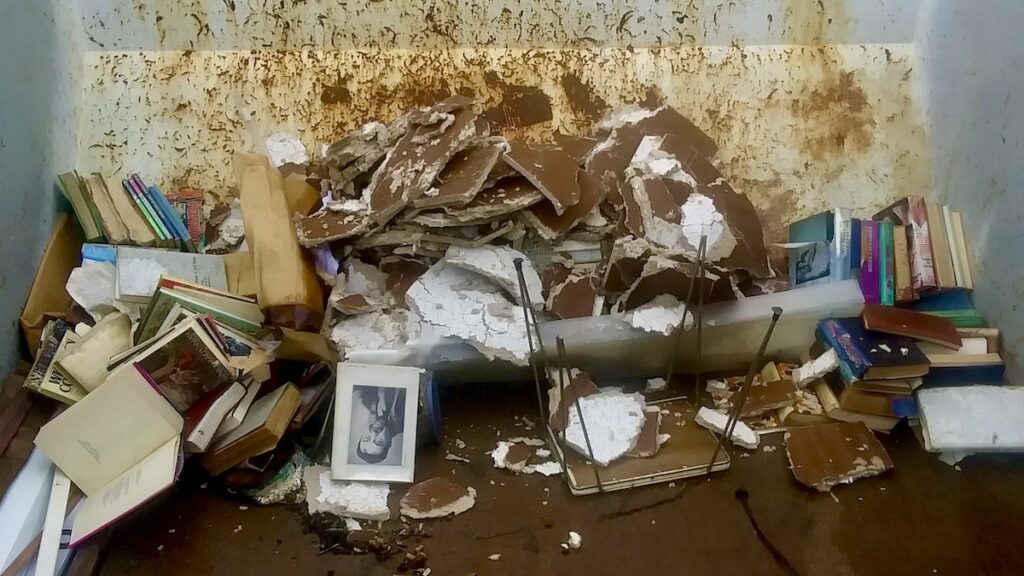
The Humans Have Mostly Left And A Project That Refused to End
Digital Salvage started as an arts, research and learning initiative around artificial intelligence, creative practice, storytelling, automation and community innovation. We brought together artists, young people, creative leaders, mentors, interns and community participants to try things out, build things, break things and figure out what these new technologies might actually be good for.
When we started in 2022, AI was moving fast, and these days even faster! New tools appear every other week, and everyone has something to say about how they’re going to change the world. We were less interested in the predictions and more interested in getting our hands dirty. What could we actually make? What could we automate? What would happen if we put these tools into the hands of people who like making things?
There were plenty of experiments. Some worked beautifully. Others were absolute disasters. We played with workflows, built prototypes, tested creative ideas, wrote code, generated stories and found all sorts of unexpected ways to use technology. A few things went completely off the rails. Honestly, that was part of the fun.
The original program wrapped up in the summer of 2025. But the work didn’t really stop. There were unfinished projects, half-built tools, enormous folders of material, strange little experiments and ideas that we weren’t quite ready to abandon. We had accumulated too much interesting stuff to simply put it all away.
So we kept going. Digital Salvage grew out of that decision. The people might have moved on, the original program might have ended, but the machines were still running and there was plenty left to do.
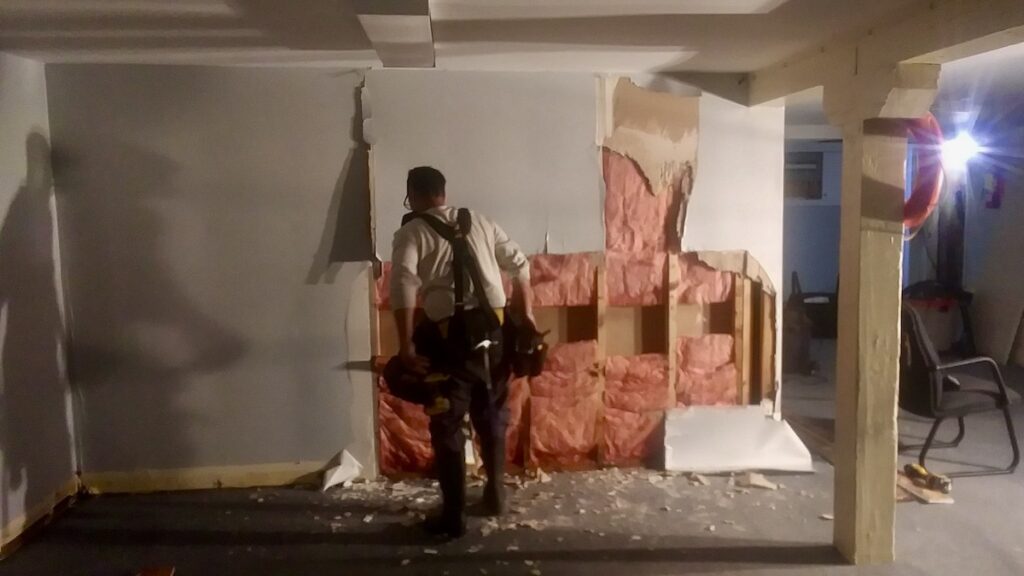
When Everything Flooded, We Started Salvaging
There’s a more practical side to all of this. In mid-2022, our program flooded, leaving behind a pretty serious mess. Servers were ruined, backups were damaged, databases were compromised and years of digital material suddenly became difficult, sometimes impossible, to access. We were left with a huge collection of data, files, fragments and artifacts, but reconstructing everything the way it had been just wasn’t going to happen.
At some point, we started asking a different question. What if we reconstructed whatever we could, but stopped worrying about making everything exactly as it was before? What if we kept the old material instead of throwing it away? Could we find another way to put it to work?
That’s where the idea of Digital Salvage really came into play. We started developing tools to reconstruct databases, recover content, reorganize information and piece together digital collections. Some of this was straightforward technical work. Other parts involved a lot of trial and error, creative problem-solving and figuring things out as we went along.
But then we started thinking bigger. Rather than just rebuilding everything ourselves, what if we let the machines take on some of the work? What if we gave AI access to old material, unfinished projects and forgotten fragments and let it see what it could make of them? Not everything needed to be restored. Some things could be transformed into something completely different.
That became one of the more interesting parts of the experiment. We weren’t just recovering lost work. We were finding new ways to use it. And honestly, it’s been a lot of fun.

The Space Between Finished and Forgotten
Most projects have a beginning, a middle and an end. You set a goal, do the work, finish the thing and move on. At least, that’s how it’s supposed to go.
Digital Salvage is interested in what happens afterwards. The folders nobody opens anymore. The prototypes that never quite worked. The databases that have outlived the systems they were built for. The notes, sketches, screenshots, conversations and weird little experiments that somehow survived.
Sometimes an old idea turns out to be useful after all. A broken workflow gives us an idea for a better one. A forgotten collection of stories becomes the starting point for something new. Technology changes, and suddenly something we couldn’t do a few years ago becomes entirely possible.
That’s the territory we’re working in. Some things are preserved as they were. Others get rebuilt, remixed, reorganized or handed over to AI for a completely different treatment. What’s here, on this site, is a mixture of human, machine and somewhere-in-between. You won’t always find a neat dividing line.
It’s not quite an archive, not quite a studio and definitely not a conventional research project. It’s a growing collection of things we’re making, things we’re recovering and things we’re still trying to figure out.
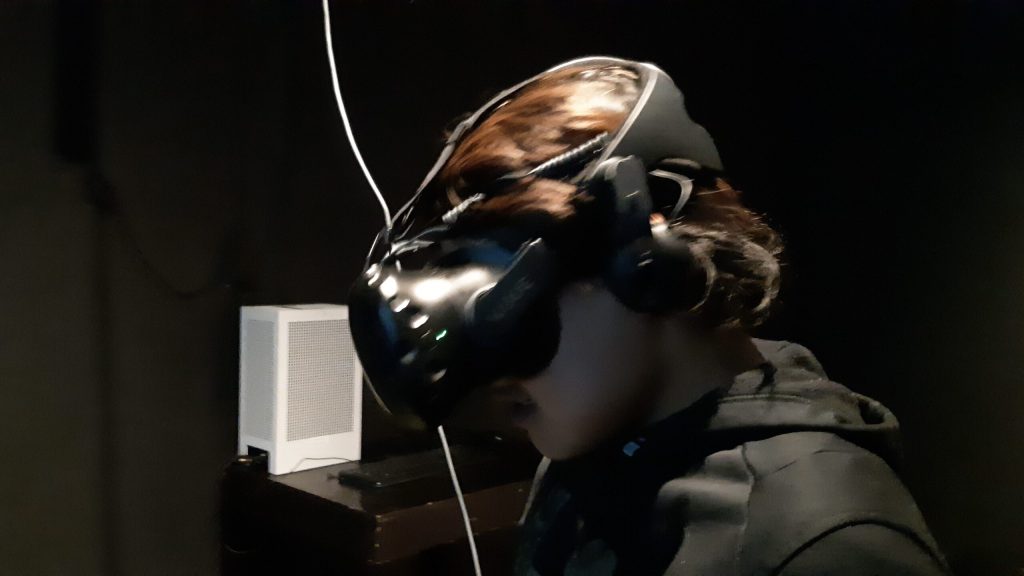
Creative Technology Without the Hype
We’re not particularly interested in pretending that every new technology is revolutionary. We’ve seen enough tools come and go to know that the reality is usually a little less exciting than the marketing. Some things are genuinely useful. Some are overcomplicated solutions looking for a problem. And some are just fun to play with for an afternoon.
That’s fine with us.
A lot of what we do is practical. We build tools because we need them. We experiment with databases because we have enormous collections of information to organize. We use AI to help process material, develop workflows, generate ideas and tackle jobs that would otherwise take an unreasonable amount of time. Sometimes we write software to solve a very specific problem. Sometimes that software ends up opening a whole new set of possibilities.
There is plenty of creative work mixed into the technical stuff, too. We like testing the limits of what these systems can do, seeing where they get things wrong and occasionally pushing an idea somewhere it probably wasn’t intended to go. Not every experiment needs a business plan or a finished product at the end of it.
We learn by doing. Sometimes that means getting something working. Sometimes it means discovering why it doesn’t work. And sometimes it means stumbling across something completely unexpected that turns out to be more interesting than the original idea.

Human Systems, Machine Systems
AI is a big part of Digital Salvage, but the project is about much more than artificial intelligence. We’re interested in what happens when human creativity, cultural knowledge, memory, storytelling and collaboration start interacting with machine-driven systems.
There’s a lot going on in that relationship. We design the tools, set the instructions, feed in the information and decide what we’re trying to accomplish. Then the machines do their thing. Sometimes they follow the plan. Sometimes they surprise us. Sometimes they produce something so strange that we have to stop and reconsider what we were doing in the first place.
We’ve become interested in letting some of these systems take on a more active role. What happens when an AI isn’t just answering questions but helping reconstruct a database, organizing an archive, developing a publishing workflow or working through years of accumulated material? What happens when we stop treating it as a fancy search box and start giving it actual work to do?
We’re still figuring that out. Some experiments are useful, some are ridiculous, and some end up somewhere in the middle. That’s part of the point. We’re interested in the relationship between people and the systems they create, including what happens when those systems start doing things we didn’t originally anticipate.
And yes, there are times when the machines get things spectacularly wrong. That’s when things get interesting, too.

A Collection of Futures
Digital Salvage has become a bit of a strange collection. There are practical tools, technical experiments, creative projects, research fragments, stories and ideas that haven’t quite found their place yet. Some are connected. Others have very little to do with each other. That’s part of what makes the whole thing interesting.
We’re not particularly concerned with keeping everything tidy or making every experiment fit into a larger plan. A discarded prototype might turn into a useful community tool. An old database might become the raw material for an entirely new project. Something that started as a quick test might grow into weeks of unexpected work.
Nothing here needs to be the final version. We can revisit things, change direction, try something completely different or leave an experiment sitting around until we have a better idea. There’s room for unfinished work, strange ideas and the occasional rabbit hole.
At its core, Digital Salvage is still a fun experiment. We’re rebuilding what we can, keeping what might otherwise disappear and finding out what happens when people and machines start working with the same collection of material. Sometimes we’re solving real technical problems. Sometimes we’re making something just because we can.
The original program may have ended, but the work has developed a life of its own. The humans have left (but they do pop in from time to time), the machines have picked up some of the slack, and there’s still a ridiculous amount of stuff to work on. We’re not quite sure where all of it is going. That’s the fun part.
And that’s the key thing. HAVING FUN.