Why is an impact assessment process important, and what are some of the issues commenters have raised about the process?
Executive Summary
The impact assessment (IA) process is the primary regulatory mechanism for evaluating the long-term safety, socio-economic, and environmental implications of the proposed Deep Geological Repository (DGR) at the Revell Site. For a project of this magnitude—involving the permanent isolation of 5.9 million bundles of used nuclear fuel—the IA serves as the only formal venue for independent scrutiny of the proponent’s (NWMO) claims. Commenters have raised profound concerns regarding the process, primarily focusing on the exclusion of transportation risks, the lack of meaningful Indigenous consent, and the perceived inadequacy of the 30-day review period for such a complex, multi-generational project [Comment Ref: 705, 660, 612].
Detailed Analysis
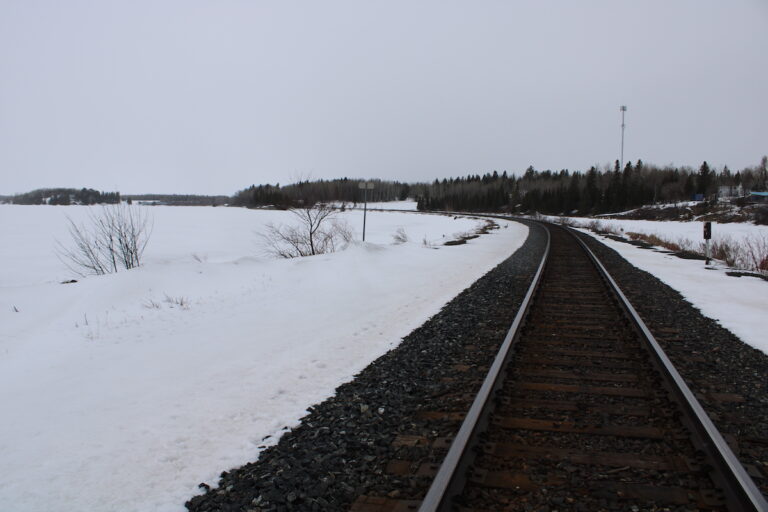
The IA process is critical because it forces the proponent to move beyond promotional narratives and provide empirical data on site-specific risks. In the context of the Revell Site, which is located in unorganized territory along the Trans-Canada Highway (Highway 17), the IA is the only process capable of addressing the cumulative impacts on regional infrastructure, water systems, and the social fabric of nearby communities like Dyment and Borups Corners [Analysis: Section 13].
Evidence from Public Registry
Public sentiment is heavily polarized. Opponents argue that the process is ‘random, ad hoc, and lacking transparency’ [Comment Ref: 705]. A recurring theme is the ‘project splitting’ strategy, where the NWMO attempts to exclude the transportation of nuclear waste from the federal assessment scope, despite it being an integral, high-risk activity [Comment Ref: 660, 605, 585]. Indigenous Nations, particularly the Grand Council Treaty #3, have asserted that the process ignores their inherent jurisdiction and the Manito Aki Inaakonigewin (MAI) laws [Comment Ref: 705, 660]. Conversely, supporters emphasize the project’s role in climate change mitigation and the rigorous safety protocols of the nuclear industry [Comment Ref: 672, 670, 653].
Technical Deficiencies & Gaps
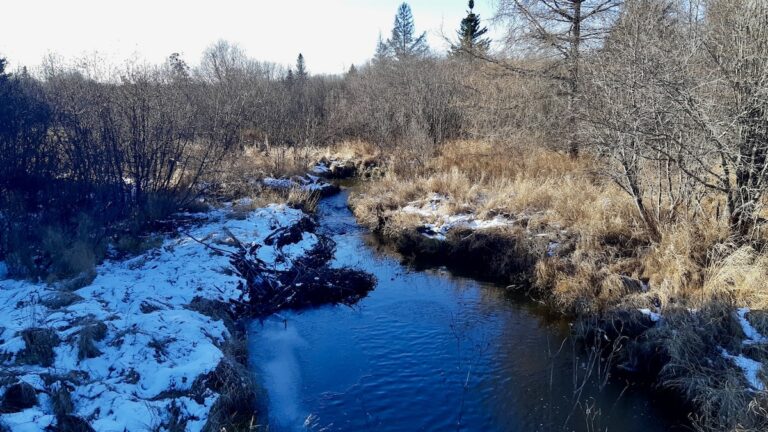
Internal analysis indicates that the proponent’s reliance on ‘industry-standard’ mitigation measures is premature. The current baseline data for the Revell site is insufficient, particularly regarding the hydrogeological connectivity of the Revell Batholith and the potential for contaminant migration through fracture zones [Analysis: Section 14.2]. Furthermore, the proponent’s ‘risk-informed’ screening often classifies potential adverse effects as ‘low risk’ before quantitative modeling is complete, which creates a significant transparency gap [Analysis: Section 19.2.3.5].
Recommendations & Mandates
We strongly recommend that the Impact Assessment Agency of Canada (IAAC) mandate the inclusion of the entire transportation corridor—from reactor sites to the Revell Site—within the scope of the federal impact assessment. The current exclusion of transportation is a major regulatory oversight that ignores the safety of residents along Highway 17. Additionally, we strongly recommend that the proponent conduct a comprehensive, site-specific hydrogeological study that includes the private wells of Melgund Township residents, rather than relying on regional averages. Finally, we strongly recommend the establishment of an independent, Indigenous-led oversight body with the authority to audit environmental monitoring data in real-time, ensuring that ‘adaptive management’ is not merely a corporate policy but a verifiable safety safeguard.
Conclusion
The IA process is the essential safeguard for the Revell Site DGR. To proceed, the NWMO must address the significant deficiencies in its current approach, particularly regarding the scope of transportation risks and the depth of Indigenous and local community engagement. The path forward requires a shift from a ‘decide-announce-defend’ model to one of genuine co-management and transparent, evidence-based assessment.
About the Deep Geological Repository (DGR) for Canada’s Used Nuclear Fuel Project
The Nuclear Waste Management Organization (the NWMO) is proposing a new underground deep geological repository system designed to safely contain and isolate used nuclear fuel. Wabigoon Lake Ojibway Nation (WLON) and the Township of Ignace have been selected as the host communities for the proposed project, which is located 21 kilometres southeast of the WLON and 43 kilometres northwest of the Town of Ignace, Ontario along Highway 17. As proposed, the Deep Geological Repository (DGR) for Canada’s Used Nuclear Fuel Project would provide permanent storage for approximately 5.9 million bundles of used nuclear fuel. The project is expected to span approximately 160 years, encompassing site preparation, construction, operation and closure monitoring. The project assessment is being conducted in collaboration with the Canadian Nuclear Safety Commission.
Learn more about the Integrated Impact Assessment process which is led by the Impact Assessment Agency of Canada and Canadian Nuclear Safety Commission.
- Read the Summary of Issues (February 16, 2026)
- Read the Summary of the Initial Project Description (January 5, 2026)
- Read the Initial Project Description (January 5, 2026)
- Learn More about the Melgund Integrated Nuclear Impact Assessment (MINIA) Project
- Learn More about the Nuclear Waste Management Organization (NWMO)
About the Author