May 6: The United Kingdom’s Geological Disposal Facility
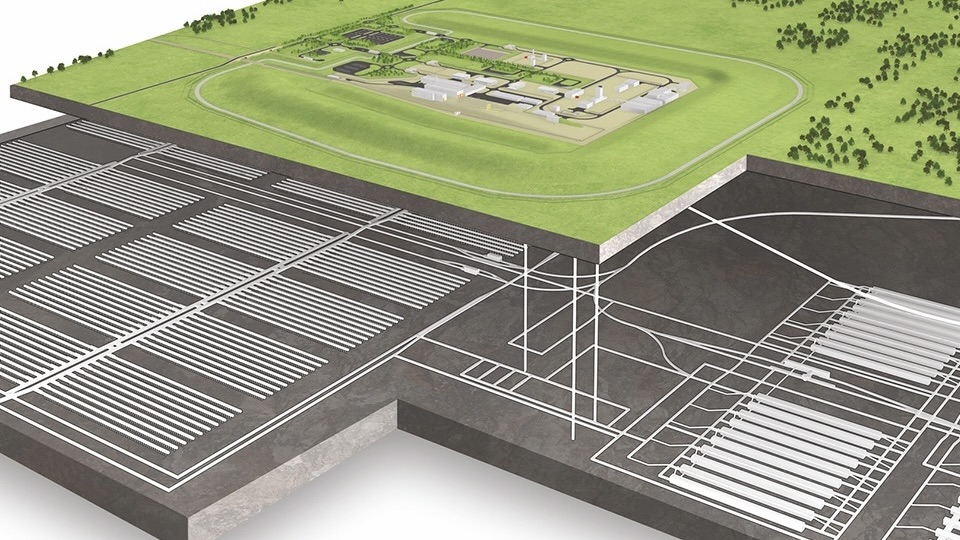
Across the globe, countries are grappling with one of the most complex environmental responsibilities of our time: the long-term management of used nuclear fuel. From Europe to North America, this work is increasingly being shaped not only by science and engineering, but by partnerships with the communities who live closest to proposed sites. In this context, the United Kingdom’s approach to developing a Geological Disposal Facility (GDF) offers an important opportunity to better understand how these projects unfold in practice.
The United Kingdom’s GDF programme is one of the country’s largest and most significant environmental protection initiatives. Designed to safely and securely contain radioactive waste deep underground for the very long term, the programme reflects decades of research, policy development, and evolving public engagement. It also provides valuable insight into how transportation systems, safety frameworks, and community participation processes are integrated into a project of this scale. For communities and organizations following similar discussions elsewhere, the UK experience offers both practical lessons and critical points of reflection.
A central voice in this work is Annabelle Hall-Tomkin, a subject matter expert who has spent nearly a decade contributing to the UK’s Geological Disposal Facility programme. As Principal Community Engagement Advisor with Nuclear Waste Services, she has played a key role in shaping how communities are involved in the siting process. Her work has focused on building meaningful relationships with Community Partnerships, developing guidance that supports informed participation, and helping ensure that engagement is not treated as an afterthought, but as a core component of the programme itself.
Through her experience, participants will gain insight into how engagement practices have evolved over time, what has worked, and where challenges remain. The UK model places a strong emphasis on collaboration, transparency, and long-term trust-building—elements that are essential when dealing with projects that will span generations. At the same time, it raises important questions about how communities define consent, how impacts are understood over time, and how decisions made today will be interpreted far into the future.
This special presentation is being hosted by the Nuclear Waste Management Organization and will take place at the Dyment Recreation Hall on Wednesday, May 6, 2026, from 6:00 to 8:00 p.m. (CDT). The session will also be available virtually, offering broader access for those who wish to join the conversation remotely. It is an opportunity to hear directly from someone deeply involved in one of the world’s leading geological disposal programmes, and to reflect on how these global experiences connect to local realities.
For those attending online, the session will be held via Microsoft Teams.
Microsoft Teams meeting
Join: https://teams.microsoft.com/meet/263780711998479?p=QjNkyKR9uTTfbbWnNV
Meeting ID: 263 780 711 998 479
Passcode: Pz7Mx668