Why the Northwestern Ontario Pussy Willow is the True MVP of the Spring Thaw
If you’ve lived through a Northwestern Ontario winter, you know the drill.
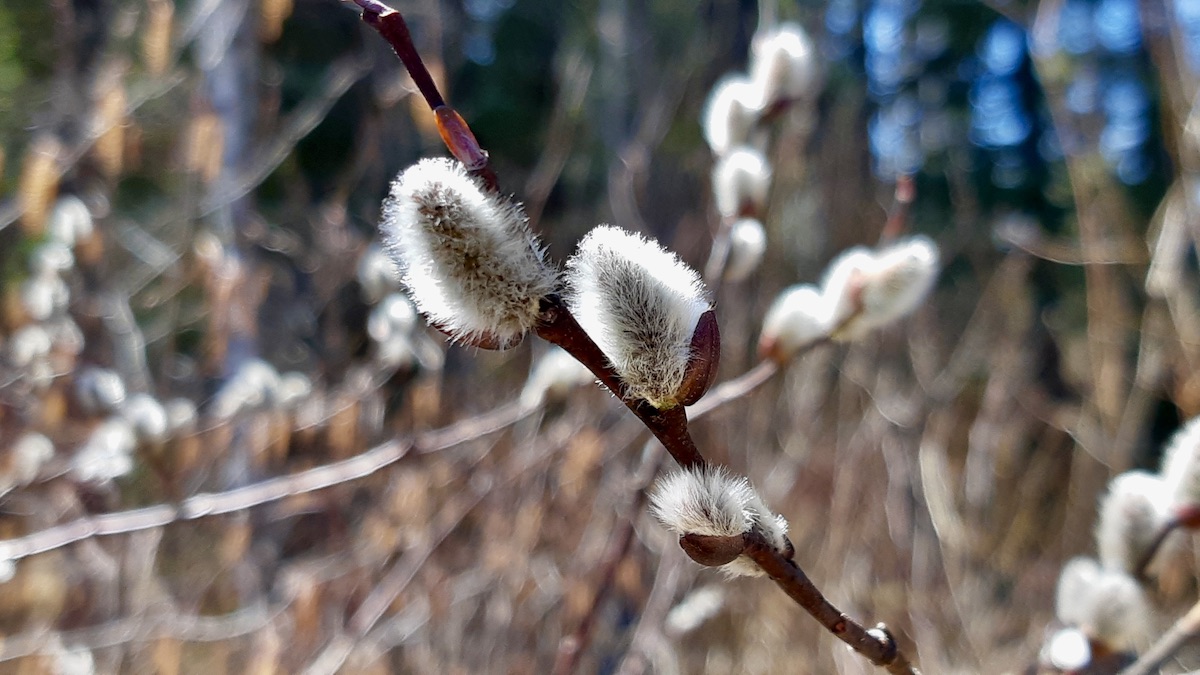
We spend six months alternating between “aggressively shoveling” and “forgetting what the sun looks like.” But then, usually while there’s still a stubborn crust of slush on the ground, these little silver-grey rebels show up. The Pussy Willow (Salix discolor) is nature’s way of tapping us on the shoulder and whispering, “Hang in there, bud; the bugs aren’t here yet, but the warmth is coming.” These fuzzy catkins are the ultimate early birds, popping out to say hello long before the maples even think about budding.
There is something deeply satisfying about spotting that first flash of silver against a backdrop of dormant, brown brush. In the boreal forest, these aren’t just plants; they’re a mood. They look like tiny, soft kitten paws—hence the name—clinging to dark, whip-like branches. If you’ve ever reached out to squeeze one (and let’s be honest, we all have), you know that velvety texture is surprisingly soft. They’re basically the forest’s version of a weighted blanket, signaling that the deep freeze has finally lost its grip on the lake country.
The tree itself is a bit of a local legend. Pussy Willows love having “wet feet,” so you’ll usually find them hanging out near the edges of swamps, ditches, or rocky shorelines where the snowmelt gathers. They are tough as nails, surviving temperatures that would make a polar bear shiver, yet they produce the most delicate-looking bloom in the woods. They don’t wait for a perfect 20°C day to debut; they’re rugged Northwesterners through and through, thriving in that messy, muddy transition period we affectionately call “Spring.”
Bringing a few stems inside is a local rite of passage. You stick them in a vase (no water needed if you want them to stay fuzzy forever!), and suddenly your kitchen doesn’t feel like a winter bunker anymore. It’s a tiny piece of the wild Boreal brought indoors. So, next time you’re trekking through the mud or dodging puddles on the trail, give a little nod to these fuzzy pioneers. They’ve braved the frost to tell you that summer—and the fishing season—is finally on the horizon.