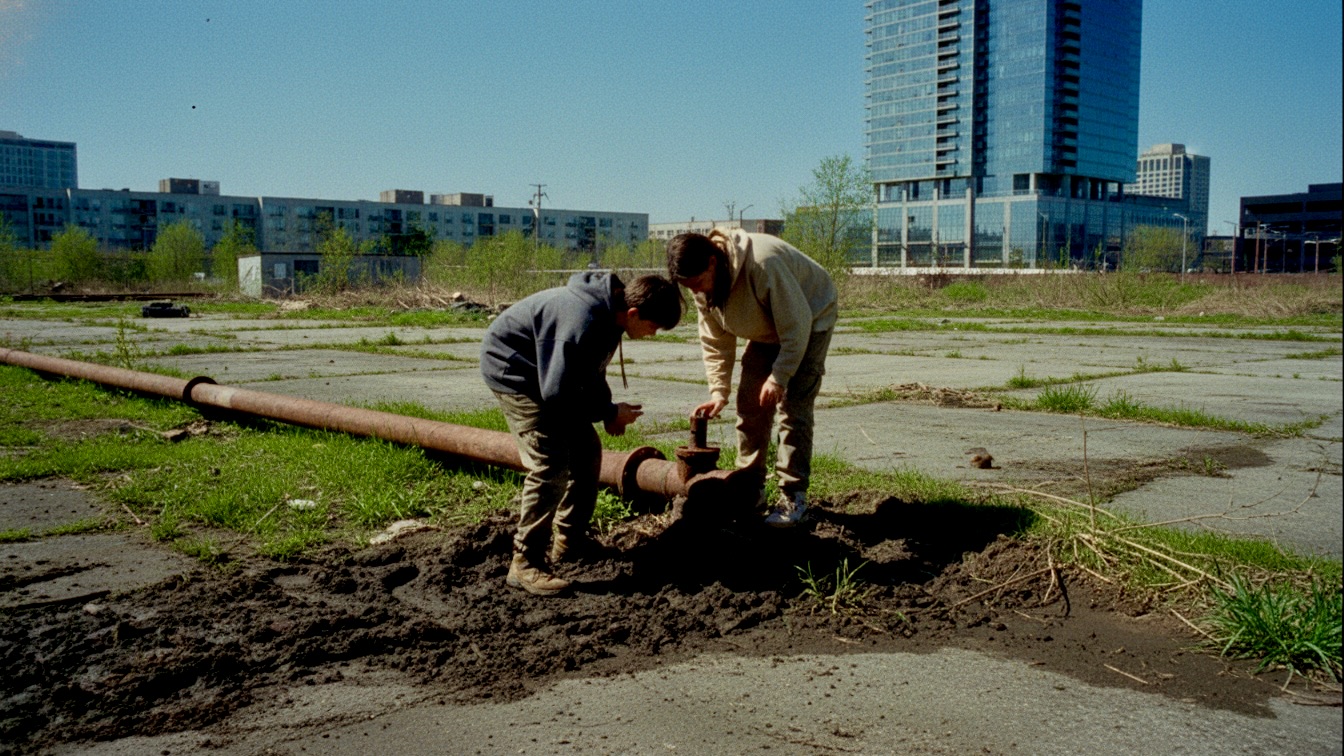
The story follows a teenager named Dan who is desperately attempting to save a derelict plot of land, known as Lot 42, from being demolished by the city to make way for a parking garage. Accompanied by his friend Gina, Dan works against a forty-eight-hour deadline to prove the botanical significance of the site, specifically focusing on a rare breed of heirloom roses planted by his late grandfather. Through intense manual labor, they manage to restore an aging irrigation system and bypass damaged soil sensors to satisfy city requirements. Despite the looming threat of developers and the physical exhaustion of their efforts, the pair persists, finding a renewed sense of purpose in the dirt and the small, stubborn signs of life within the garden.
The narrative functions as a poignant meditation on the conflict between historical preservation and the relentless march of urban modernization. Lot 42 serves as a microcosm for the loss of personal and cultural memory, where the city’s desire for a parking garage represents a sterile, utilitarian future that prioritizes convenience over heritage. Dan’s struggle to keep the garden alive is effectively a struggle to maintain a connection to his grandfather, transforming the soil into a repository of familial legacy.
Furthermore, the story explores the theme of performative resilience among the youth. Dan and Gina are burdened by a sense of "digital burnout," yet they find authenticity in the tactile, physical labor of gardening. By rejecting the "fake" career paths and social structures presented to them, they assert their agency. The garden becomes a sanctuary where the messy, slow, and often painful process of growth stands in direct opposition to the efficient, cold, and rapid pace of the surrounding city.
Dan is defined by his profound grief and an overwhelming sense of responsibility toward his grandfather’s memory. His internal state is marked by extreme physical tension, manifested as a locked jaw and a nervous, bouncing leg, which signal his anxiety regarding the impending demolition. He views the lot not merely as property, but as a living extension of his grandfather’s identity, making the threat of the bulldozer feel like a personal erasure. His motivation is rooted in a desperate need to prove that his grandfather’s life and work had lasting value.
As the story progresses, Dan experiences a subtle but significant psychological shift. Initially, he is paralyzed by the ticking clock of the city’s bureaucracy, but through his labor, he begins to channel his stress into constructive action. His relationship with the soil evolves from seeing it as a "dump" to recognizing it as a source of strength. By the end of the chapter, his decision to keep the dirt under his fingernails suggests that he has stopped trying to scrub away his reality and has instead accepted the struggle as a defining part of his character.
Gina acts as the pragmatic anchor to Dan’s emotional volatility. She is characterized by her technical competence and her ability to remain focused when Dan begins to spiral into despair. Her willingness to assist him in such a grueling task speaks to a deep, unspoken loyalty, as she shares his disillusionment with the superficial nature of their modern environment. She does not offer false hope, but instead provides the tools and the technical expertise necessary to turn their defiance into a legitimate "legal headache" for the developers.
The pacing of the narrative is relentless, mirroring the protagonist’s internal countdown. The author utilizes short, punchy sentences to heighten the sense of urgency, effectively mimicking the erratic heartbeat and shallow breathing of a character under duress. This rapid rhythm is punctuated by moments of stillness, such as when the water finally flows or when the characters sit in the quiet of the night, which emphasizes the contrast between their frantic labor and the slow, indifferent pace of nature.
Sensory details are employed throughout the text to ground the reader in the physical reality of the lot. The sharp, chemical smell of WD-40, the cold texture of the iron wheel, and the visual transformation of the soil from gray dust to rich, dark brown create a visceral experience. The tone is gritty and grounded, avoiding overly romanticized descriptions of nature in favor of a raw, honest portrayal of "manual labor in the mud." This stylistic choice reinforces the theme that real beauty and history are earned through struggle rather than simply observed.


