Cool new chapters from Spring Short Stories
Welcome to our newest batch of spring short stories, a playful part of our ongoing research into how seasonal changes spark fresh ideas in the digital world. This project is all about getting creative and using storytelling to see how melting snow and warmer light can help us learn new tech skills while keeping our sense of wonder.
These tales help us grow as writers and artists by looking at how spring feels in big cities and Northern towns where the season is a big deal. It is an exploratory journey where we try out different scripts and styles to help creative talent bloom right along with the urban flowers.
Today’s Spring Short Stories

Broken Glass and Petals
Author: Tony Eetak | Category: Romance | Genre: Utopian
Edith and Jae work together on ropes high in the sky to save a garden from breaking apart.
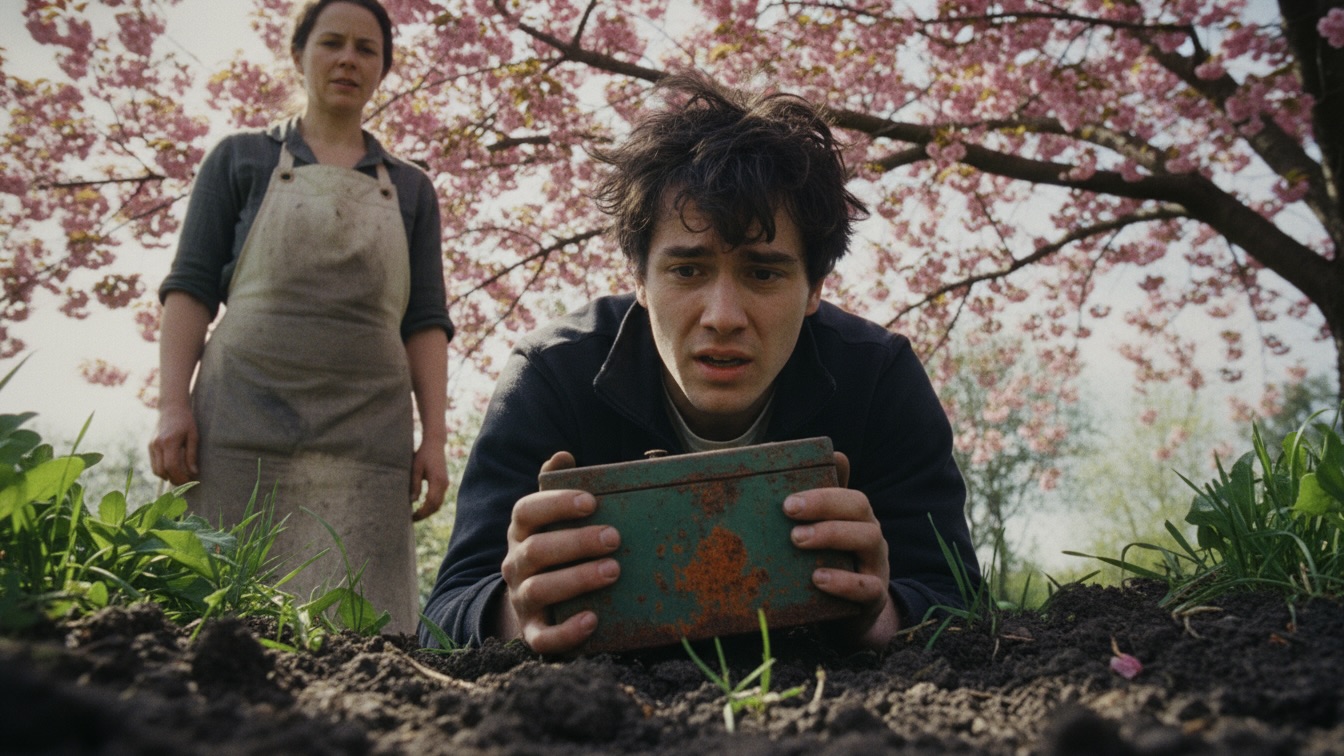
The Copper Key Box
Author: Jamie F. Bell | Category: Mystery | Genre: Literary Fiction
A cynical reporter uncovers a community secret while looking for dirt on a developer, changing his view of the city.
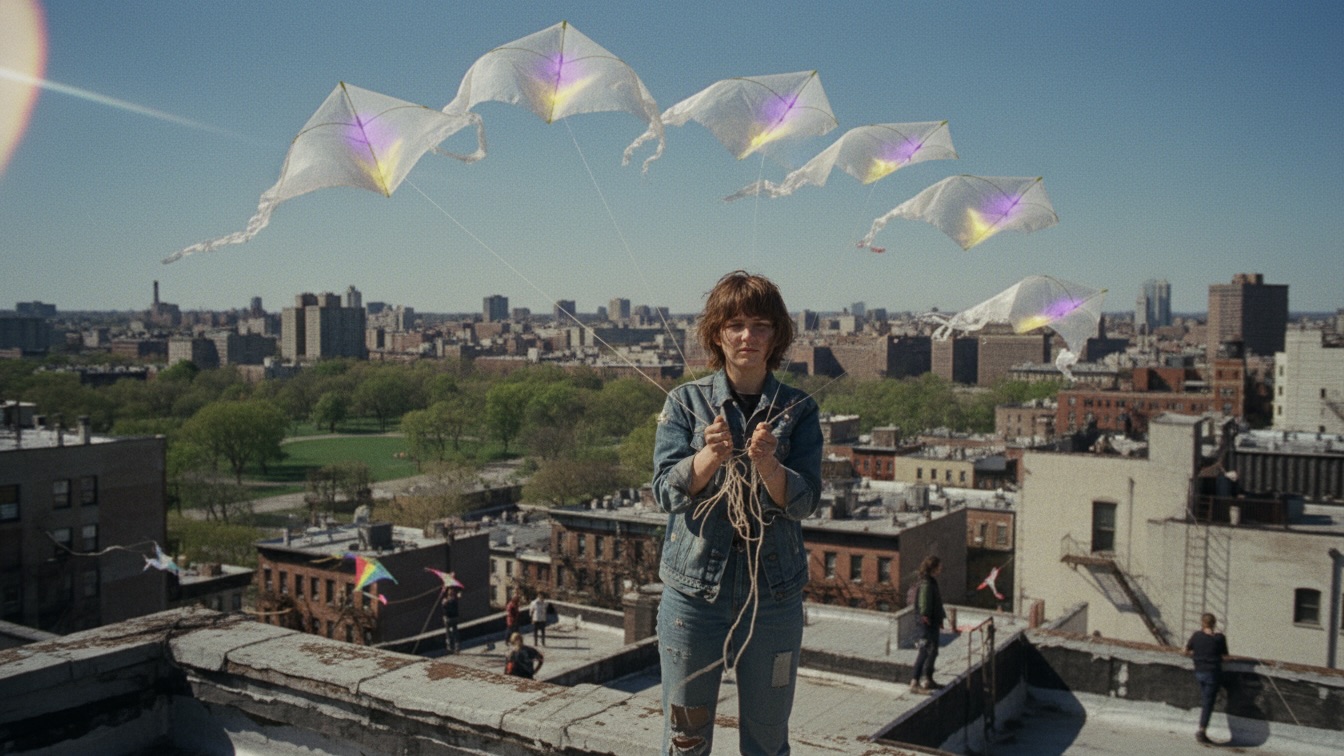
Seven Yellow Kites
Author: Tony Eetak | Category: Inspirational | Genre: Literary Fiction
A neurodivergent artist recovers from a sensory-overload accident by learning to communicate with her community through silent, light-reactive kites.

A Hole in the Rug
Author: Tony Eetak | Category: Drama & Family | Genre: Science Fiction
A teenage boy tries to protect his family as a physical void begins to consume their suburban home.

The Glass Seed
Author: Tony Eetak | Category: Adventure | Genre: Romance
A desperate climb through a mountain range where the blossoms flicker like neon and gravity is merely a suggestion.
Design Notes and Applied Research
This collection served as a rigorous exercise in the intersection of narrative structure and information management. By navigating genres such as Utopian fiction and Science Fiction, we analyzed how different thematic frameworks require specific approaches to digital organization and content delivery. This project allowed us to refine our skills development by testing how complex storytelling can be synthesized into manageable digital formats without losing the core intent of the work.
The inclusion of diverse subject categories like Mystery, Adventure, and Drama & Family provided a practical application for advancing digital literacy within the arts. We learned how to utilize metadata and strategic categorization to improve the discoverability of literary works in a crowded digital landscape. Managing these various threads taught us that effective information management is essential for ensuring that creative projects remain both accessible and impactful for a wide audience.
Integrating these stories into our daily workflow offered a refreshing look at how automated systems can support and enhance artistic projects. It was a great way to unwind and really get crazy and have tonnes of fun with automation. To see the results of this creative and technical exploration, we encourage you to visit the Spring Short Stories project at https://artsincubator.ca/short-stories/spring.