
Why the most meaningful organizational shifts require patience, persistence, and deep community trust.
True transformation in a creative organization is rarely a lightning bolt; it is more like the steady, patient growth of an oak tree. We live in a culture that obsesses over the pivot—that sudden, dramatic shift where a struggling project becomes an overnight success. But for those of us working at the grassroots level, real change is a marathon, not a sprint. The principle we have to embrace is that the most meaningful shifts in how we work and how we serve our community are those that are built on the foundation of time and consistent commitment. Change isn’t an event you check off a list; it is a rhythm you settle into.
Why does this slow-motion approach matter so much for a small arts organization? When you are running on a shoestring budget, your most valuable asset isn’t your bank account—it’s the culture you build with your collaborators and your audience. Sudden, top-down changes can feel like a betrayal of that shared culture. If you try to force a new direction without giving people the space to adapt, you risk breaking the very bonds that keep the project alive. In a large corporation, change management often looks like a memo and a new set of metrics. In a grassroots space, change management looks like a series of long conversations over coffee, a willingness to admit when things aren’t working, and the patience to let a new idea breathe before it becomes a rule.
To approach change effectively, we have to stop looking for the quick fix. If you want to change how your organization handles its finances, how it recruits new volunteers, or how it interacts with the local neighborhood, start by identifying the smallest possible version of that change. Commit to that small thing every single day. If your goal is to be more inclusive, don’t just write a manifesto; start by changing the way you run your weekly meetings to ensure every voice is heard. This kind of micro-change is less intimidating and more sustainable. It allows your organization to evolve organically rather than being forced into a shape that doesn’t fit. When you change the small habits, the big shifts follow naturally.
Moreover, we must understand that resistance to change isn’t always a sign of a toxic culture. Often, people resist change because they care deeply about what has already been built. They are protecting the space they love. As a leader, your job isn’t to steamroll that resistance, but to honor it. Listen to the fears behind the pushback. When people feel heard, they are much more likely to join you in the next chapter. Commitment doesn’t just mean staying the course; it means staying committed to the people who are walking the path with you. It means being honest about the fact that change is uncomfortable and messy, but ultimately necessary for growth.
Finally, remember that the long game is the only one that yields lasting results. The organizations that truly shift the landscape of their local arts scene are the ones that are still here years later. They didn’t survive by staying exactly the same, but by evolving with a sense of purpose and a deep respect for the time it takes to build something of value. Don’t be discouraged if your new initiative feels slow to start. If it’s a change worth making, it’s a change worth waiting for.
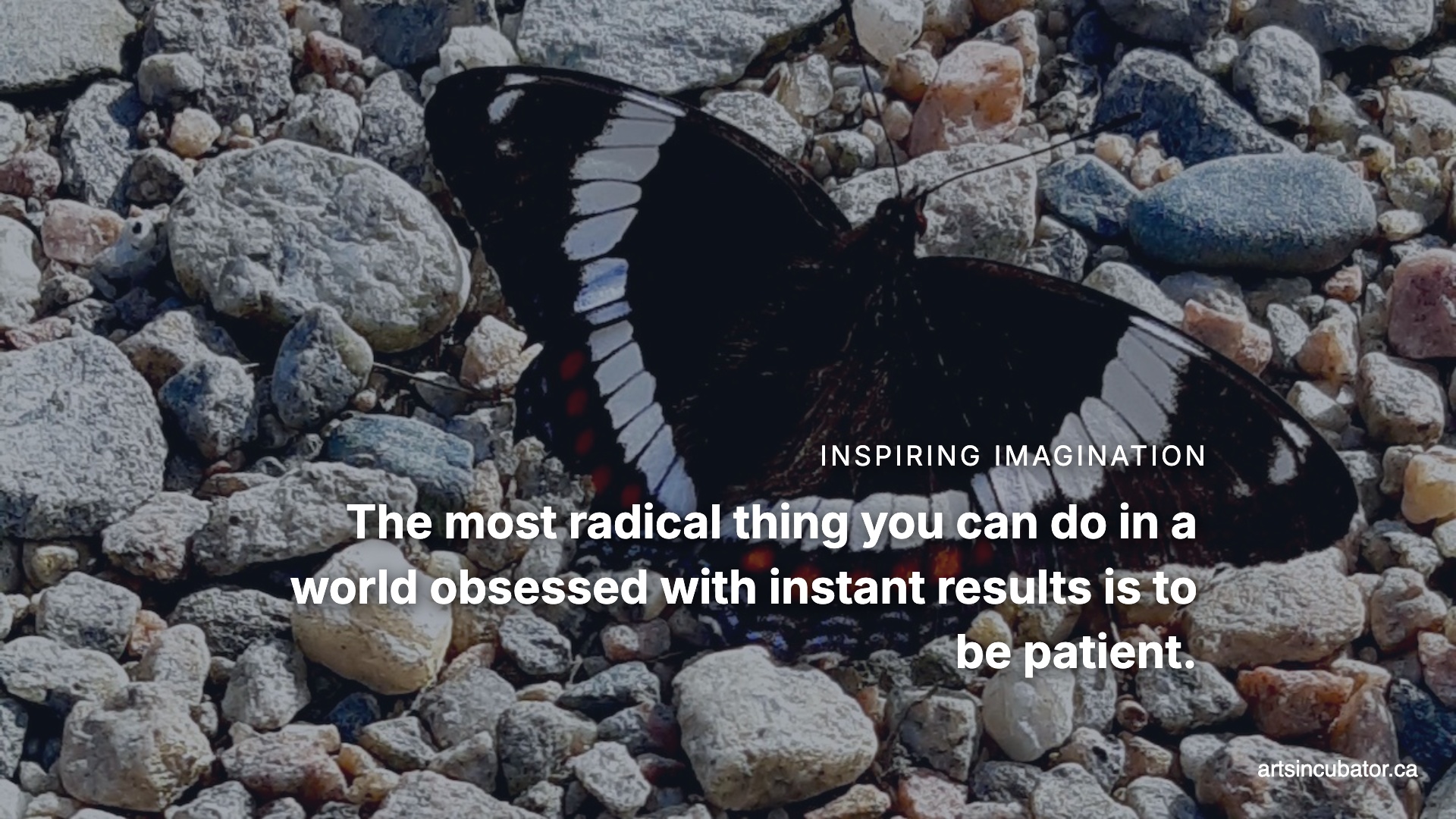
The most radical thing you can do in a world obsessed with instant results is to be patient. Trust the process, trust your community, and trust that the seeds you are planting today will eventually become the forest you’ve been dreaming of. Stay realistic about the challenges, but remain optimistic about the destination. You are building something that lasts, and that kind of work can never be rushed. Keep going, one small step at a time.
Northern Arts and Regional Innovation
This is a collaborative initiative by The Arts Incubator Winnipeg and the Art Borups Corners art collective, supporting artists and creative projects in Melgund Township, Northwestern Ontario. Our groups champion rural arts development, community programming, Indigenous arts partnerships, and cultural innovation—strengthening the local and regional arts sector through mentorship, exhibitions, digital media, and sustainable creative entrepreneurship. Our events and activities include artists from Melgund Township, Winnipeg, Ignace, Sioux Lookout, Dryden, and beyond. You read more innovation-focused posts here.
About the Author