Winnipeg’s Arts Incubator celebrates experimentation over polish, using AI, land-based projects, and co-creation to spark creativity.
How a Winnipeg Arts Incubator Prototypes the Future of Creativity
In most art worlds, the finished masterpiece gets all the glory. But at the Arts Incubator, a small, but sprawling creative hub stretching across Manitoba, Minnesota and Northwestern Ontario, the real magic happens long before anything is “done.” Here, the messy, the experimental, and the outright unpolished are celebrated as essential ingredients in making art that matters.
A Playground for High-Tech Creativity
The Incubator isn’t just a studio or an arts collective; it’s more a sandbox for inventors, coders, storytellers, and dreamers. Forget off-the-shelf apps or pre-packaged solutions. This year, thanks to support from the OpenAI Researcher Access Program, the team has been busy tinkering with Agentic AI, custom-built artificial intelligence tools designed to take care of the endless administrative headaches that often bury independent artists. Grants? Metadata? Scheduling nightmares? They’re exploring how AI can handle them, giving creators more room to imagine, experiment, and, yes, occasionally fail spectacularly.
The goal isn’t to automate creativity, it’s to free it. Building tools from the ground up, the Incubator is testing bold ideas: how technology can be a co-creator, not a replacement.
This year, the Winnipeg team was fortunate to collaborate with artists and creators in Northwestern Ontario, putting some of these tools to the test as part of an interdisciplinary arts and research project supported by the Ontario Arts Council. The cross-regional partnership allowed the Living Lab to experiment with new workflows, storytelling methods, and AI-assisted creative processes in diverse cultural and geographic contexts.
A big part of the work focused on exploring how AI can complement capacity building, stepping in to fill gaps where human resources or technical expertise are limited. By using AI to handle administrative tasks, support creative experimentation, and assist with storytelling, the team could focus on deeper engagement, collaboration, and cultural knowledge-sharing without being slowed down by logistical bottlenecks.
Prototypes, Not Perfection
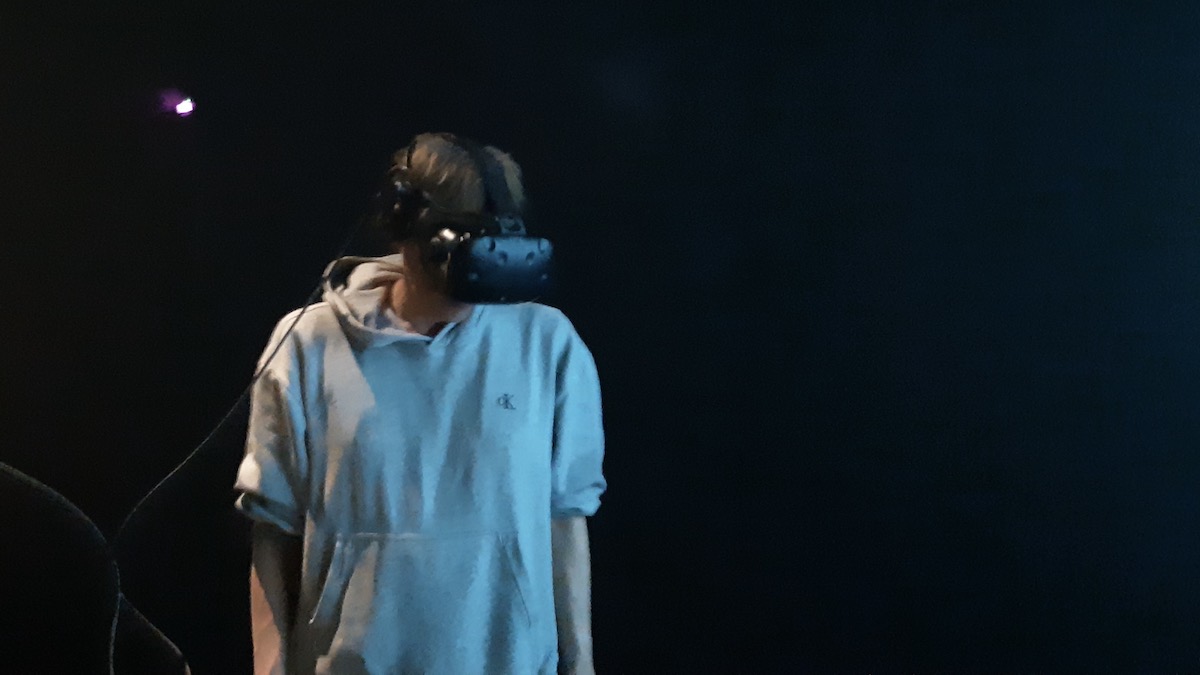
At the heart of the Living Lab is a simple mantra: prototype over polish. “We build what works here, with the people who are here,” says Jamie Bell, one of the artists and researchers involved in the program. “And we break as much as we build.” Tools that flop in a northern youth community are scrapped, rebuilt, and reimagined. Static exhibitions? Not their style. They’re exploring projects where the focus is on interactive, land-based media that gets people moving, experimenting, and asking questions. Mistakes aren’t failures—they’re part of the rhythm.
Bell explains how storytelling has become a key way to test new tools and approaches. “We’ve been exploring process automation, and often using small, short stories to do it,” he said. The group even decided to take these test datasets and publish them, sharing their experiments with a wider community of creators. “Sometimes we don’t even know what the system is going to put out until we see it.” By treating these micro-narratives as playful experiments, the team can observe how AI tools respond, tweaking the processes, and discovering unexpected possibilities—turning simple story fragments into both a prototype and a spark for further creativity.
Breaking Down Hierarchies
The most daring experiments aren’t digital, they’re often social. They’ve been testing leadership models where Elders, youth, and tech innovators all share equal influence. There are no gatekeepers, no experts with a final say, just co-creators learning, experimenting and exploring together.
Over a six-month period, youth, community members, and artists moved from simple introductions to chatbots and GPTs to designing and building their own AI systems. From there, they explored agentic design, simulation systems, and automation, gradually gaining the skills and confidence to shape technology rather than just use it. By layering experimentation with hands-on learning, the Living Lab created a space where participants could tinker, fail, and innovate together—turning complex AI concepts into accessible, playful tools for creative expression.
As 2025 winds down, the Arts Incubator reminds us that the future of creativity isn’t shiny, perfect, or polished. It’s messy, it’s playful, and it’s always evolving. Putting cultural sovereignty and curiosity first, they’re not just imagining what comes next, they’re prototyping it and living it, one crazy experiment at a time.
About the Author