Exploring Data Through Art and Sound
Mapping Impacts was a fun, hands-on arts workshop where our team spent a few hours learning to load, manipulate, and explore data in a playful, interactive way. Using arts-based digital tools, we worked with real datasets, experimenting with visualization, sound, layout, and interface design to see how information can be communicated in new and engaging ways.
This workshop was designed to make complex data approachable. Instead of staring at spreadsheets or dense reports, we were able to explore interacting with data spatially and visually, discovering patterns, connections, and insights by exploring and experimenting. Every click, drag, and adjustment was a learning opportunity.
At the same time, the workshop encouraged creativity. Blending coding, design, and sound, we learned how arts-based approaches can help translate information into something that’s both understandable and compelling. It was a chance to practice digital literacy while experimenting with visual storytelling and sound as tools for communication.
How It Works
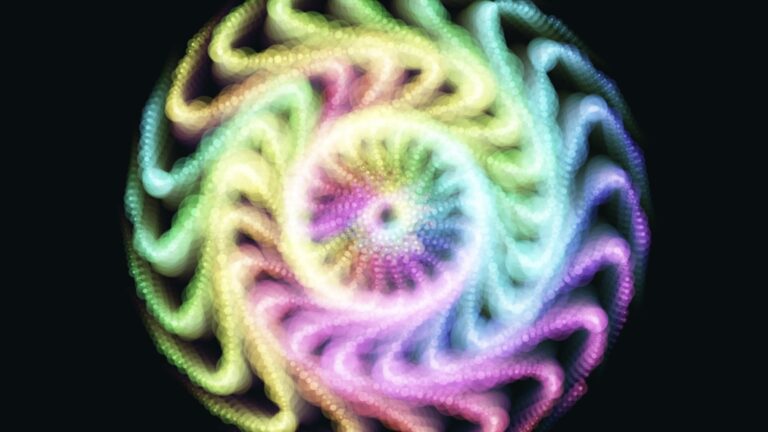
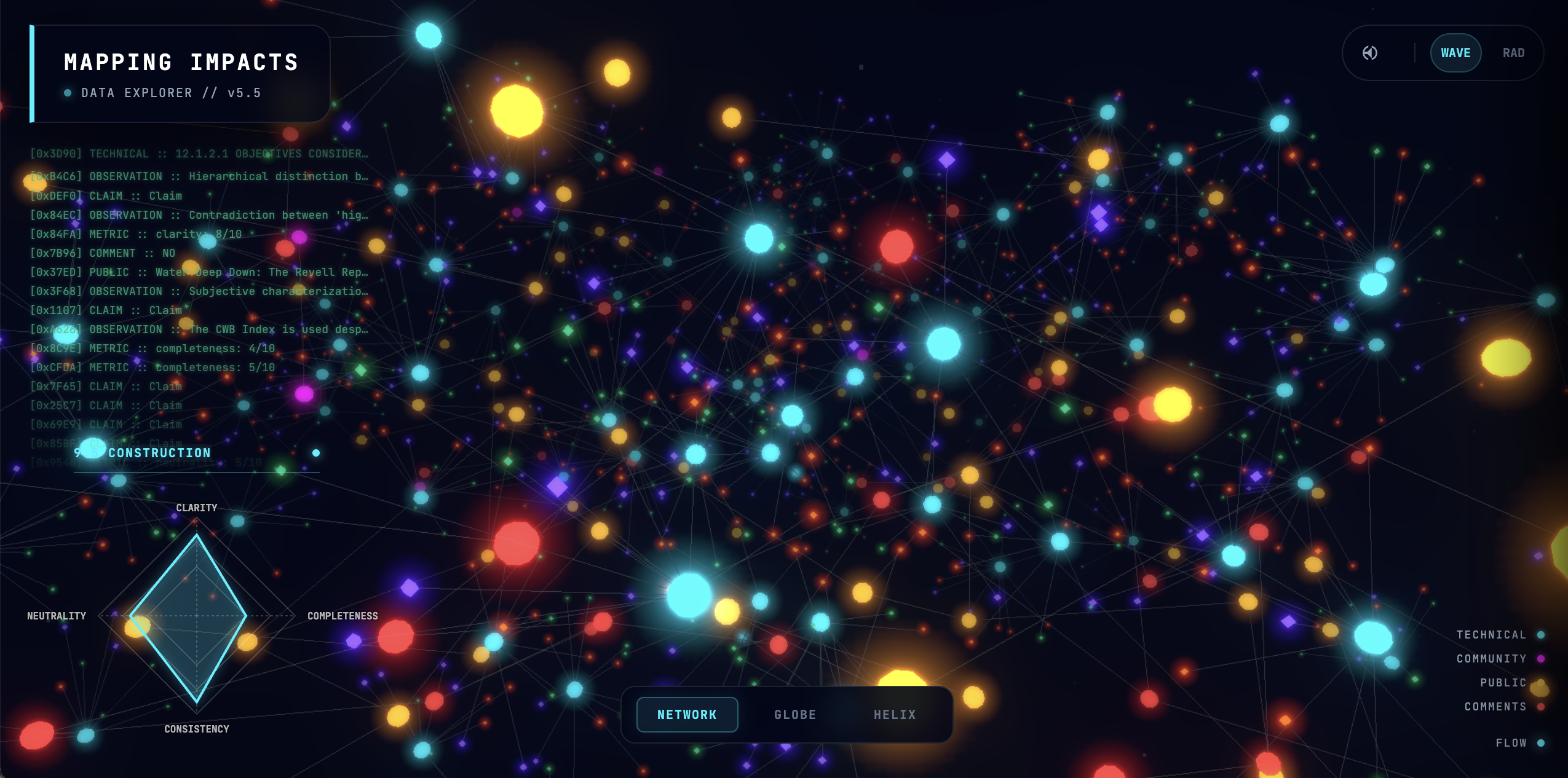
This week’s project uses a 3D interface where different kinds of information appear as points you can navigate through. Technical documents, community input, and public context are easy to tell apart at a glance, so you always know what you’re looking at.
As you explore, the system responds. Clicks, movement, and clusters of information trigger subtle sound cues. In some modes the experience is calm and ambient; in others it becomes more intense, helping you notice where issues, questions, or gaps start to pile up.
You don’t need to understand data structures or software to use it. You learn by exploring.
Why Art and Sound?
Art and sound make data easier to approach. Visuals help people see patterns and relationships quickly. Sound provides feedback and helps guide attention without needing constant explanation. Together, they turn information into something you can experience, not just read.
The goal isn’t to simplify the data or tell you what to think. It’s to make it easier to stay engaged long enough to form your own understanding.
A Different Way to Learn
This project treats learning as exploration. There are no tests, no scores, and no right path through the system. You follow what catches your attention and build understanding over time. At its simplest, Mapping Impacts is about making data more approachable. At its best, it’s about showing that learning can be playful, shared, and genuinely interesting.
And, it makes for a fun little arts exhibit!
About the Author