Artists and arts organizations navigating the AI era need data skills to expand visibility, engagement, and impact.
Why Understanding Data Is Even More Essential
The world has changed. In the past, artists and arts organizations measured success in exhibitions, ticket sales, or critical acclaim. Today, visibility, circulation, and engagement are increasingly mediated by algorithms, social platforms, and AI systems. If you’re creating work that lives online, or even travels digitally. You need to understand data. It’s no longer optional; it’s a core skill.
Why Data Matters for Artists
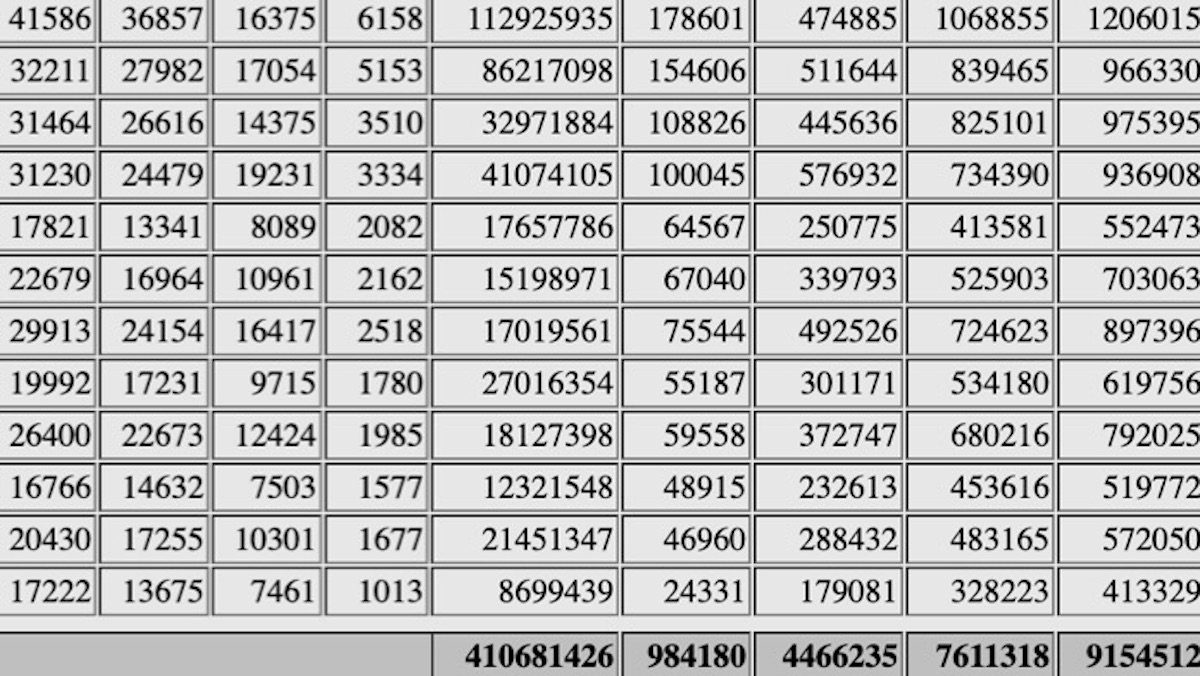
Hits, pageviews, shares, and engagement metrics aren’t just technical noise. They’re signals about how your work is being discovered, consumed, and circulated by both humans and machines. Artists who understand these signals can make informed decisions: when to publish, how to structure content, how to design experiences that reach the right audiences. Without this knowledge, even brilliant work can go unseen.
Skills Every Arts Organization Should Build
- Analytics literacy: Understanding metrics, logs, and user behavior lets you see where attention is flowing and how audiences interact with your work.
- AI and algorithm awareness: Platforms are guided by automated systems. Knowing how these systems parse and rank content helps you design work that is discoverable.
- Content structuring: Metadata, semantic organization, and formatting choices affect both visibility and engagement. Learning to optimize these without compromising artistic integrity is key.
- Iterative strategy: Data isn’t static. Monitoring trends, testing formats, and adjusting approaches in real time lets you respond creatively to audience and algorithmic signals.
From Insight to Action
This isn’t about replacing artistry with numbers. It’s about augmenting creativity. Data helps artists understand what resonates, where attention flows, and how their work circulates across digital ecosystems. Arts organizations that embrace these skills can expand their reach, engage new audiences, and make better strategic decisions—without compromising the integrity of their work.
Today’s modern arts ecosystem is a hybrid one, where human and algorithmic attention intersect. And there’s no changing that. Artists and organizations that ignore data risk being invisible, no matter how compelling their work. Those who understand it can harness metrics, analytics, and AI as tools for greater impact.
In today’s world, creativity isn’t just about making art, it’s about making your art seen, understood, and circulated.
And in the digital age, that means mastering data.
About the Author