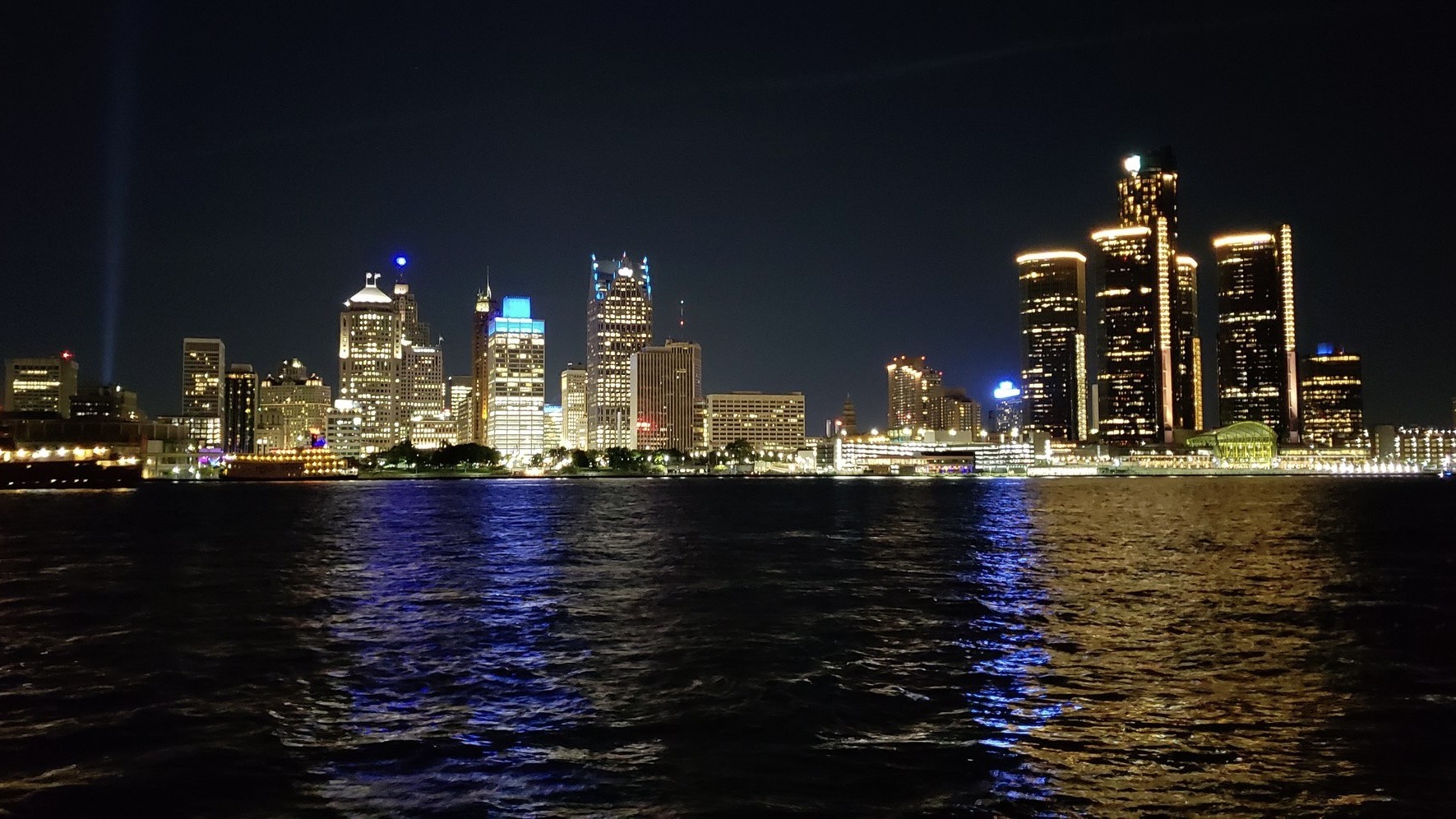
How to keep your creative vision alive when resources feel scarce.
Imagination is often the first thing we sacrifice when things get difficult. This week, we’re talking a lot about imagination.
When the bank account is nearing zero, or when a venue falls through at the last minute, the natural human response is to pivot into a survivalist mindset. We become hyper-fixated on the logistics, the numbers, and the immediate fires that need extinguishing. While these things are necessary for keeping an organization afloat, we must remember a fundamental principle of grassroots leadership: your imagination is not a luxury item you pull out when times are good; it is the very engine that allows you to navigate the bad times.
For a small arts organization, imagination is your most reliable form of capital. Unlike a grant or a sponsorship, it cannot be revoked by a board of directors or affected by a shift in the economy. It is the internal resource that allows you to see potential where others see a dead end. When resources are scarce, your ability to reimagine your constraints as creative collaborators is what sets your work apart. A lack of funding isn’t just a hurdle; it’s an invitation to invent a new way of making that doesn’t rely on a traditional checkbook. This mindset matters because it shifts you from a position of lack to a position of agency.
So, how do we preserve this spirit when the weight of the world feels heavy? The approach begins with reclaiming the “What If.” In the middle of a stressful planning session, it is easy to get bogged down in the “What Is.” We talk about what is broken, what is missing, and what is impossible. To keep your imagination alive, you must intentionally carve out space for the hypothetical. This doesn’t require a retreat to a fancy cabin or a high-tech brainstorming software. It simply requires a collective agreement that, for fifteen minutes a day, the “What If” is more important than the “What Is.” What if we didn’t need a stage? What if the audience was the art? What if this failure is actually a clearing for something better?
Another essential practice is the cultivation of Low-Stakes Play. When things are tough, we often feel like every move has to be perfect. We stop experimenting because we are afraid of wasting what little energy we have left. However, play is the oxygen of imagination. By introducing small, zero-cost creative exercises into your regular routine—a five-minute collaborative drawing, a shared playlist, or a quick storytelling game—you remind your brain that creativity is a renewable resource. You lower the stakes so that the fear of failure doesn’t paralyze the impulse to dream.
Finally, we must protect our imagination from the creep of cynicism. It is very easy to become cynical when you are working twice as hard for half the recognition. But cynicism is a closed door, while imagination is an open window. Guarding your spirit means being intentional about the voices you listen to and the stories you tell yourself. It means celebrating the small wins with as much fervor as the big ones.
It means remembering that every major movement started as a small, seemingly “unrealistic” idea in the mind of someone who refused to let the hardness of the world dull their vision.
Your imagination is a radical tool for survival. When the resources are thin, let your dreams be thick. Trust that your ability to see the “not-yet” is exactly what will lead you through the “right-now.”
Keep dreaming, keep playing, and keep seeing the beauty in the struggle.
Northern Arts and Regional Innovation
This is a collaborative initiative by The Arts Incubator Winnipeg and the Art Borups Corners art collective, supporting artists and creative projects in Melgund Township, Northwestern Ontario. Our groups champion rural arts development, community programming, Indigenous arts partnerships, and cultural innovation—strengthening the local and regional arts sector through mentorship, exhibitions, digital media, and sustainable creative entrepreneurship. Our events and activities include artists from Melgund Township, Winnipeg, Ignace, Sioux Lookout, Dryden, and beyond. You read more innovation-focused posts here.